

British School Portrait
A british school portrait captures centuries of individual character, offering a direct window into historical lives through oil, canvas and watercolour.
British School Portrait
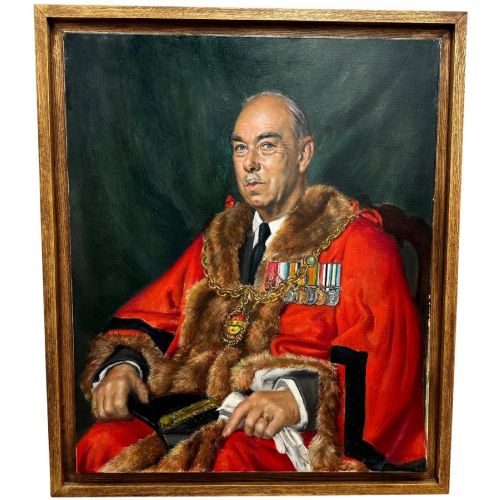
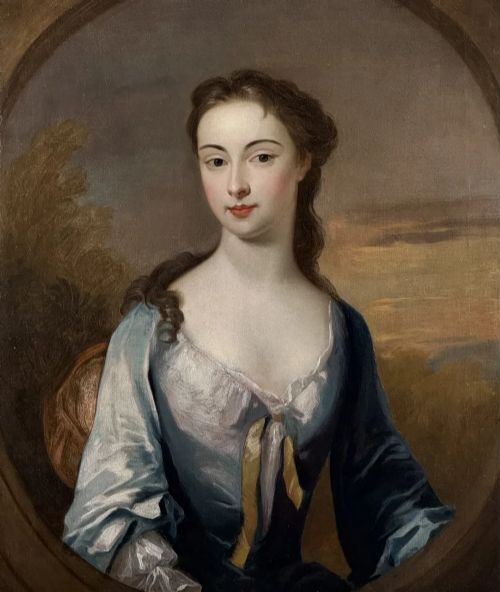
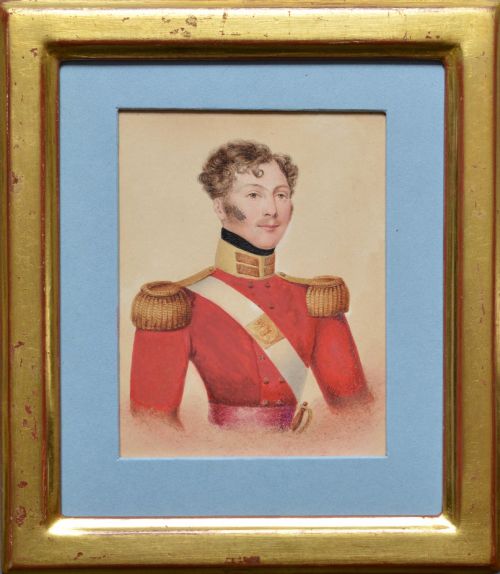
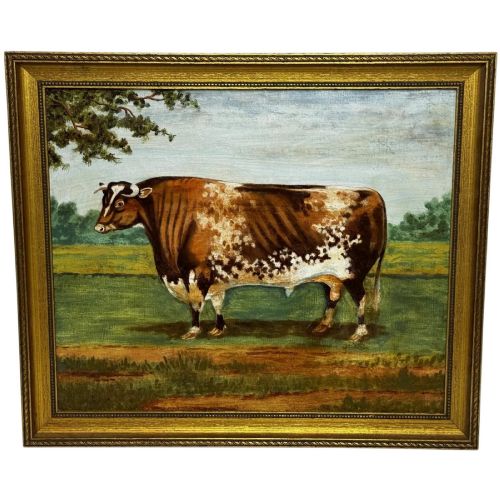
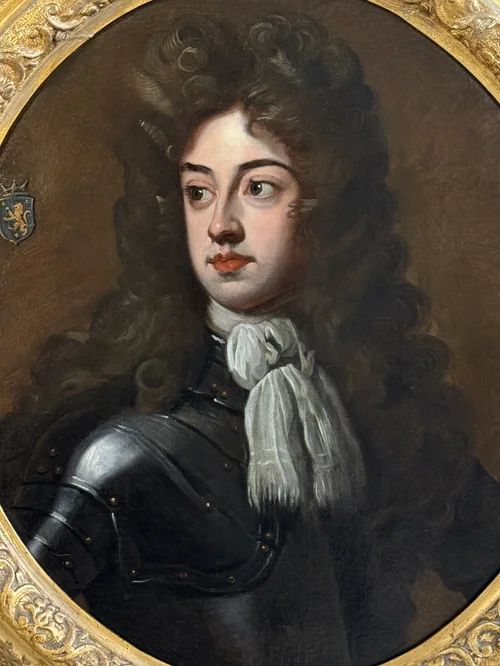
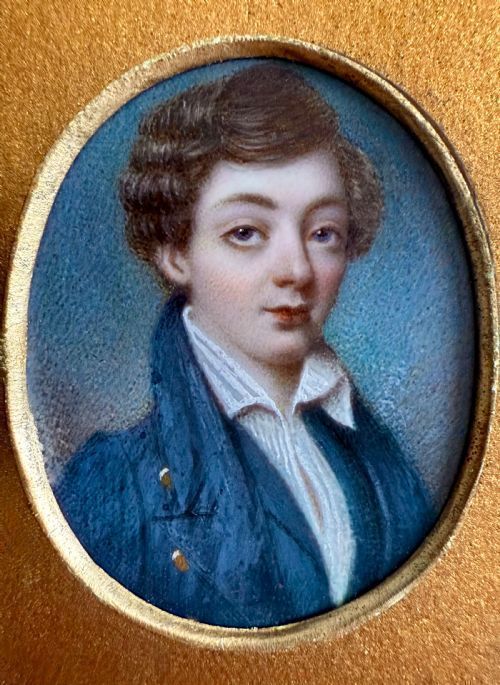
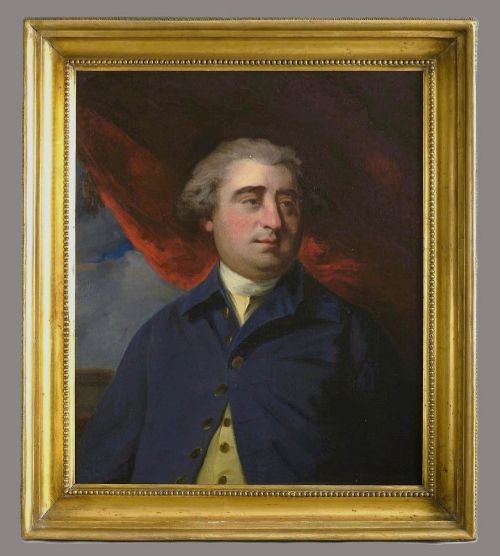
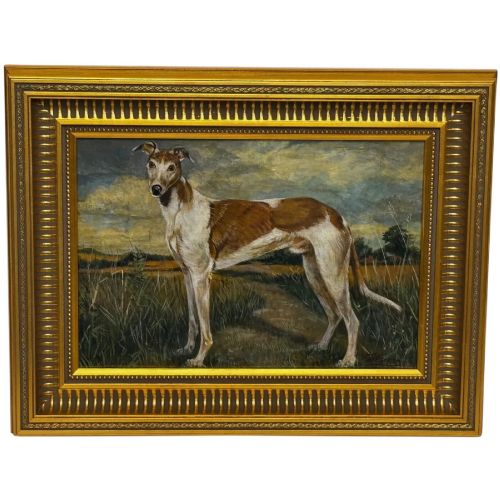
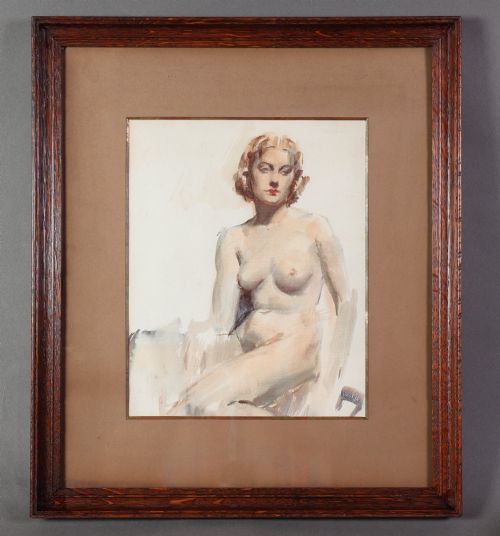
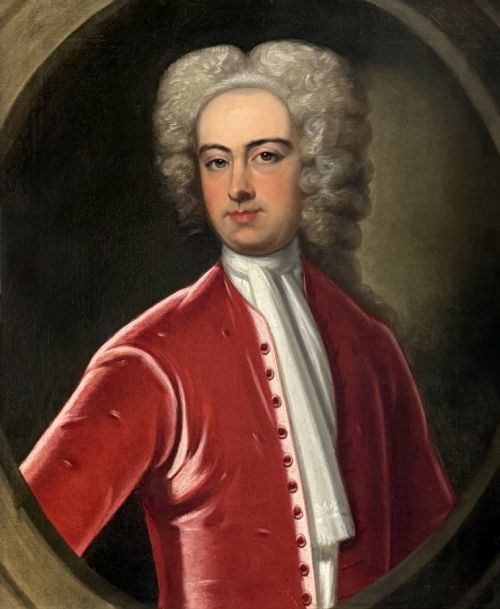
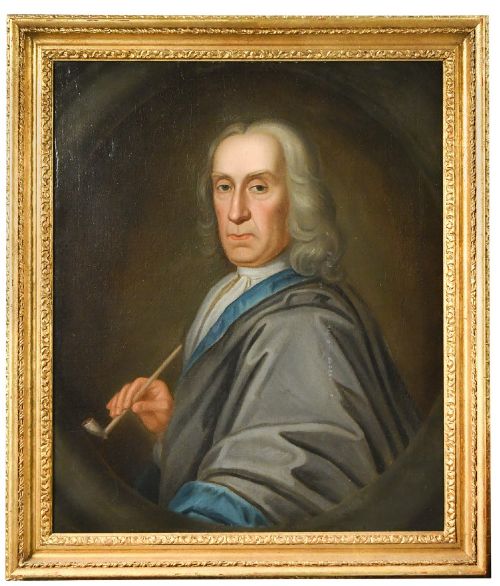
A british school portrait represents works created by artists working within Britain across the seventeenth, eighteenth, nineteenth and twentieth centuries. These pieces range from formal aristocratic commissions and provincial depictions to intimate miniature studies and domestic animal paintings.
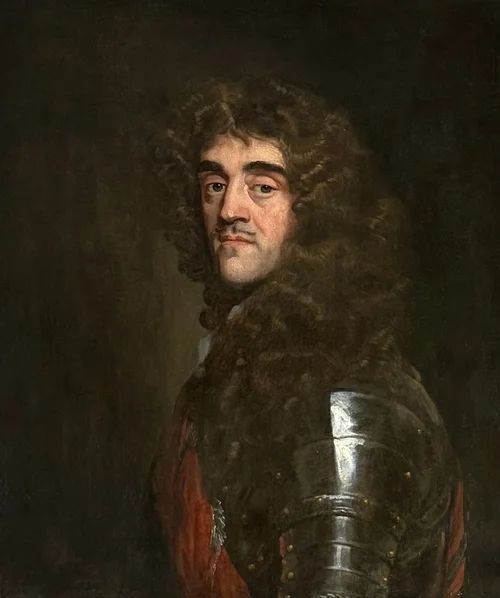
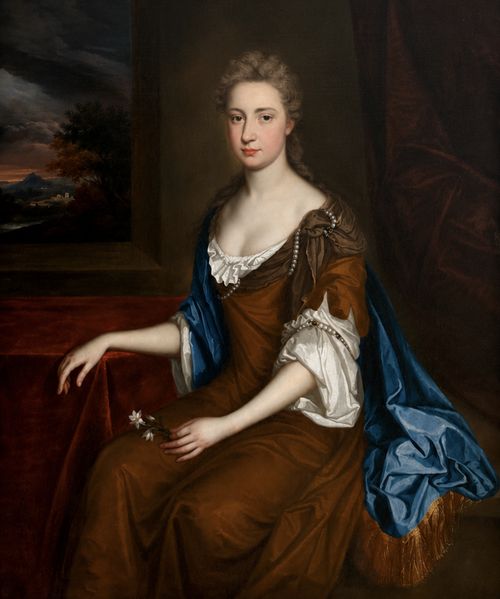
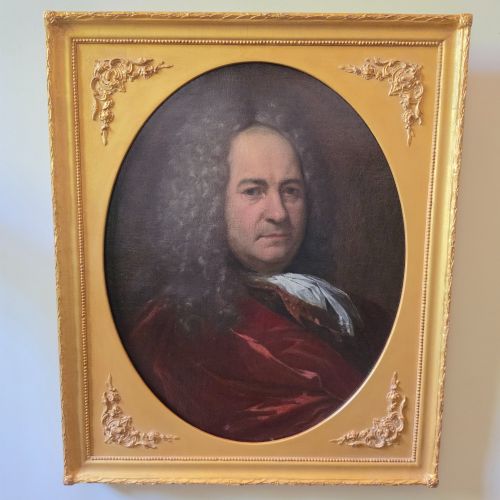
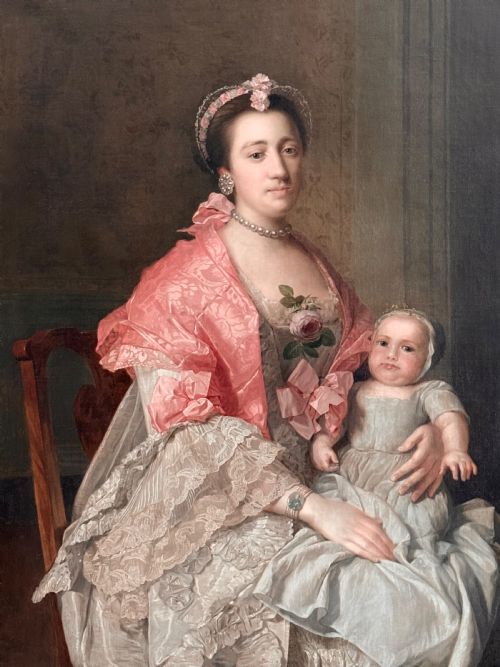
Buyers frequently encounter anonymous works alongside pieces attributed to named studios or circles of prominent painters. The subjects span gentlemen in armour, ladies in lace collars, children with fruit baskets and regional officers.
What varies in quality
The sophistication of brushwork and the psychological depth of the sitter distinguish exceptional works from standard provincial output. Superior examples demonstrate a confident handling of light on drapery and a lifelike rendering of the eyes and hands.
The condition of the painted surface, the presence of original framing and the clarity of historical inscriptions or provenance on the reverse heavily influence the standing of an individual piece.
British School Portrait Retail Price Guide 2026
Typical asking prices for british school portrait among the pieces listed under this phrase on Sellingantiques today, from the lower quarter to the upper quarter. They describe what is for sale here now, not the wider market.
Several canvases capture not just nobility, but prized shorthorn bulls, cartographers, and dogs sharing the frame with their owners.
SIR WILLIAM BEECHEY R.A·CHARLES JERVAS·SIR GODFREY KNELLER·SIR JOSHUA REYNOLDS·HAROLD KNIGHT RA
The British School Portrait Glossary
- British School
- A designation used for paintings created in Britain by artists whose specific individual identities remain unrecorded or part of a broader stylistic circle. This term encompasses centuries of domestic artistic production.
- Oil on Canvas
- A traditional painting medium where pigmented oils are suspended in a drying oil and applied to woven fabric stretched across a wooden frame. This technique allows for subtle blending and rich colour depth.
- Portrait Miniature
- A small, highly detailed painting, often executed on vellum, card or ivory, designed for intimate personal display or carriage. These delicate works frequently date from the Georgian and Victorian eras.
- Giltwood
- Wood, typically carved timber or gesso over wood, coated with a thin layer of gold leaf. Period frames utilising this finish complement the tonal qualities of historical oil paintings.
British School Portrait: Frequently Asked Questions
How do I date an antique portrait?
Dating relies heavily on the style of the sitter's clothing, hairstyle and collar, as well as the preparation of the canvas and the construction of the frame. Inscribed details on the reverse often provide specific dates or names of the subjects.
Examinations of the stretcher frames and nail types can also offer clues to the age of the physical object.
What does attribution to a circle mean?
An attribution to a circle or follower indicates that the work was created by an artist closely associated with a master painter, often working in the same studio or heavily influenced by their distinct style. These pieces date from the same period as the named master.
Such works reflect the prevailing techniques and aesthetic standards of a prominent artist's immediate professional orbit.
How should I care for an oil portrait?
Oil paintings require stable indoor humidity and protection from direct sunlight to prevent the canvas from sagging and the pigments from fading. Dusting should be done gently with a soft, dry brush without applying pressure to the painted surface.
Avoiding extreme temperature fluctuations ensures the wood and canvas substrates remain stable over decades.
Why are some portraits unnamed?
Many historical sitters and painters were unrecorded because formal documentation was lost or because the commissions were provincial and private. Anonymous works were common outside major metropolitan art centres.
Over time, family trees parted from the artworks, leaving the identity of the individual subject to be lost to history.