
19th Century Male Portrait
A 19th century male portrait captures the likeness of gentlemen, officers, and scholars through the intimate lens of Regency and Victorian observation.
19th Century Male Portrait
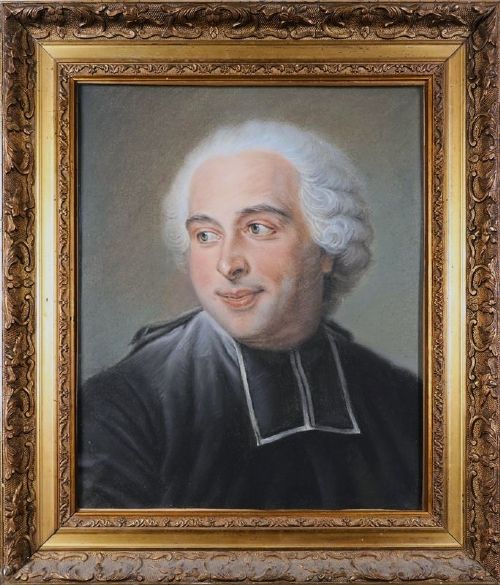
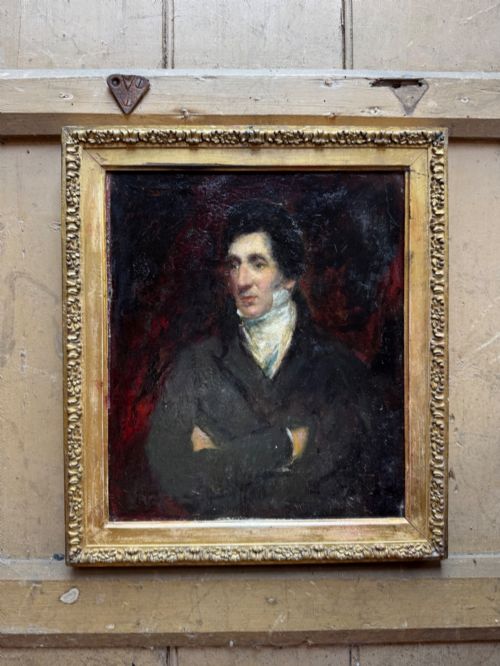
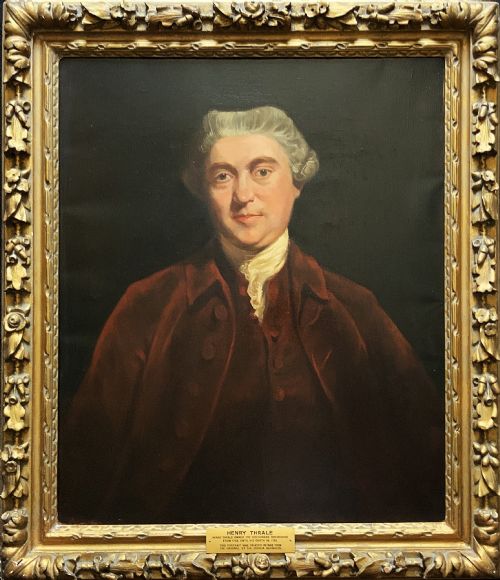
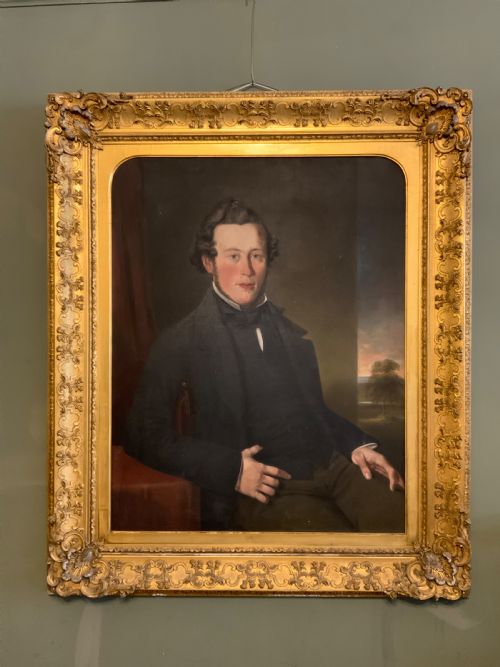
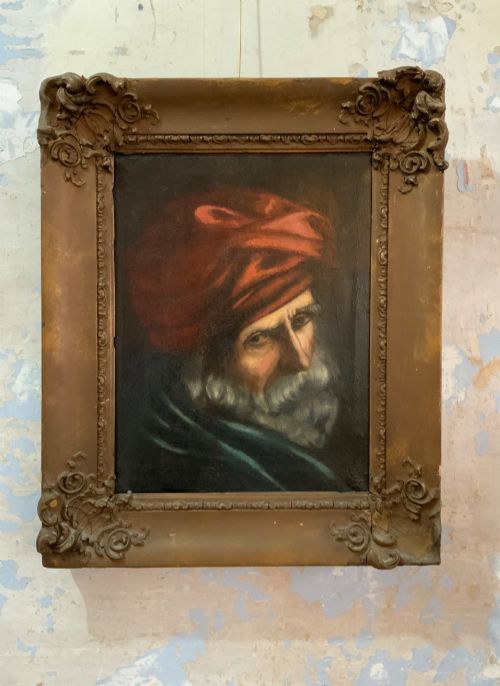
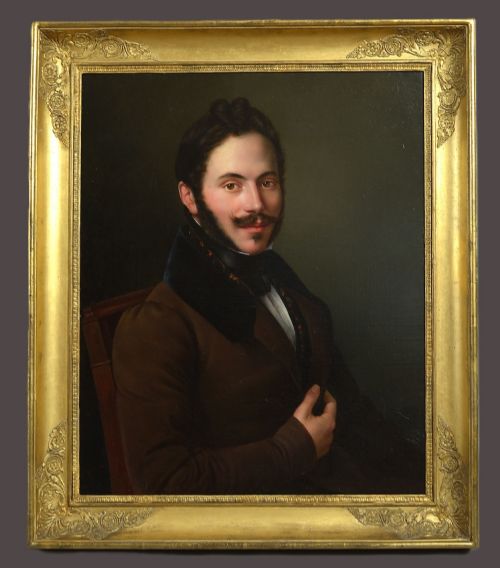
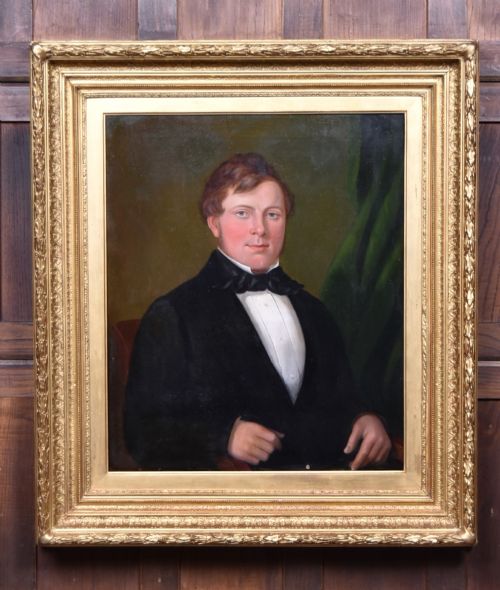
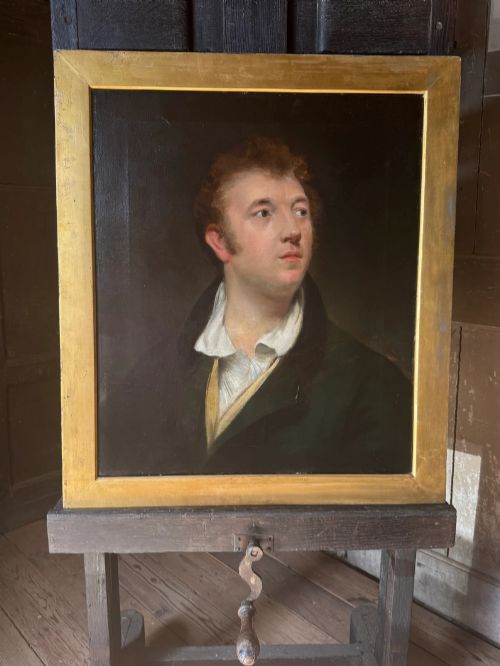
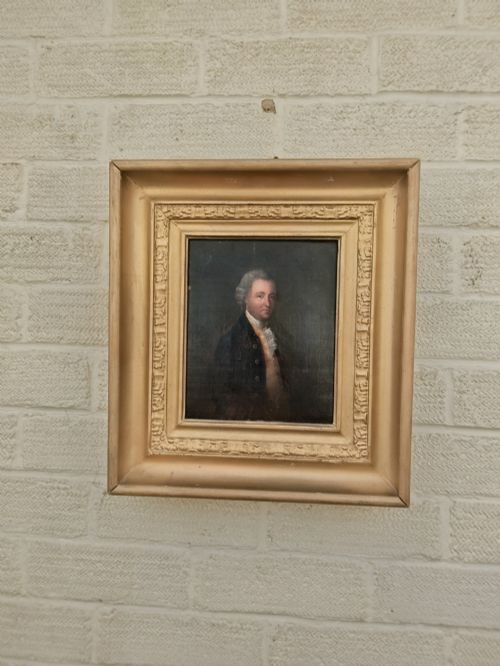
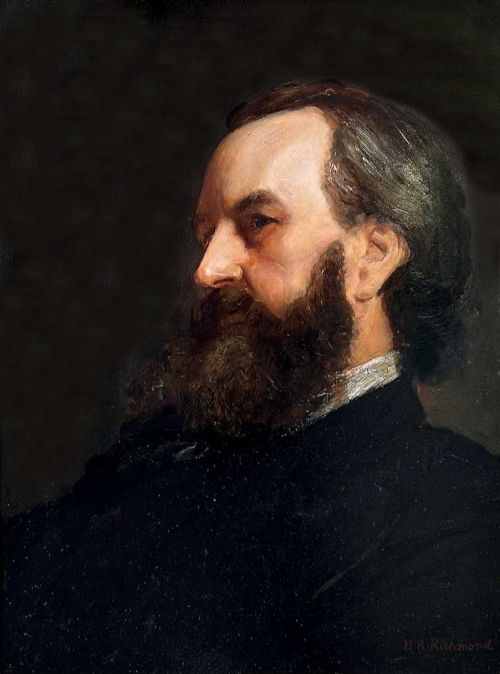
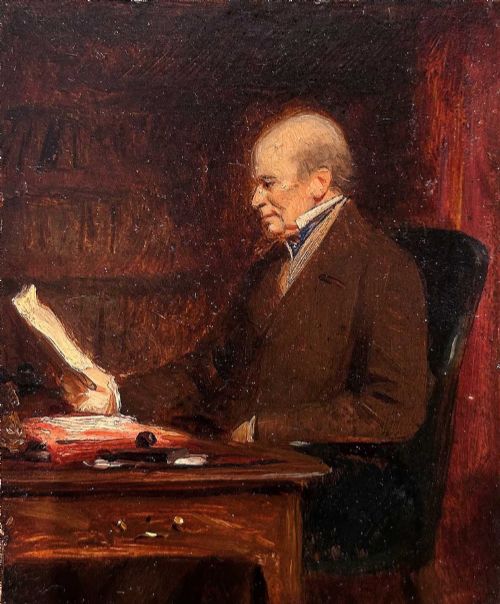
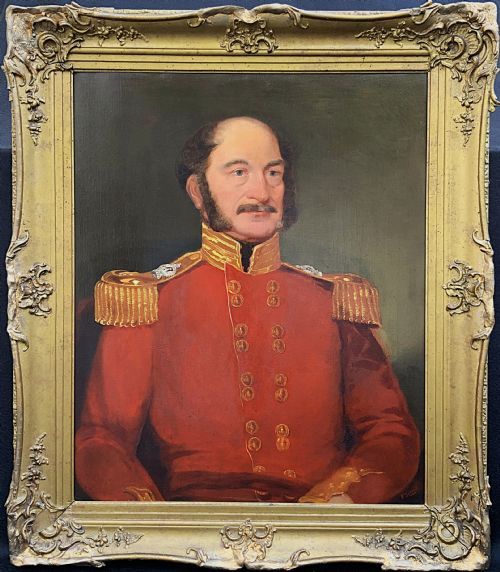
A 19th century male portrait typically presents oil on canvas paintings of seated gentlemen, military officers, and historical figures. These works span the Regency, Victorian, and later periods, offering a direct window into historical attire and social standing.
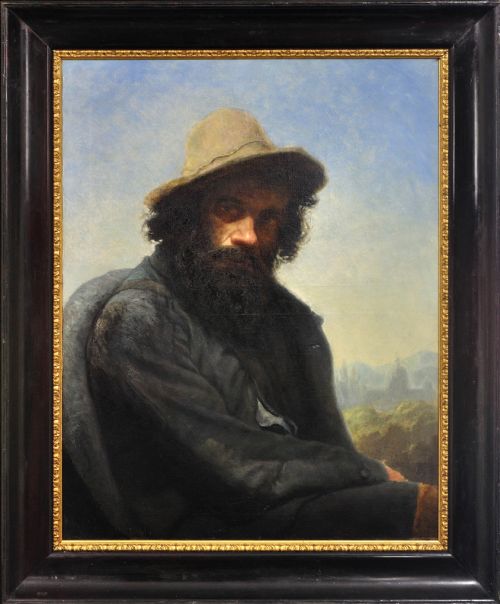
Buyers will encounter framed oil paintings alongside watercolours, charcoal drawings, and occasional carved marble busts or porcelain figures. The subjects range from identified sitters with documented biographies to anonymous studies of men in traditional or military uniform.
Most pieces originate from British, French, or wider European schools, reflecting academic realism, romanticism, or regional folk traditions. The common thread is the focus on the individual male subject, rendered with varying degrees of formal academic precision.
Materials and construction
Paintings in this category rely primarily on oil paint applied to stretched canvas, wooden panels, or occasionally paper and card. Artists utilised ground pigments mixed with oil to build depth, texture, and tonal gradation across the subject's face and clothing.
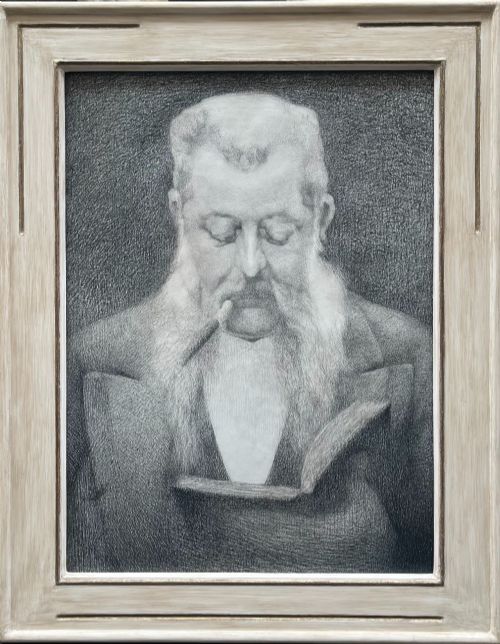
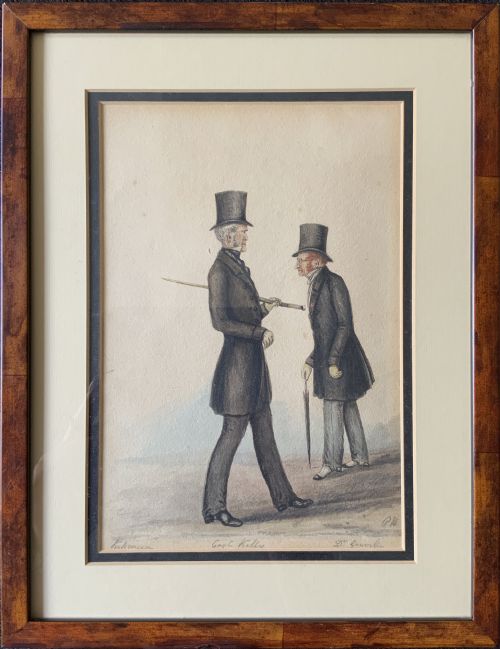
Works on paper employ charcoal, pastel, or watercolour media to achieve finer linear detail or softer atmospheric effects. Finished pieces were typically mounted behind glass or housed within heavy giltwood and gesso frames contemporary to the artwork.
19th Century Male Portrait Retail Price Guide 2026
Typical asking prices for 19th century male portrait among the pieces listed under this phrase on Sellingantiques today, from the lower quarter to the upper quarter. They describe what is for sale here now, not the wider market.
Listings feature oil on canvas, wood panels, watercolours, and carved marble representing Regency and Victorian aesthetics.
Judging quality in portraiture
Quality rests primarily on the artist's ability to render anatomical structure, psychological depth, and the convincing play of light across fabric and skin. Superior works display confident brushwork and subtle tonal control that bring the sitter's expression to life.
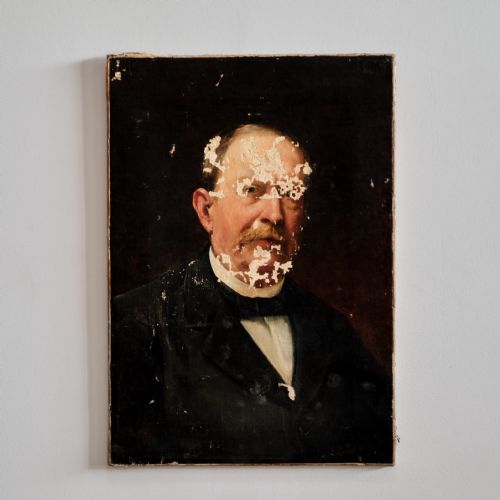
The integrity of the original support, the stability of the pigment layer, and the presence of a matching period gilt frame heavily influence the desirability of the piece. Works retaining documented provenance or attribution to recognised academic painters generally command greater historical interest.
Maurice Quentin de la Tour·Sir Joshua Reynolds·Edouard Pingret·James Howe·William Blake Richmond·Stephen Pearce·Albin Mattenheimer·Bertram Priestman·Henry Arthur Roberts·Ferdinand Victor Leon Roybet
The 19th Century Male Portrait Glossary
- Regency
- A style period spanning the early 19th century, characterised by neoclassical elegance and restrained ornamentation. Portraits from this era often show sitters in high-collared coats and cravats.
- Victorian
- The period covering the reign of Queen Victoria, marked by diverse artistic movements including academic realism and romanticism. Works from this time frequently display heavier framing and more theatrical lighting.
- Giltwood
- Wood carved and covered with a thin layer of gold leaf or gold paint. This material is commonly found on the decorative frames housing period paintings.
- Genre portrait
- An artwork depicting a subject in an everyday scene or narrative context rather than formal pose. These pieces offer insight into the daily activities and social customs of the era.
- Academic realism
- A style of painting produced under the influence of European academies of art, emphasising precise drawing, idealized forms, and careful adherence to traditional techniques.
19th Century Male Portrait: Frequently Asked Questions
How can I date a 19th century male portrait?
Dating relies heavily on the sitter's clothing, hairstyle, and facial hair, which shifted rapidly from the clean-shaven Regency neckcloths to the bearded Victorian waistcoats. Examination of the canvas weave, stretcher frames, and any inscriptions or labels on the reverse provides further chronological clues.
Style also offers guidance, transitioning from neoclassical restraint in the early decades to richer, more textured academic realism as the century progressed. Comparing the technique to dated works by similar regional schools helps narrow the window of creation.
How were these portraits displayed originally?
Portraits of gentlemen were traditionally hung in the public rooms of country houses, townhouses, and institutional halls to project status, lineage, or professional achievement. They occupied prominent positions above mantelpieces or along panelled corridors.
The heavy giltwood frames designed for these pieces were intended to catch candlelight and separate the painted space from the domestic interior wall. Today, they translate well into both traditional and contemporary interiors as focal points for a room.
Are all sitters in these portraits identified?
Many sitters remain anonymous, as the passage of time often separates a painting from its paper records, family bibles, or estate inventories. Unidentified portraits were frequently treated as decorative or historical examples of period fashion rather than records of specific individuals.
When a name is present, it is usually inscribed on the canvas reverse, recorded in an old framing label, or supported by family provenance. Identified figures often include military officers, clergymen, and local dignitaries whose lives were documented in contemporary records.