
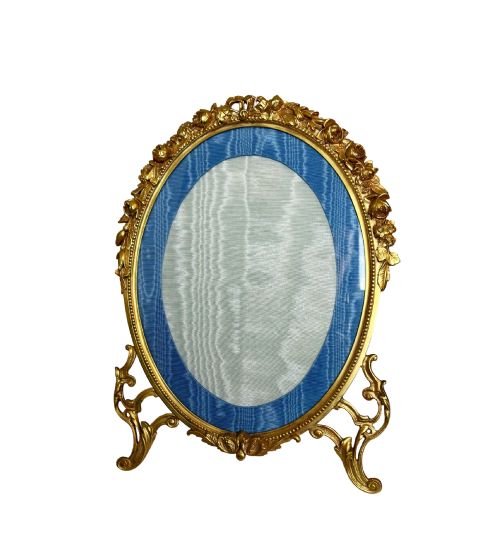
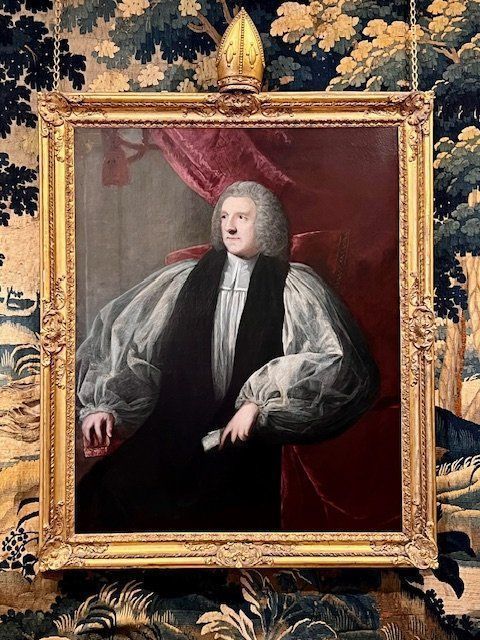
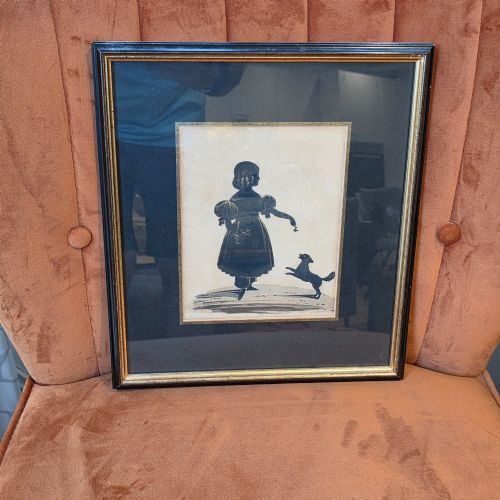
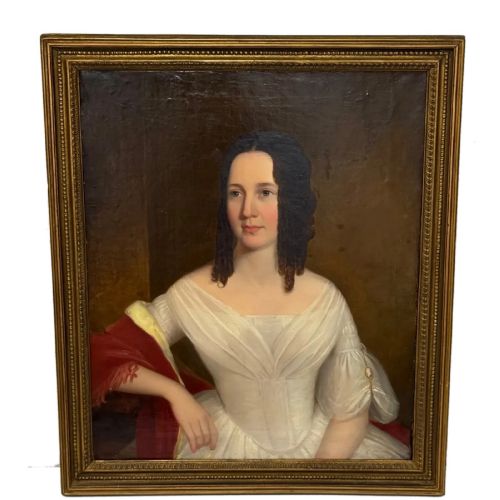
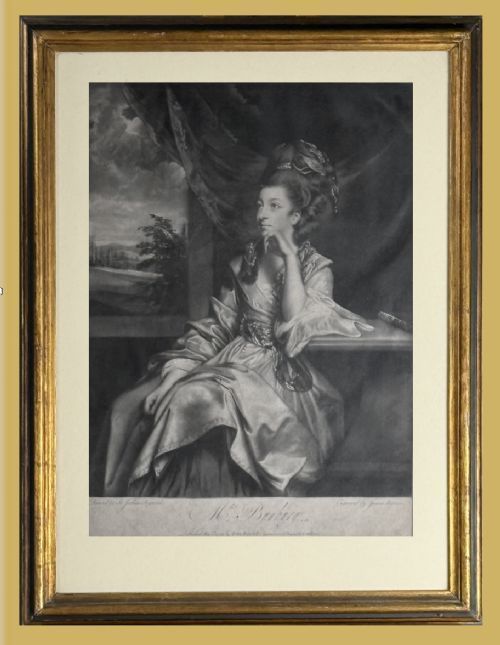

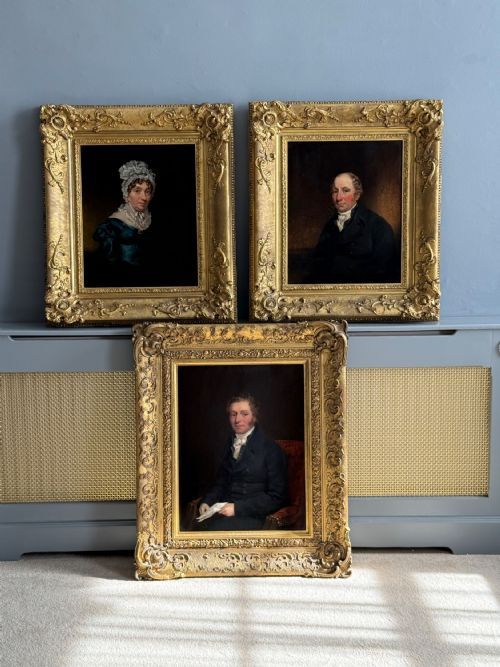
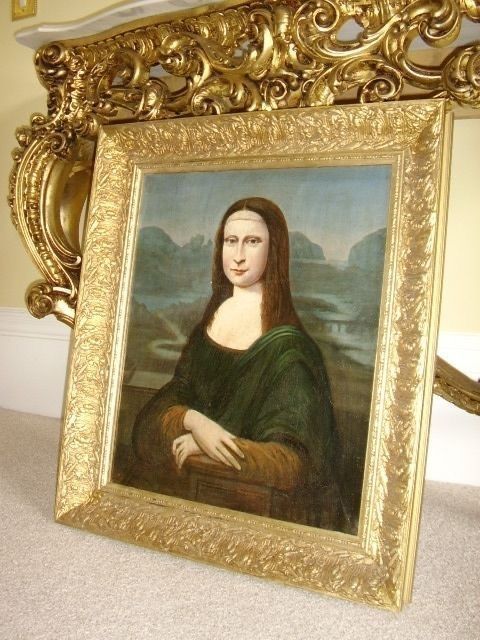
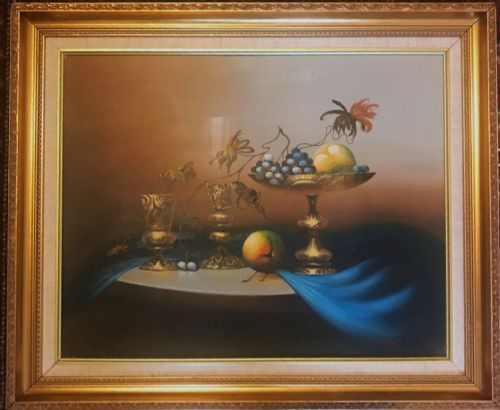
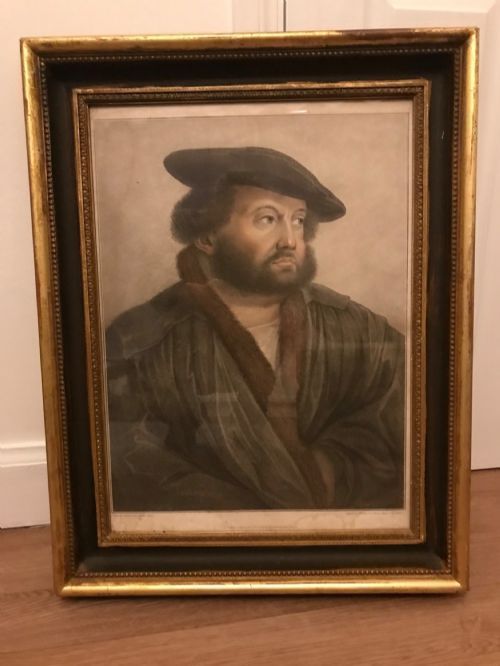

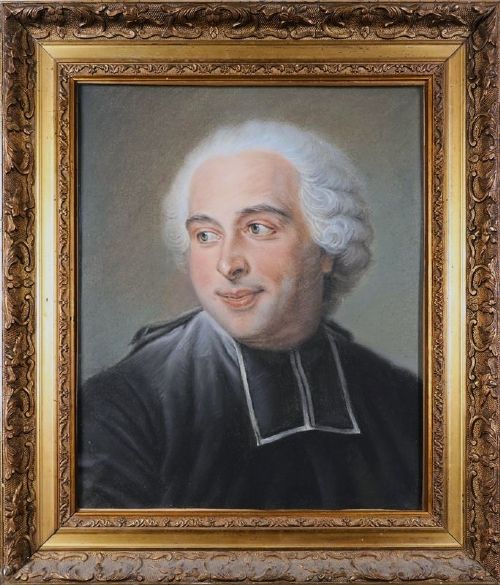
Antique Portrait in Gilt Frame
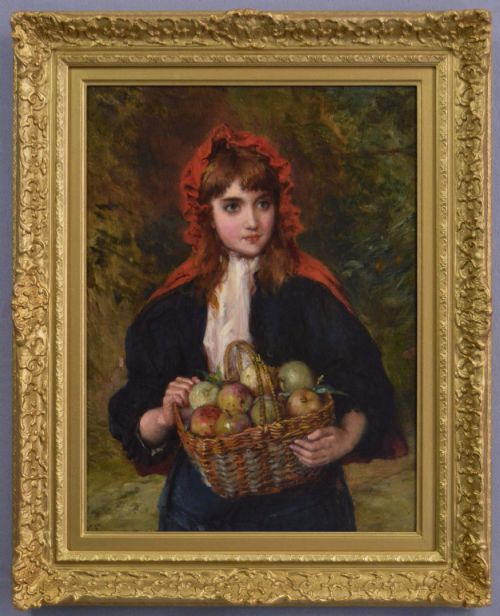
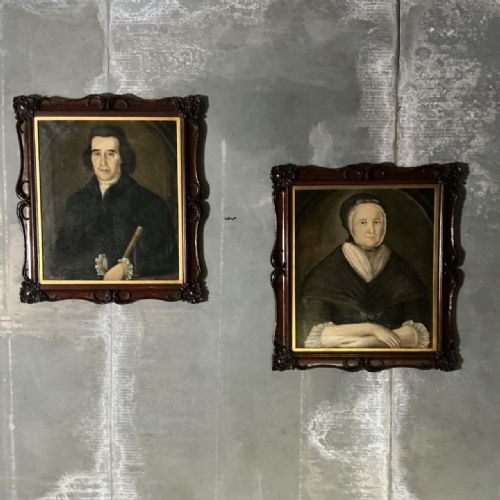
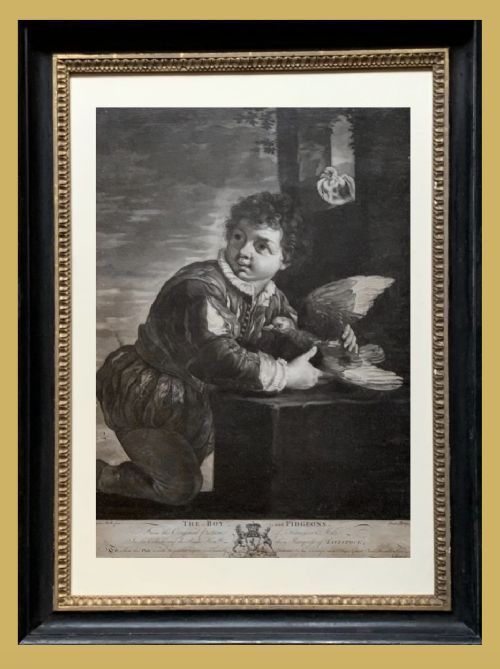
An antique portrait in gilt frame brings historic presence to a room, offering the compelling gaze of a sitter preserved in oil, pastel, or watercolour.
Understanding the antique portrait in gilt frame
An antique portrait in gilt frame captures the likeness of historical sitters, ranging from naval captains and earls to young girls and scholars. These works bridge centuries of human history, preserved through meticulous portraiture.
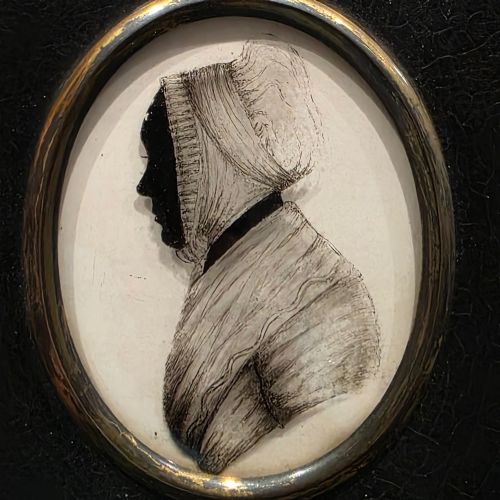
The selections available here span from the early eighteenth century through the Regency era and into the twentieth century. They encompass grand oil paintings on canvas, delicate pastels on paper, and intimate portrait miniatures.
Originating predominantly from British and European schools, with occasional Anglo-Chinese interpretations, these pieces reflect the shifting social and artistic conventions of their respective periods.
Materials and construction
Artisans applied oil paint to stretched canvas or wooden panels, whilst others worked in pastel and watercolour on paper or board. These pigments were carefully layered to capture the complex tones of human skin, fabric folds, and period dress.
The frames themselves utilise carved giltwood, gilt metal, and gilt wood, fashioned into ornate, decorative, or restrained profiles. Gilding was applied over prepared wooden substrates to create a luminous metallic finish that complemented the artwork within.
Retail Price Guide 2026
Typical UK retail prices for portrait in gilt frame, calculated from the Sellingantiques database of over a million retail prices indexed since 2003. This retail price guide relies exclusively on Sellingantiques data; no external sources or auction records are used, so the figures do not describe the wider market.
Several sitters share wall space with faithful family pets, capturing canine companions peering out from beneath forest canopies.
Distinguishing quality across pieces
The skill of the artist dictates the psychological depth and anatomical accuracy of the sitter, separating proficient studio output from masterwork portraiture. Subtlety in handling light and shadow across the face remains a primary indicator of artistic mastery.
The craftsmanship of the accompanying frame influences overall merit, with hand-carved giltwood mouldings representing a higher order of decorative arts than simpler applied gilt metal frames. Originality of the framing partnership enhances historical integrity.
Leon Sprinck·Sir Godfrey Kneller·Bennett Hubbard·John Syme RSA·Robert Surtees Snr
The Antique Portrait in Gilt Frame Glossary
- Giltwood
- Wood that has been coated with gold leaf or a gold-coloured metallic preparation. This technique provides a durable and reflective border designed to catch interior candlelight or daylight.
- Portrait Miniature
- A small, highly detailed painting, often executed on ivory, vellum, or card. These intimate works were frequently housed in protective cases or small frames for personal transport or display.
- Oil on Canvas
- A painting medium where pigments are suspended in a drying oil and applied to a woven fabric support. This combination allows for rich colour blending and longevity.
- Regency
- An early nineteenth-century period associated with classical restraint and elegance in British art and design. Pieces from this era often feature refined lines and specific costume details.
- Pastel
- A medium consisting of powdered pigment combined with a binder and pressed into sticks. It creates a velvety texture that requires protection beneath glass.
Frequently Asked Questions
How do I hang a heavy framed portrait safely?
Heavy oil paintings in substantial gilt frames require robust wall fixings, ideally anchored directly into masonry or secure wooden studs. Utilising professional picture hooks rated for the weight ensures the piece remains secure.
Position the portrait at eye level so that the sitter's gaze engages naturally with anyone entering the room. Adequate wall space allows the reflective gilt frame to catch ambient light effectively.
Should portraits with pastel be displayed in sunlight?
Pastel works and watercolours on paper are sensitive to ultraviolet light and should be kept away from direct sunbeams. Placing them on shaded walls preserves the delicate pigments from fading over time.
Ensure that the glass protecting the work does not touch the surface of the pastel. This prevents humidity from trapping moisture against the fragile chalk pigments.
How can I tell the period of a frame?
Frame styles evolved alongside artistic movements, moving from simple mouldings to deeply carved, ornate Victorian designs and Florentine giltwood work. Examining the construction corners and the composition of the gesso layer helps reveal its age.
Changes in gilding techniques and wood preparation also offer clues, though frames were occasionally replaced or updated during the lifetime of the artwork.
What is the best way to clean a gilt frame?
Dust gilt frames gently with a soft, dry brush or feather duster to remove surface particles without disturbing the metallic leaf. Avoid using water, chemical solvents, or abrasive cloths, which can strip the delicate gilding.
Professional conservators should handle any deeper cleaning or repair work on flaking gesso. Preserving the original surface patina maintains the historical character of the piece.