


Regency Miniature Painting
A regency miniature painting offers an intimate glimpse into the past through finely rendered portraits and delicate scenes.
Regency Miniature Painting
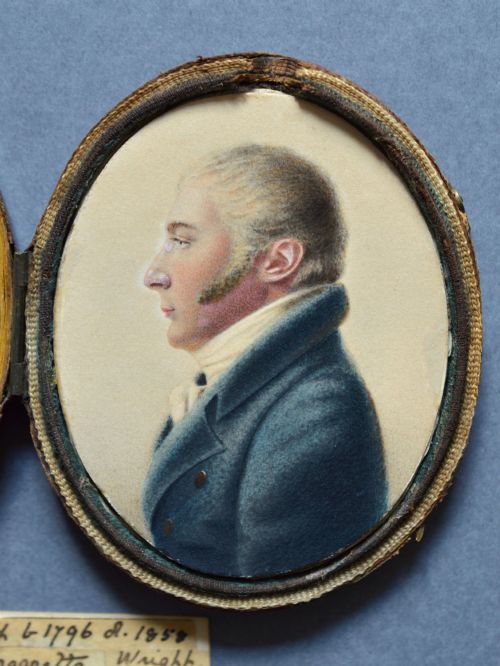
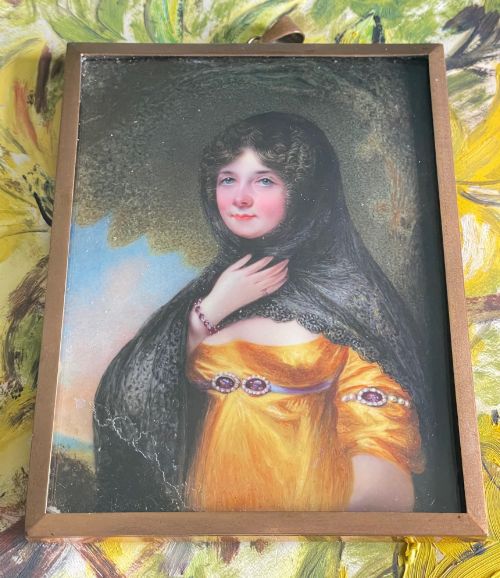
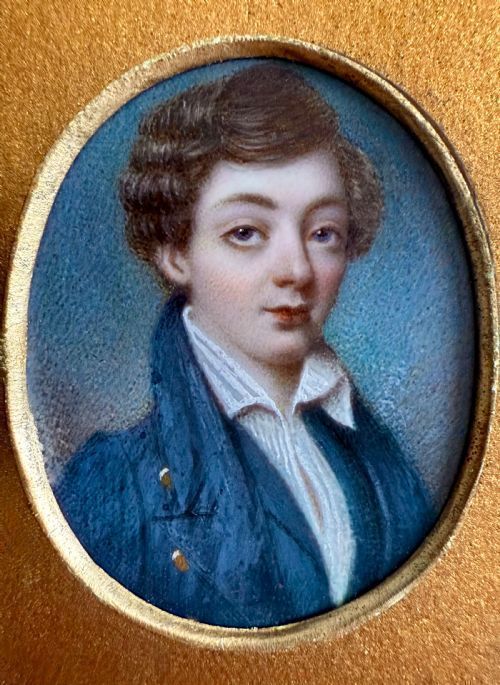
When searching for regency miniature painting, collectors encounter delicate portrait miniatures, silhouettes, and small-scale artworks that capture likenesses with remarkable precision. These pieces span the Georgian, Regency, and early Victorian periods, reflecting the tastes of an era that prized personal keepsakes.
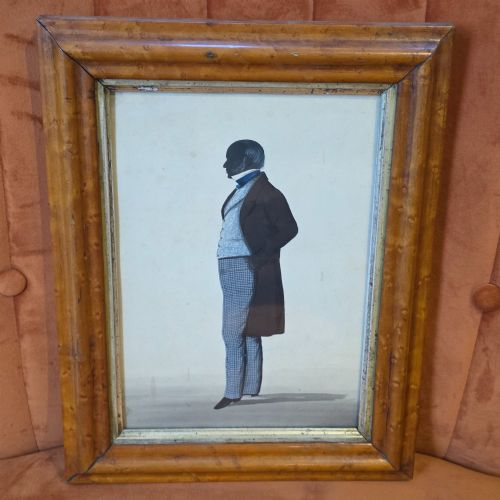
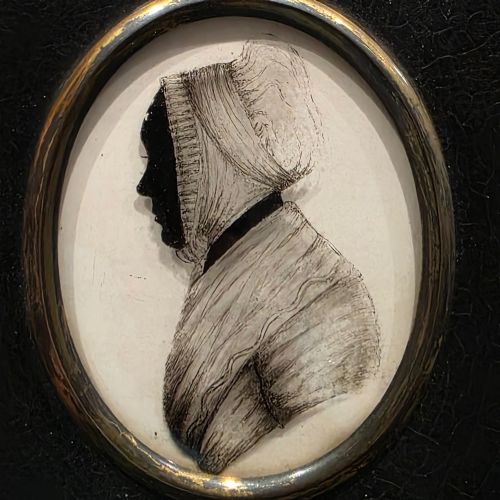
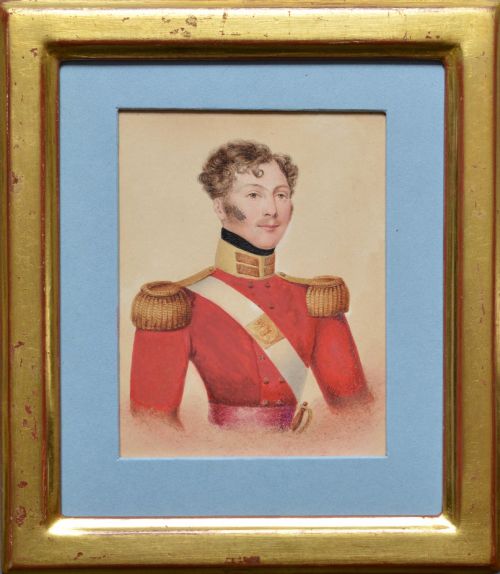
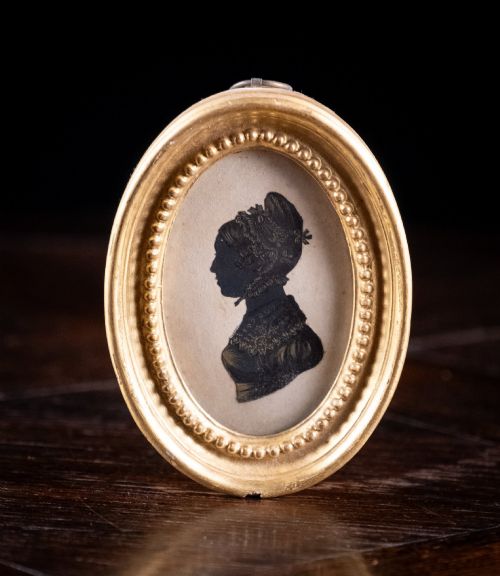
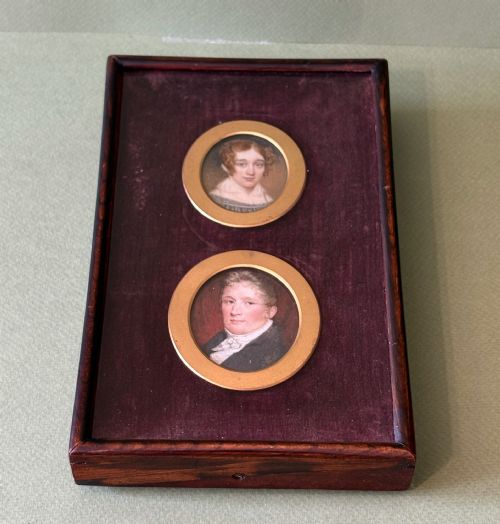
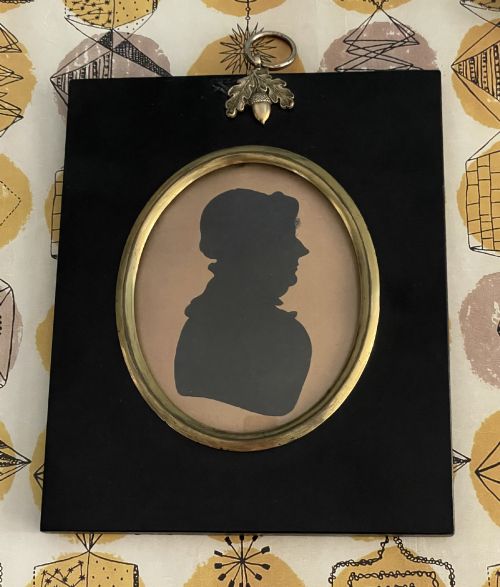
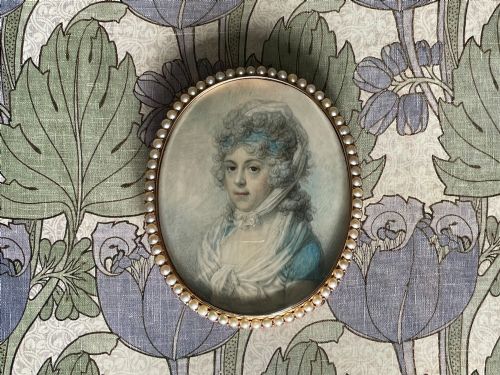
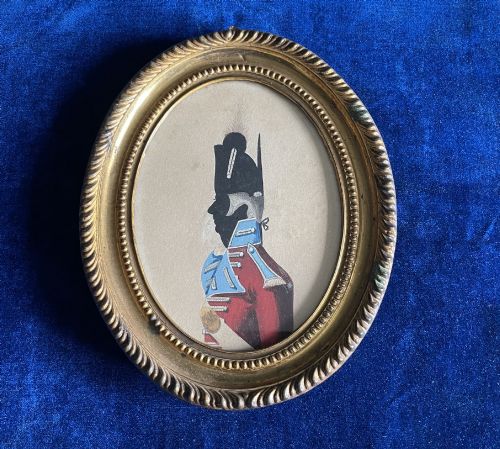
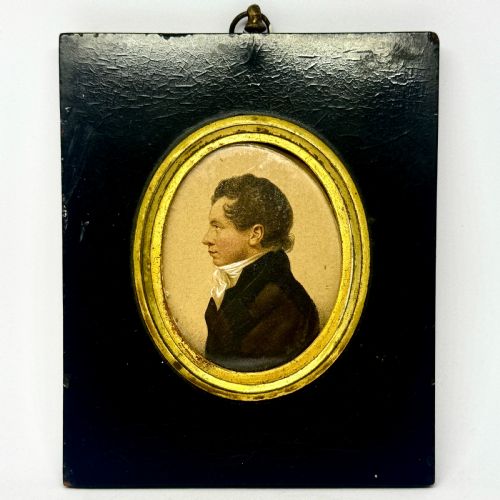
The most common formats on this page are watercolour on paper, enamel on copper or porcelain, and reverse-painted silhouettes set within ebonised wood or gilt metal frames. Subjects range from military officers and nobility to children and anonymous sitters, often presented in pairs or individual protective cases.
How they were made
Artists utilised watercolour on paper or delicate enamel plaques, building up fine detail with microscopic precision using extremely thin brushes. Many works incorporate precious materials such as gold leaf and brass, mounted within ebonised wood frames or gilt metal housings under protective glass.
Silhouette artists cut paper profiles or painted directly onto glass and plaster, sometimes adding gilded highlights to uniforms and jewellery. Enamel painters fired their pigments onto metal or porcelain bases to achieve lasting brilliance and resistance to fading over the centuries.
Regency Miniature Painting Retail Price Guide 2026
Typical asking prices for regency miniature painting among the pieces listed under this phrase on Sellingantiques today, from the lower quarter to the upper quarter. They describe what is for sale here now, not the wider market.
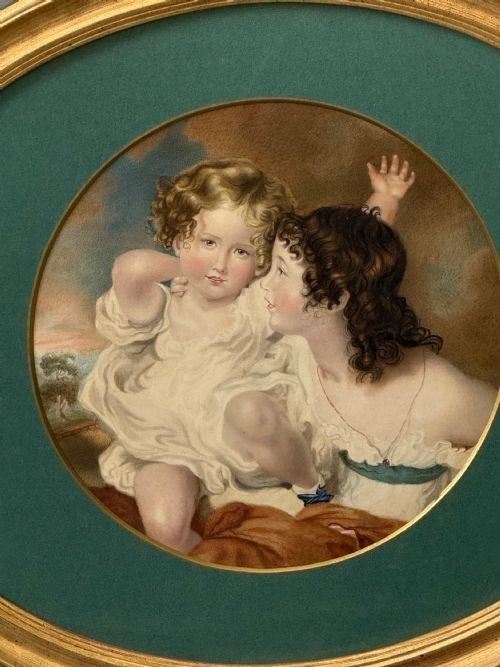
Several portraits preserve the intense gazes of children and pets who likely struggled to sit still for the artist.
What varies in quality
The distinction between average and exceptional work lies in the delicacy of the brushwork and the psychological depth of the sitter's expression. Superior pieces capture lifelike skin tones and subtle facial nuances, whereas lesser examples rely on formulaic rendering and stiff postures.
Framing and preservation also dictate the overall standard, as original ebonised frames, intact convex glasses, and legible contemporary inscriptions on the reverse enhance the integrity of the piece.
Flight Barr And Barr·James Sharples·Henry Bone·Horace Hone·Richard Cosway·John C D Engleheart·Frederick Buck·John Miers·William Egley·Albin R Burt
The Regency Miniature Painting Glossary
- Silhouette
- A portrait profile cut from dark paper or painted onto card, glass, or plaster. These works often include delicate brushwork or gold leaf highlights to define clothing and accessories.
- Enamel
- A durable glassy substance fused to a metal or porcelain backing through kiln firing. Miniature painters used this technique to create vibrant, fade-resistant portraits.
- Ebonised wood
- Timber treated with a dark stain or finish to imitate ebony. This material was frequently used for the slim, dark frames surrounding miniature paintings.
- Gilt metal
- Base metal treated with a thin layer of gold or gold-coloured wash. It provides decorative mounts and stands for small portable artworks.
- Reverse painting
- A technique where the artist paints on the back of a piece of glass so the image is viewed through the front. This method protects the pigment from dust and abrasion.
Regency Miniature Painting: Frequently Asked Questions
How were miniature paintings displayed?
These small artworks were designed to be carried in pockets, worn as lockets, or displayed on walls in tight groupings. Their portable nature allowed owners to keep likenesses of family members close at hand during travels.
Many examples retain their original hanging loops, easel stands, or fitted leather cases intended for safe storage on a desk or table.
How do I identify a Regency period piece?
Dating relies on costume details, such as high-waisted dresses for women and specific military uniforms from the early nineteenth century. Hairstyles and framing styles also provide reliable clues to the exact decade of production.
Signatures or inscriptions on the reverse of the backing card often record the sitter's name and the artist's details.
Are silhouettes considered miniature paintings?
Painted silhouettes fall within this category because they share the same scale, framing methods, and historical context as watercolours. Artists used similar techniques to capture profiles with meticulous detail.
Many silhouette artists added delicate gold highlights to enhance uniforms and gowns.
How should I care for these watercolours?
Protect the paper and pigments by keeping them away from direct sunlight and excessive humidity. Ultraviolet light causes watercolours and paper supports to fade permanently over time.
Display them in rooms with stable temperatures and ensure the original glass seals remain intact to keep out dust.