



Regency Silhouette Portrait
These regency silhouette portrait pieces capture intimate likenesses through hand-cut paper and painted glass, offering a direct window into early nineteenth-century life.
What a regency silhouette portrait is
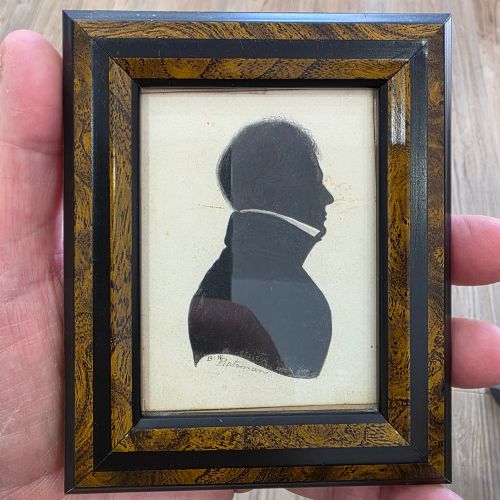
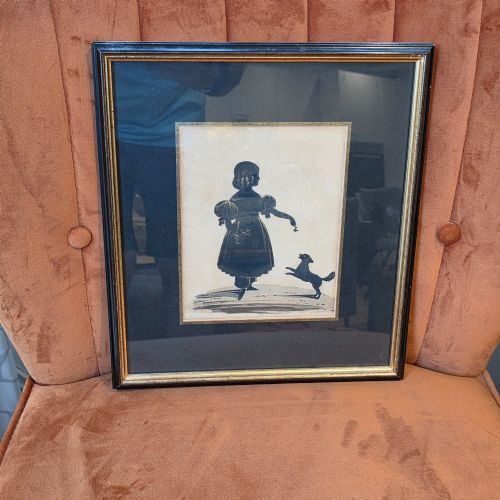
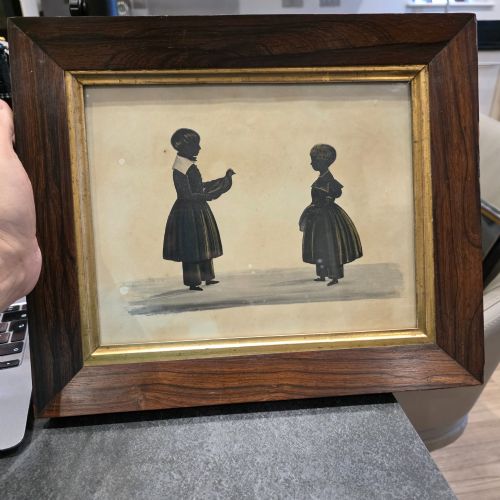
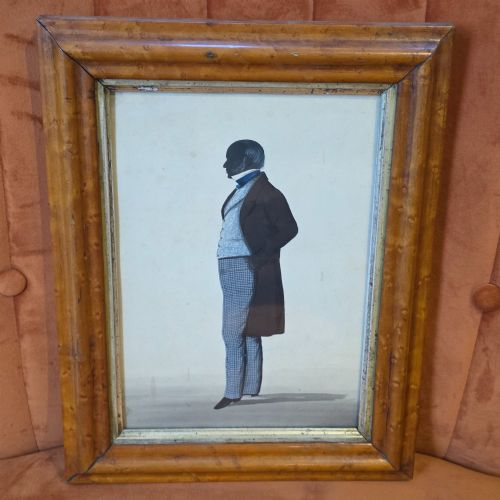
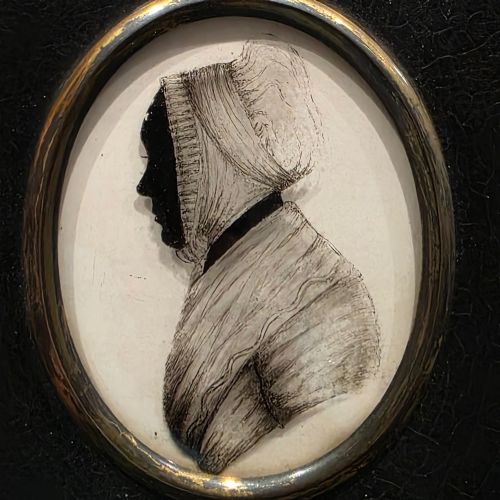
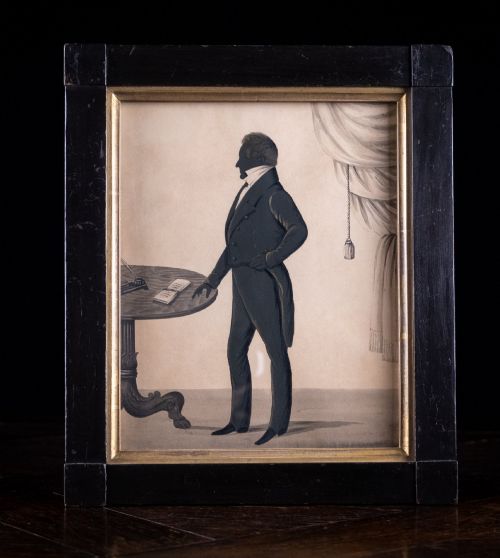
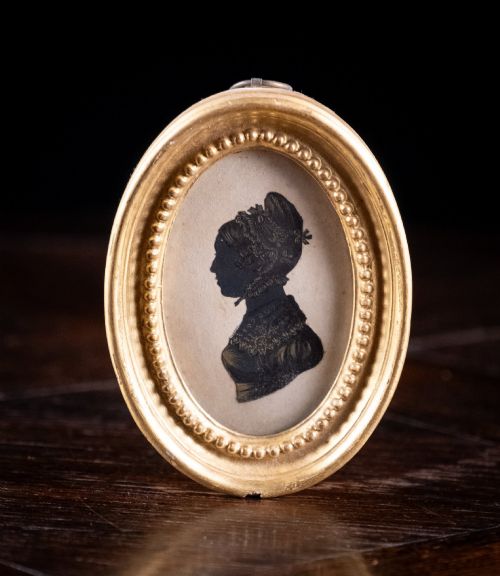
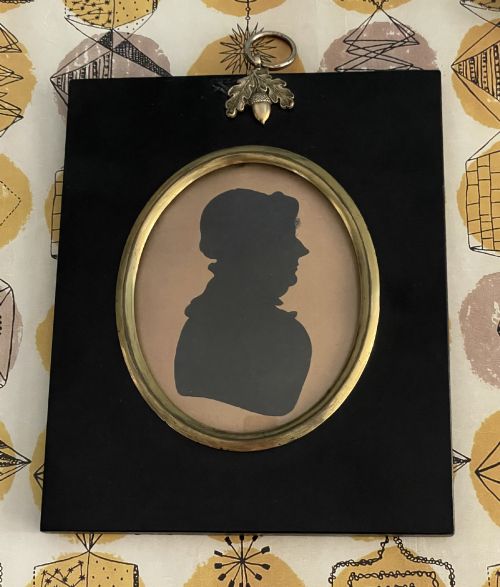
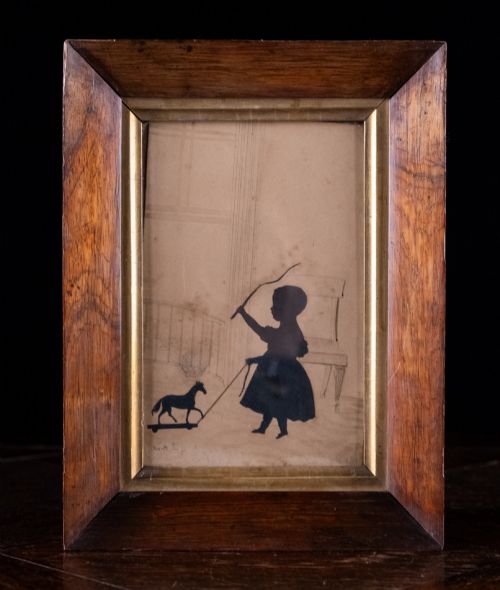
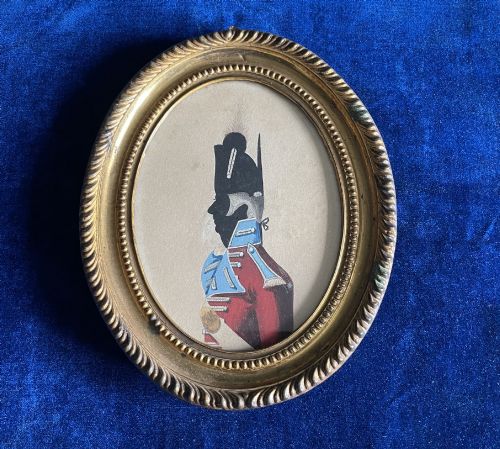
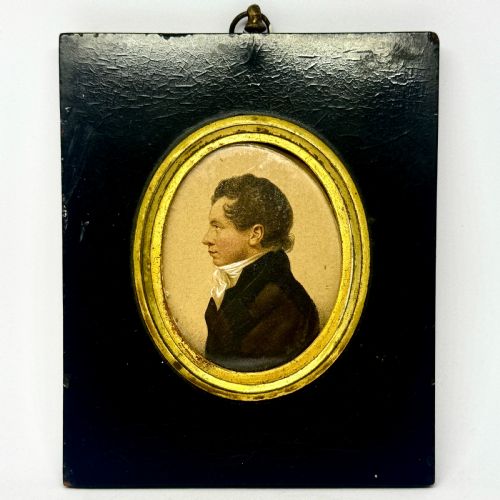
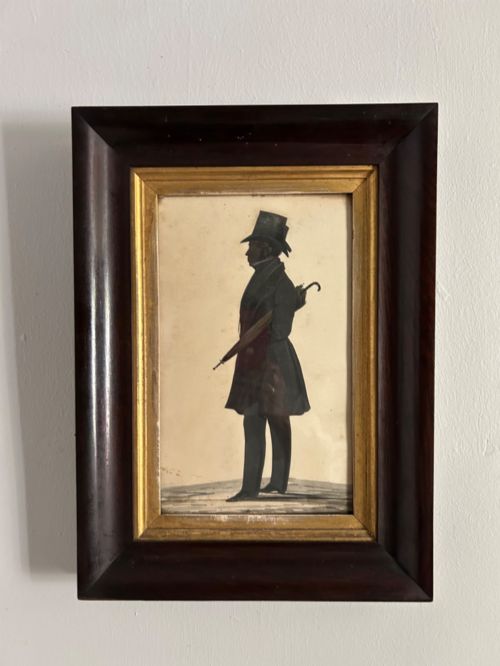
A regency silhouette portrait presents a likeness of a person in profile, rendered through cut paper or painted pigment. The forms include single figures, pairs, and groups of two girls, often framed as wall art or miniature portraits.
Most examples originate from the nineteenth century, spanning the Regency, Georgian, and Victorian periods. Buyers will encounter both gentleman and lady subjects, alongside named sitters such as Mrs Grace Williams and E. Sutton.
The evidence shows diverse formats, from ebonised oval frames to large framed works and pieces produced by specific galleries and artists. These objects function as historical wall art and miniature portraits.
How they were made
Maker techniques involve hand-cutting paper to form the profile, sometimes enhanced with gold leaf and paint. Other examples utilise reverse painting directly on glass, adding delicate colour and detail.
Framing materials documented in the evidence include brass, rosewood, and maple, enclosing the delicate paper, ink, and glass components to protect the portrait.
Retail Price Guide 2026
Typical UK retail prices for regency silhouette portrait, calculated from the Sellingantiques database of over a million retail prices indexed since 2003. This retail price guide relies exclusively on Sellingantiques data; no external sources or auction records are used, so the figures do not describe the wider market.
One cheerful Victorian silhouette grouping preserves a young girl tightly clutching a pet bird in profile.
What varies in quality
Execution separates standard examples from the finest works, seen in the precision of hand-cutting and the delicate application of gold leaf and paint. Well-executed pieces display sharp profiles and subtle detailing rather than flat, uniform shapes.
The sophistication of the framing and the inclusion of contemporary inscriptions or identified sitters elevate the character of the piece. Materials such as rosewood and maple frames alongside reverse painted glass reflect the higher tier of production.
Frith·Hubard Gallery·J. Deacon·Yeo
The Regency Silhouette Portrait Glossary
- Reverse painting
- A technique where the artist paints on the underside of a piece of glass so the image is viewed through the front. This method protects the pigment and yields a glossy finish.
- Ebonised
- Wood finished to resemble ebony, typically through dark staining or painting. This creates a high-contrast dark border around the portrait.
- Miniature
- A small-scale painting or portrait. These works are designed to be viewed closely.
- Gilded
- Decorated with gold leaf or gold paint. This adds luminous highlights to the profile.
Frequently Asked Questions
What are regency silhouettes?
These pieces are profile likenesses created through cut paper or painted glass during the nineteenth century. They capture sitters in fine detail.
Subjects range from gentlemen and ladies to named individuals and family pairs, preserved within period frames of wood and brass.
How were they displayed?
Original display typically involved hanging them on walls as framed artwork or placing them on surfaces as miniature portraits. Their compact size suited intimate domestic spaces.
Many retain their original ebonised oval frames or timber surrounds made of rosewood and maple.
How do I date a silhouette?
Dating relies on the framing materials, paper types, and costume details depicted in the profile. The transition from Georgian styles through the Regency era into the Victorian period informs the timeline.
Inscriptions on the reverse or paper labels also help anchor the piece to a specific decade or year.
Are silhouettes hand cut?
Many examples are hand-cut from paper, while others feature painted details or reverse painting on glass. Artists used scissors or knives to achieve precise facial contours.
Gold leaf was frequently added by hand to highlight clothing and accessories on the profile.