

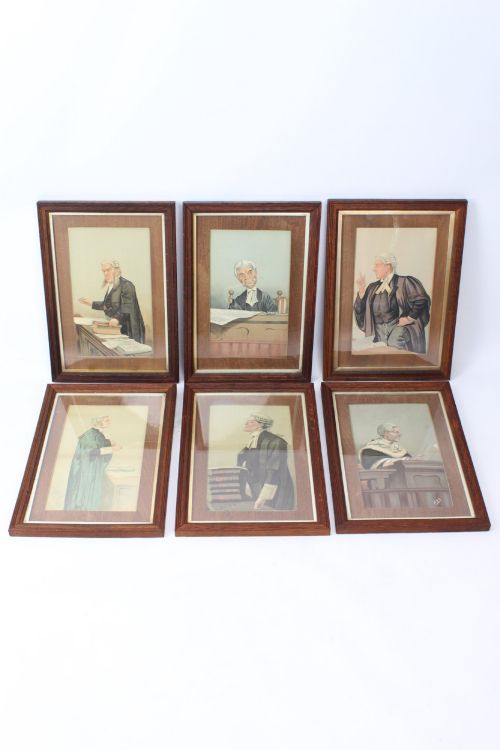
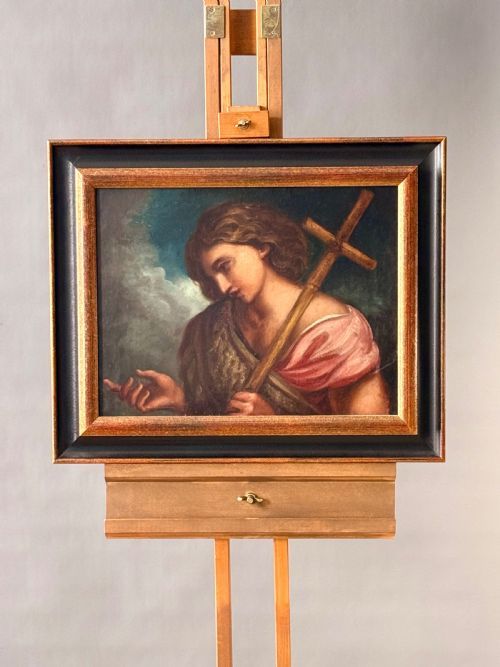
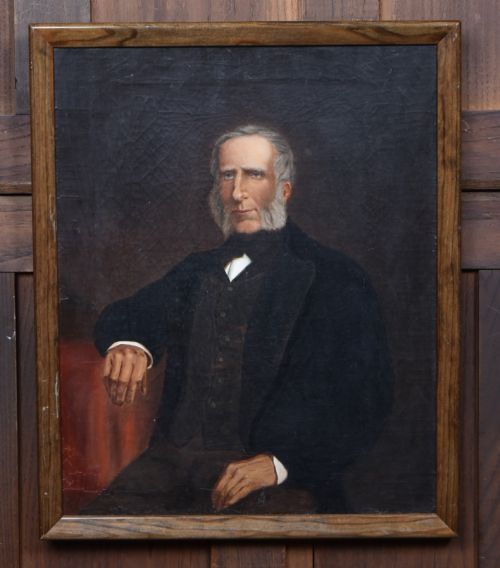
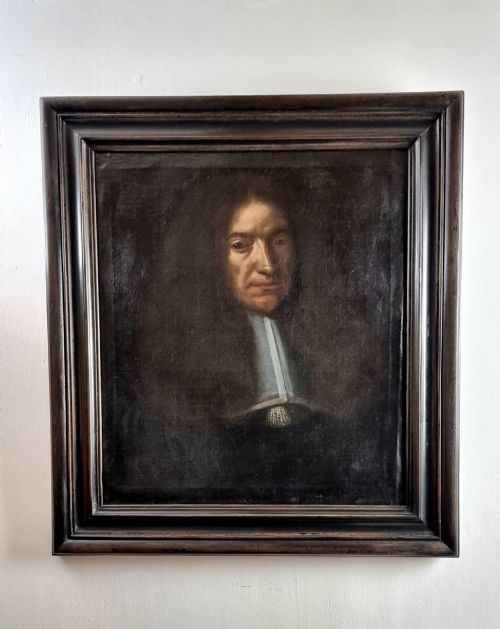
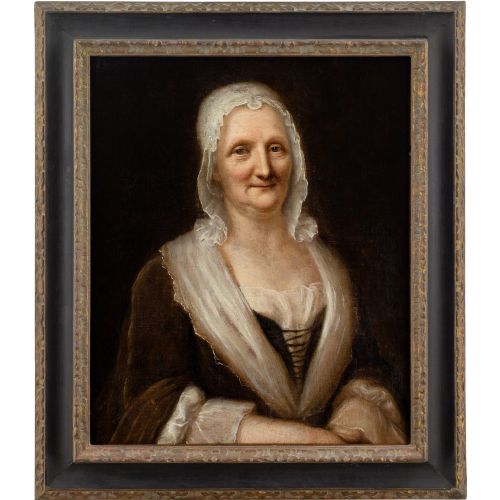
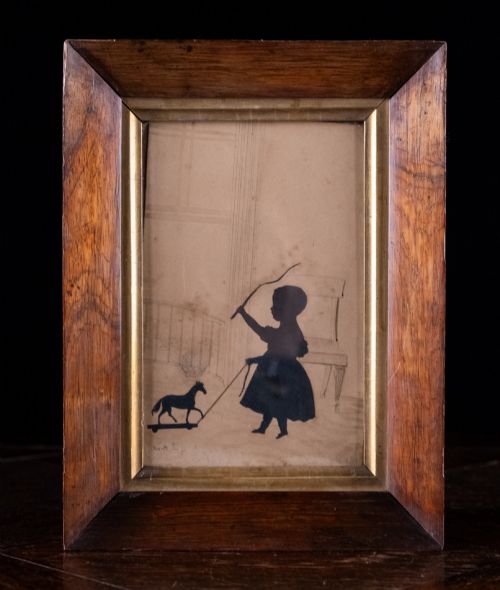
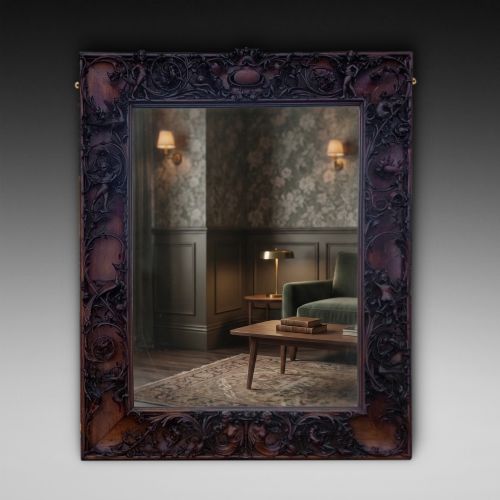
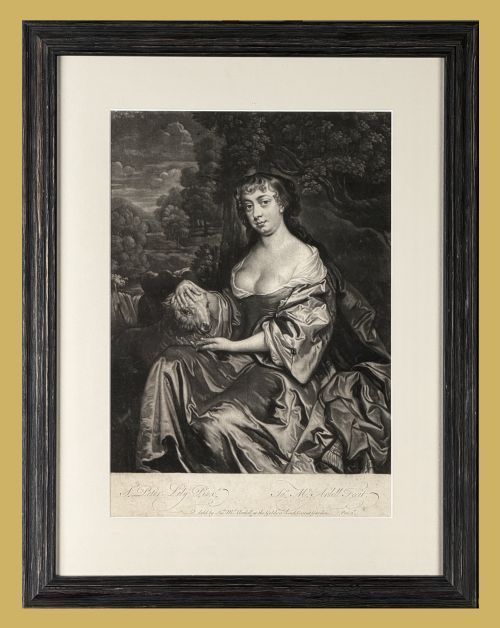
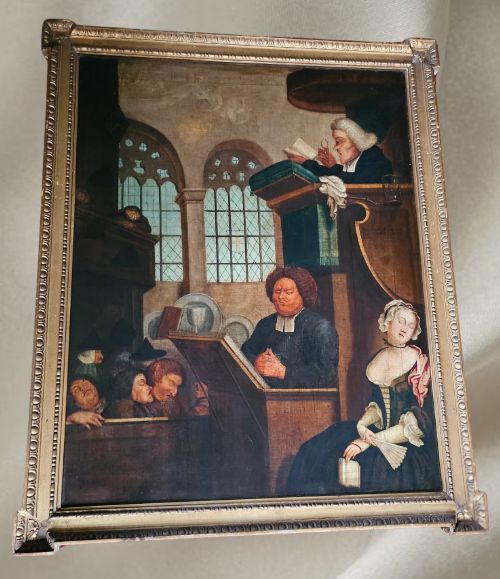
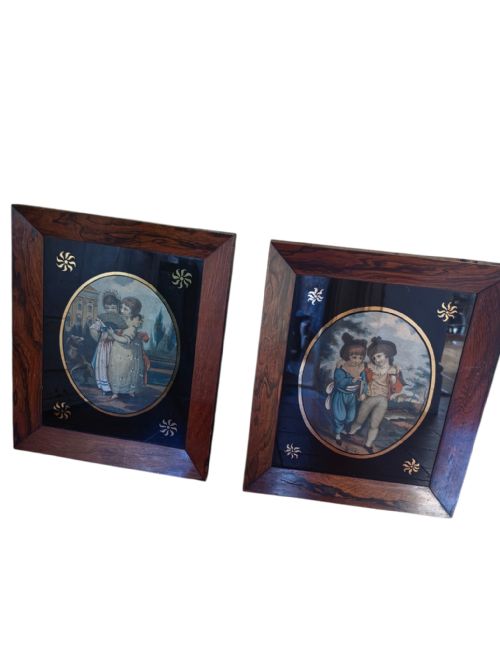
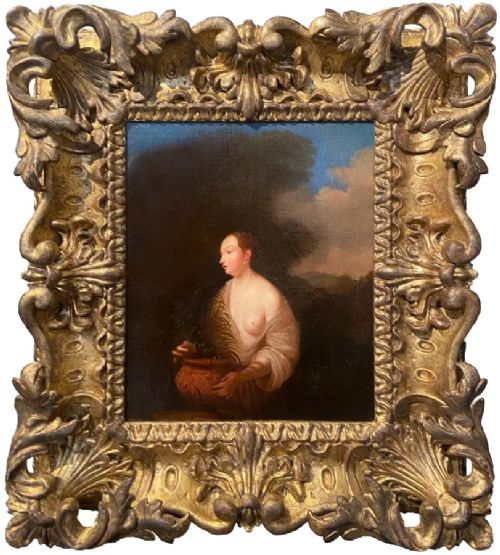
Dark Wood Framed Portrait
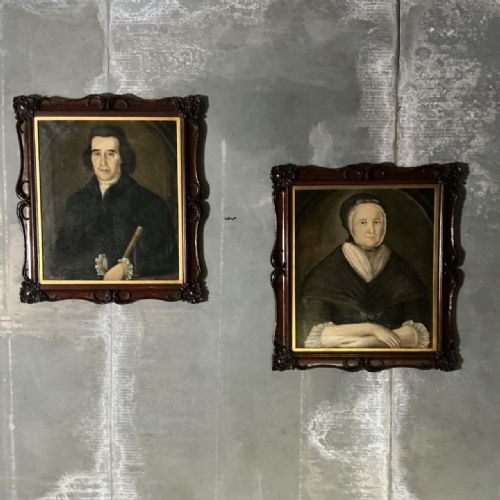
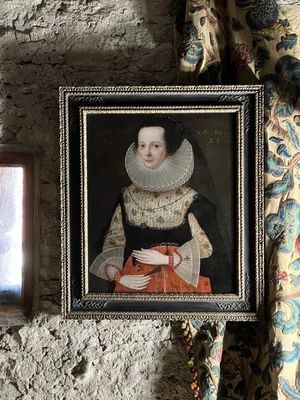
These dark wood framed portrait pieces bring centuries of character to a wall, combining rich timber mouldings with expressive historical painting.
Dark Wood Framed Portrait
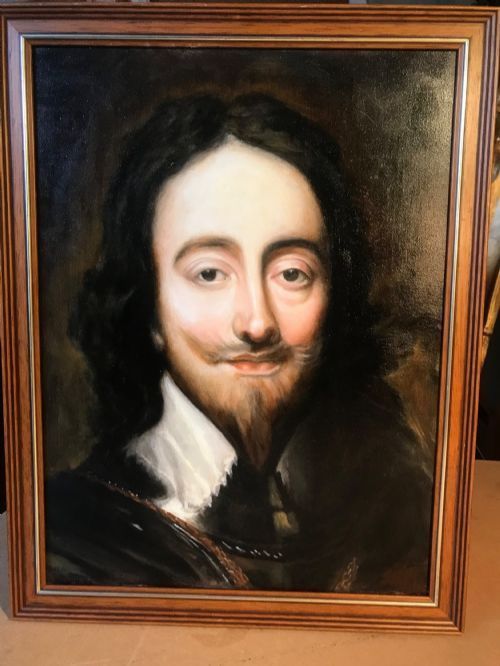
A dark wood framed portrait brings together historic imagery and substantial timber surrounds, drawing the eye directly to the painted or printed subject. Buyers seeking a dark wood framed portrait will find works ranging from seventeenth-century nobility to nineteenth-century gentlemen and children.
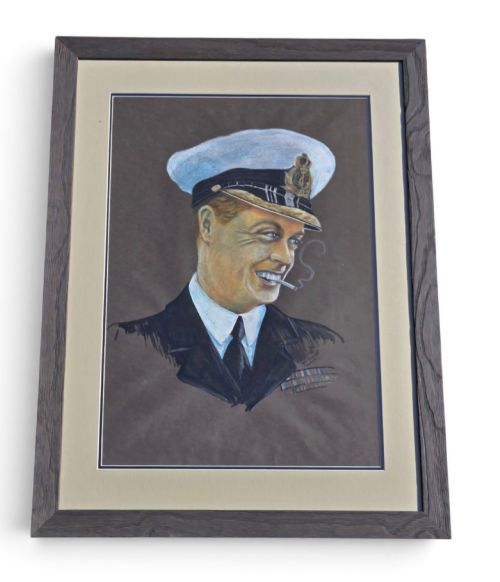
The options span oil paintings on canvas or panel, delicate watercolours, charcoal drawings, and framed prints. Many examples present deep moulded wood or rosewood frames that complement the muted tones of historical portraiture.
Materials and construction methods
Makers utilised heavy timber and wood composites to build robust surrounds, frequently finished with dark stains or polishing to achieve a sombre, weighty appearance. Paintings within these borders rely upon oil paint applied to canvas or wood panels, alongside paper works executed in charcoal, pastel, or watercolour.
Protection and presentation were achieved using sheet glass retained by timber backing boards, while select pieces incorporate gold leaf highlights within the frame profile to catch ambient light.
Dark Wood Framed Portrait Retail Price Guide 2026
Typical asking prices for dark wood framed portrait among the pieces listed under this phrase on Sellingantiques today, from the lower quarter to the upper quarter. They describe what is for sale here now, not the wider market.
Listings feature works spanning from the seventeenth century through to the Edwardian era, predominantly executed in oil on canvas and wood.
Distinguishing quality across the range
The standard of execution in the painted surface dictates the upper tier of the range, visible in the careful rendering of textiles, facial expressions, and hands. Finer examples display confident brushwork and anatomical precision, whereas simpler works rely on stiffer lines and more formulaic compositions.
The integrity and age of the timber frame also influence the piece, with original period mouldings commanding greater appreciation than later replacements.
J Brown·Anthony Van Dyck·Herskind·Augustin Edouart·James Macardell·Sir Peter Lely·William Hogarth·Toussaint Gelton·Guillaume Courtois·Jan van Staveren·Albin Mattenheimer·Cornelius Johnson·David Teniers·William Etty·Alexander Harwood
The Dark Wood Framed Portrait Glossary
- Oil on Canvas
- Pigment mixed with drying oil applied to stretched woven fabric. This medium allows for deep, rich colour blending and textured brushwork.
- Mezzotint
- A printmaking process where the copper plate is roughened to achieve rich dark tones and subtle tonal gradations. It creates velvety dark backgrounds suited to dramatic portraiture.
- School
- A group of artists working in a similar style or region during a specific period. This term denotes artistic lineage rather than a physical educational institution.
- Panel
- A flat piece of prepared wood used as a rigid support for painting. Panel paintings often predate the widespread adoption of canvas.
- Pastel
- A dry drawing medium consisting of powdered pigment and a binder. It offers soft, matte colour transitions but requires glass protection.
Dark Wood Framed Portrait: Frequently Asked Questions
How do I hang a heavy framed portrait?
Secure fixings directly into wall studs or utilise heavy-duty wall anchors rated for the combined weight of the timber frame and glass.
Ensure the hanging wire or brackets on the reverse are firmly attached to the wooden structure rather than the backing boards.
Where should I display these portraits?
Position them away from direct sunlight and radiators to protect organic materials like wood, paper, and canvas from warping or fading.
Rooms with stable ambient temperatures and moderate humidity provide the most suitable environment for preservation.
How can I tell the period of the frame?
Examine the timber construction methods, joining techniques, and surface patination visible on the reverse and corners of the moulding.
Hand-cut fixings and aged wood shrinkage often indicate greater antiquity compared to uniform modern machinery marks.
Can I clean the glass safely?
Apply a mild glass cleaner to a soft cloth rather than spraying directly onto the surface, preventing liquid from seeping beneath the rebate.
Keep moisture entirely away from exposed canvas edges, pastels, and unsealed paper works during cleaning.