
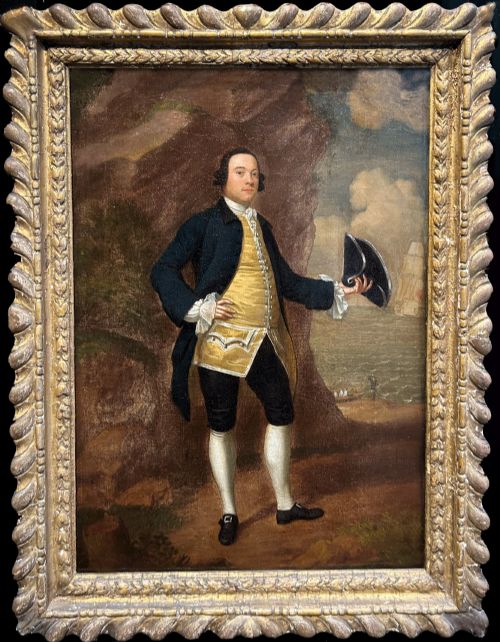
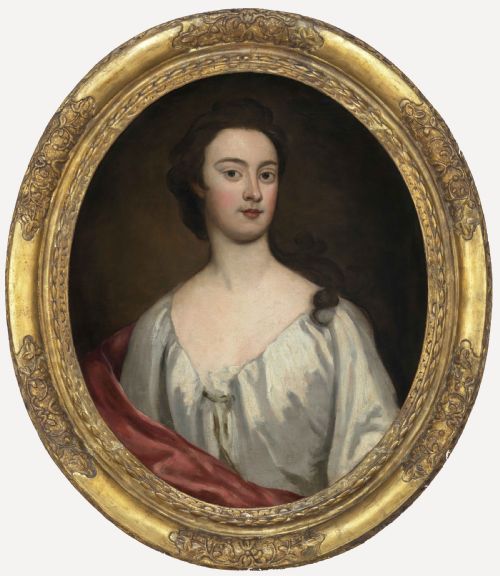
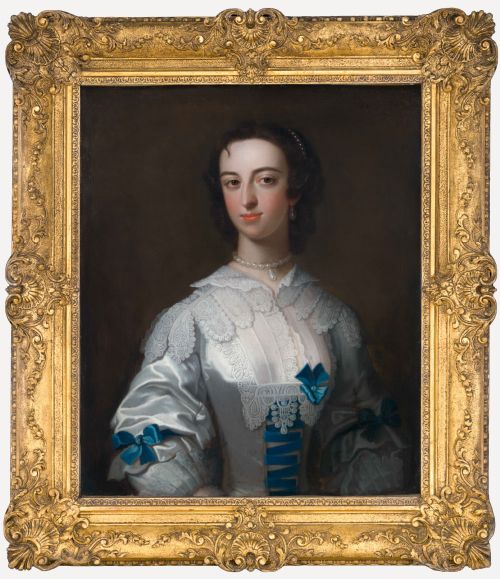
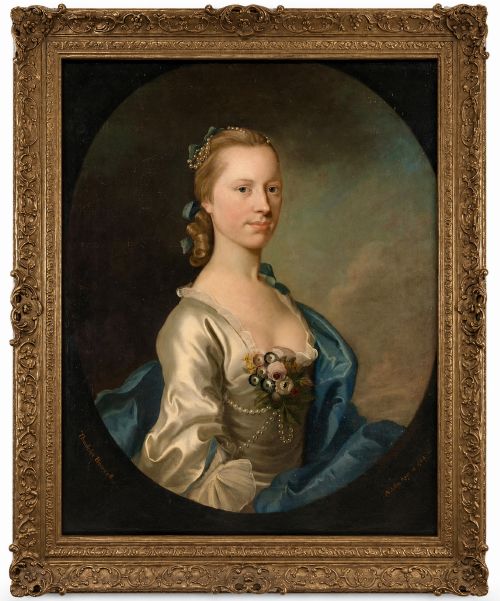
Georgian Period Oil Painting
A georgian period oil painting captures the dignified portraiture, landscape scenes and architectural subjects of the eighteenth and early nineteenth centuries.
Georgian Period Oil Painting
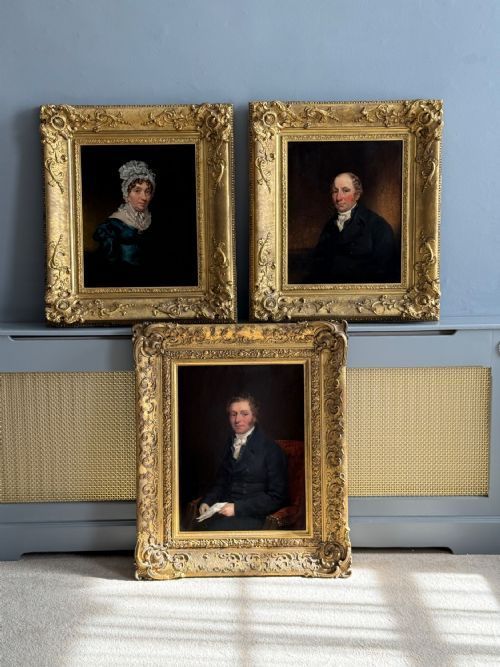
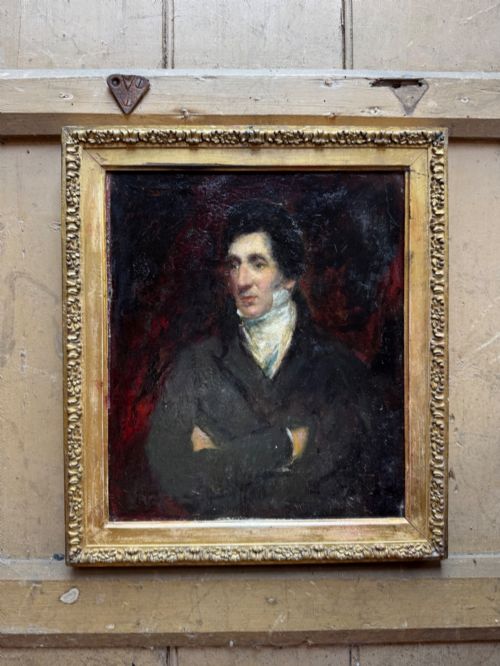
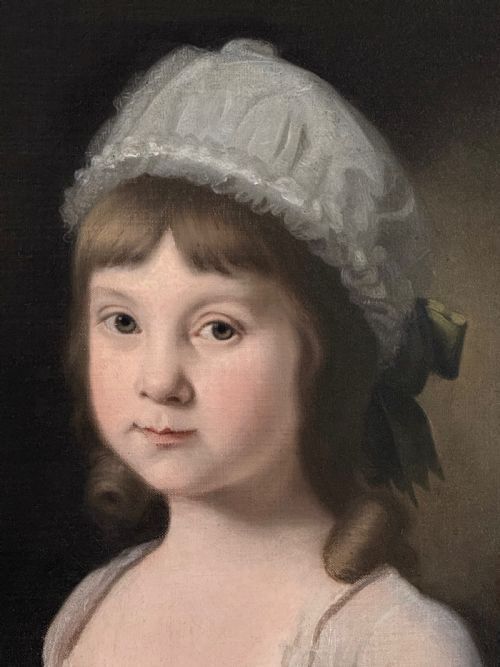
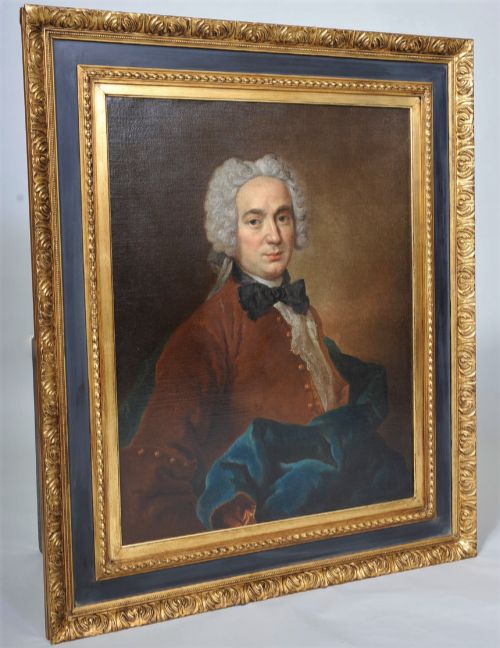
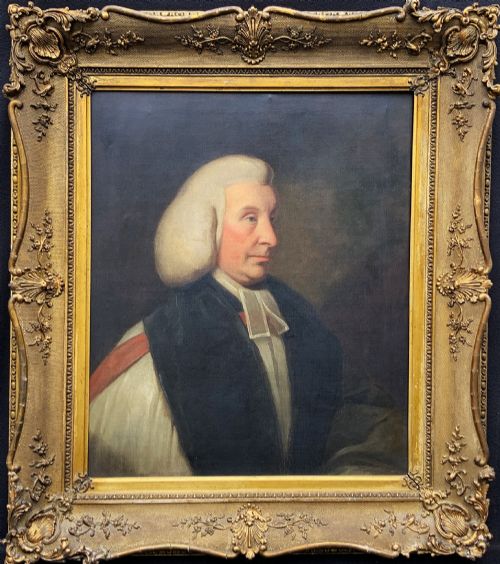
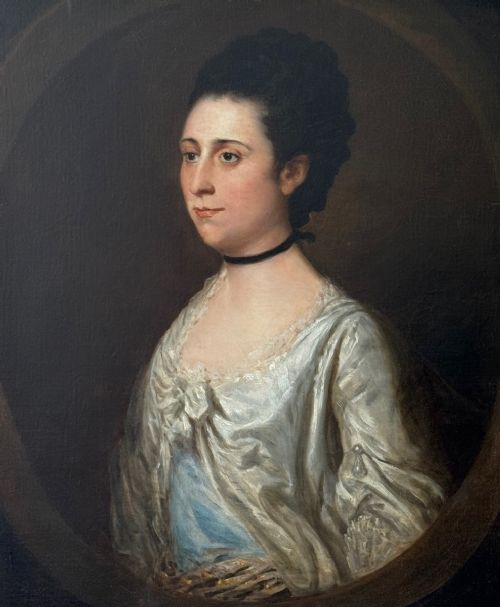
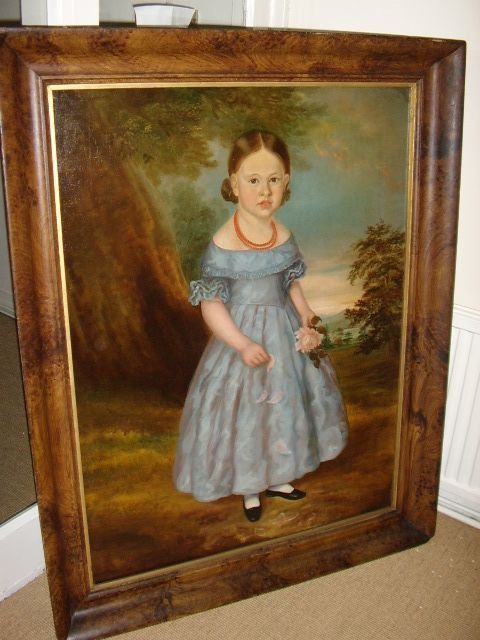
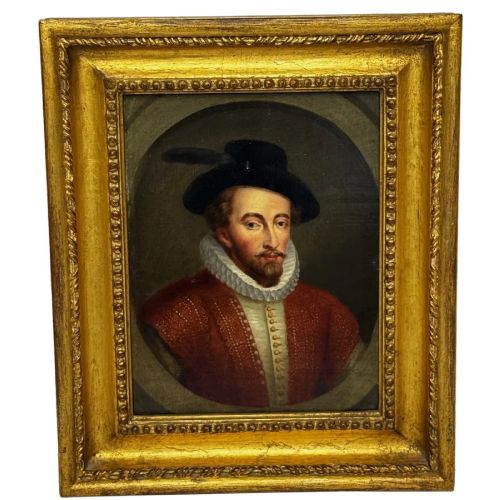
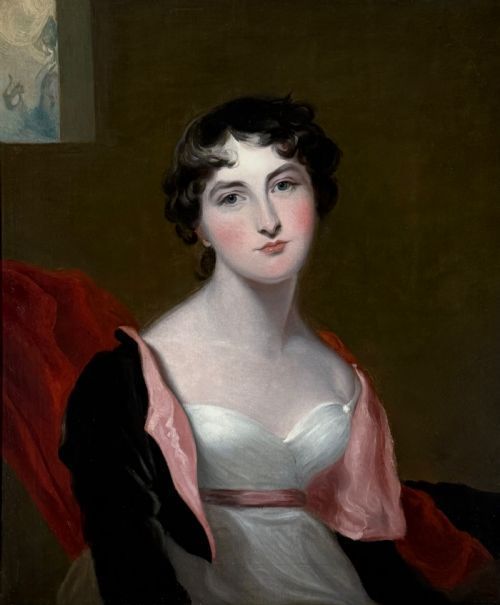
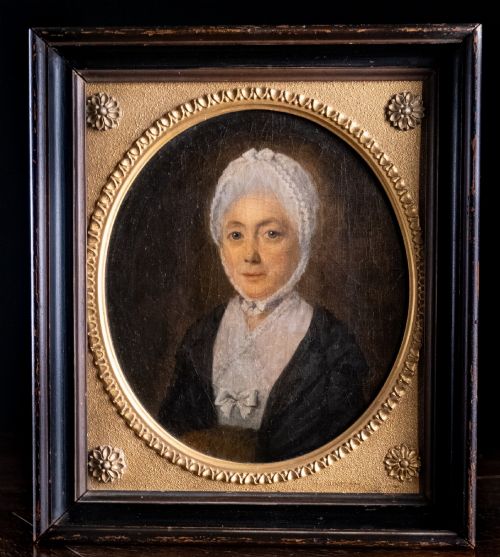
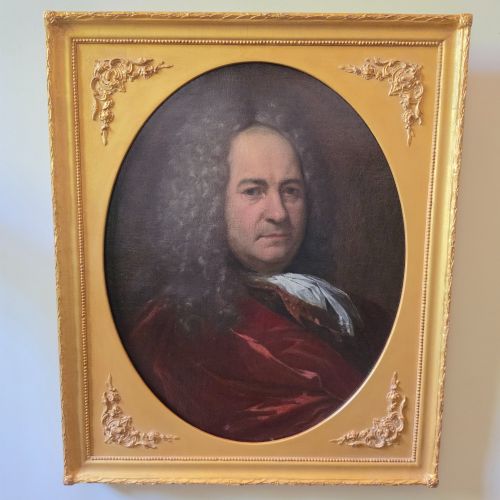
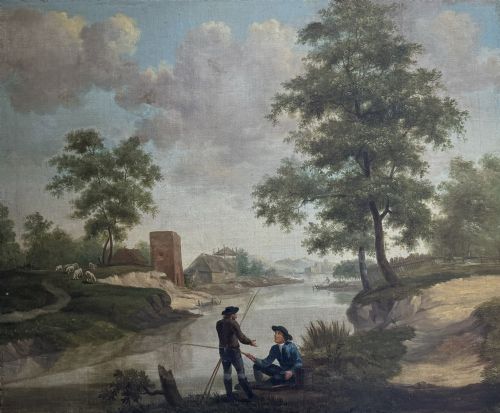
When searching for a georgian period oil painting, buyers encounter works created during the eighteenth and early nineteenth centuries, encompassing the Georgian and Regency eras. The selection on this page centres predominantly upon portraiture depicting gentlemen, ladies and children, alongside occasional landscapes, architectural panels and animal studies.
The canvases and panels range from intimate cabinet pieces to large works attributed to British schools or specific circles of known artists. Subjects include aristocrats, professionals and country figures rendered in oils, often retained within their original frames.
Works span from the early decades of the eighteenth century through to the Regency period and into the early nineteenth century, reflecting the evolving tastes of British portraiture and genre painting.
How They Were Made
These works were produced using oil paint applied to canvas, wood panels or copper supports, often framed in period giltwood or gold leaf mouldings. Artists built up compositions through layered pigments, capturing fine details in fabrics, lace and facial expressions.
Supports were prepared with grounds before the application of oil paint, while frames utilised carved wood decorated with gilt leaf to complement the finished canvas.
Georgian Period Oil Painting Retail Price Guide 2026
Typical asking prices for georgian period oil painting among the pieces listed under this phrase on Sellingantiques today, from the lower quarter to the upper quarter. They describe what is for sale here now, not the wider market.
An eighteenth-century physician looks out from one canvas, holding a glass flask to inspect the contents with absolute professional gravity.
What Varies in Quality
The integrity of the original canvas, the preservation of the pigment layers and the presence of contemporary giltwood frames significantly influence the character and standing of an individual piece.
Joseph Clover·Joshua Reynolds·Thomas Beach·Thomas Lawrence·Allan Ramsay·Jeremiah Davison·Henry Pickering·James Maubert·Joseph Highmore·John Hamilton Mortimer·Giovanni Paolo Panini·George Morland
The Georgian Period Oil Painting Glossary
- Oil on Canvas
- A traditional painting medium where pigment suspended in drying oil is applied to a stretched woven fabric support. This combination allowed artists to blend tones smoothly and achieve rich depth of colour.
- Giltwood
- Wood carved and coated with a thin layer of gold leaf or metallic powder. It forms the decorative framing material characteristic of the period.
- British School
- A designation applied to works created by artists working within Britain who shared stylistic traditions without necessarily studying under a single master. It groups anonymous or regional paintings of the era.
- Regency
- The period in British history from 1811 to 1820, alongside the wider Regency era style spanning the late eighteenth and early nineteenth centuries. Paintings from this time often feature lighter palettes and distinct costume details.
- Panel Painting
- An artwork executed on a rigid flat support made of wood or occasionally copper rather than textile. These surfaces offer a smooth ground for minute detail.
Georgian Period Oil Painting: Frequently Asked Questions
How do I identify a Georgian portrait?
Georgian portraits are identified through sitter costume, wig styles, hair arrangement and framing conventions typical of the eighteenth century. Portraiture from this era often records the specific clothing and accessories of British society.
Examination of the canvas prep, stretcher construction and associated framing helps corroborate the period origin alongside stylistic markers.
What subjects appear in these paintings?
Subjects include individual or family portraits, children, medical professionals, military figures and auctioneers. Alongside human figures, some works depict horses, landscape scenes and classical ruins.
These varied subjects reflect the domestic and professional interests of the patrons who commissioned them.
Are original frames important?
Original giltwood frames provide context and help date the artwork accurately to its period of creation. Frames manufactured alongside the canvas complement the visual weight of the oil painting.
Matching frames demonstrate how the ensemble was displayed in period interiors.
What is the difference between an artist and their circle?
Paintings attributed to the circle of an artist were produced by contemporaries working closely in the style and manner of a master. These works reflect the shared techniques of a particular studio or workshop.
Such attribution indicates high technical proficiency associated with a known master's immediate milieu.