

Antique Lady Portrait Painting
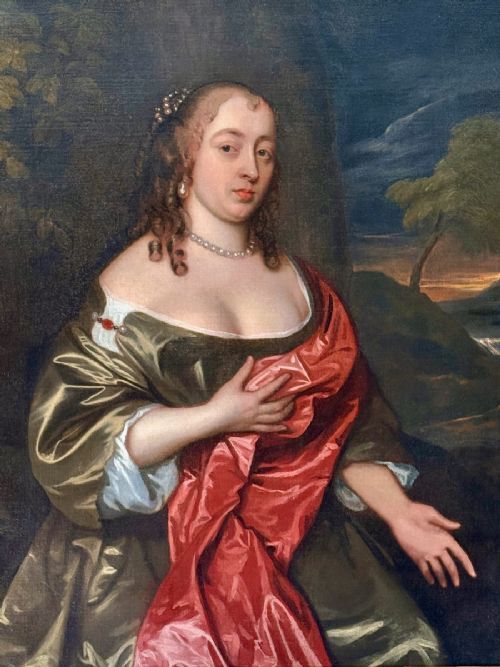
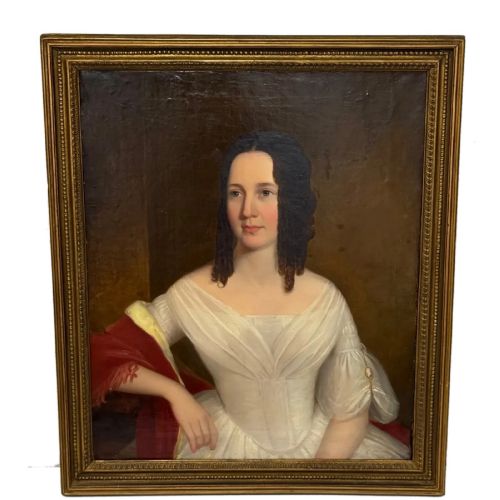
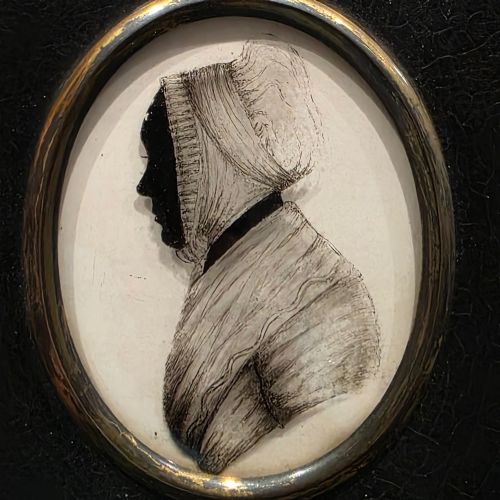
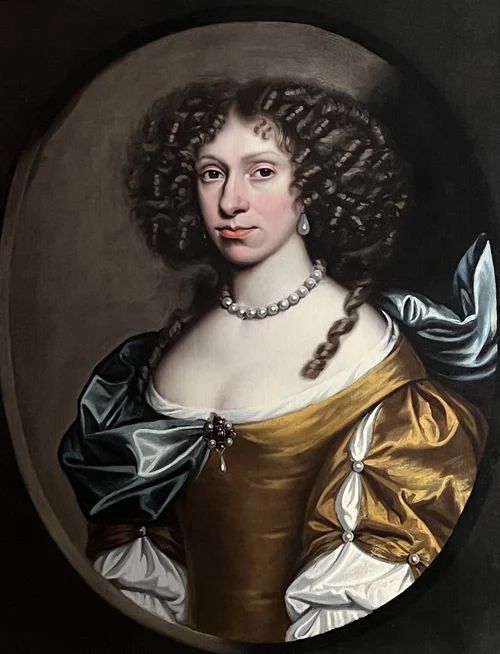
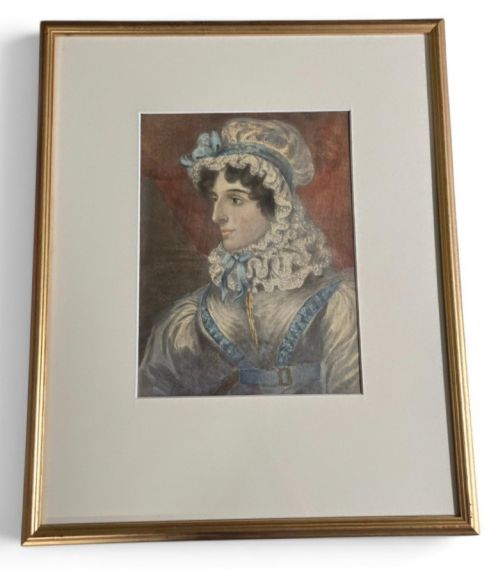
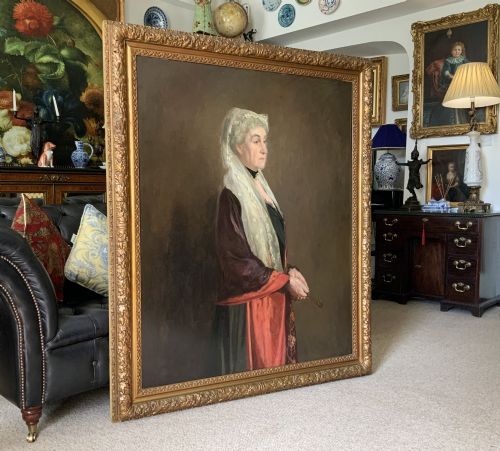
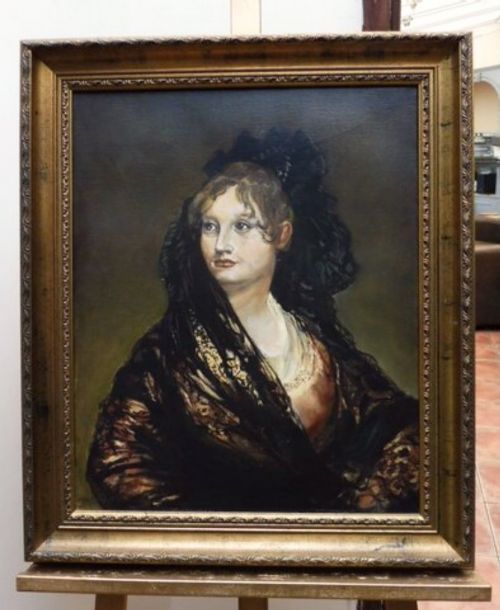
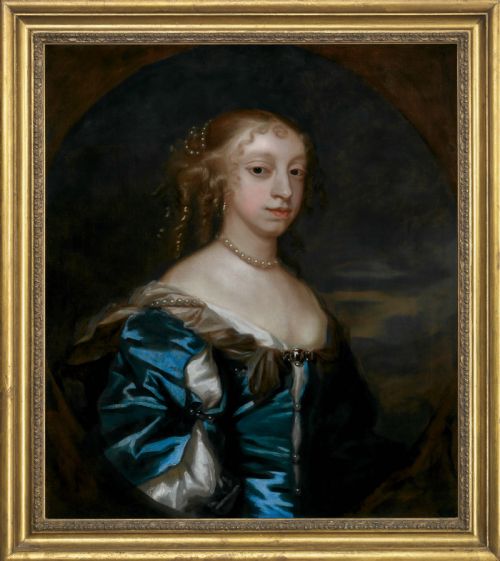
An antique lady portrait painting captures the likeness and social standing of women across centuries through oil on canvas, delicate watercolour, and porcelain miniatures.
Understanding the selection
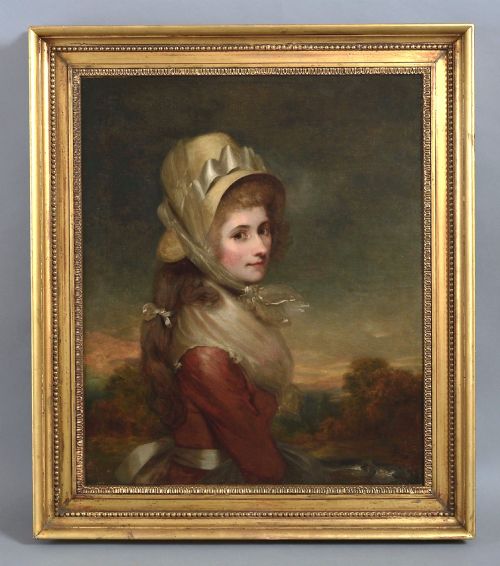
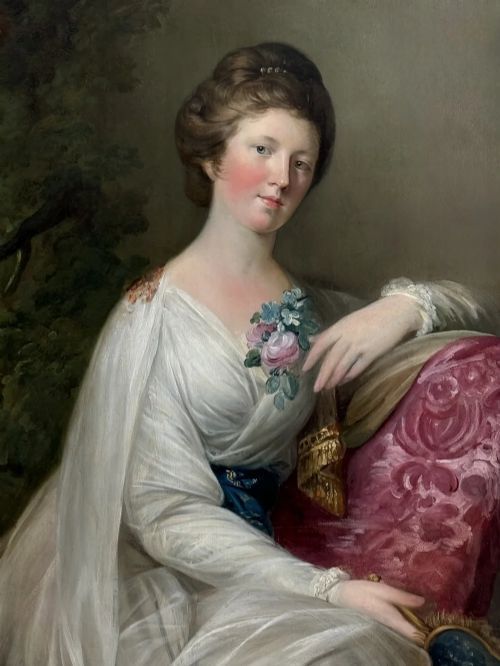
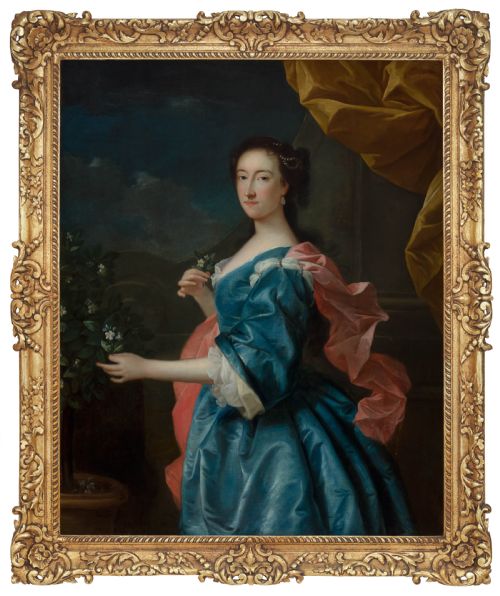
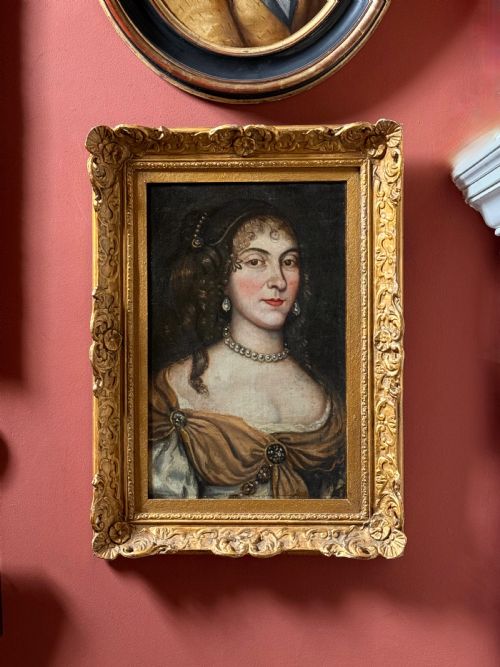
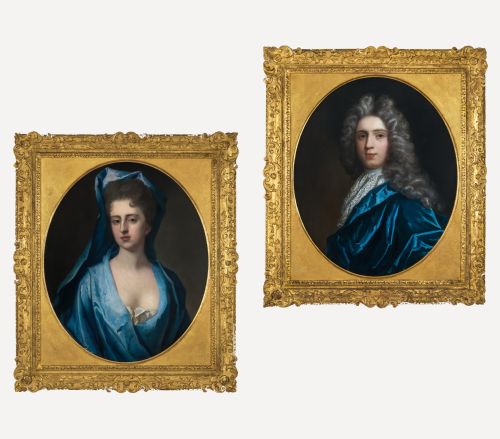
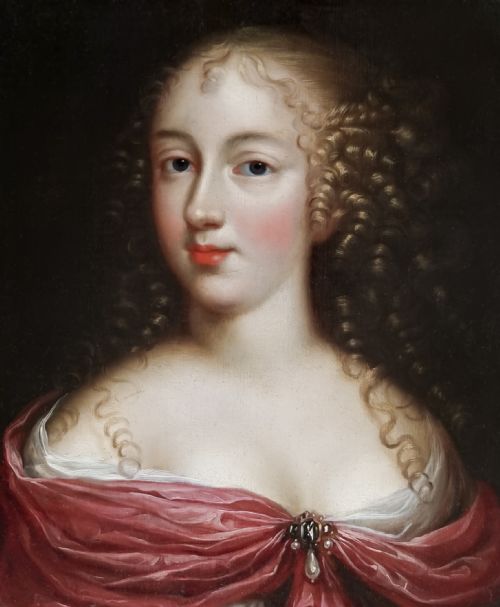
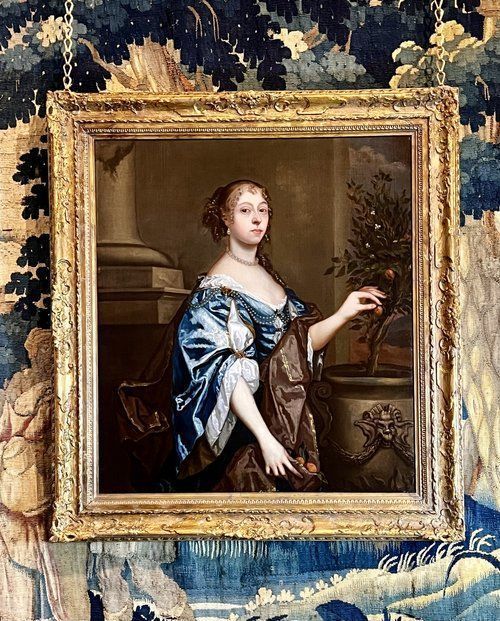
An antique lady portrait painting encompasses works originating from the seventeenth century through to the early twentieth century, spanning English, Dutch, French, and Italian schools. Buyers encounter formal court depictions alongside intimate portrayals of women in landscapes, domestic interiors, or formal dress.
The material formats vary significantly across the listings, ranging from large oils on canvas stretched over wooden frames to compact porcelain plaques and miniature watercolours housed in ebonised frames. Many pieces arrive housed in their original giltwood or gesso frames, preserving the decorative context of their period.
Stylistic shifts trace the evolution of taste from the heavy drapery and rich pigments of Baroque and Dutch Golden Age canvases through the refined elegance of Georgian compositions to the softer palettes of Victorian and Edwardian works.
Materials and construction
Canvas stretched across timber frames served as the primary support for larger oil paintings, while smaller works utilised wood panels, metal plates, or porcelain surfaces. Painters built up portraits using oil paint or watercolours, frequently applying gold leaf and sculpted gesso to ornate frames.
Subsequent conservation and handling often left marks such as salvaged canvas, relined supports, or refreshed gilding on the surrounding frames. Artisans relied on traditional hand-mixed pigments, binding oils, and delicate washes to achieve skin tones, fabric textures, and intricate lace details.
Retail Price Guide 2026
Typical UK retail prices for lady portrait painting, calculated from the Sellingantiques database of over a million retail prices indexed since 2003. This retail price guide relies exclusively on Sellingantiques data; no external sources or auction records are used, so the figures do not describe the wider market.
The listings feature seventeenth-century Dutch and English oil paintings alongside eighteenth-century works on canvas and nineteenth-century watercolour sketches.
Distinguishing quality in portraiture
Superior works demonstrate exceptional skill in rendering human anatomy, facial expression, and the play of light across silk, velvet, or skin. The articulation of hands, eyes, and textiles separates master studio output from more modest provincial school productions.
The integrity of the original surface condition and the survival of matching period frames heavily influence the standing of an individual piece. Works retaining documented attribution to known historical circles or established portraitists command greater scholarly interest.
John Hayls·Pieter Nason·Arthur Pond·Sir Joshua Reynolds·Franz Xaver Winterhalter·George Clint·William Wissing·Johannes Vollevens·Sir Peter Lely·Herman Verelst·Claude-Marie Dubufe·Pierre Gobert·Charles D'Agar·Michael Dahl·Jacob Huysmans·Jonathan Richardson·Antoine Pense·Alphonse Muraton·William Shuter·Franz Niklaus König
The Antique Lady Portrait Painting Glossary
- Oil on canvas
- Pigments bound in a drying oil applied to a woven fabric support. This combination allowed artists to blend tones smoothly and build rich surface textures.
- Giltwood
- Timber carved and coated with a thin layer of gold leaf. It provided a brilliant, reflective border that enhanced the candlelight illumination of early interiors.
- Gesso
- A plaster mixture applied to wood or canvas as a smooth base for painting or gilding. It was frequently moulded into elaborate decorative reliefs on picture frames.
- Old Master
- A European artist of high skill working before the nineteenth century. These painters established foundational conventions for portraiture and composition.
- Grisaille
- A painting executed entirely in shades of grey or neutral monochrome. This technique often imitated the appearance of sculpture or served as a preliminary study.
Frequently Asked Questions
How do I identify the period of a portrait?
Clothing styles, hairstyles, and framing techniques provide the most reliable indicators of a portrait's creation date. Comparing the sitter's lace ruffs, silk gowns, or corsages with dated historical fashion plates narrows the timeline considerably.
Material analysis of the canvas weave, stretcher frames, and pigments offers additional clues. Early works frequently exhibit hand-beaten nails and dense linen supports distinct from later industrial manufacturing.
What is an old master portrait?
An old master portrait refers to a painting produced by a highly trained European artist during the Renaissance, Baroque, or golden periods. These works are celebrated for their sophisticated handling of light, shadow, and psychological depth.
Many listings feature circles or followers of these prominent painters rather than the primary hand. Such pieces still represent high-level workshop practices of their respective centuries.
How should I display antique oil paintings?
Display portraits away from direct sunlight and fluctuating heat sources to protect the delicate oil paint and canvas from cracking or warping. Stable indoor humidity prevents the wooden frames and panels from drying out.
Ensure walls can support the combined weight of the painting and its heavy giltwood frame. Using professional picture hangers distributes the load securely across the wall structure.