

Seventeenth Century Art
Seventeenth century art encompasses oil paintings, prints, and maps that capture the portraiture and cartography of the period.
Seventeenth Century Art
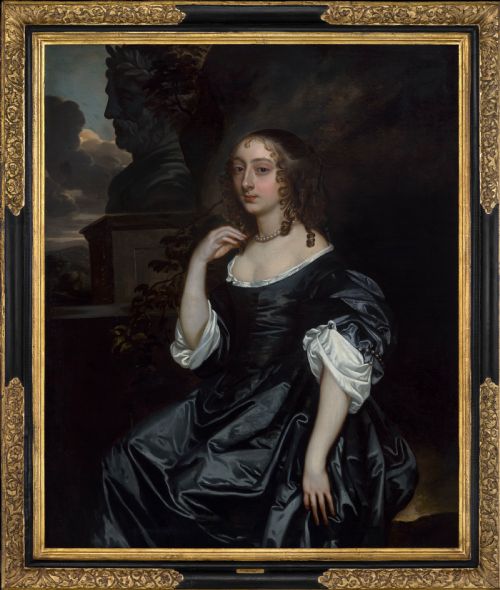
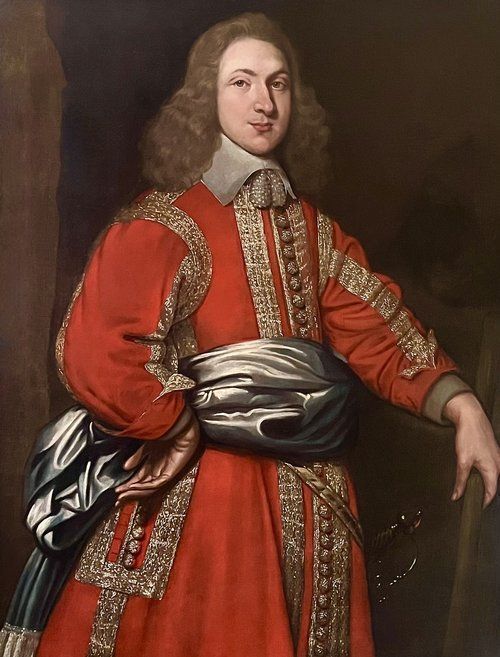
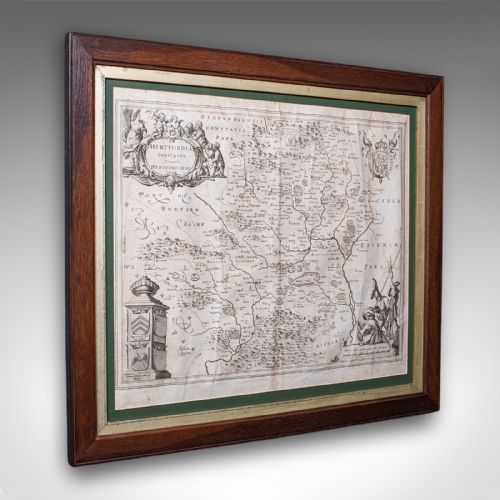
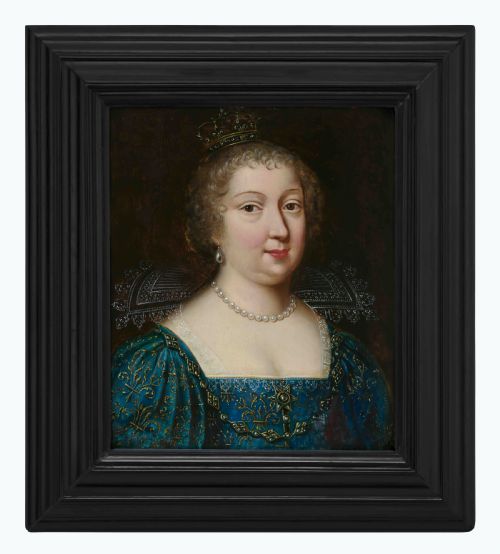
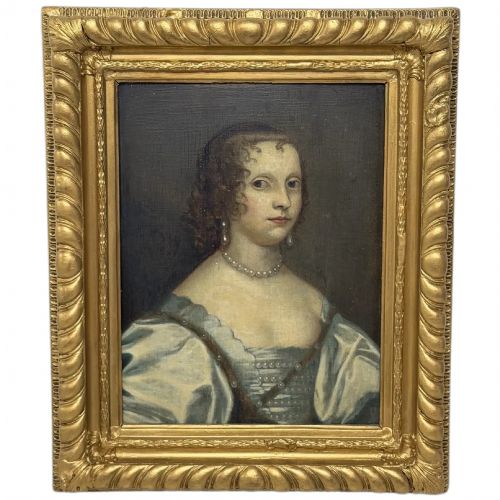
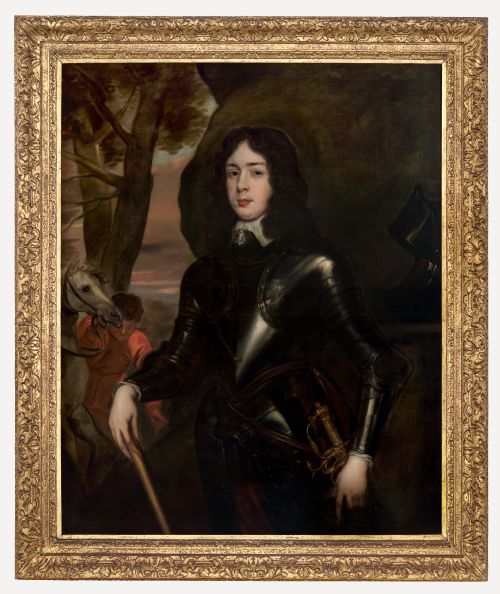
When you examine seventeenth century art, you encounter oil on canvas portraits, framed county maps, and tapestries originating from British, Dutch, and Flemish workshops.
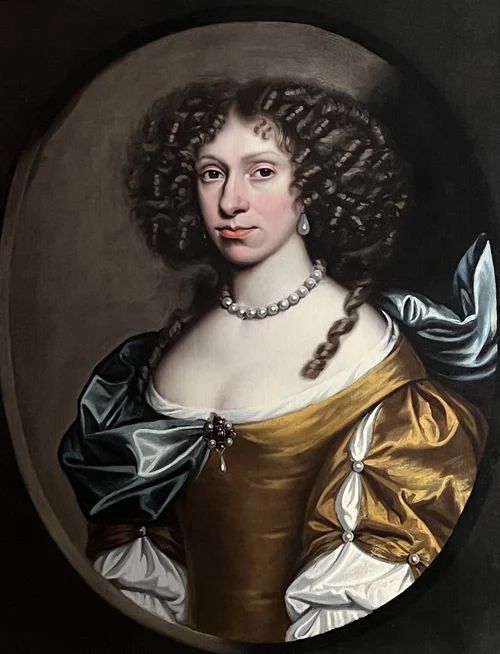
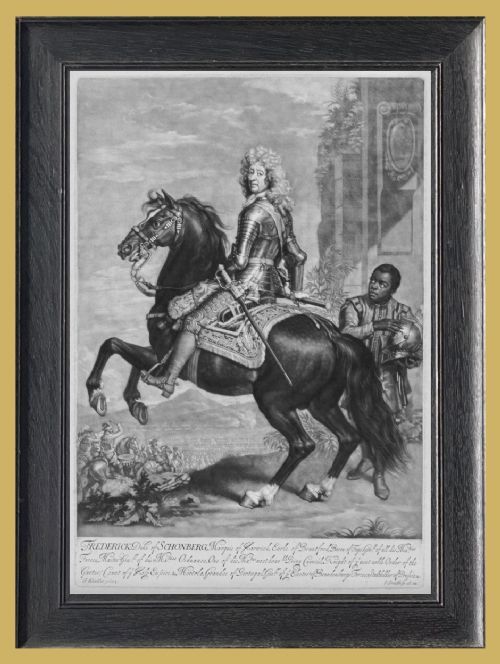
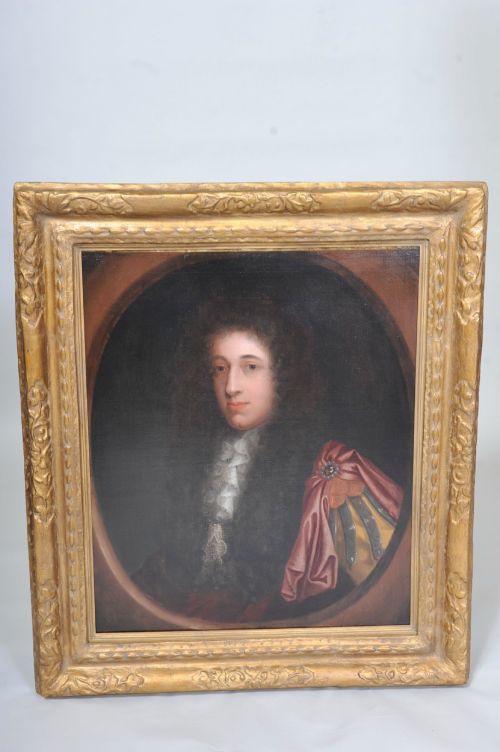
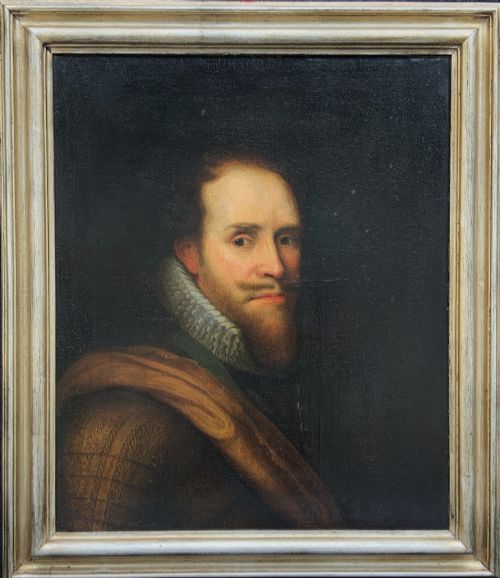
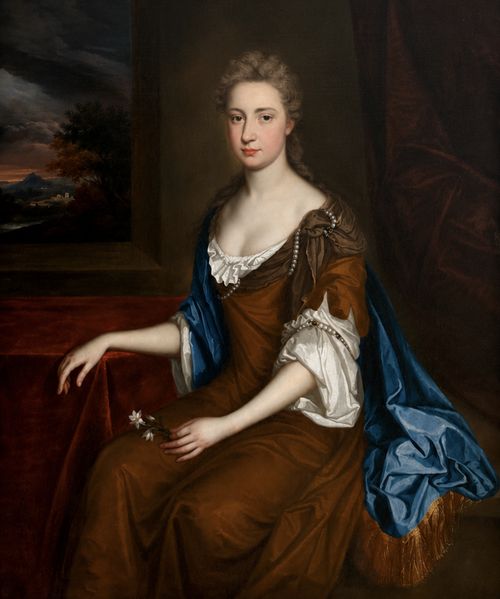
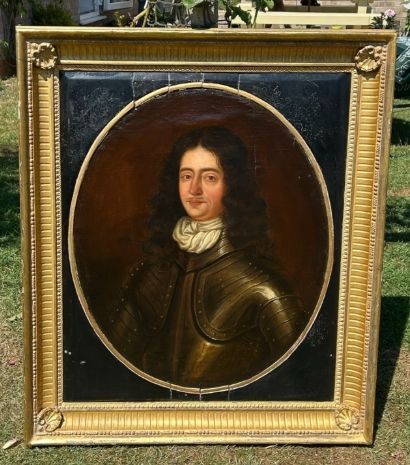
The most common pieces on this page are oil paintings depicting gentlemen, ladies, and military officers in the baroque style, alongside hand-coloured cartography from makers like Blaeu and Speed.
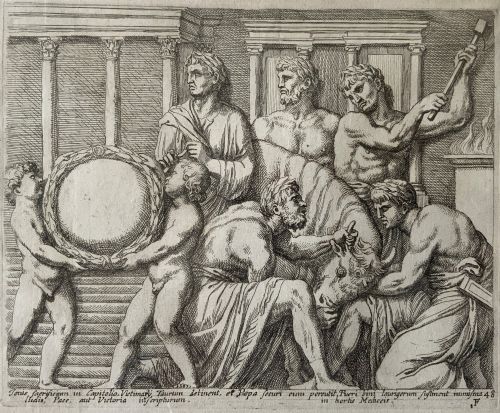
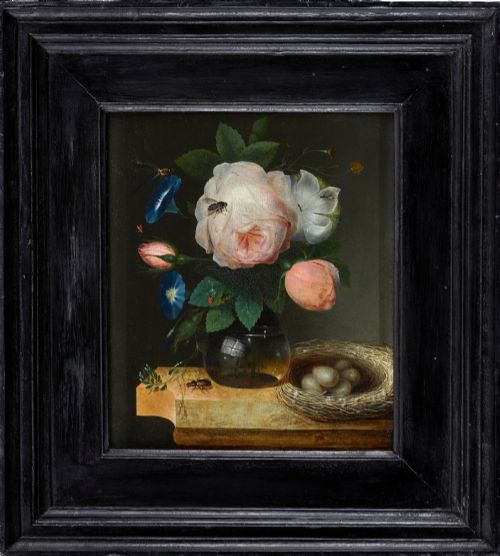
Beyond portraits and maps, the selection includes panel paintings, prints, and needlework fragments that reflect the visual culture of the Carolean and Stuart eras.
Materials and Construction
Painters of this era applied oil pigments onto woven canvas or prepared oak panels, frequently utilising giltwood frames to finish the works.
Cartographers and printmakers produced engraved maps and mezzotints on paper, occasionally incorporating gold leaf into decorative borders and framing.
Textile works such as tapestry fragments and beadwork combined wool, silk, and linen threads stitched by hand to form pictorial scenes.
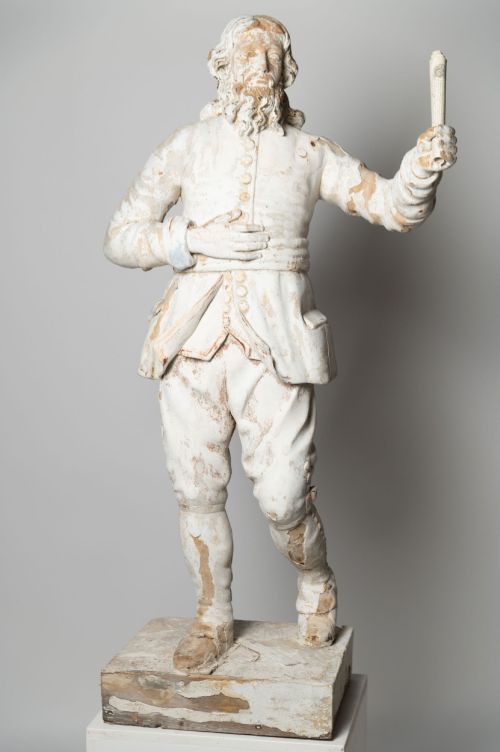
A youthful King William III appears here alongside noble ladies, cavalry officers, and even a very dignified exotic bird.
Markers of Distinction
The distinction between standard works and exceptional pieces lies in the handling of light, shadow, and anatomical detail within portraiture.
Studio pieces and works by followers display competent execution, whereas productions by named masters or primary workshops exhibit superior depth and handling of the oil medium.
In cartography and prints, the crispness of the plate impression and the retention of original hand-colouring determine the desirability of the piece.
David Scougall·John Smith·Sir Godfrey Kneller·Sir Peter Lely·François Perrier·Gaspar Peeter Verbruggen·Sir Anthony van Dyck·Michael Dahl·Nicolaes Maes·Thomas Hill·Peter Paul Rubens
The Seventeenth Century Art Glossary
- Mezzotint
- A printmaking process where the artist works from dark to light by roughening the copper plate to achieve rich tonal gradations. This technique allowed for subtle portraits with gentle shifts in shade.
- Baroque
- A style of European art characterised by drama, deep shadow, and rich detail. It dominated the visual culture of the seventeenth century across painting and architecture.
- Cartography
- The science and art of making maps. Seventeenth-century examples often feature elaborate decorative cartouches and topographical illustrations.
- Panel Painting
- A painting executed on a flat wooden support, typically oak, rather than canvas. This method was widely used in northern European traditions before canvas became standard.
- Carolean
- Pertaining to the reign of King Charles I or King Charles II. In art and furniture, it denotes the specific stylistic developments of those decades.
Seventeenth Century Art: Frequently Asked Questions
How do I identify a seventeenth-century portrait?
Look closely at the costume, lace collars, wigs, and armour depicted in the canvas, which follow the fashions of the Stuart and Carolean periods.
Pigment analysis and the construction of the stretching frame or oak panel also provide reliable indicators of age.
Were antique maps meant to be framed?
Most seventeenth-century maps were initially bound into atlases or sold as loose sheets for collectors rather than hung on walls.
Today, framing protects the fragile paper from further environmental degradation while displaying the cartography.
What is the difference between an original oil and an after-work?
An original oil painting was produced during the artist's lifetime, whereas a work after an artist is a later copy executed by a follower or studio.
Both hold historical interest, but primary works carry distinct brushwork linked directly to the master.
How should I care for antique oil paintings?
Keep paintings away from direct sunlight, high humidity, and rapid temperature fluctuations that can cause the canvas to slacken or the paint to crack.
Avoid using water or chemical cleaners on the surface; consult a professional conservator for cleaning.