

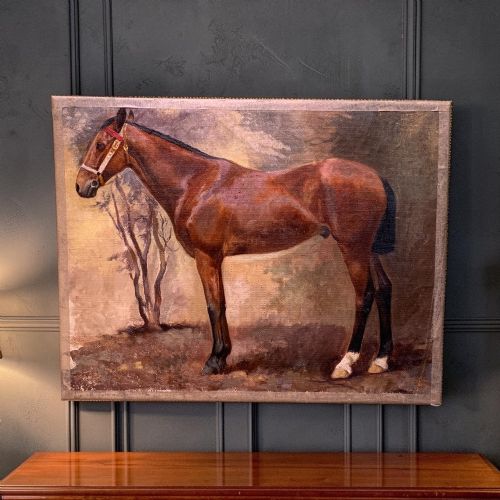


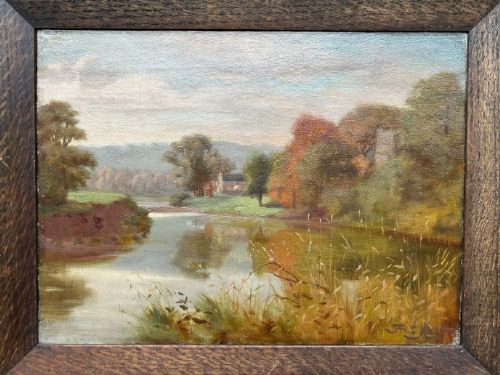
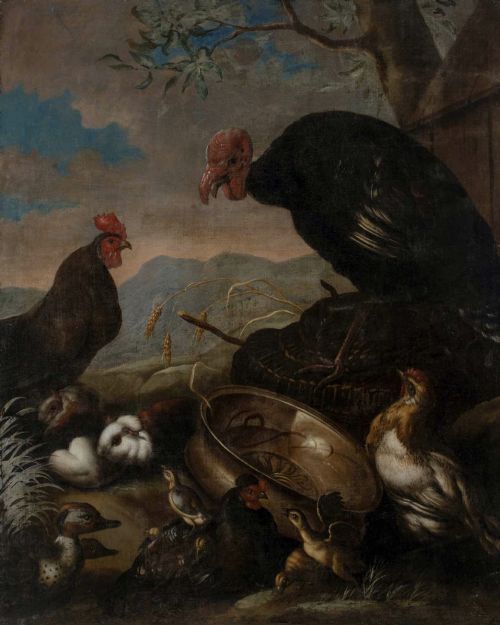
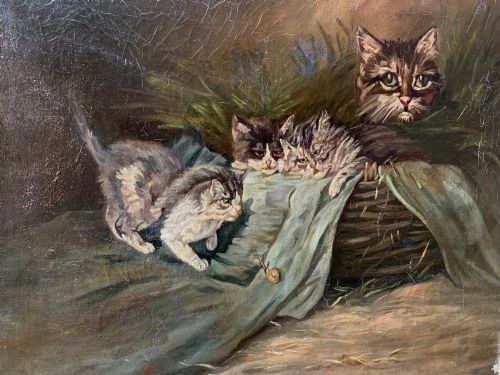

Brown Canvas Painting
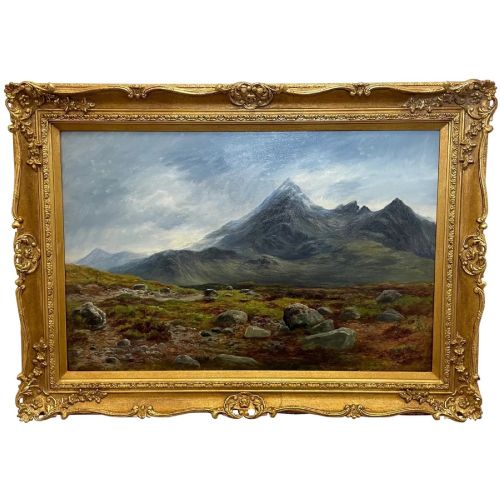
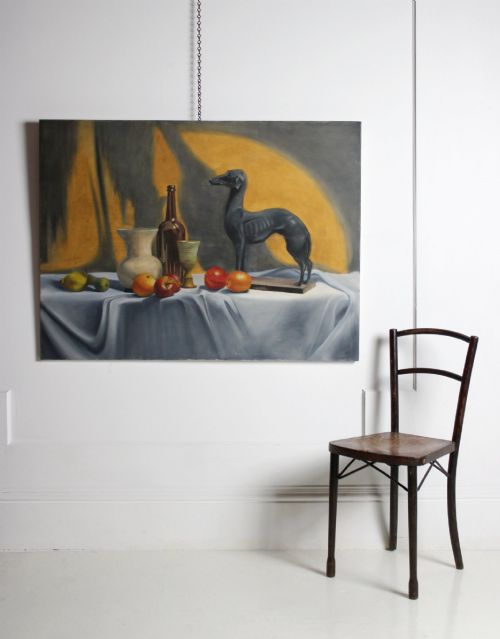
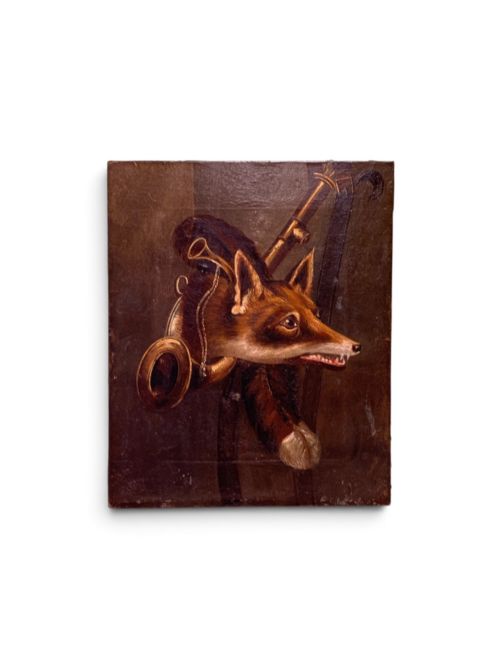
These brown canvas painting works span centuries from Stuart portraits to post-impressionist coastal scenes, offering rich depth for collectors of antique oils.
What a brown canvas painting is
A brown canvas painting encompasses oil on canvas artworks created across various periods, from the seventeenth century through to the Edwardian era. These pieces range from intimate family portraits to grand grisaille triptychs and moody maritime views.
How they were made
These works utilise traditional oil paint applied directly onto stretched woven canvas supports, often housed within wooden or gilded frames. Artists built up their compositions through layered brushwork, allowing the natural dark tones of the canvas or underpainting to establish deep shadows.
Earlier seventeenth-century examples employ meticulous glazing techniques typical of the period, whilst later nineteenth-century and 1900s pieces demonstrate looser, post-impressionist brush application.
Retail Price Guide 2026
Typical UK retail prices for brown canvas painting, calculated from the Sellingantiques database of over a million retail prices indexed since 2003. This retail price guide relies exclusively on Sellingantiques data; no external sources or auction records are used, so the figures do not describe the wider market.
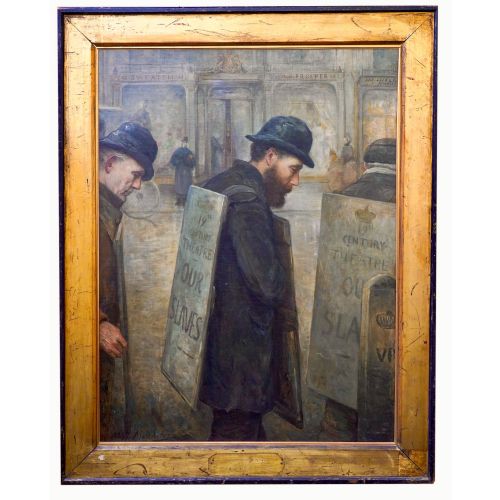
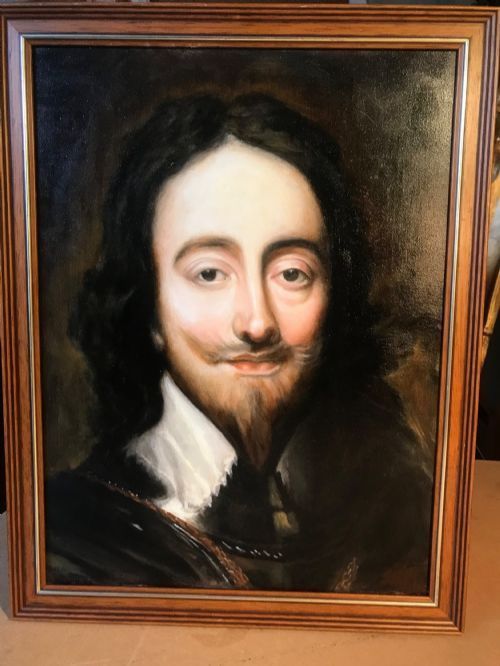
John Milton shares space here with two girls hailing a ferry, proving art history is wonderfully unpredictable.
What varies in quality
The distinction between standard works and finer examples lies in the confidence of the brushwork and the psychological depth of portraiture. Master studio output demonstrates superior handling of light and anatomical precision compared to more commercial trade painting.
Condition and originality play a significant part in distinguishing these artworks, particularly regarding the preservation of the original canvas support and the integrity of the early gilding on contemporary frames.
Edward Fletcher·John Hoskins·Godfrey Kneller·Bill Brown
The Brown Canvas Painting Glossary
- Grisaille
- Monochrome painting executed entirely in shades of grey or neutral greyish-brown, often utilised to simulate sculpture or as an underpainting for subsequent glazing.
- Oil on canvas
- A traditional painting medium where pigments are suspended in a drying oil, most commonly linseed, and bound across a stretched woven fabric surface.
- Gilt
- A thin layer of gold leaf or gold paint applied to wooden frames or decorative elements to provide a brilliant metallic finish.
- Post-Impressionism
- An art movement developing roughly from the late nineteenth century that extended impressionism while rejecting its limitations, favouring more symbolic content and heavier brushwork.
Frequently Asked Questions
How do I date a brown canvas painting?
Dating relies heavily on stylistic clues, costume details in portraits, and the physical characteristics of the canvas and stretcher frame. Expert attribution often involves comparing brush technique to known works from specific centuries.
Examination of the materials, such as the weave of the canvas and the composition of the wood in the frame, provides additional chronological markers for the art historian.
Are these paintings supplied with frames?
Many antique oil paintings retain their period wooden or gilded frames, which form an integral part of the piece's history and aesthetic presentation. Some works are offered framed while others may be sold unframed depending on condition.
Buyers should inspect listing details to confirm whether the antique frame accompanies the canvas purchase.
What is a grisaille painting?
A grisaille is executed almost entirely in monochrome grey or brownish tones, creating a distinct sculptural effect. This technique was frequently employed for decorative wall hangings or grand triptychs.
The absence of full colour allows the artist to focus entirely on light, shadow, and tonal gradation across the canvas surface.
How should I care for antique canvas art?
Antique oil paintings require stable indoor environments away from direct sunlight, excessive heat, and humidity fluctuations. Gentle dusting with a soft, dry brush is generally sufficient for surface maintenance.
Professional conservation should be sought for any structural repairs to the canvas or stabilization of the oil paint layer.