


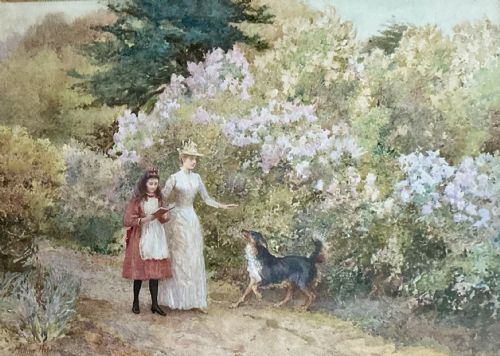


Historical Genre Painting
Historical genre painting captures narrative scenes from past eras, offering a window into domestic and historical moments that collectors prize for their intricate storytelling.
What they are
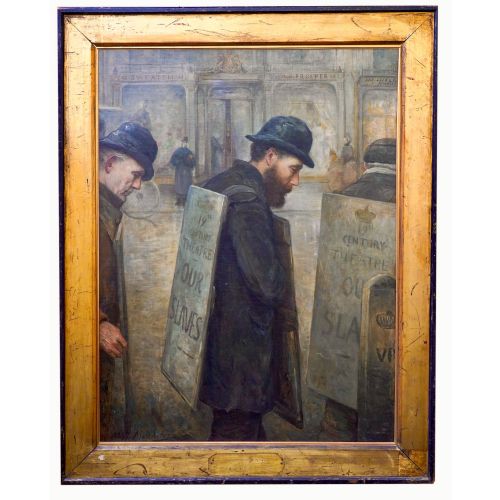
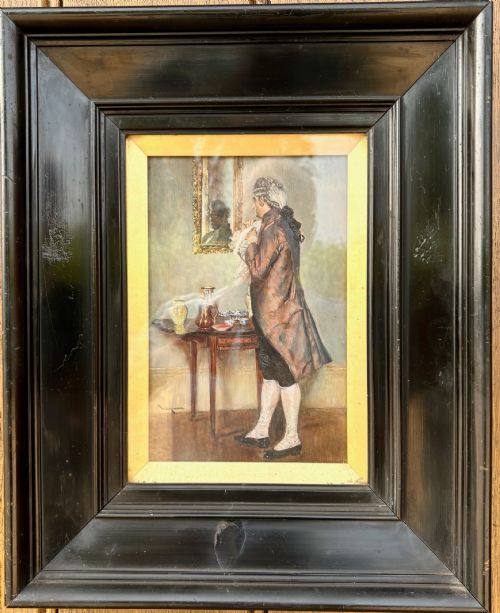
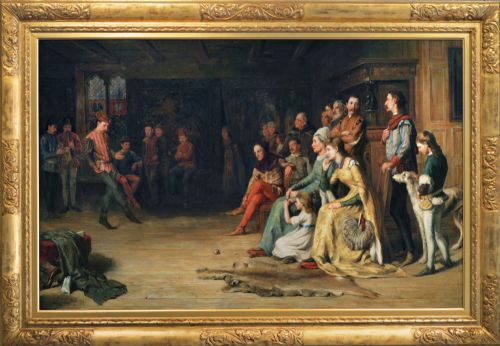
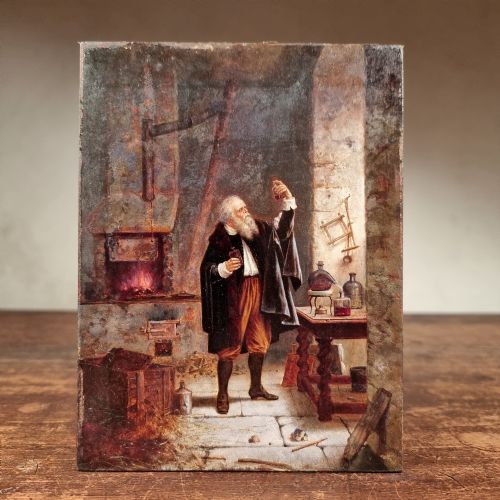
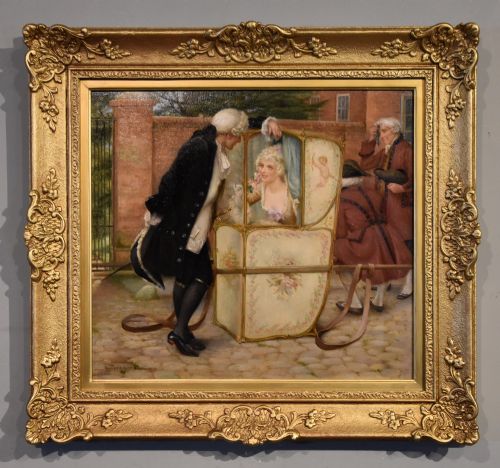
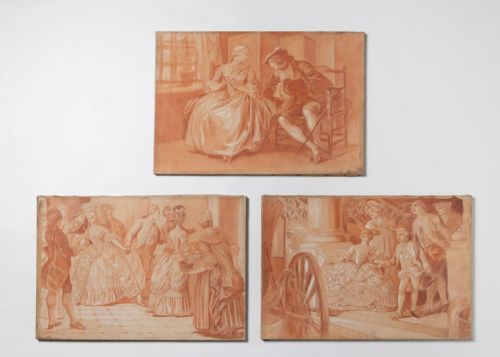
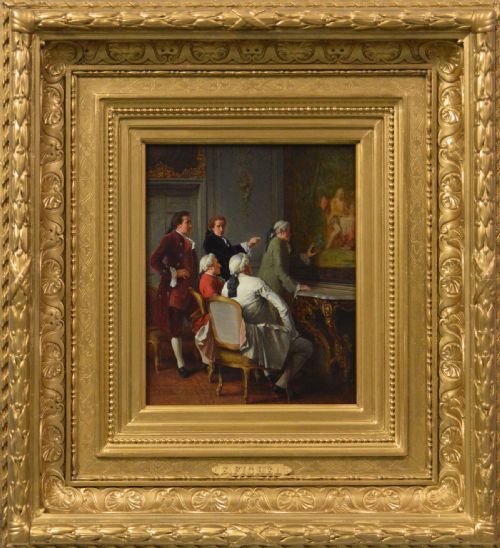
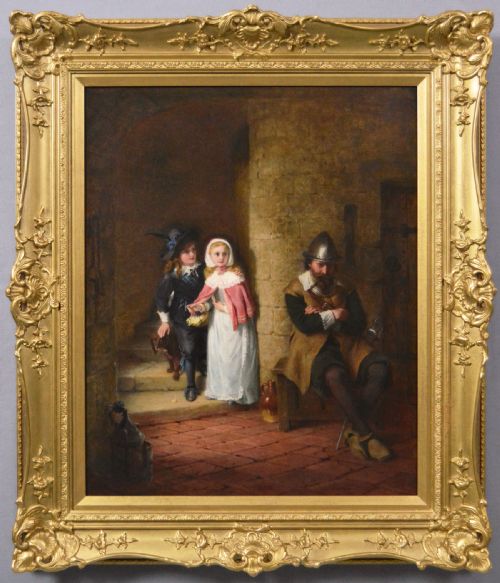
Historical genre painting depicts narrative moments drawn from past centuries, blending everyday life with historical staging. These works capture specific domestic or dramatic episodes featuring figures in period costume.
The pieces available on this page span the Victorian era and the early twentieth century, encompassing both oils on canvas and watercolours. Collectors encounter framed wall art ranging from intimate family portraits to elaborate interior scenes.
Originating predominantly from nineteenth-century academic traditions, these works reflect European artistic movements such as Academic Historicism and Victorian genre painting. They serve as historical documents of how past generations imagined earlier times.
How they were made
Artists built these works primarily using oil paint on canvas or watercolour on paper, mounted within wood and giltwood frames behind glass. The application of pigment involved layered brushwork to achieve rich textures in clothing and interiors.
Preparation included stretched canvas or heavy paper supports, often bearing the signatures or studio marks of academic painters. Giltwood frames completed the presentation, designed to complement the rich palettes of the Victorian and Edwardian periods.
Retail Price Guide 2026
Typical UK retail prices for historical genre painting, calculated from the Sellingantiques database of over a million retail prices indexed since 2003. This retail price guide relies exclusively on Sellingantiques data; no external sources or auction records are used, so the figures do not describe the wider market.
Listings feature works exclusively from the nineteenth century and early nineteen-tens, executed in oil and watercolour on canvas and paper.
What varies in quality
Quality rests in the precision of figurative drawing and the complexity of the narrative composition. Works by established academic masters exhibit superior handling of fabric textures and facial expression compared to anonymous studio pieces.
The preservation of the original paint surface and the integrity of the period frame dictate the standing of an individual piece. Unlined canvases and well-maintained watercolours retain the vibrancy intended by the nineteenth-century creator.
John Robert Dicksee·Adolphe-Alexandre Lesrel·Jules Girardet·George Goodwin Kilburne
The Historical Genre Painting Glossary
- Academic Historicism
- A nineteenth-century artistic style that meticulously recreated historical scenes and costumes with academic rigour. Painters adhered to strict compositional rules taught by European academies.
- Genre painting
- The pictorial representation of scenes from everyday life, which becomes historical genre painting when set in a past era. These works focus on human narratives rather than portraiture or landscape.
- Giltwood
- Wood carved and covered with a thin layer of gold leaf, commonly used for framing nineteenth-century artworks. It enhances the visual weight and period authenticity of oil paintings.
- Watercolour
- A painting method where water-soluble pigments are suspended in a water-based solution on paper. It allows for translucent washes and delicate detail, frequently utilised for Victorian works.
Frequently Asked Questions
What is historical genre painting?
It is an artwork category focusing on narrative scenes set in past centuries, created primarily during the nineteenth and early twentieth centuries. These pieces tell stories involving human figures in period attire.
Unlike pure history painting that depicts major political events, genre painting centres on domestic or social interactions situated within historical eras.
How should I hang these paintings?
Protect the works from direct sunlight to preserve delicate watercolours and oil pigments. Ensure they hang on stable interior walls away from excessive moisture.
Pairing period oil paintings with appropriate wall lighting highlights the giltwood frames and the fine details of the canvas surface.
How do I date these artworks?
Dating relies on stylistic markers, framing techniques, and artist signatures recorded on the canvas or paper. Nineteenth-century academic conventions offer clear chronological clues.
Examining the back of the canvas or the paper backing often reveals dealer stamps, exhibition labels, or handwritten inscriptions from the period.
Are watercolours as durable as oils?
Waterworks on paper require glass protection and careful humidity control to prevent fading and paper degradation. Oil on canvas is generally more resilient against environmental changes.
Both mediums have survived from the Victorian era by being housed in secure framing systems that shield the delicate pigments from damage.