

British Genre Painting
British genre painting captures the everyday lives, domestic interiors, and social narratives of past centuries through oil and watercolour.
British Genre Painting
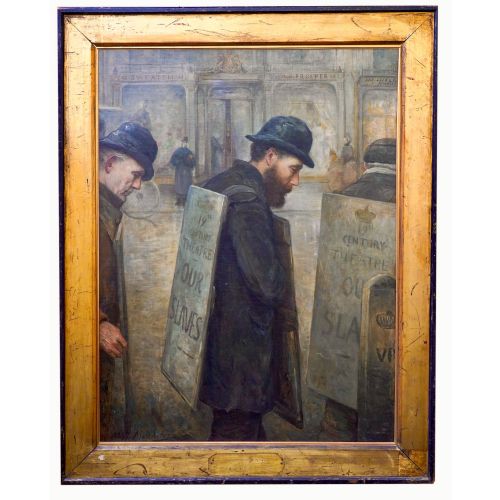
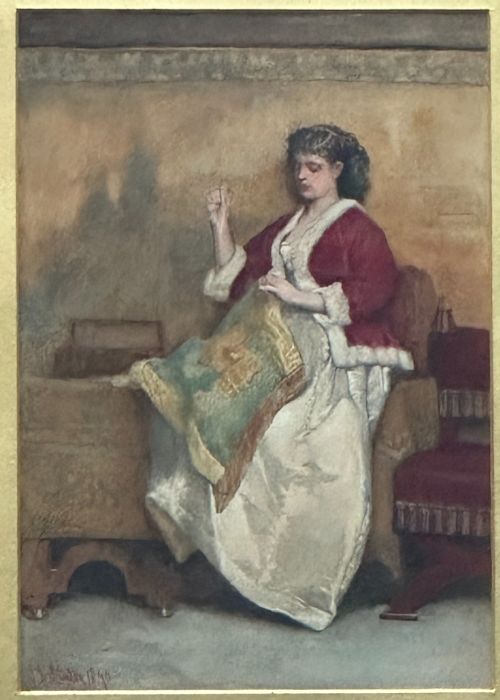
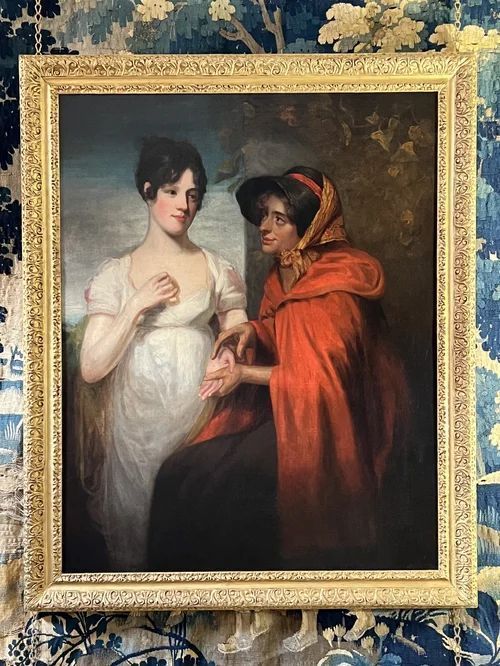
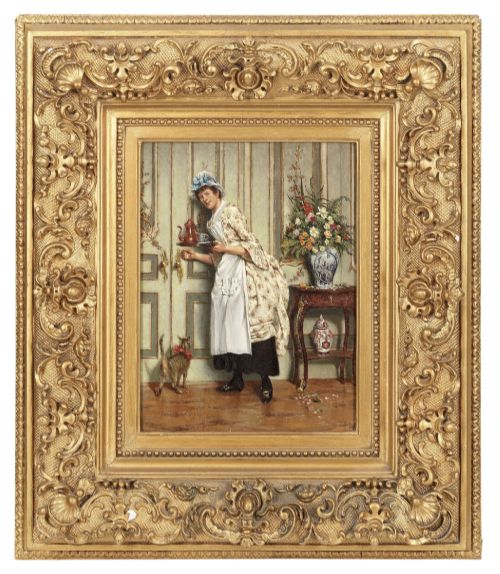
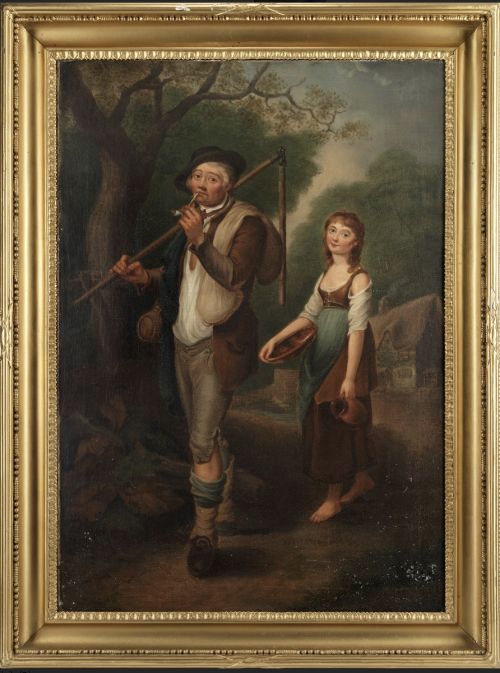
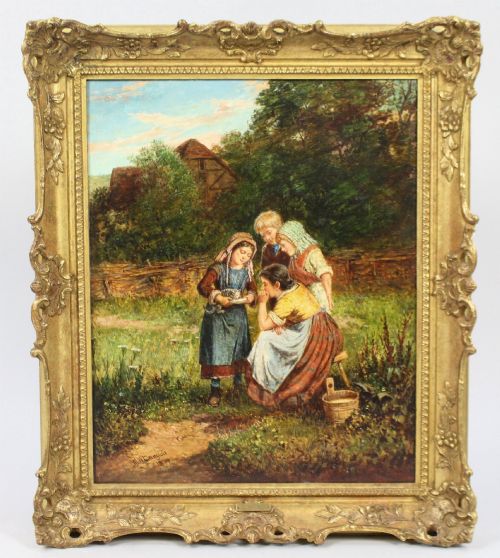
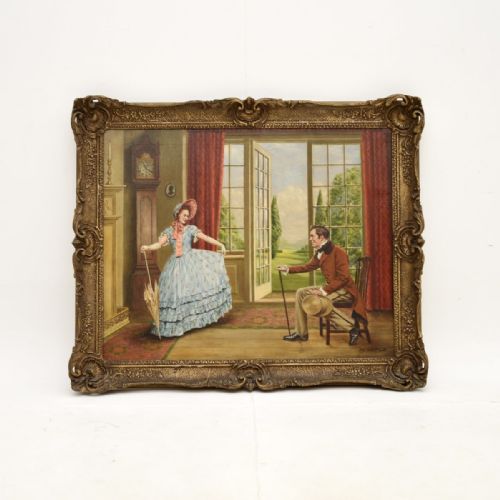
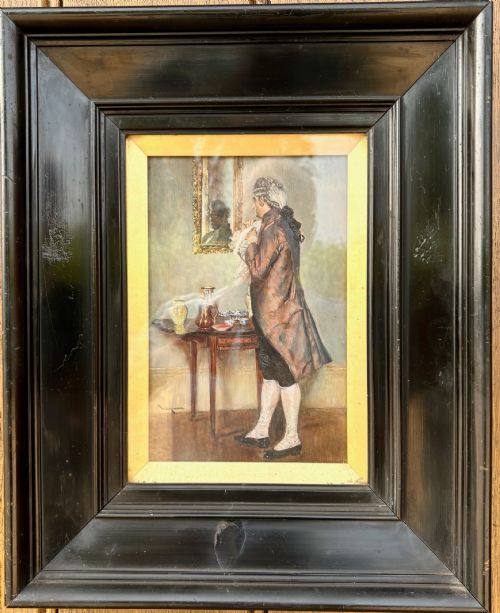
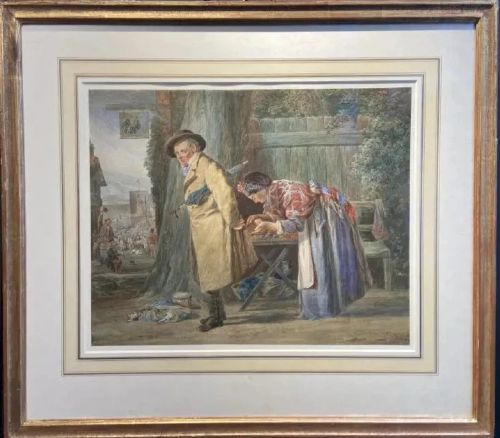
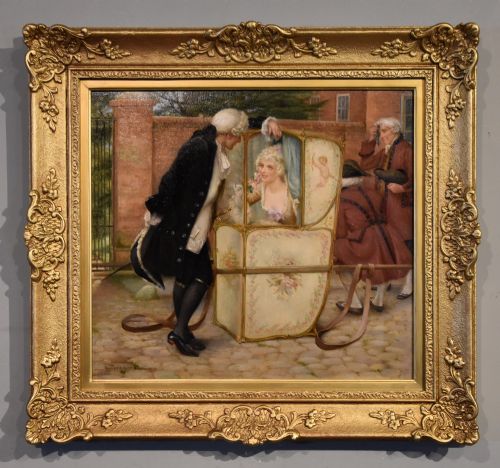
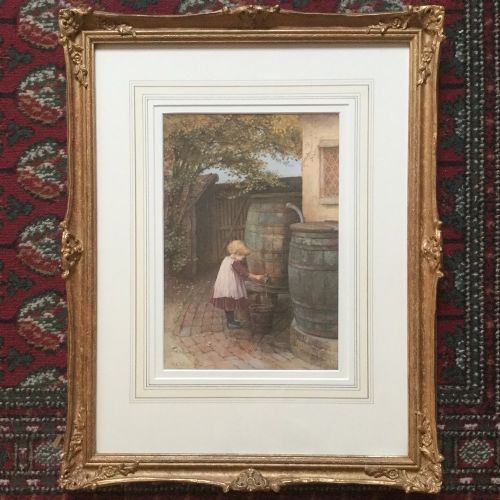
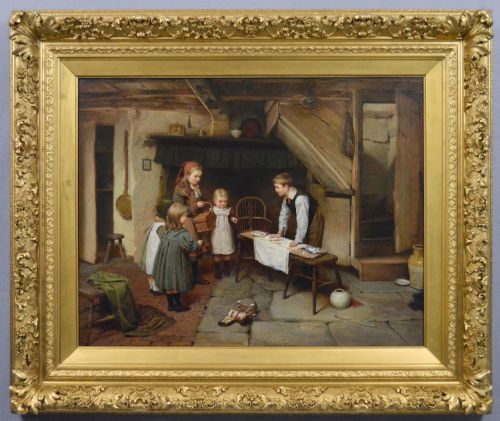
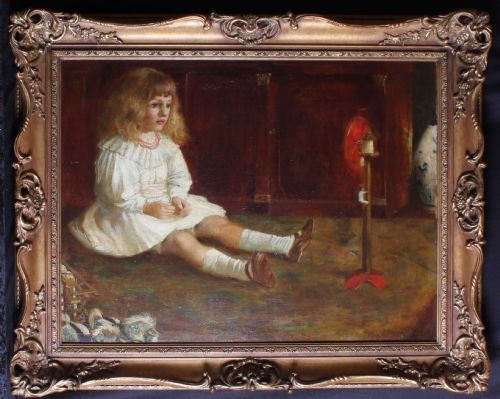
British genre painting depicts scenes of everyday life, ranging from children playing in cottages to domestic interiors and historical narratives. These artworks offer a direct window into the social customs, dress, and domestic habits of past eras.
The pieces on this page heavily feature Victorian and Edwardian works, alongside examples from the 18th and early 20th centuries. Common forms include framed oil paintings on canvas or panel, detailed watercolours, and occasional lithographs.
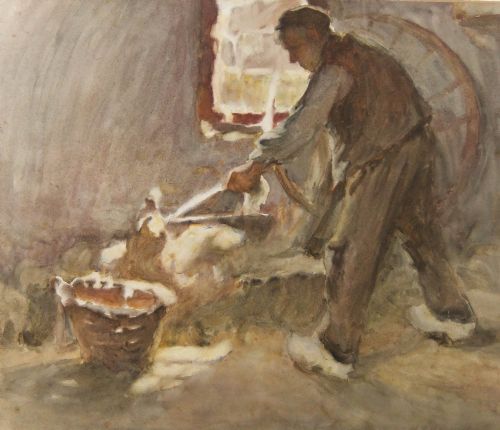
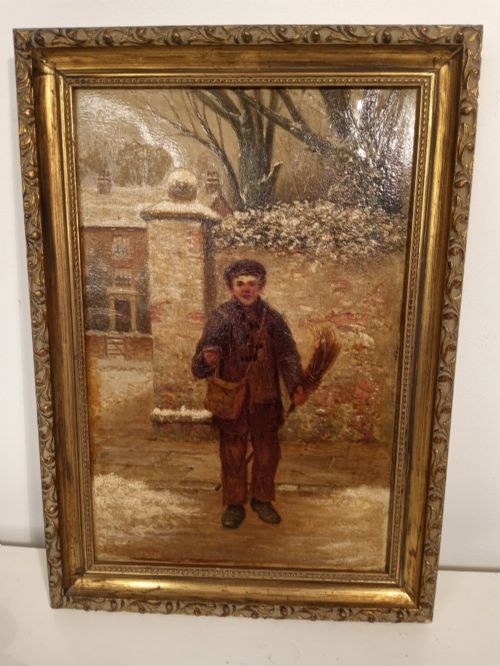
Subjects frequently centre on domestic quietude, rural labour, and character studies such as blacksmiths, chimney sweepers, and tea drinkers. Buyers seek these works for their narrative charm and the social history they preserve.
How they were made
Artists primarily worked in oil paint on canvas, board, or wood panels, while others utilised watercolour on paper for lighter, translucent effects. Canvases were often stretched and mounted within giltwood and gesso frames embellished with gold leaf.
Pigments were applied with careful brushwork to build texture and light within interior settings and pastoral landscapes. Many works retain their original framing materials, which reflect the decorative standards of the Victorian and Edwardian periods.
British Genre Painting Retail Price Guide 2026
Typical asking prices for british genre painting among the pieces listed under this phrase on Sellingantiques today, from the lower quarter to the upper quarter. They describe what is for sale here now, not the wider market.
Listings feature works from the Georgian, Victorian, and Edwardian eras, executed in oil on canvas, wood panel, and watercolour on paper.
What varies in quality
Quality in these works rests on the artist's ability to render facial expressions, fabric textures, and interior lighting with convincing depth. The articulation of hands, garments, and background details distinguishes a masterly composition from a rigid academic exercise.
The preservation of the paint surface and the originality of the mounting frame also influence the standing of a piece. Works that retain their original giltwood and gesso frames provide a more complete historical object for the collector.
Felix Stone Moscheles·Sir James Dromgole Linton·Valentine T Garland·John Opie·Stephen Samuel Lewin·Thomas Barker of Bath·Mark William Langlois·Henry Silkstone Hopwood·Alfred Lyndon Grace·W D Almond·Joseph H Barnes·Delapoer Downing·Harry Brooker·Byam Shaw·Alexander Rosell·John Arthur Lomax·John Watkins Chapman·Haynes King·John Sanderson Wells·Charles Burton Barber·James Kyd·C S Lidderdale·James Mallard Bromley·Arthur Hopkins·Henry John Yeend King
The British Genre Painting Glossary
- Genre painting
- Artwork depicting scenes from everyday life, typically involving ordinary people engaged in domestic or social activities. These compositions avoid grand historical or mythological subjects in favour of relatable human narratives.
- Giltwood
- Wood that has been coated with a thin layer of gold leaf or gold paint. It is commonly found on the decorative frames enclosing 19th-century oil paintings.
- Gesso
- A plaster-like material applied to wood or canvas as a base for painting or moulded into relief decorations on picture frames. It provides a smooth, prepared surface for gilding.
- Watercolour
- A painting method in which the pigments are suspended in a water-based solution on paper. It allows for translucent washes and delicate detail.
- Oil on canvas
- A traditional technique using pigments bound in a drying oil applied to a stretched woven fabric support. This combination offers rich colour depth and durability.
British Genre Painting: Frequently Asked Questions
What is British genre painting?
British genre painting is an artwork category focusing on scenes from everyday life, ordinary people, and domestic interiors rather than grand historical events.
These pieces capture the social habits, labour, and pastimes of communities from the 18th century through to the early 20th century.
How should I display an oil painting?
Oil paintings on canvas or panel require stable indoor environments away from direct sunlight and excessive humidity.
Displaying them in well-lit rooms using traditional picture lights helps reveal the fine brushwork and rich pigments used by the artist.
How do I care for a watercolour?
Watercolours on paper are sensitive to light and moisture, meaning they need careful placement out of direct sunshine.
Glazing them with conservation-grade glass and protecting the paper backing preserves the delicate pigments and prevents fading over time.
Are these paintings original artworks?
The listings consist primarily of original hand-painted works in oil or watercolour created by listed artists of their respective periods.
Each piece represents a unique historical artefact executed by hand rather than a modern reproduction or print.