
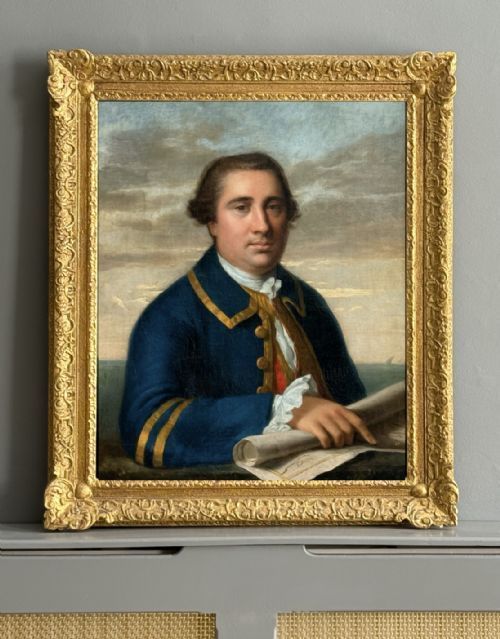
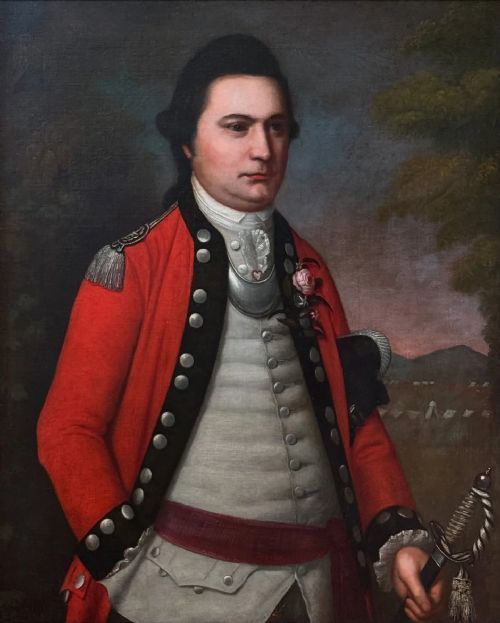
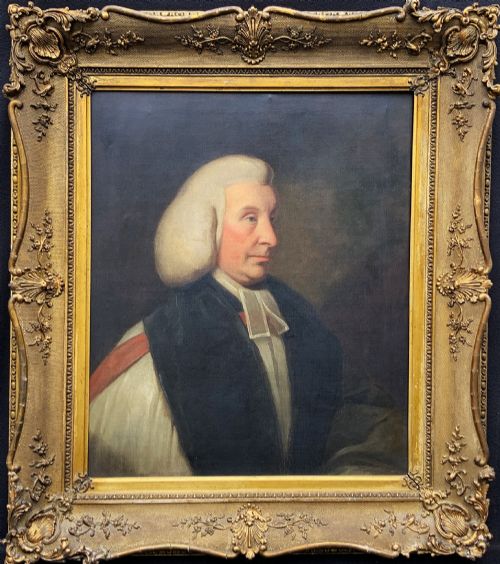
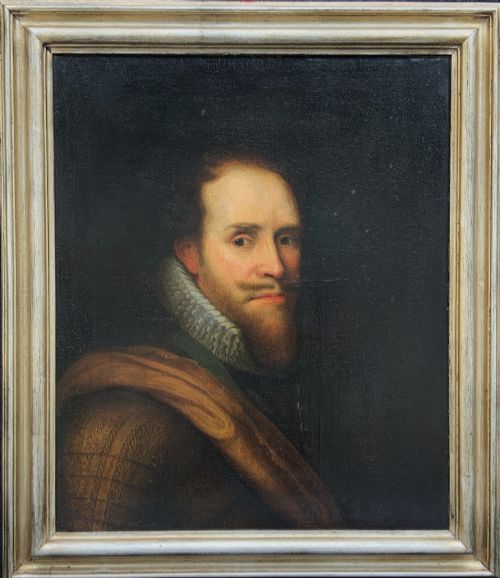
Historical Oil Painting
These historical oil painting examples capture centuries of portraiture and landscape, offering buyers a direct window into past eras through traditional media.
What they are
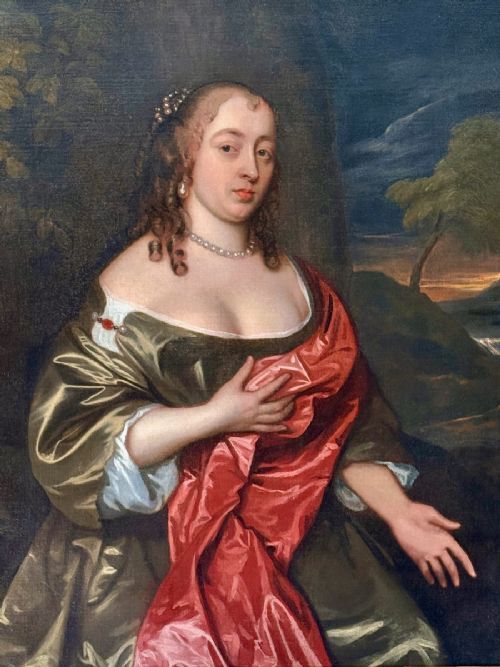
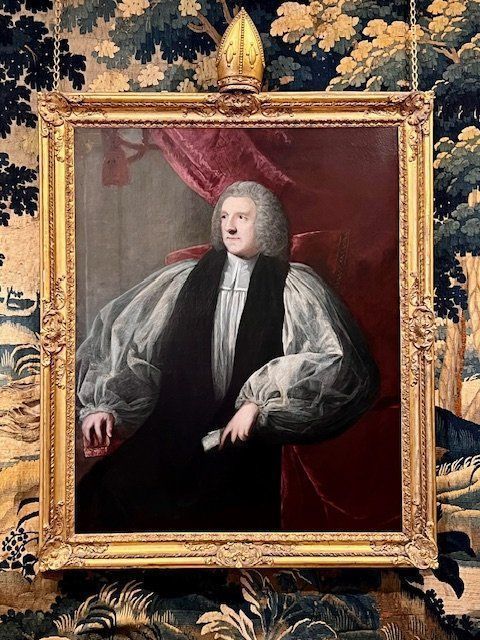
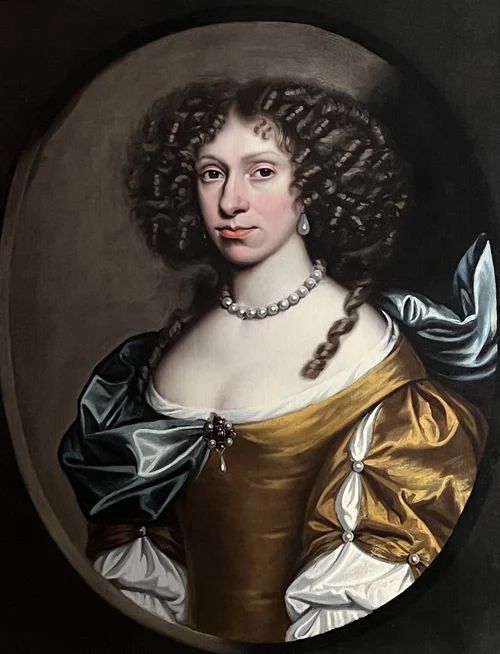
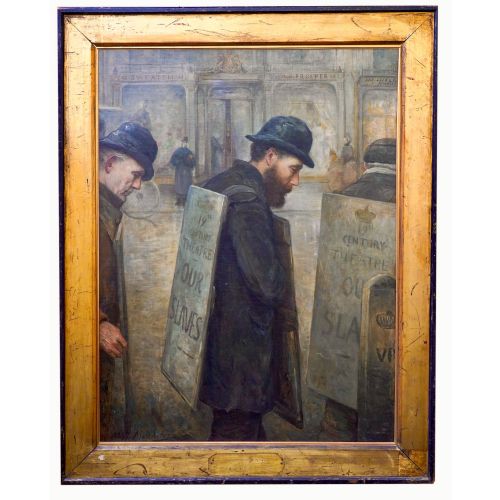
A historical oil painting brings centuries of recorded figures, landscapes, and maritime scenes directly into a room. These works span from the seventeenth century through the nineteenth century, capturing sitters, novelists, dukes, and coastal views.
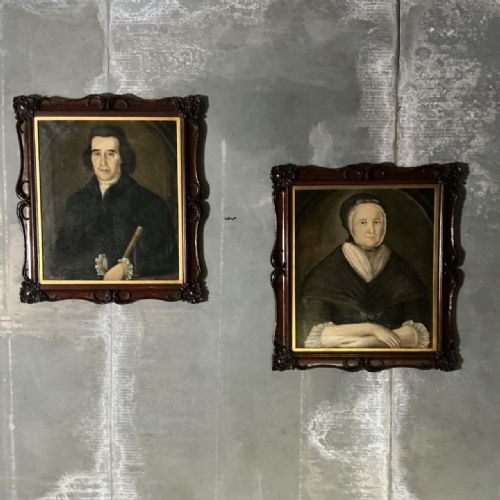
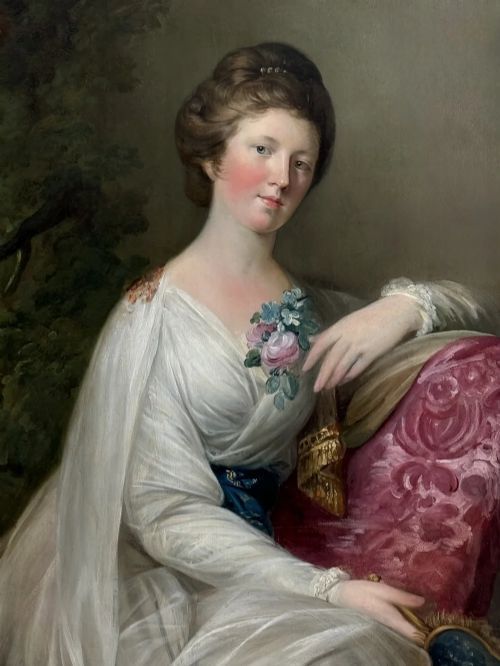
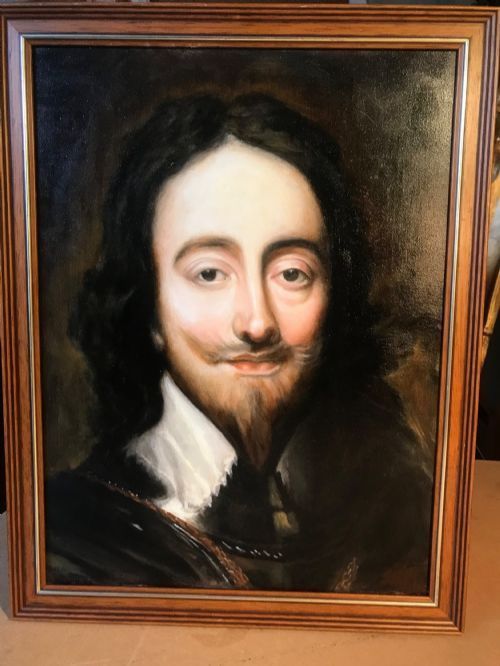
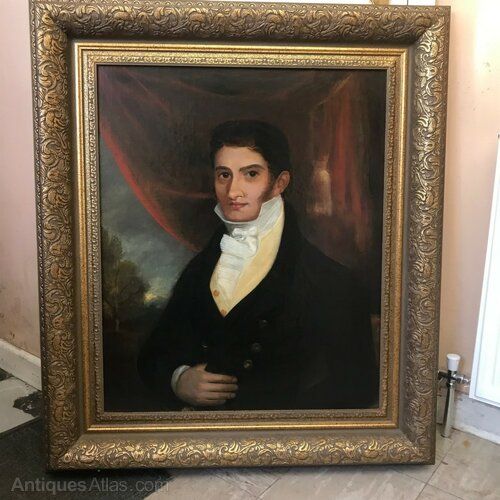
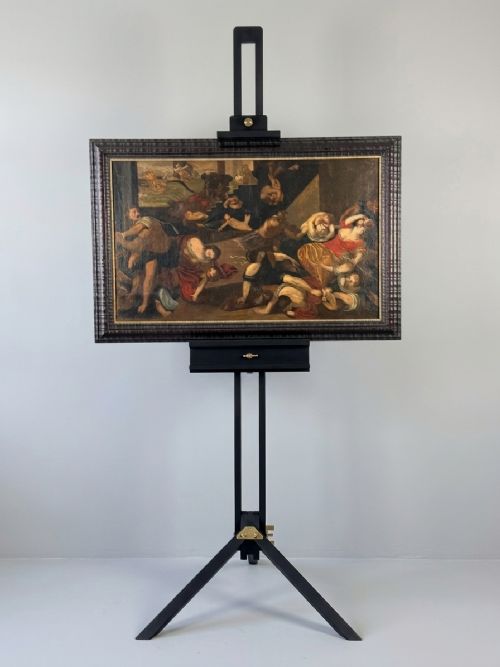
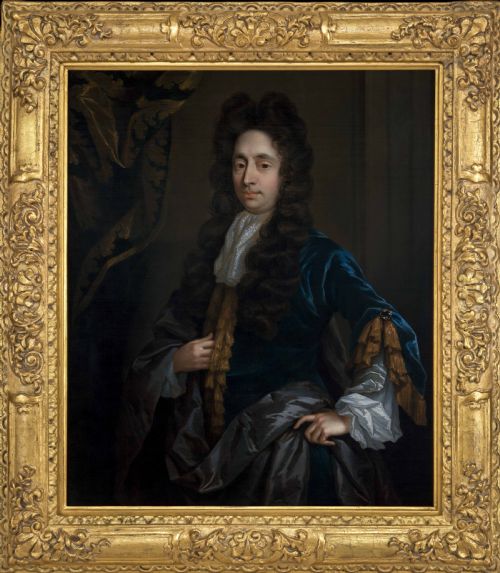
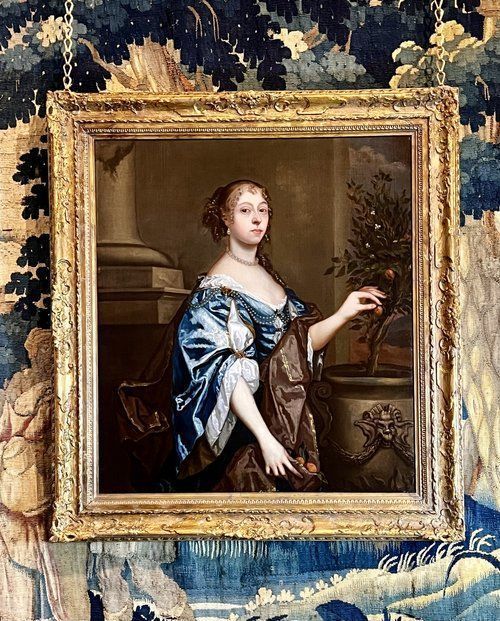
Buyers meet works from the Baroque, Jacobean, Georgian, and Regency periods, alongside nineteenth-century British portraiture and historical scenes. Portraits dominate the selection, showing subjects in sumptuous attire, lace, and historical clothing.
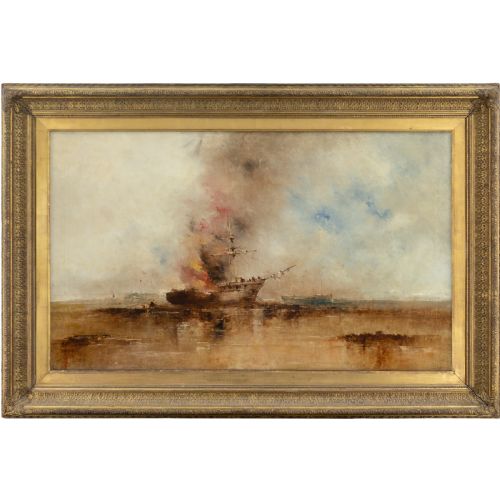
The phrase covers both formal studio portraits and landscape scenes, such as views of Yorkshire or marine compositions. Pieces range from works by named hands and their circles to examples from the English School.
How they were made
Artists built these historical oil painting works using oil paint applied to canvas or wood panel supports. The combination of oil medium and firm backing allowed for rich layering and detail in drapery, flesh tones, and background foliage.
Works frequently sit within timber frames, many finished with gilt surface treatments. These frames complement the depth of the painted scenes and protect the edges of the canvas or panel over centuries of display.
Retail Price Guide 2026
Typical UK retail prices for historical oil painting, calculated from the Sellingantiques database of over a million retail prices indexed since 2003. This retail price guide relies exclusively on Sellingantiques data; no external sources or auction records are used, so the figures do not describe the wider market.
What varies in quality
Quality rests in the handling of the subject, the execution of fine details such as lace and jewels, and the depth of the composition. Master works from established circles display superior facial modeling and confident brushwork.
The integrity of the canvas or wood panel and the preservation of the original oil paint layer dictate the overall standard. Superior examples retain their original surface texture and structural framing without heavy modern intervention.
Charles D Agar·Cornelius Johnson·Charles Robert Leslie·George Dawe·William Salter·Godfrey Kneller
The Historical Oil Painting Glossary
- Oil
- A painting medium using pigments bound with drying oils such as linseed. This medium allows for smooth blending and rich tonal depth.
- Wood Panel
- A rigid support base made from timber used before canvas became dominant. Panels provide a stable surface for detailed early works.
- Gilt
- A gold leaf or gold paint finish applied to frames. This technique enhances the decorative presentation of the artwork.
- Baroque
- An artistic style characterised by dramatic movement and clear detail. It forms a key aesthetic in seventeenth-century portraiture.
Frequently Asked Questions
How do I date a historical oil painting?
Dating relies on costume details, sitter identification, and recorded artist timelines. Clothing styles such as lace and sumptuously cut coats offer immediate clues.
Material supports also guide dating, as wood panels appear more frequently in earlier centuries while canvas grows common later.
Where were these paintings displayed originally?
These works hung in country houses, institutional halls, and private drawing rooms across Britain. Portraits commemorated family lineages, nobility, and notable literary figures.
Landscapes and marine scenes recorded specific regional views, properties, and maritime voyages for domestic display.
How should I care for an oil on panel piece?
Keep wooden panels away from direct heat sources and rapid humidity shifts. Stable environmental conditions prevent the wood from warping or cracking.
Dust the surface gently with a soft, dry brush and avoid chemical cleaning agents entirely.
What is the difference between canvas and panel works?
Canvas offers flexibility and resilience over large scales, suiting many eighteenth and nineteenth-century portraits. Wood panels provide a rigid, smooth ground favoured in earlier seventeenth-century pieces.
Both media respond well to traditional framing methods.