
Classic Portrait Artwork
Classic portrait artwork captures centuries of individual likeness and character, offering buyers a direct connection to historical sitters through enduring painted and printed forms.
Classic Portrait Artwork
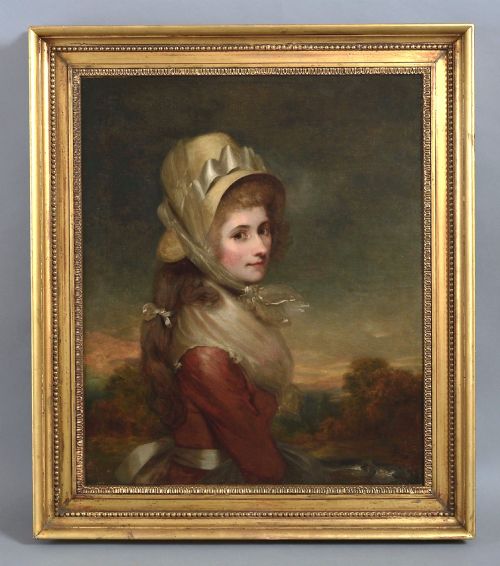
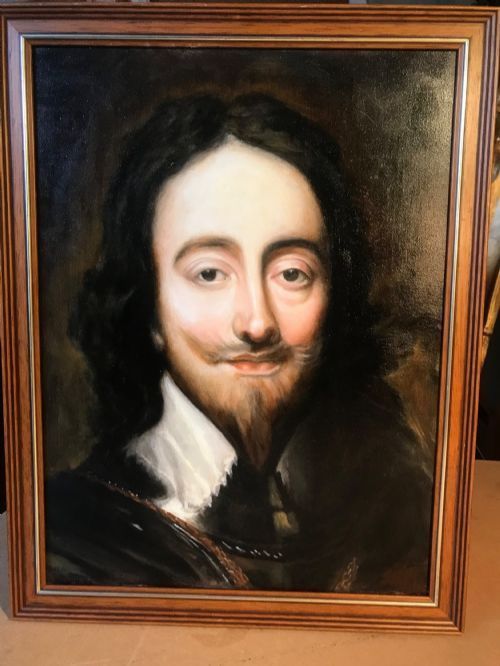
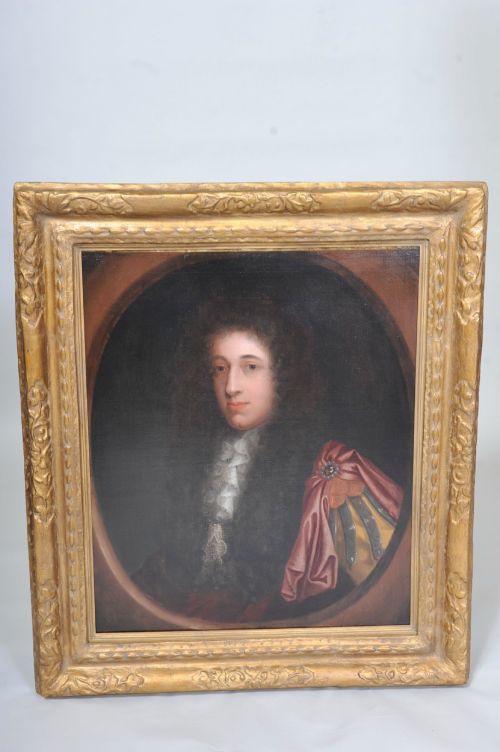
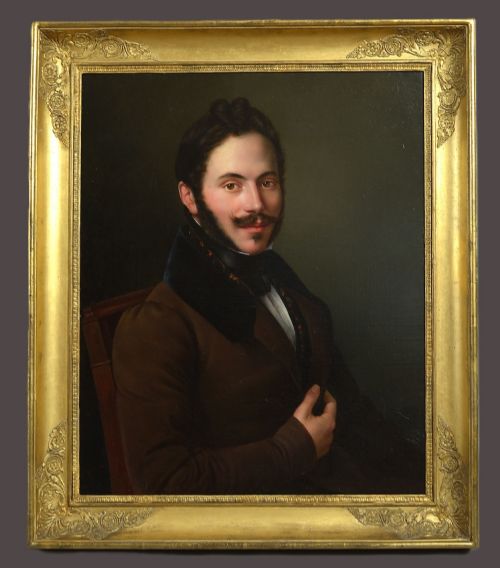
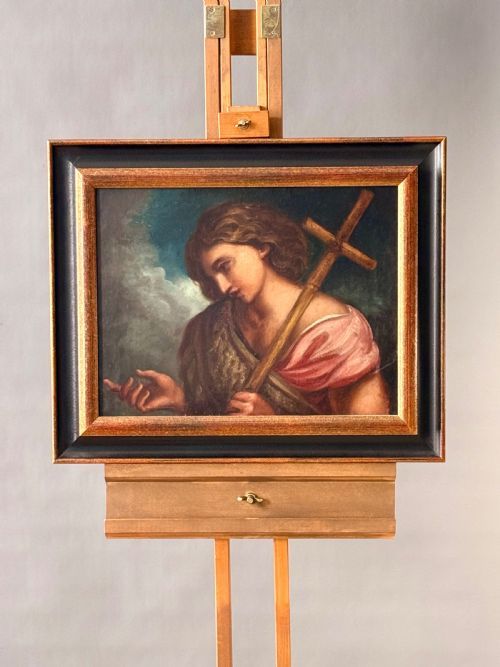
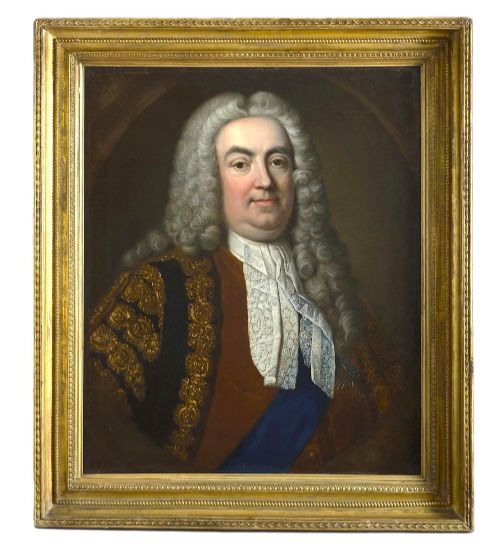
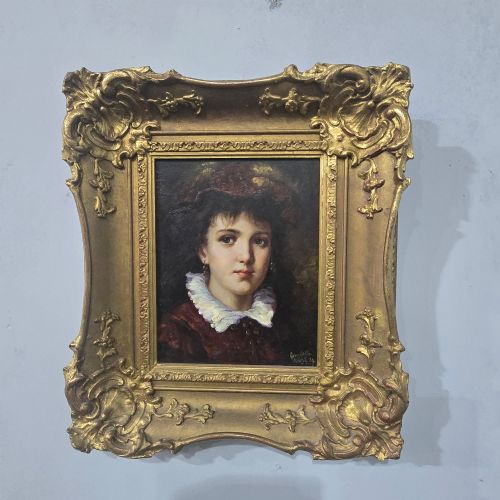
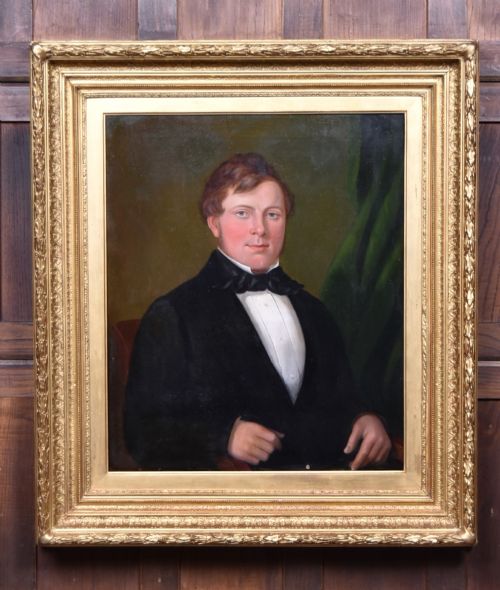
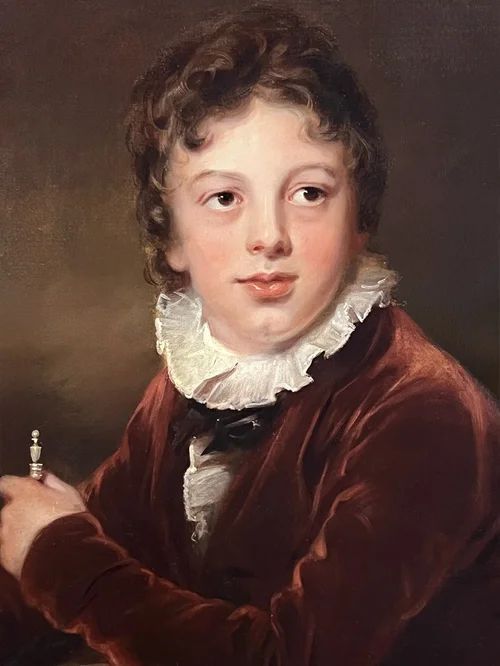
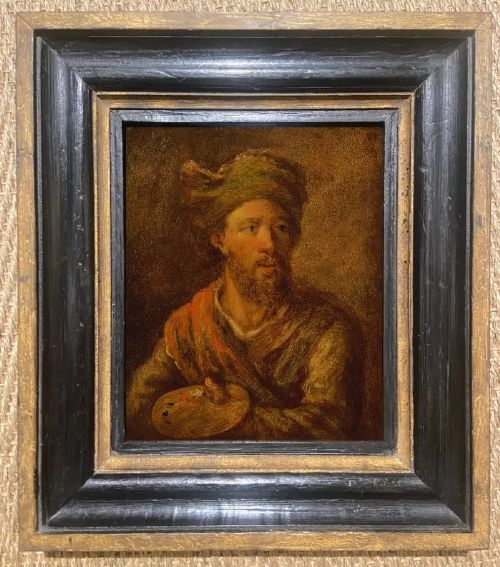
Classic portrait artwork encompasses paintings, drawings, and prints that depict named individuals, anonymous sitters, and historical figures. These pieces range from seventeenth-century oil canvases to nineteenth-century academic studies and twentieth-century interpretations.
The selections encountered here frequently span the seventeenth, eighteenth, and nineteenth centuries, executed in oil on canvas, wood, or paper. Buyers will also discover framed prints, engravings, and pastels originating from diverse European and British schools.
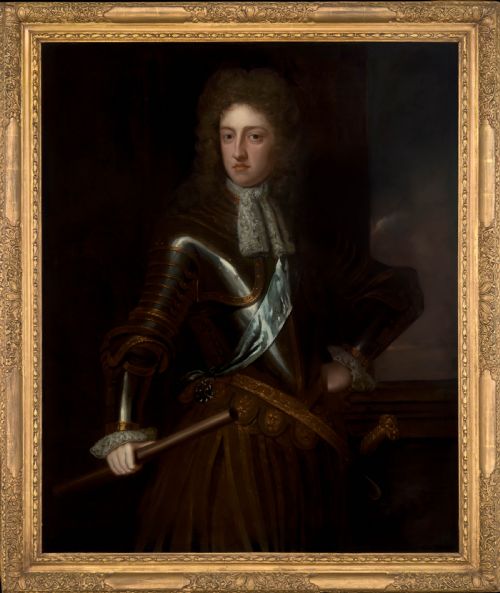
Subjects vary from aristocrats, military officers, and literary figures to intimate studies of everyday people and animal portraits. Each piece reflects the aesthetic conventions of its specific period, whether Baroque, Georgian, Regency, or Victorian.
How They Were Made
Artists typically applied oil paint onto stretched canvas or wooden panels, often building up rich layers of pigment to achieve depth and texture. Canvas preparation involved sizing and priming to ensure the stability of the ground before the portraitist began their work.
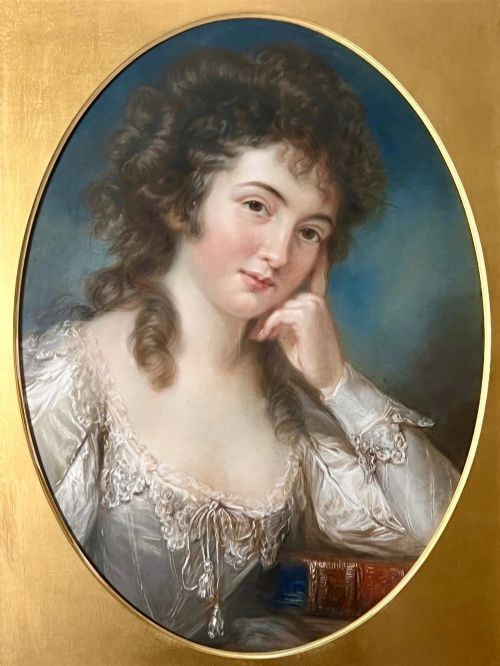
Works on paper utilised techniques such as pastel, gouache, and engraving to render finer linear details and softer tonal gradations. These pieces were protected behind glass within wooden frames, frequently accented with giltwood details to enhance the visual presentation.
Workshops often employed assistants to prepare secondary areas of a composition, such as drapery and background landscapes, while the master painter concentrated on capturing the sitter's facial likeness.
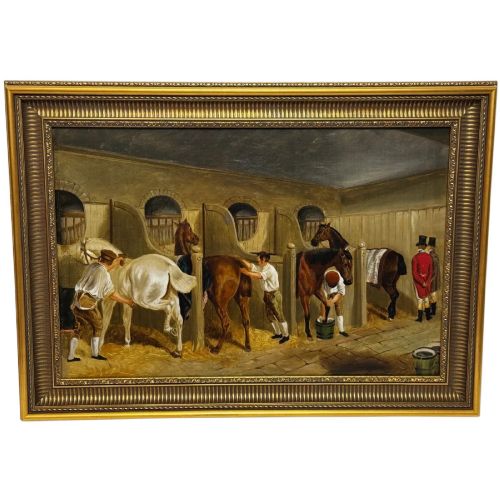
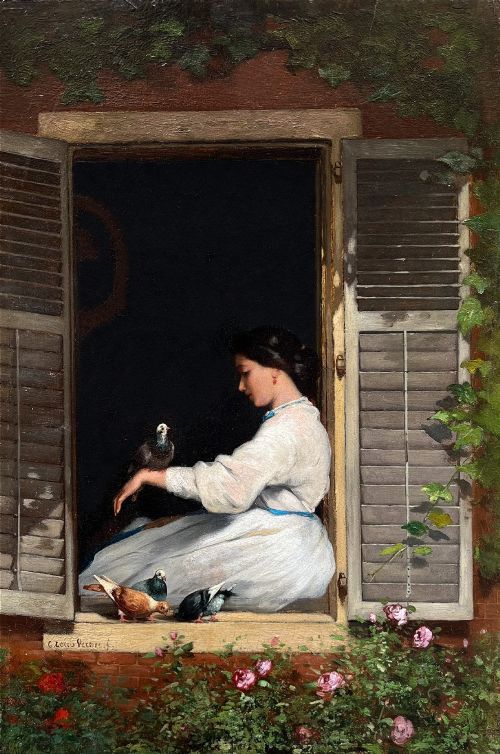
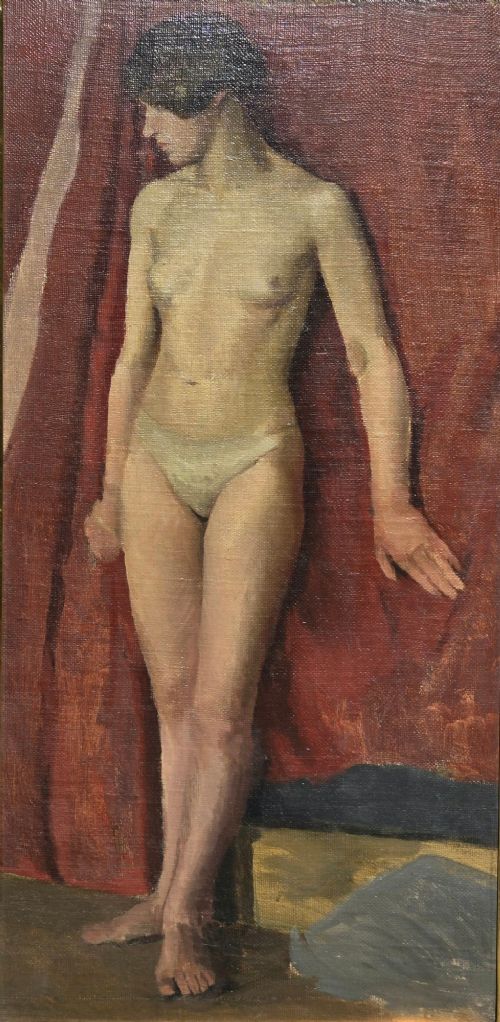
Subgenres represented in the inventory include formal aristocratic likenesses, animal studies, pastoral scenes, and academic human form drawings.
What Varies in Quality
Provenance and attribution significantly influence the standing of a piece, with works originating directly from recognised studios or documented academic painters commanding greater historical interest. The condition of the original surface, including minimal overpainting and stable canvas tension, also determines the integrity of the object.
Sir Martin Archer Shee·Anthony Van Dyck·Sir Godfrey Kneller·Edouard Pingret·Jean Baptiste Van Loo·Margaret Sarah Carpenter·John Russell R.A.·Thomas Spinks·Nicolaes Maes·Bertram Priestman RA·Attilio Toro·John Robert Dicksee
The Classic Portrait Artwork Glossary
- Oil on Canvas
- Pigments bound with an oil medium applied to a woven fabric support. This combination allowed artists to blend colours smoothly and rework sections over extended periods.
- Giltwood
- Wood carved and coated with gold leaf or a metallic substitute. This material was widely utilised for decorative antique frames designed to complement formal paintings.
- Mezzotint Engraving
- A printmaking process where the copper plate is roughened to achieve rich dark tones and subtle gradations of light. It became a favoured method for reproducing famous oil paintings in monochrome.
- Dutch Golden Age
- A period in seventeenth-century painting characterised by naturalistic rendering, dramatic lighting, and meticulous attention to texture. Portraiture from this era focused heavily on individual character and social standing.
- Academic Life Study
- A drawing or painting executed from a live human model, typically within an institutional training setting. These works prioritised precise anatomical accuracy and mastery of form.
Classic Portrait Artwork: Frequently Asked Questions
How are periods identified in antique portraits?
Stylistic clues such as costume design, hair styling, and framing techniques offer reliable indicators for dating an artwork. Painters also incorporated background accessories and furniture typical of their contemporary era.
Examination of the canvas support, stretcher frames, and pigment composition provides further physical evidence to confirm the approximate decade or century of creation.
Where should classic portrait artwork be hung?
These pieces require placement away from direct sunlight and excessive moisture to protect delicate oil paints and paper supports. Stable indoor environments prevent the wood and canvas from warping over time.
Selecting a wall with balanced ambient lighting allows the details of the subject and the craftsmanship of the frame to be fully appreciated without causing material degradation.
What does studio of mean on a label?
Attributions referencing a studio indicate that the artwork was produced under the direct supervision or within the active workshop of a master painter. Assistants frequently contributed to background elements while the principal artist oversaw the composition.
Such pieces reflect the working methods of historical art establishments and often share the technical characteristics of the named master's primary output.
How do pastels differ from oil portraits?
Pastel works utilise pure powdered pigment bound into sticks and applied directly to paper or prepared board. This medium produces a soft, velvety texture with luminous colour, though it remains highly sensitive to movement and environmental disturbance.
Oil paintings utilise liquid binders on sturdy canvas or panels, offering greater durability and the ability to achieve deep, glossy shadows and thick impasto highlights.