
Georgian Female Painting
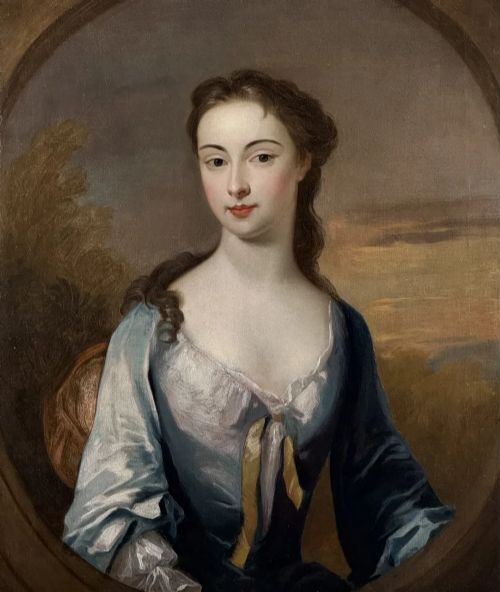
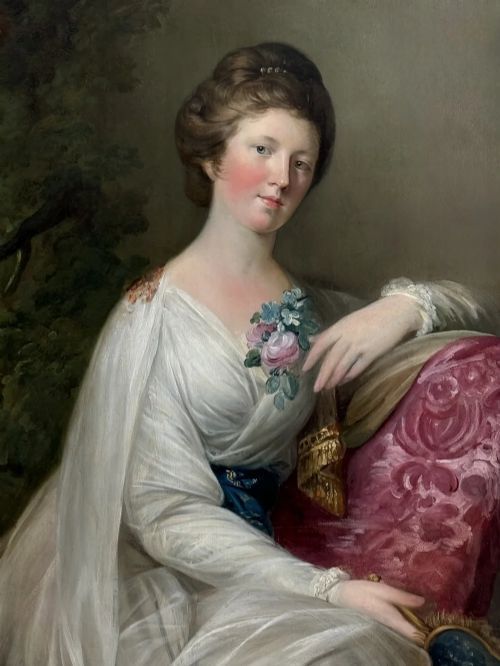
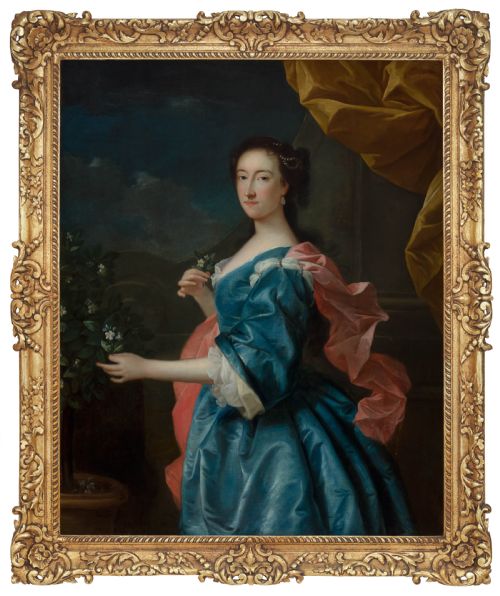
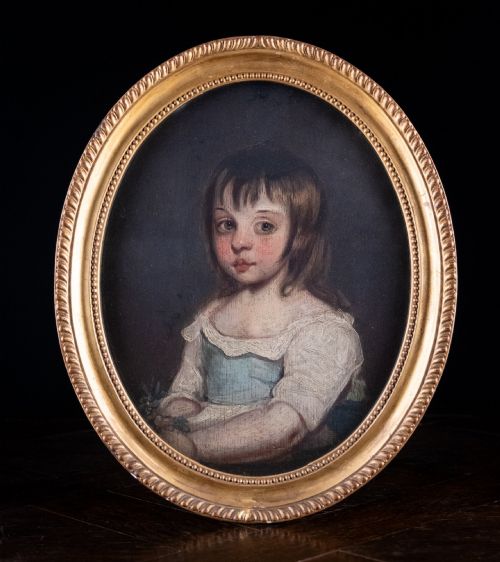
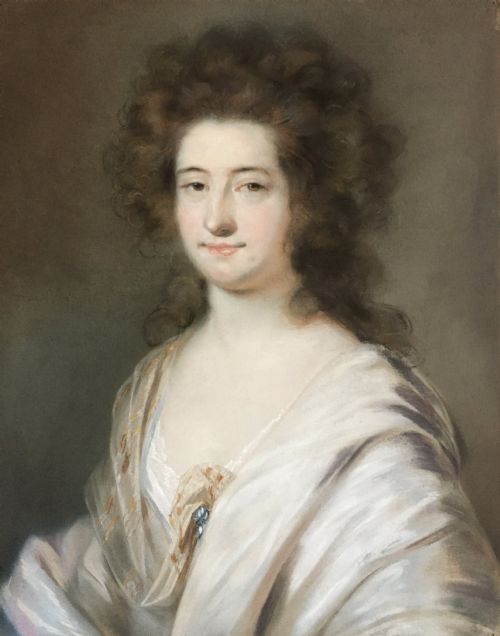
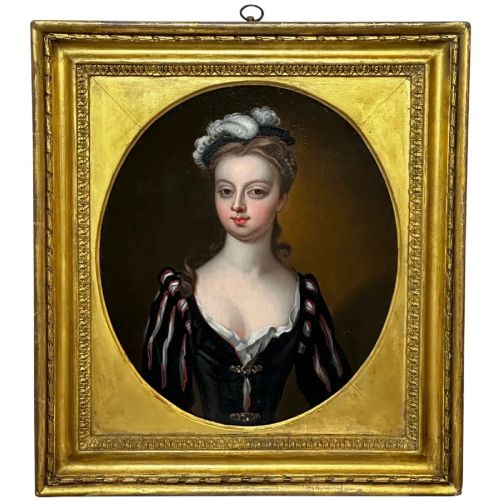
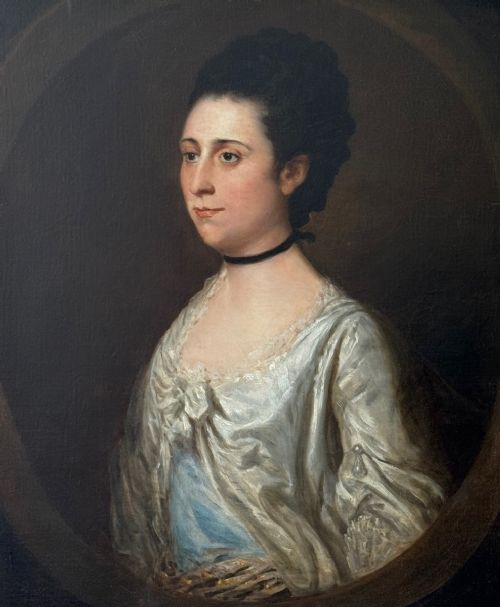
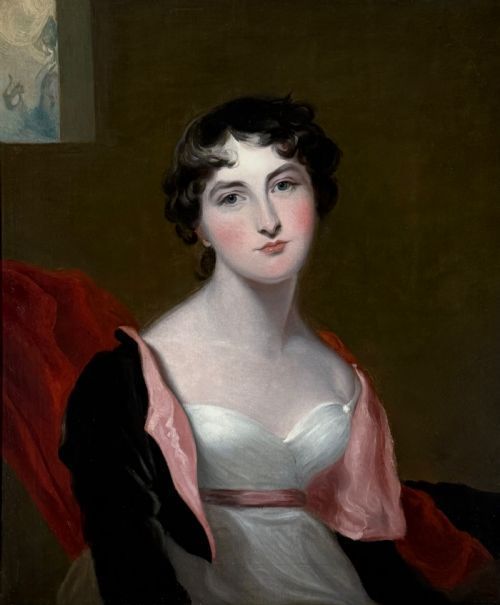
When you explore georgian female painting, you encounter centuries-old portraiture capturing women in oils, pastels, and delicate miniatures.
Georgian Female Painting
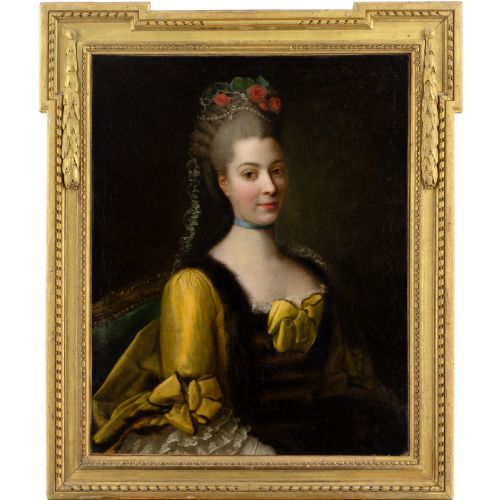
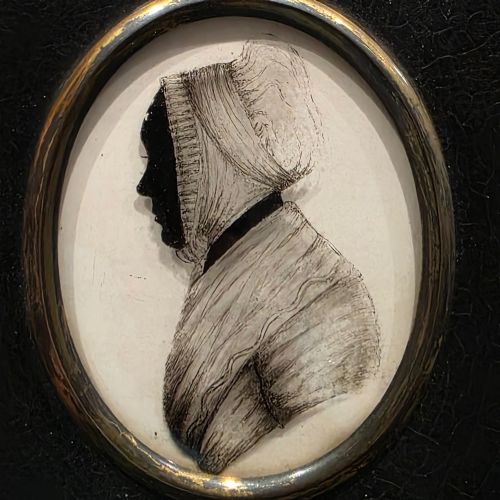
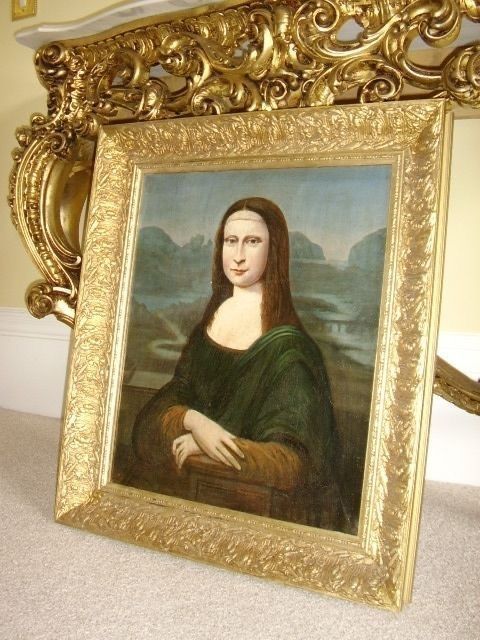
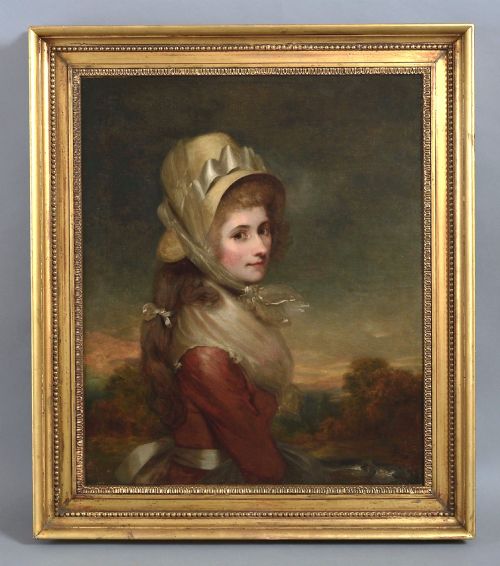
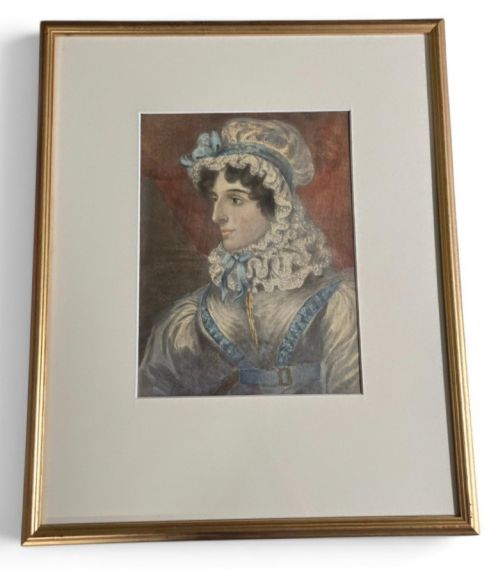
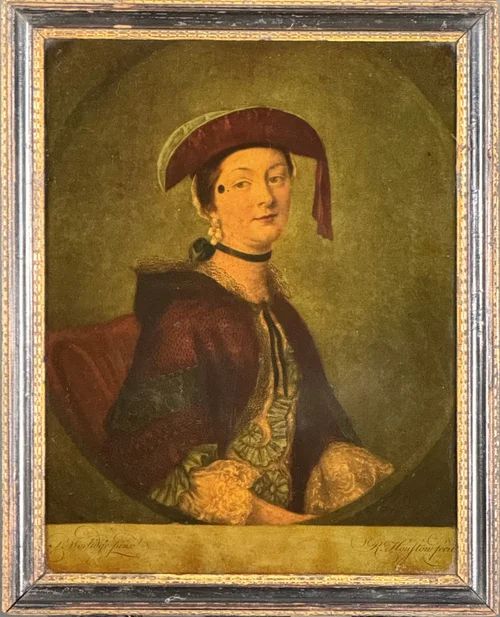
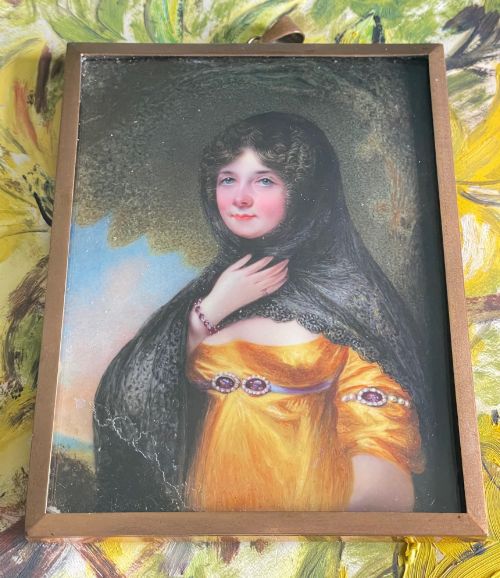
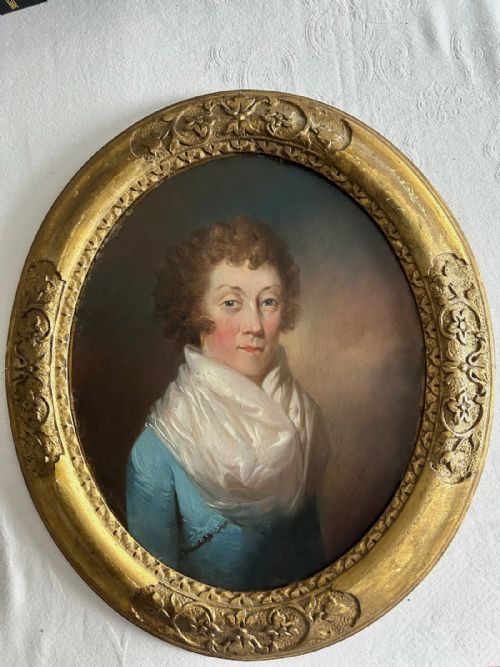
A georgian female painting encompasses a variety of historical portraits depicting women, girls, and ladies across several distinct eras. The selection frequently includes oil on canvas works, watercolour paintings, and portrait miniatures housed in glass and giltwood frames.
Most pieces date from the eighteenth and nineteenth centuries, spanning the Georgian, Regency, and Victorian periods. You will encounter both grand oil paintings and smaller silhouette works depicting named sitters or anonymous subjects.
Materials and technique
Many miniatures and silhouettes incorporate glass protection, seed pearls, and carved giltwood or ebony frames. These framing materials complement the fine brushwork and preserve the delicate surfaces against environmental wear.
Listings feature works spanning the eighteenth century, the nineteenth century, and the Regency period, created in oil, pastel, and watercolour.
Assessing the pieces
Quality rests upon the skill of the brushwork, the accuracy of anatomical representation, and the vibrancy of the remaining pigments. Masterful handling of light on silk, lace, and skin elevates a portrait far above a standard provincial record.
Provenance and attribution also influence the standing of a work. Pieces linked directly to documented portraitists or featuring well-recorded sitters carry stronger historical significance than unsigned or unattributed studio copies.
Charles Jervas·George Willison·Jeremiah Davison·Charles Spooner·Horace Hone·John Russell·Thomas Beach·Sir Thomas Lawrence·Sir Allan Ramsay·John Opie·Henry Pickering·Christian Friedrich Zincke
The Georgian Female Painting Glossary
- Portrait Miniature
- A small, highly detailed painting, often executed on ivory, vellum, or card and enclosed in a protective case. These intimate pieces were frequently worn as jewellery or kept as personal tokens.
- Reverse Painted Mezzotint
- An image transferred onto glass and painted from behind, creating a smooth, glossy surface finish. This technique was popular for producing decorative prints during the eighteenth century.
- Giltwood
- Timber carved and coated with gold leaf or a gold-coloured metallic finish. It forms the decorative border for many fine frames of the period.
- Pastel
- A dry medium consisting of powdered pigment and a binder, shaped into sticks. Artists used pastels to achieve soft, blended colour transitions in portraiture.
Georgian Female Painting: Frequently Asked Questions
What periods do these paintings cover?
The works span primarily the eighteenth and nineteenth centuries, encompassing the Georgian, Regency, and Victorian eras. Artists of these times produced both large-scale canvases and intimate portrait miniatures.
Specific styles also draw on eighteenth-century classical and French traditions, alongside later revivals stretching into the twentieth century.
How do I care for an oil painting?
Keep canvas works away from direct sunlight and fluctuating humidity to prevent cracking of the oil paint and warping of the wooden stretcher bars. Dust the surface gently with a soft, dry brush.
Avoid using water or chemical cleaners on historic painted surfaces or fragile giltwood frames.
Are all the sitters identified?
Many portraits record named individuals, such as nobility, landowners, or family members noted in historic inscriptions and provenance records. Other subjects remain anonymous, often titled simply as a lady or a country girl.
Researching costume, hairstyles, and framing styles frequently helps narrow down the decade in which an unknown sitter was painted.