




Regency Era Artwork
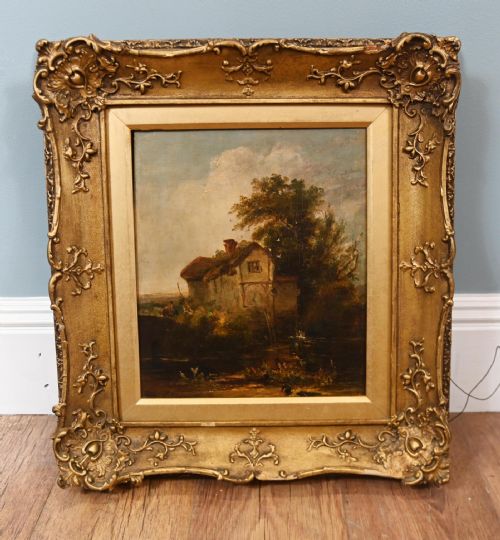
Regency era artwork brings the distinct portraiture, landscapes, and studies of the early nineteenth century straight to your walls.
Regency Era Artwork
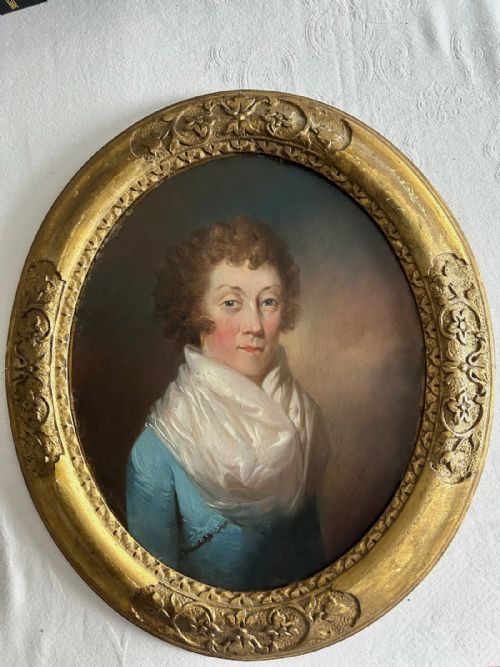
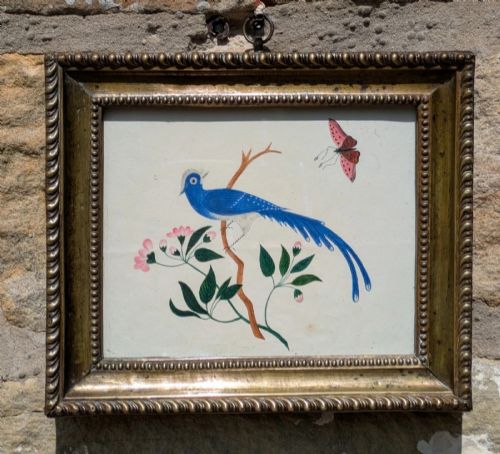
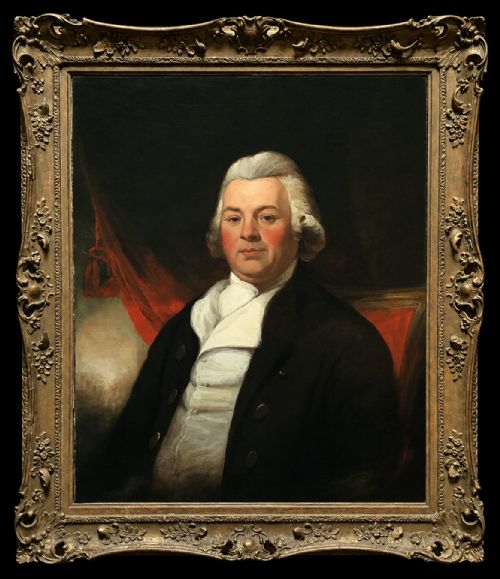
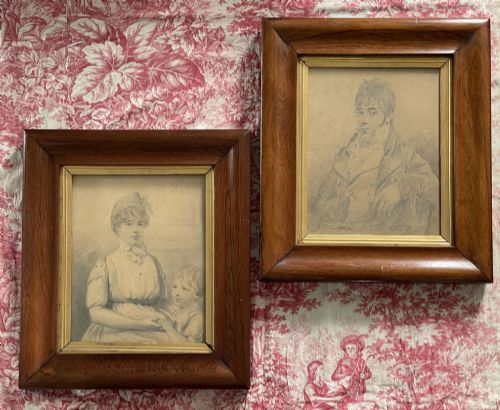
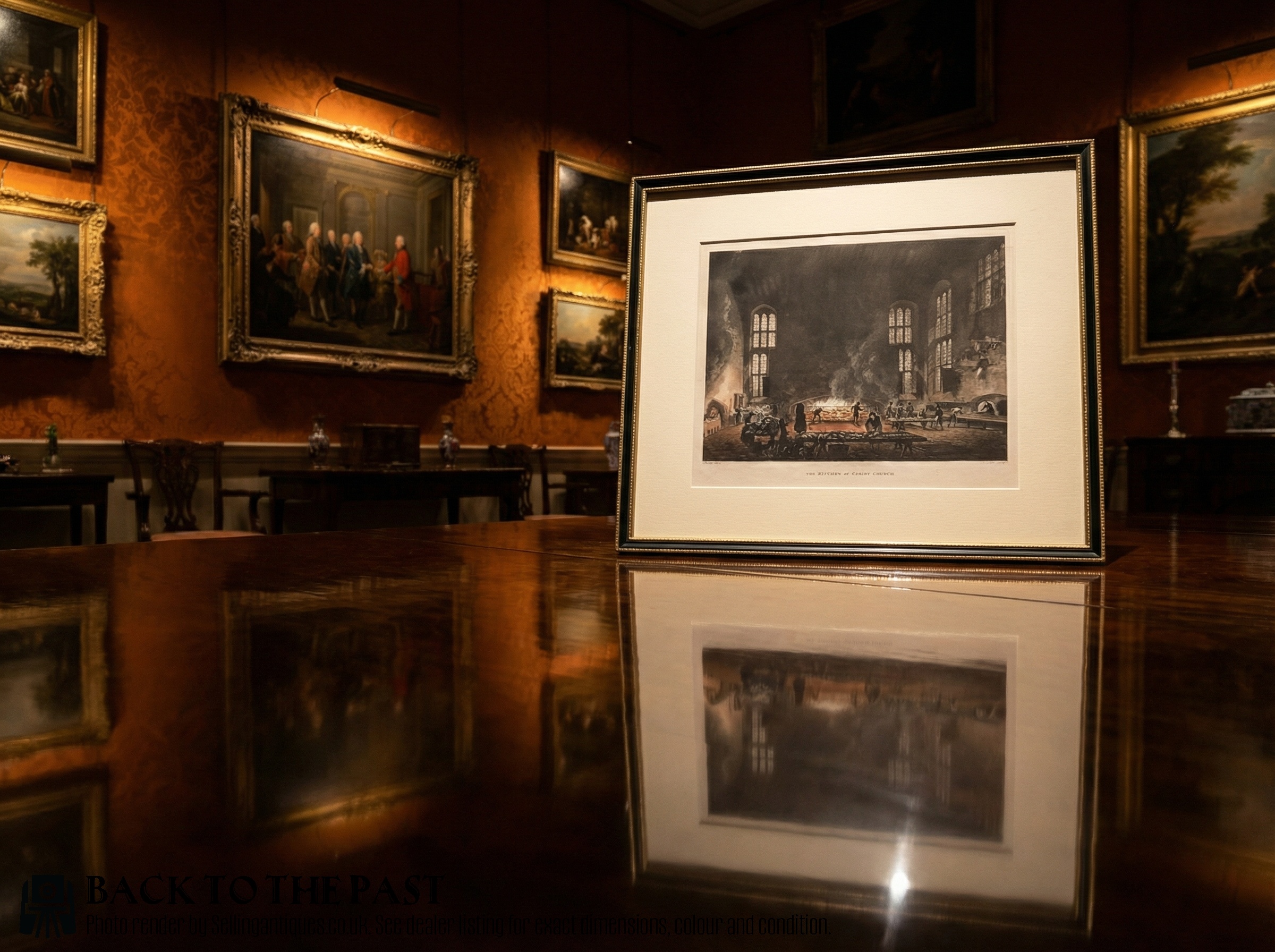
When you search for regency era artwork, you encounter a selection of pieces predominantly spanning the nineteenth century, the Regency period, and the Georgian era. These items encompass oil paintings, watercolours, pencil sketches, pastels, and framed prints capturing subjects from landscape scenes to detailed portraiture.
How regency era artwork was made
Artists of the period applied oil paint to canvas or wood panels, utilising traditional layering techniques to build depth in portraits and landscapes. Watercolours and gouache were applied to paper, sometimes supplemented with pencil, graphite, or pastel for finer detail.
Works often utilised giltwood or simple wooden frames to house the canvas, panel, or paper. Particular pieces incorporate specialised materials such as metal embellishments applied directly to clothing within printed works.
Listings feature works spanning the eighteenth century, the nineteenth century, 1800, the Regency period, and the 1930s.
What varies in quality in regency era artwork
The degree of realism and anatomical proportion in portraiture distinguishes professional academic output from folk art or primitive interpretations. Master painters handle light, shadow, and fabric textures with notable precision, whereas lesser examples rely on simpler line work.
The durability of the underlying support material, whether canvas, wood panel, or paper, influences the longevity and preservation of the piece. Surviving works retaining their original pigments and framing materials demonstrate superior historical integrity.
Margaret Sarah Carpenter·George Watson·Samuel Raven·James Ward·Stephanus Chiantor·Henry Hoppner Meyer·John Russell·John Thirtle
The Regency Era Artwork Glossary
- Regency
- A period in British history spanning from 1811 to 1820, characterised by distinct architectural, artistic, and fashion sensibilities. It often extends descriptively to cover the broader architectural and artistic output of the early nineteenth century.
- Watercolour
- A painting method where natural pigments are suspended in a water-based solution and applied to paper. It was widely used for intimate portraits and topographical landscapes during the Georgian era.
- Giltwood
- Wood that has been coated with a thin layer of gold leaf or gilt powder. It is commonly found on the decorative frames housing period artwork.
- Norwich School
- A group of artists influenced by the Norfolk landscape, active during the early nineteenth century. They produced notable oil paintings and watercolours celebrating rural scenery.
Regency Era Artwork: Frequently Asked Questions
What subjects appear in regency era artwork?
Portraits of society figures, children, and military officers form a substantial portion of the subjects depicted in these works. Landscapes, architectural studies, and animal compositions also appear frequently.
Artists recorded both prominent individuals and everyday scenes, providing a comprehensive visual record of the era. The selection ranges from formal oil portraits to intimate watercolour sketches.
How do I care for antique watercolours?
Watercolours on paper require protection from direct sunlight to prevent the fading of delicate pigments. Framing behind conservation-grade glass helps shield the paper from environmental moisture and pollutants.
Keeping pieces away from fluctuating heat sources preserves the integrity of both the paper and the original frame. Gentle handling ensures the fragile medium remains undamaged over time.
How can I tell a sketch from a print?
Closer inspection under magnification reveals the physical indentations of graphite or pencil lines characteristic of original hand-drawn sketches. Prints display a dot pattern or uniform ink distribution rather than individual brush or pencil strokes.
Original works on paper often show slight tonal variations and texture unique to manual application. Prints maintain a flat surface appearance even when embellished with additional materials.
Where were these pieces displayed historically?
Portraiture and landscape paintings hung within the parlours, drawing rooms, and studies of Georgian and Regency homes. Smaller watercolours and miniatures were often kept in private chambers or carried as personal mementoes.
Larger oil canvases served as statement pieces in country houses, reflecting the status and tastes of the household. Prints provided an accessible alternative for decorating domestic interiors.