


Nineteenth Century Etching
Nineteenth century etching captures printed lines on paper alongside engraved glass and metal, offering collectors fine historic detail.
Nineteenth Century Etching
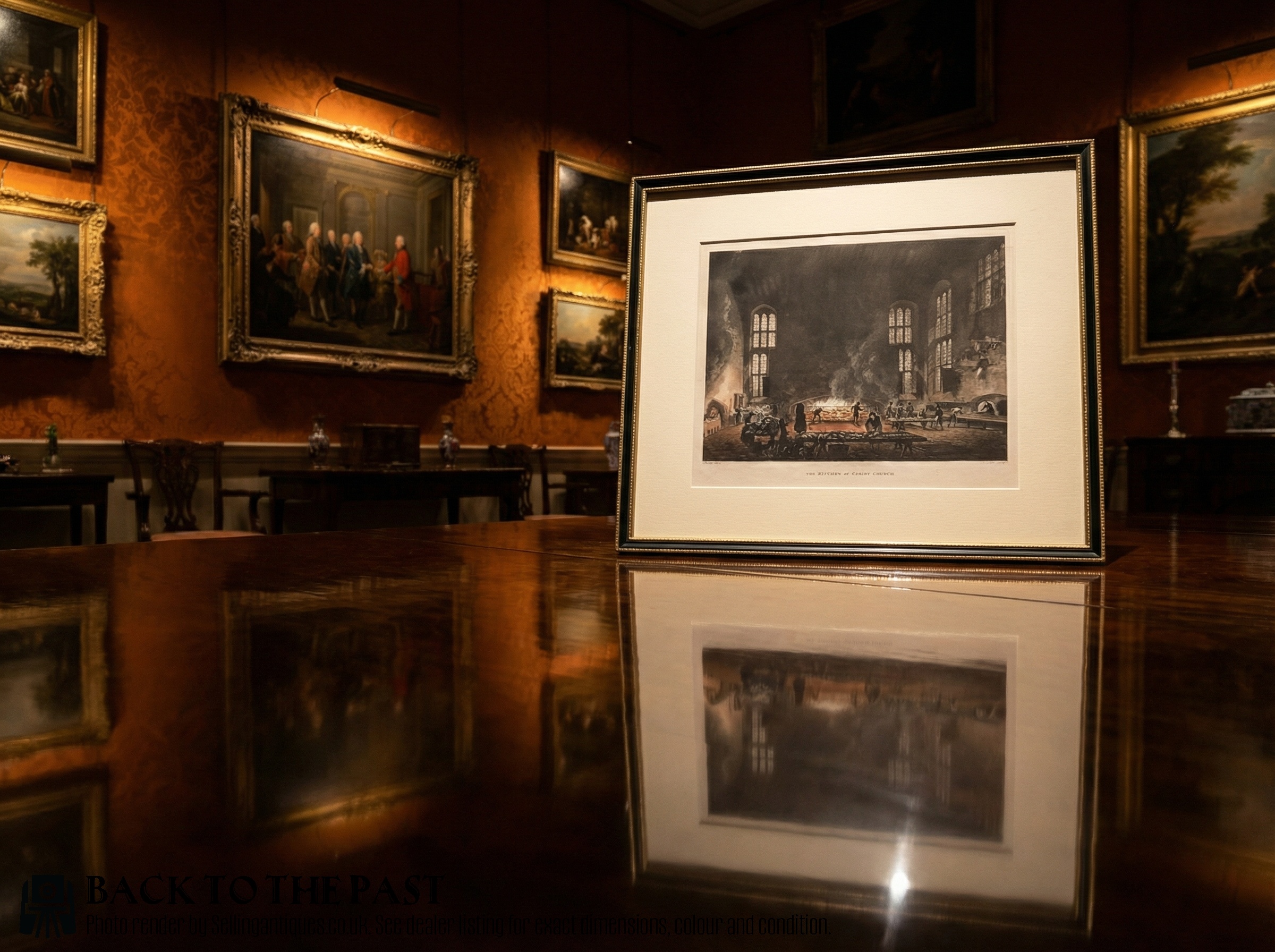
Nineteenth century etching encompasses printed works on paper, alongside engraved and etched glass vessels and mirrors from the period. Buyers exploring nineteenth century etching find framed prints depicting subjects like sporting scenes and school views alongside table glassware.
The selection ranges across the nineteenth century, including specific dates such as 1850, 1860, 1870, 1880 and the broader Victorian era. Forms vary from framed art prints to wine glasses, decanters, and mirrors.
How they were made
Makers utilised paper for printed engravings, applying hand colouring to enhance the finished image. Glass vessels underwent cutting and engraving techniques to achieve decorative surface patterns.
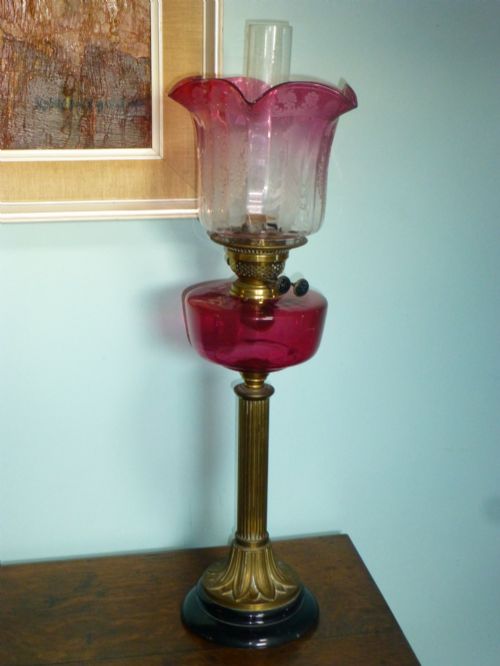
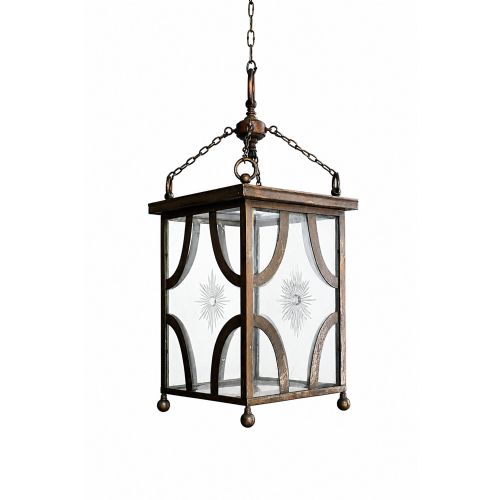
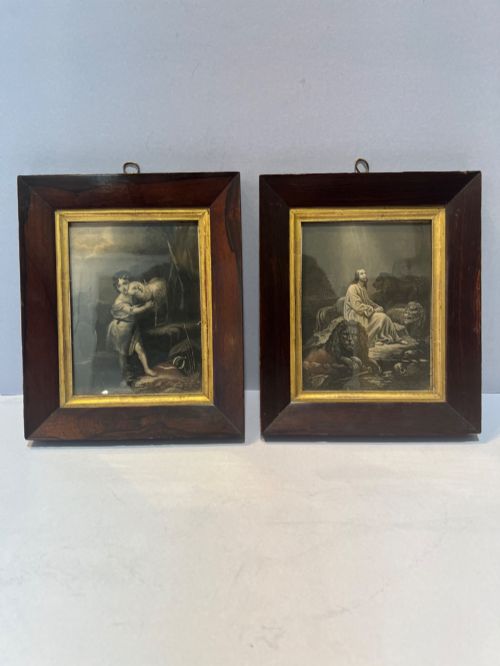
Frames incorporate wood, rosewood veneer, and gilded wood, while lighting and decorative objects employ brass, bronze, clear glass, cranberry glass, and ruby glass.
A leather covered sword stick hides a decorated blade alongside delicate wine glasses.
What varies in quality
Quality rests in the crispness of the lines upon paper and the depth of the cutting upon glass. Superior examples display careful hand colouring and precise detail.
Materials contribute to distinction, with cranberry and ruby glass finishes, silver plating, and gilded wood frames marking out finer productions.
The Nineteenth Century Etching Glossary
- Etching
- A printmaking method where acid bites lines into a metal plate before printing on paper. This technique produces fine, detailed lines.
- Engraving
- A process of cutting designs directly into metal, glass, or other hard materials using a sharp tool. It yields clean, permanent incisions.
- Hand coloured
- Prints finished with watercolour applied by hand after the initial impression. This adds specific tones to the imagery.
- Cranberry glass
- A rich pinkish-red glass created by adding gold to the molten batch during production. It appears frequently in nineteenth century tableware.
Nineteenth Century Etching: Frequently Asked Questions
What subjects appear in these prints?
The printed works show subjects such as sporting art, fox hunting, and institutional views like Eton.
These depictions reflect the popular visual culture of the period.
How do glass items fit this category?
Glass pieces include etched dessert wine glasses, decanters, tumblers, and ewers featuring surface decoration.
Such items utilise similar engraving techniques applied to three-dimensional vessels.
Which materials dominate the frames?
Frames incorporate wood, rosewood veneer, and gilded wood, often shaped with arched tops.
These surrounds complement the paper prints and mirrors they enclose.
How are the periods identified?
Dates span the nineteenth century, including specific years like 1850, 1860, 1870, 1880, and the Victorian era.
Stylistic markers and material types help place items within this timeframe.