


Antique Monochrome Print
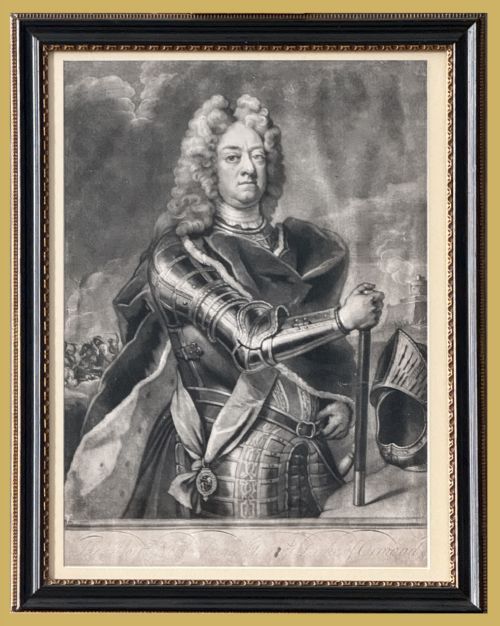
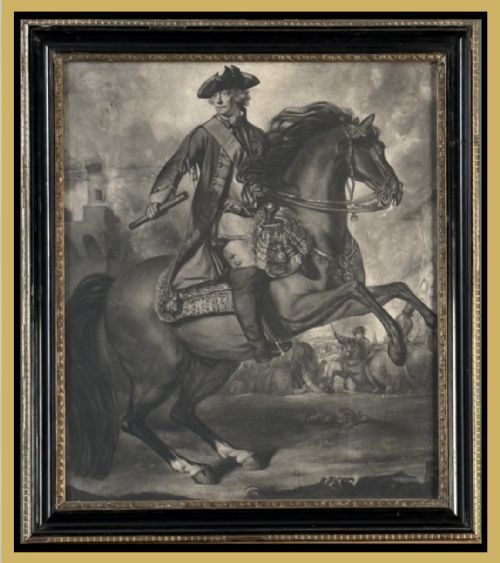
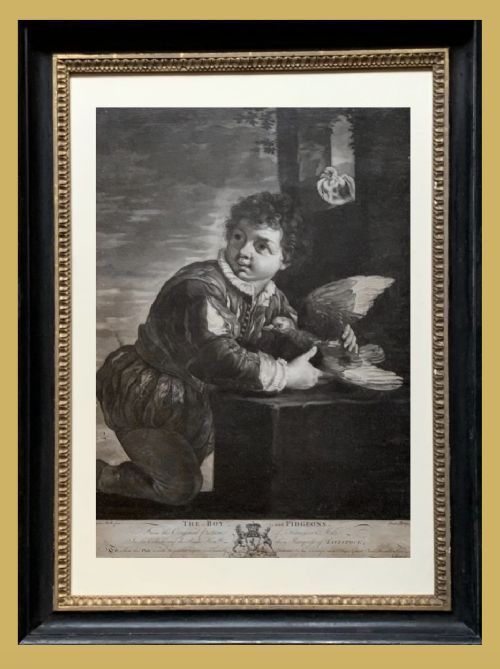
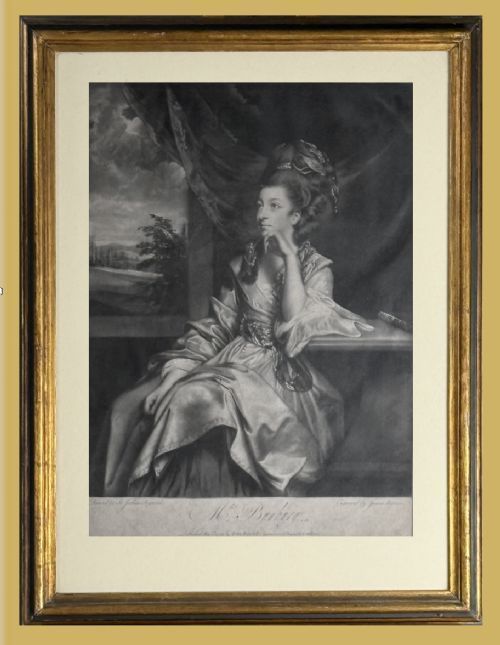
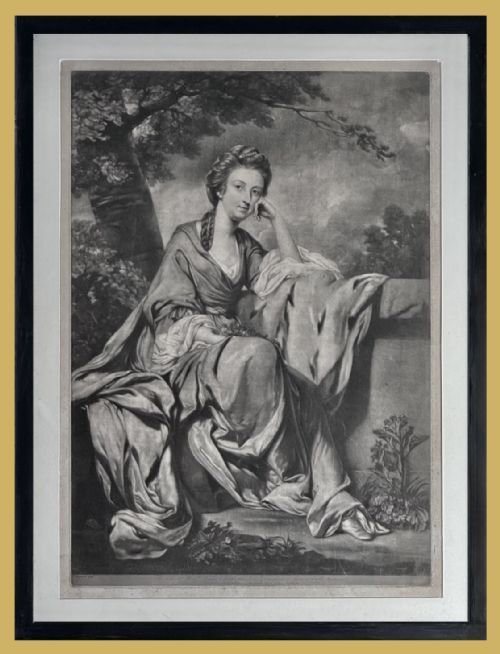
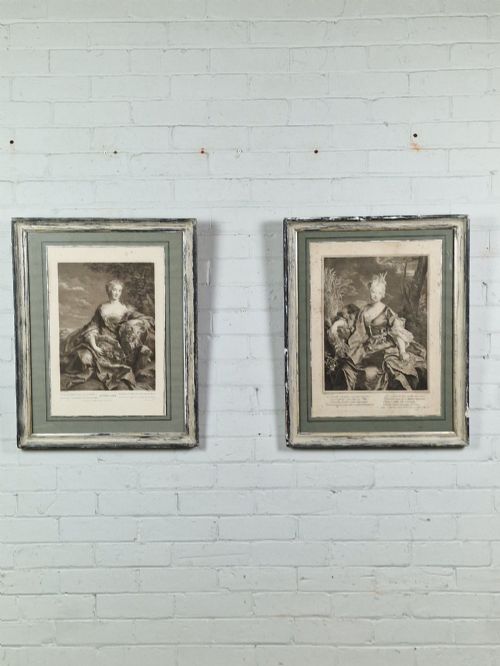
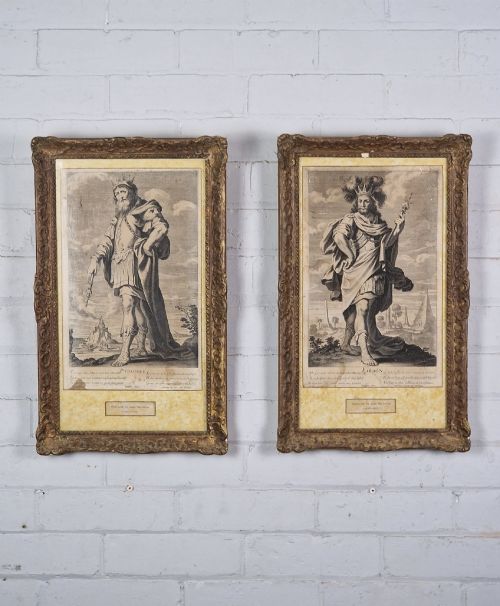
These antique monochrome print examples bring historic portraiture and architectural studies into a room with striking contrast.
What an antique monochrome print is
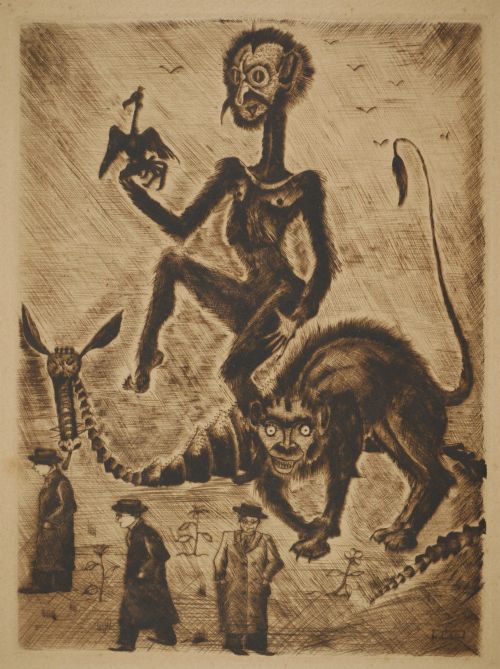
An antique monochrome print delivers visual impact through single-colour ink on paper, spanning portraiture and architectural subjects. These works capture historical figures and classical ruins with remarkable tonal depth.
The selections on this page bridge the eighteenth and nineteenth centuries, displaying Georgian and Victorian sensibilities. Pieces range from intimate mezzotint portraits to large architectural engravings.
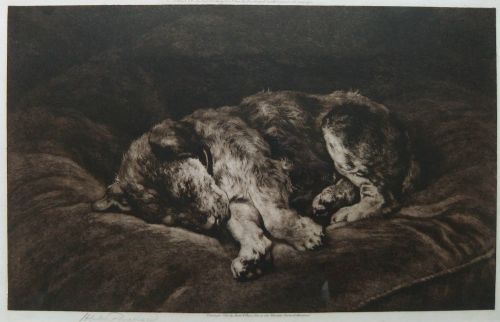
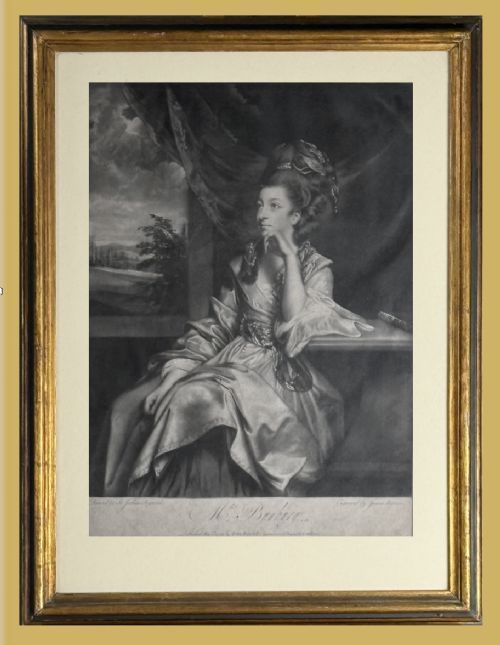
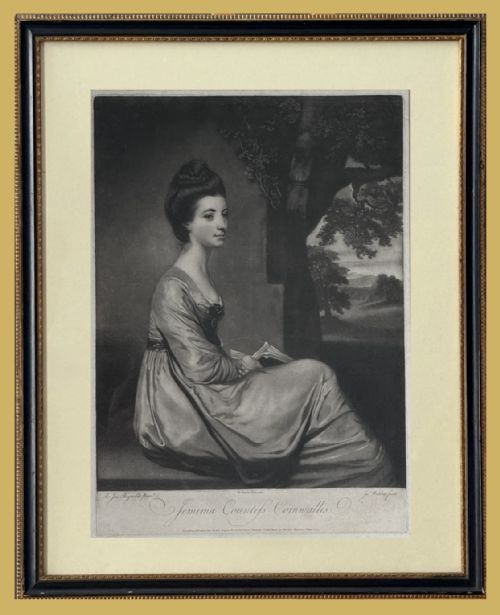
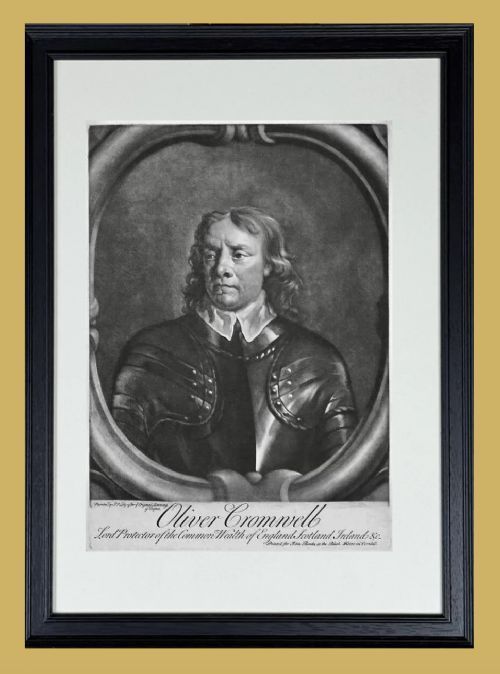
Subjects include notable figures such as Jemima, Countess of Cornwallis, children bathing, school scenes like Eton Upper School, and the antiquities of Athens. Each item represents a distinct collaborative effort between artist, painter and engraver.
How they were made
Makers utilised ink applied to engraved or mezzotint plates, pressing the design firmly onto heavy paper. This process required exceptional skill to build up subtle tones and deep shadows without colour.
Finished works often found housing behind glass within wooden frames, frequently enhanced by gilt details that framed the monochrome imagery. The combination of paper, ink, wood and glass protected these delicate sheets from atmospheric damage.
Retail Price Guide 2026
Typical UK retail prices for monochrome print, calculated from the Sellingantiques database of over a million retail prices indexed since 2003. This retail price guide relies exclusively on Sellingantiques data; no external sources or auction records are used, so the figures do not describe the wider market.
Even ancient Greek ruins needed good lighting, as proven by detailed eighteenth-century prints recording the antiquities of Athens.
What varies in quality
Quality rests in the crispness of the ink impression and the subtlety of the tonal gradations across the paper surface. Finer plates yield sharp architectural lines and velvety darks in mezzotints, whereas worn plates produce muddy or weak passages.
The collaborative pedigree also distinguishes the works, as prints produced after celebrated painters by skilled master engravers command greater artistic regard. Furthermore, the preservation of the original paper and the quality of the associated framing elements complete the assessment.
James Watson·Sir Joshua Reynolds·James Ward·John Hoppner·Tom M. Hemy·James Basire
The Antique Monochrome Print Glossary
- Mezzotint
- A printmaking process where the copper plate is roughened to achieve rich dark tones and smooth gradations. This technique allows for remarkably lifelike portraits.
- Engraving
- A method of cutting design lines directly into a metal plate using a sharp tool called a burin. It produces crisp, precise details ideal for architectural subjects.
- Neoclassical
- An artistic style drawing inspiration from the classical art and culture of ancient Greece and Rome. It influences subjects such as classical antiquities and statues.
- Georgian
- The historical period spanning the reigns of the four British monarchs named George, defined by classical restraint and elegance. This era produced refined architectural and portrait prints.
Frequently Asked Questions
What is an antique monochrome print?
An antique monochrome print is a work on paper produced in a single ink colour using traditional techniques like engraving or mezzotint. These pieces date back to earlier centuries and depict portraits, school scenes, or architectural antiquities.
They offer a direct link to historical printmaking methods, showcasing the collaborative artistry of painters and engravers from the eighteenth and nineteenth centuries.
How should I frame these prints?
These works typically require conservation framing behind glass to protect the historic paper from light and moisture damage. Selecting wooden frames with subtle gilt accents often complements the traditional aesthetic of the period.
Ensuring acid-free mounts are used will prevent yellowing and preserve the integrity of the monochrome ink over time.
How do I identify the period?
Dating relies heavily on the style of the engraving, the paper characteristics, and any inscribed publication lines naming the artists and dates. Reference to historical figures or architectural studies often provides a clear chronological anchor.
Stylistic cues from the Georgian and Victorian eras also help place the work within its specific nineteenth or eighteenth-century context.
Where were these prints displayed?
Historically, such prints hung in libraries, studies, and drawing rooms of substantial homes to demonstrate the owner's cultural interests and classical education. Large architectural plates and detailed portraits served as both decoration and intellectual conversation pieces.
Today, they suit similar scholarly or domestic spaces where historic character and tonal contrast are desired.