


Paper Mezzotint Print
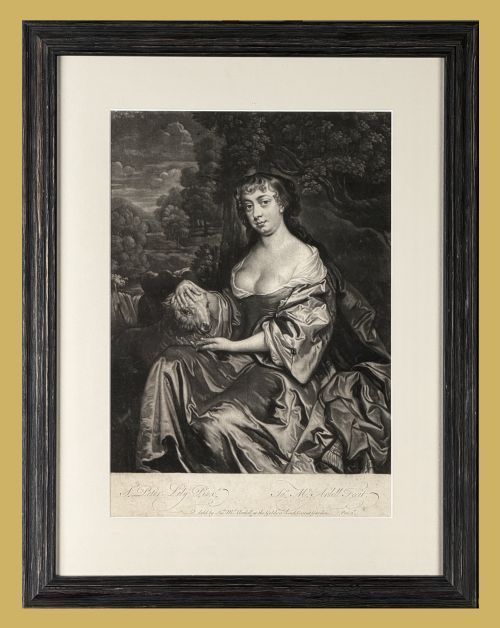
These paper mezzotint print works capture historical likenesses through deep tonal gradations, offering collectors a direct link to portraiture from past centuries.
Understanding paper mezzotint print works
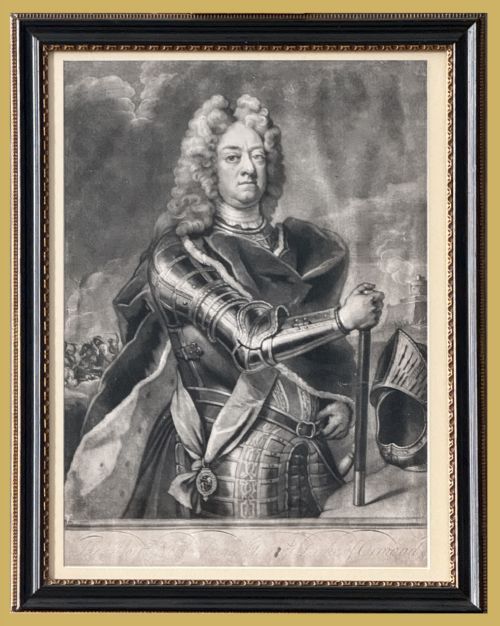
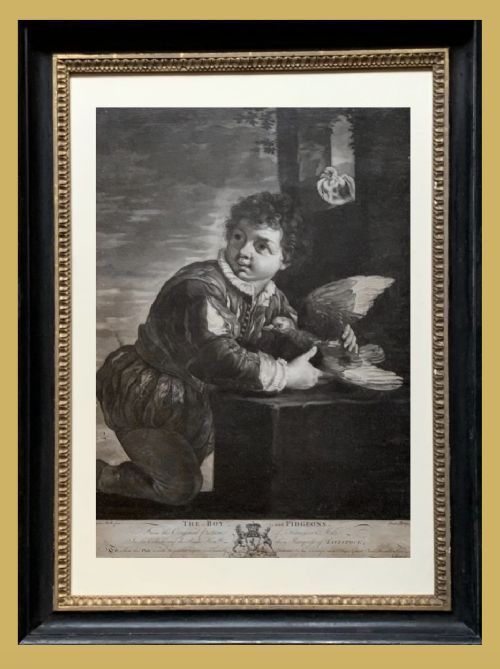
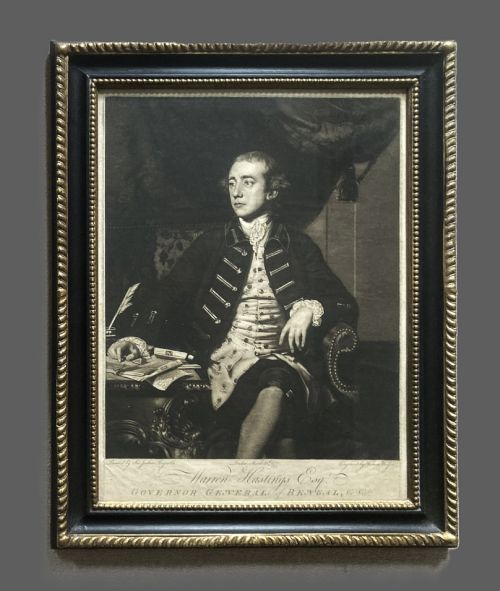
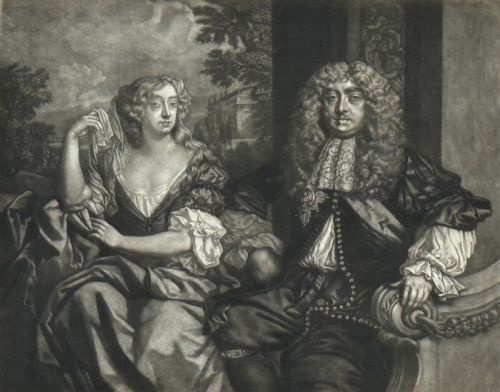
A paper mezzotint print represents an engraved portrait executed across the seventeenth, eighteenth, and nineteenth centuries. These works translate original paintings by prominent artists into deeply shaded intaglio impressions.
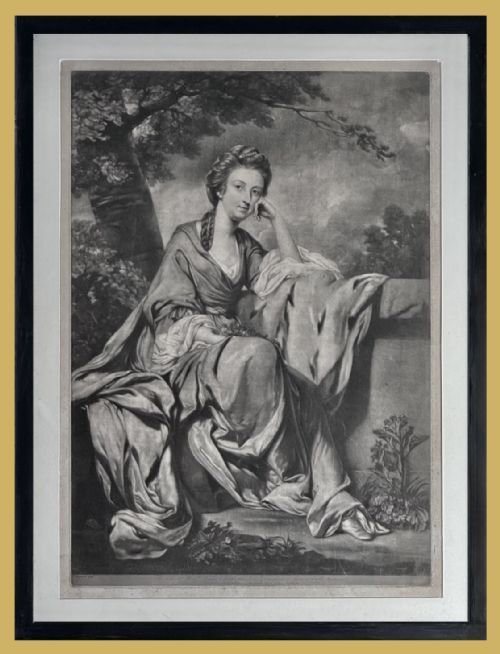
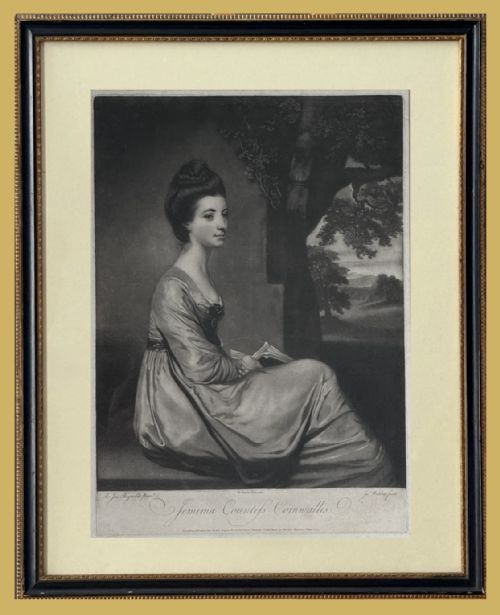
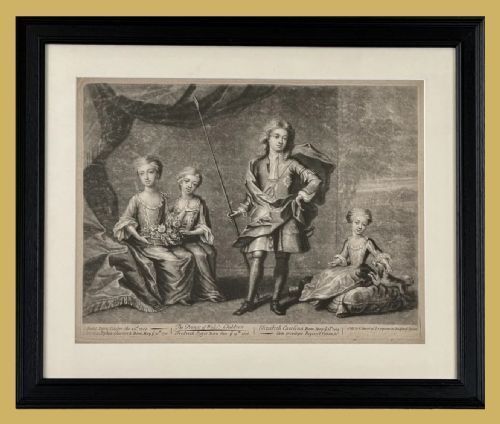
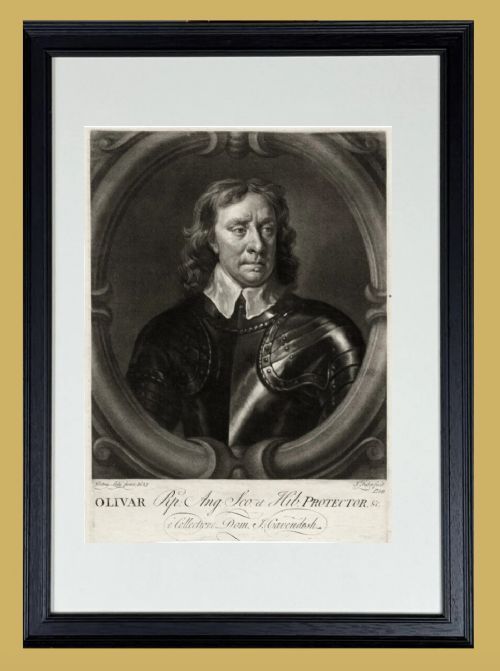
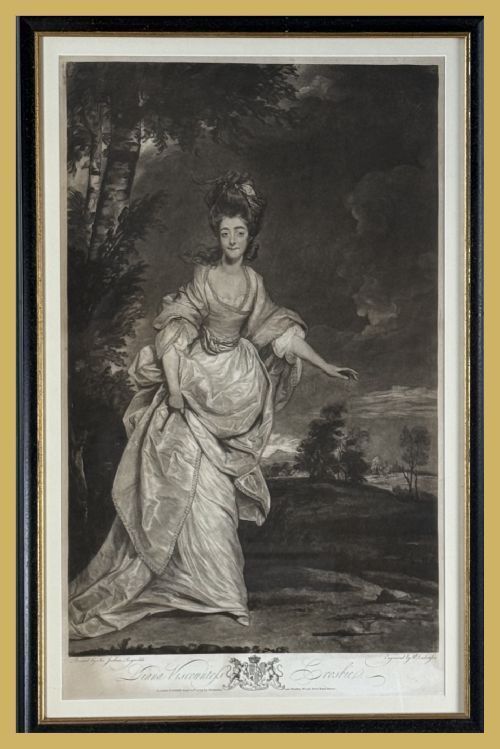
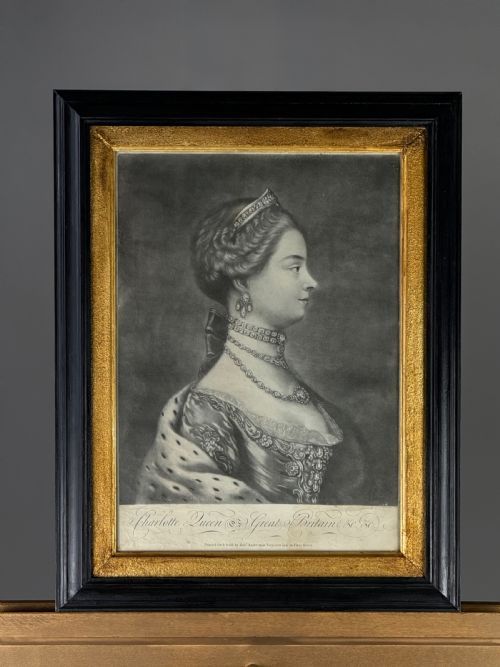
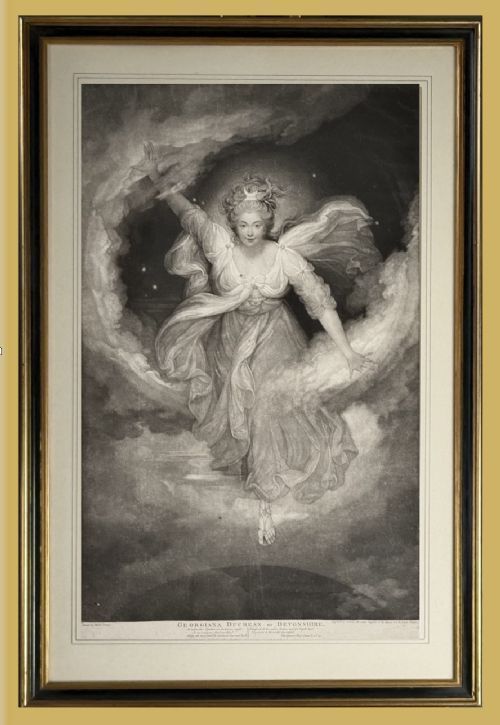
The pieces available here take the form of framed artwork and wall art, primarily depicting notable historical figures. Examples range from Restoration subjects to Georgian nobility, mounted behind glass in wooden frames.
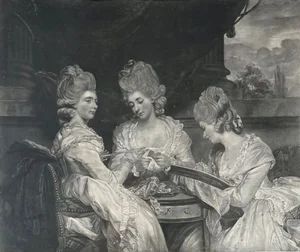
Portraits of figures such as Oliver Cromwell, the Duke of Ormonde, and various countesses and duchesses dominate the selections. These prints frequently pair a celebrated engraver with a renowned painter of the period.
Materials and construction
Makers produced these works using ink on paper, housed within wooden frames often accented with gold leaf and protected by glass. The foundational print medium relies on roughened metal plates that hold ink to create rich dark tones.
Engravers worked after oil paintings by artists such as Sir Peter Lely, Sir Joshua Reynolds, and Michael Dahl. Skilled hands scraped and burnished the copper plate to achieve the subtle highlights characteristic of the method.
Retail Price Guide 2026
Typical UK retail prices for paper mezzotint print, calculated from the Sellingantiques database of over a million retail prices indexed since 2003. This retail price guide relies exclusively on Sellingantiques data; no external sources or auction records are used, so the figures do not describe the wider market.
Oliver Cromwell rubs shoulders with duchesses and countesses on the same wall, proving that printmakers played favourite historians.
Distinctions in execution
Quality rests upon the depth of the tonal range and the clarity of the impression transferred to the paper. Finer examples retain rich velvety blacks alongside carefully modulated highlights that preserve the likeness of the original portrait.
The partnership between the engraver and the painter dictates much of the artistic standing. Master printmakers translated brushwork with exceptional sensitivity, creating a rich translation of the subject's expression and attire.
John Simon·James Watson·Joseph Sympson·James McArdell·Robert Williams·Valentine Green
The Paper Mezzotint Print Glossary
- Mezzotint
- A printmaking process where the copper plate is roughened uniformly and scraped to produce tones rather than lines. This technique allows for smooth gradations of light and shade.
- Intaglio
- A family of printing and printmaking techniques in which the image is incised into a surface. Ink is held within these recessed areas during the printing process.
- Engraver
- The artisan who translates a painted composition onto a printing plate. Their skill determines the fidelity and tonal richness of the final print.
- Baroque
- An artistic style spanning the seventeenth century, characterised by drama and rich detail. Many early portraits reflect this aesthetic.
- Georgian
- The period covering much of the eighteenth century, associated with refined portraiture and classical proportions. Several listed prints originate from this era.
Frequently Asked Questions
What is a paper mezzotint print?
It is an intaglio print created from a roughened metal plate on paper, showing tonal depth rather than pure lines. These works reproduce famous oil paintings.
They serve as historical portraits, capturing nobility and figures from the seventeenth to the nineteenth centuries.
How should I display them?
These pieces should hang away from direct sunlight to protect the paper and ink from fading. Glass and wooden frames provide necessary structural protection.
Keep them in environments with stable humidity to preserve both the paper support and the wooden framing.
How do I date these pieces?
Dating relies on the recorded lifespan of the sitter, the active years of the engraver and painter, and stylistic period markers. The paper and framing materials also offer contextual clues.
Historical records often provide precise birth and death dates for the subjects depicted.
What styles are represented?
The works span seventeenth-century British, Baroque, Restoration, and Georgian styles. Each aesthetic reflects the portrait conventions of its respective era.
Subjects wear the distinctive attire of their specific century, from seventeenth-century lace collars to eighteenth-century formal gowns.