

Framed Military Portrait
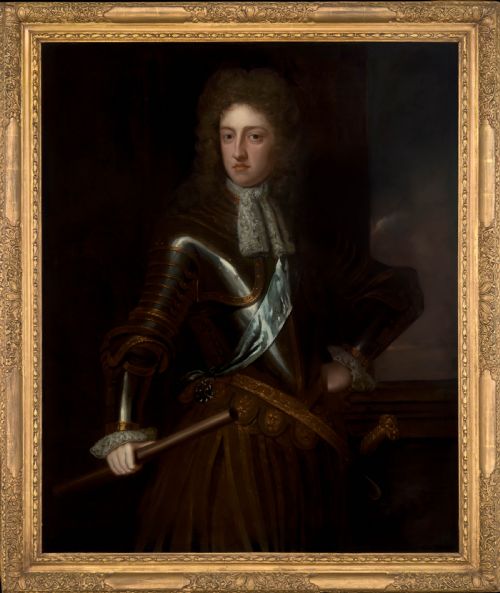
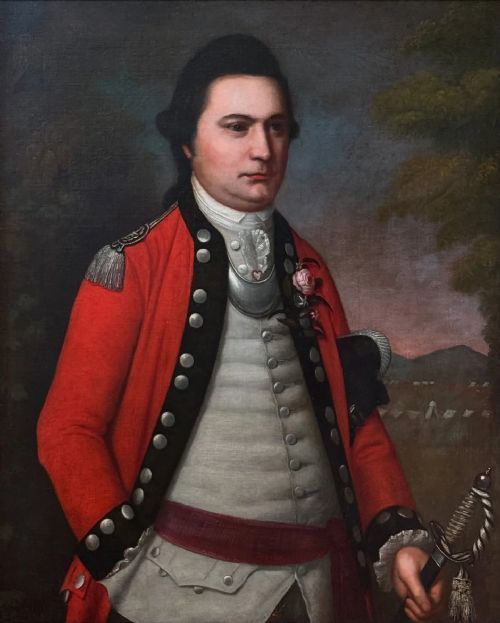
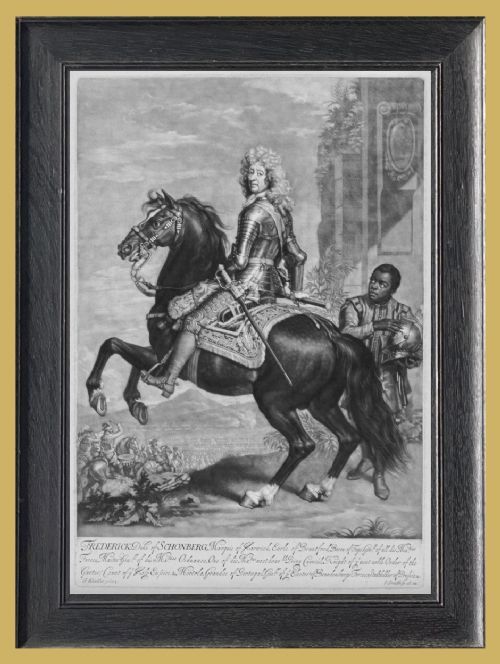
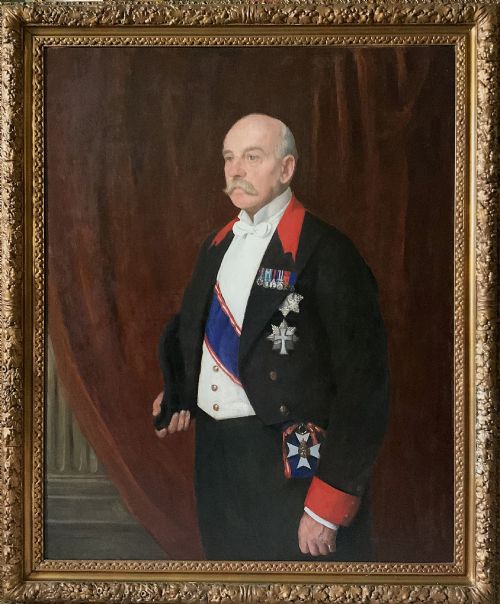
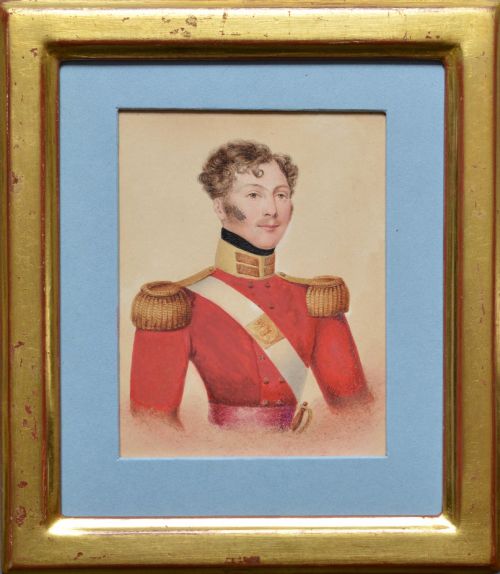
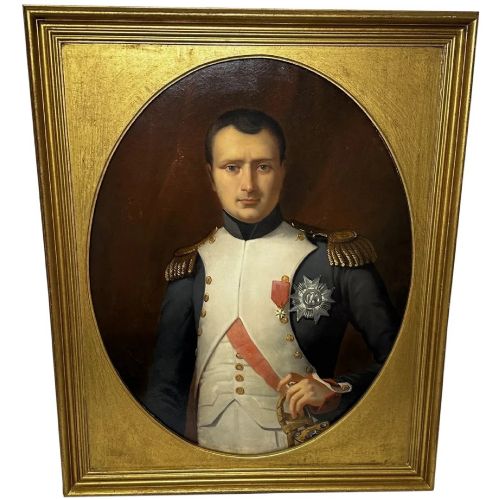
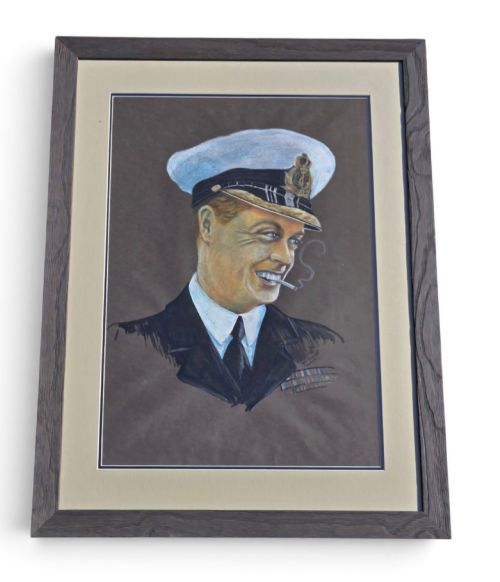
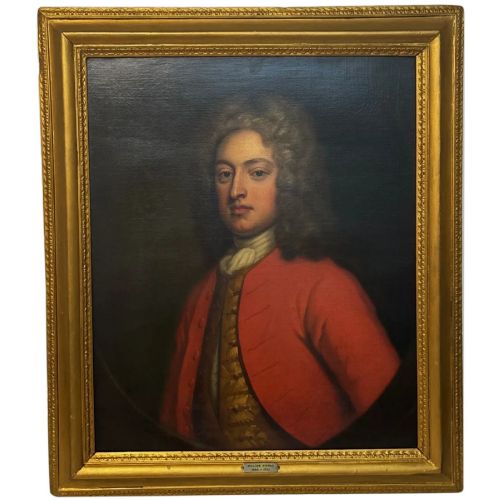
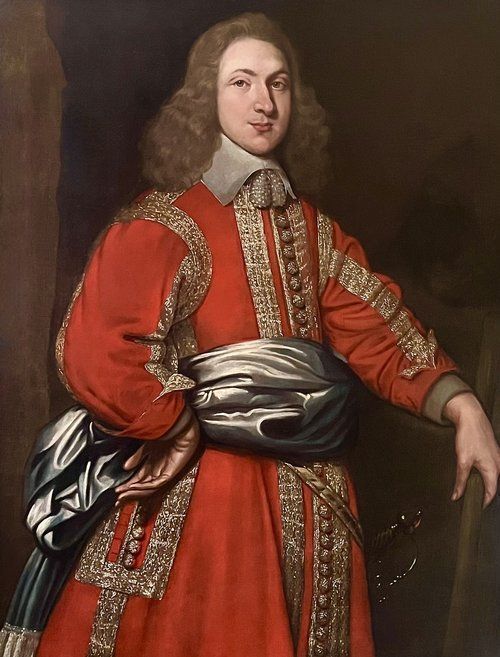
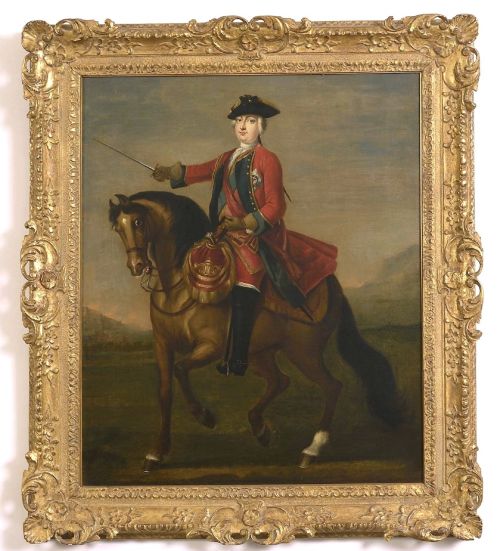
These framed military portrait examples capture officers and soldiers across centuries in watercolour, oil and print.
What a framed military portrait is
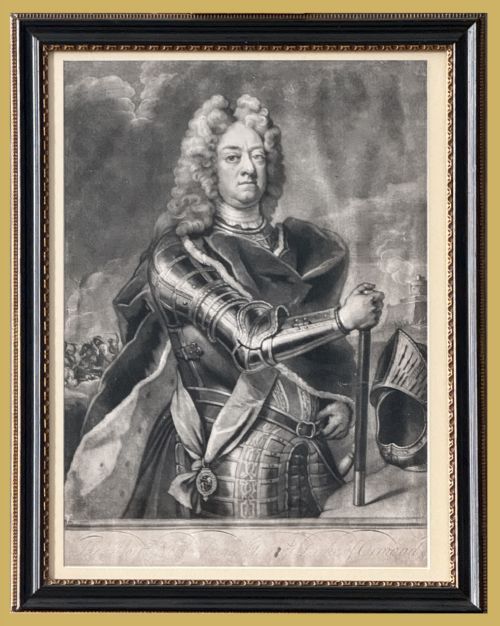
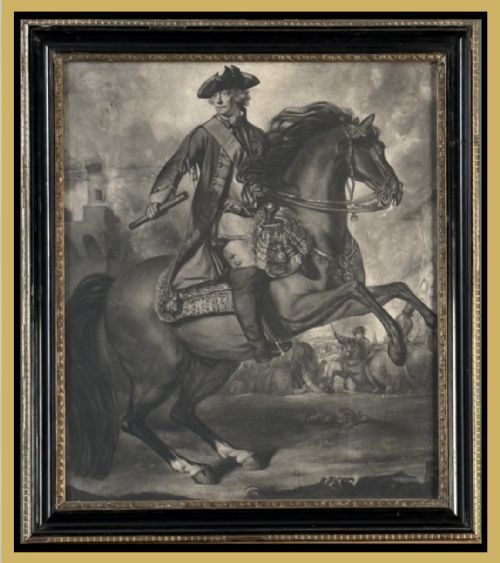
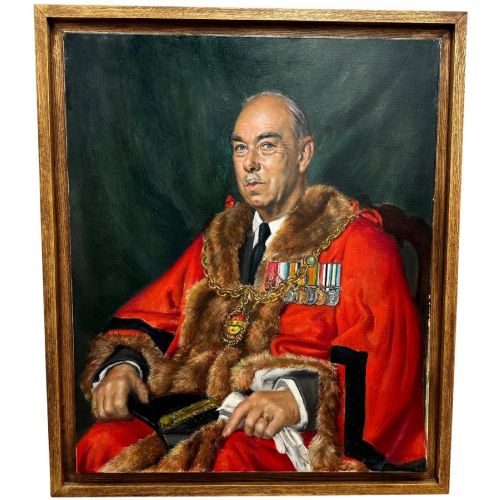
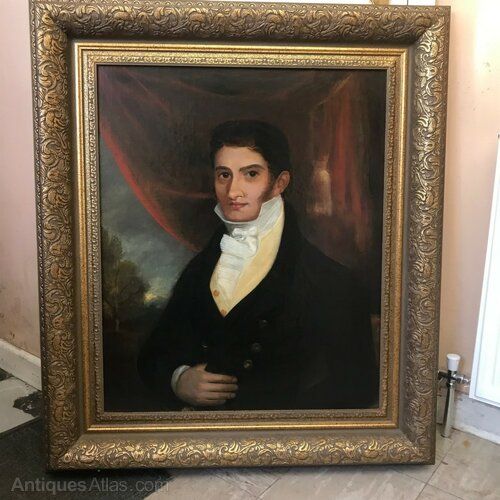
A framed military portrait depicts soldiers, officers and historical commanders across various centuries and mediums. These works record military service and rank through detailed depictions of uniforms and regimental insignia.
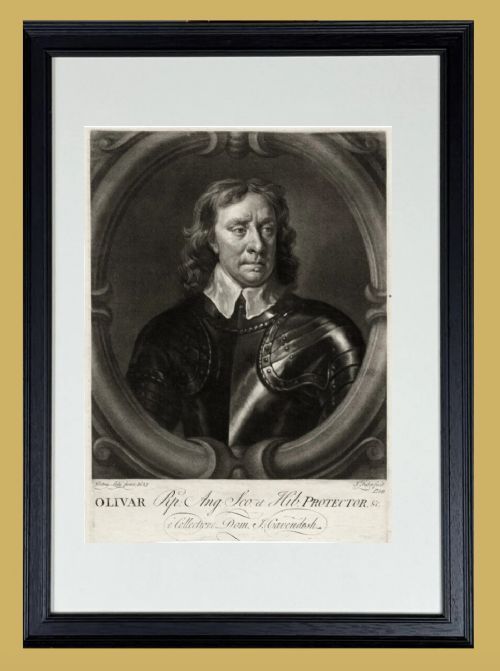
The selection on this page ranges from early printed mezzotints and delicate miniature watercolours to larger oil paintings. Buyers encounter diverse subjects including British soldiers from the eighteenth century, Dragoons officers and high ranking foreign figures.
Periods represented stretch from the seventeenth century through the Georgian, Regency, Victorian and Edwardian eras up to the nineteen-thirties. Each piece preserves the likeness of military personnel within period frames constructed of wood, gilt wood or burl wood.
How they were made
Artists utilised watercolour, wash, oil paint and printmaking techniques such as mezzotint on paper supports. Pigments capture the precise details of military uniforms, sashes and facial expressions.
Framing utilised traditional materials including wood, gilt wood, burl wood and protective glass. Gold leaf often enhances moulding and adds decorative contrast to the darker tones of the portrait.
Retail Price Guide 2026
Typical UK retail prices for framed military portrait, calculated from the Sellingantiques database of over a million retail prices indexed since 2003. This retail price guide relies exclusively on Sellingantiques data; no external sources or auction records are used, so the figures do not describe the wider market.
Oliver Cromwell rubs shoulders with eighteenth-century dragoons and nineteenth-century militia officers in this military gallery.
What varies in quality
Joseph Sympson·Sir Peter Lely·David Nicholson Ingles
The Framed Military Portrait Glossary
- Mezzotint
- A printmaking process of the intaglio family where the plate is roughened to achieve rich tonal gradations. This technique allows for subtle shifts in shadow and light across a portrait.
- Watercolour
- A painting method where water-soluble pigments are applied to paper. It permits delicate washes and fine line work suitable for miniature and detailed military studies.
- Gilt wood
- Timber that has been decorated with a thin layer of gold leaf or gold paint. Frames treated in this manner provide a bright, reflective border to historical artworks.
- Burl wood
- Wood featuring swirled grain patterns harvested from tree growths. It creates highly decorative and textured picture frames.
- Miniature portrait
- A small-scale painting executed with fine detail. These portable works frequently depict officers and gentlemen.
Frequently Asked Questions
What periods do these portraits cover?
The pieces span from the seventeenth century through the Georgian, Regency, Victorian and Edwardian eras up to the nineteen-thirties. Examples include works executed in seventeen-fifty-six and circa seventeen-ninety.
Different centuries introduced distinct artistic styles, from seventeenth century British prints to later nineteenth century militia depictions.
What mediums were used for these artworks?
Artists employed watercolour, wash, oil paint and print methods such as mezzotint. Paper serves as the primary support for paintings and prints.
Frames incorporate glass, wood, gilt wood, burl wood and gold leaf finishings.
How do I identify military ranks in portraits?
Portraits often display specific uniform details, medals, sashes and regimental insignia that denote the sitter's position. Officers from units such as the Dragoons or Lancashire Militia wear distinct attire.
Titles and inscriptions on pieces occasionally record the specific regiment or rank of the individual depicted.
How should I display a framed portrait?
These works suit hanging in studies, libraries or hallways alongside other historical art. Direct sunlight should be avoided to protect watercolour pigments and paper supports.
Ensure wall fixings securely support the weight of the wood and gilt frames.