



Antique Soldier Painting
An antique soldier painting captures military history on canvas, paper, or panel, offering collectors a direct link to past regiments, campaigns, and uniforms.
Antique Soldier Painting
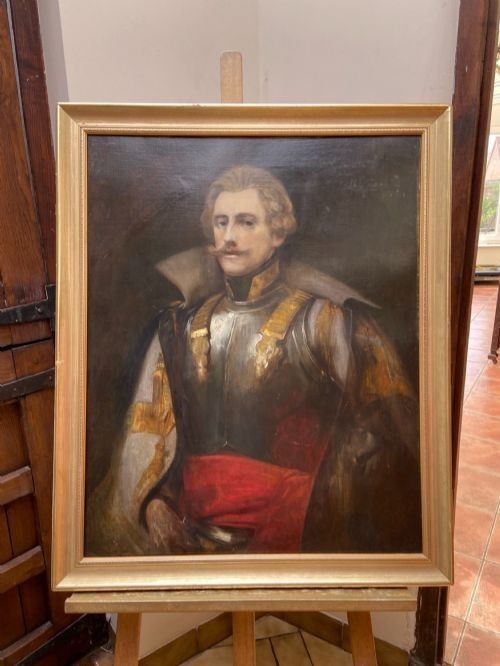
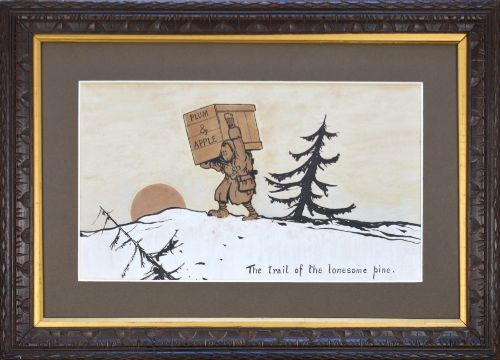
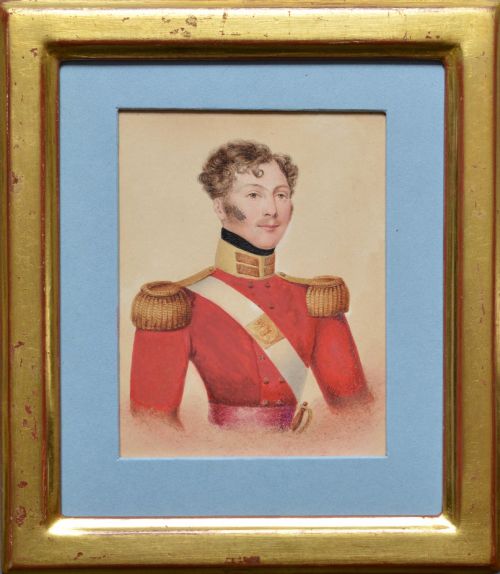
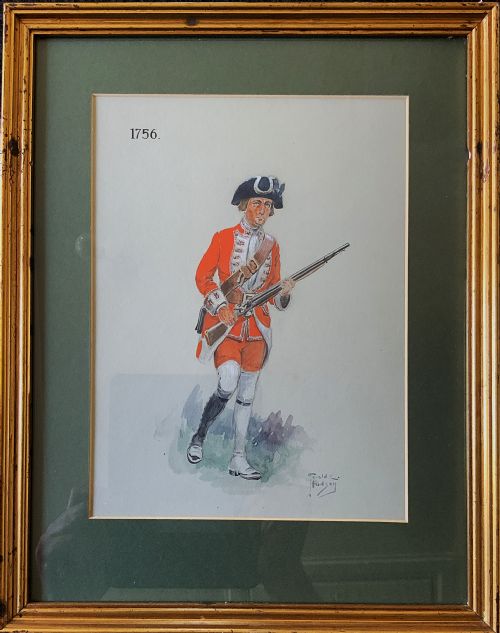
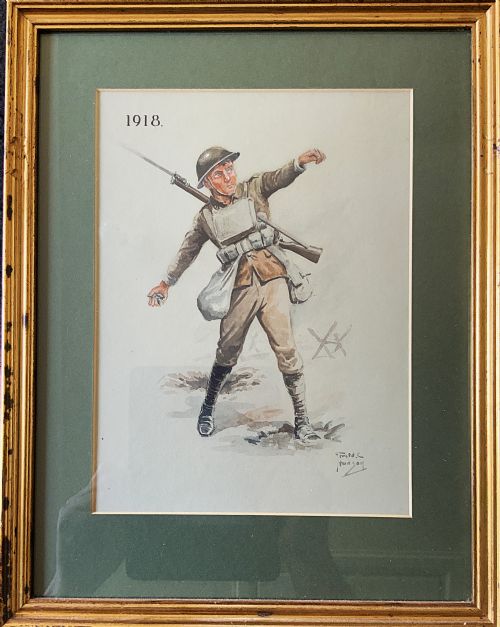
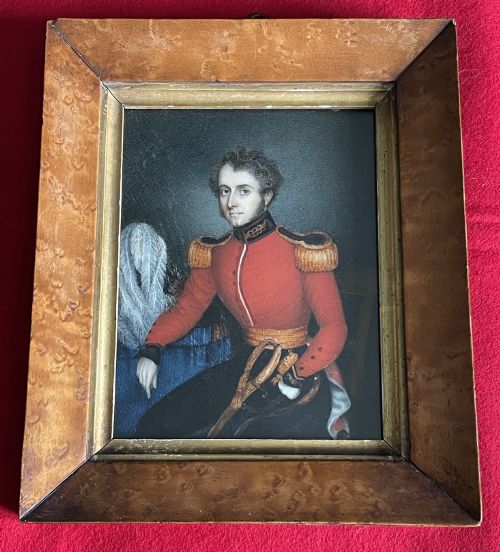
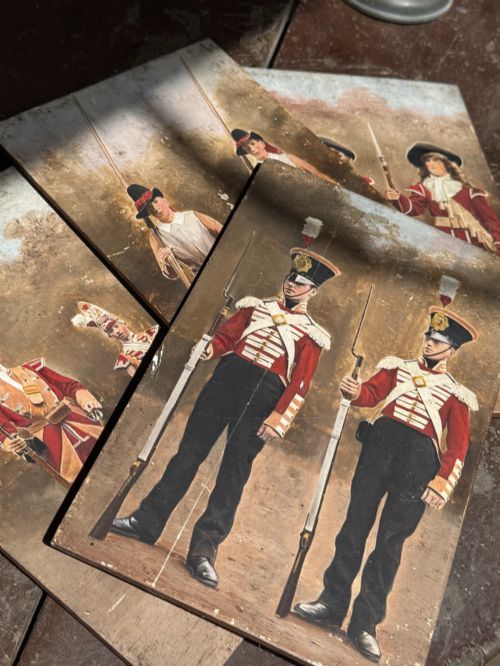
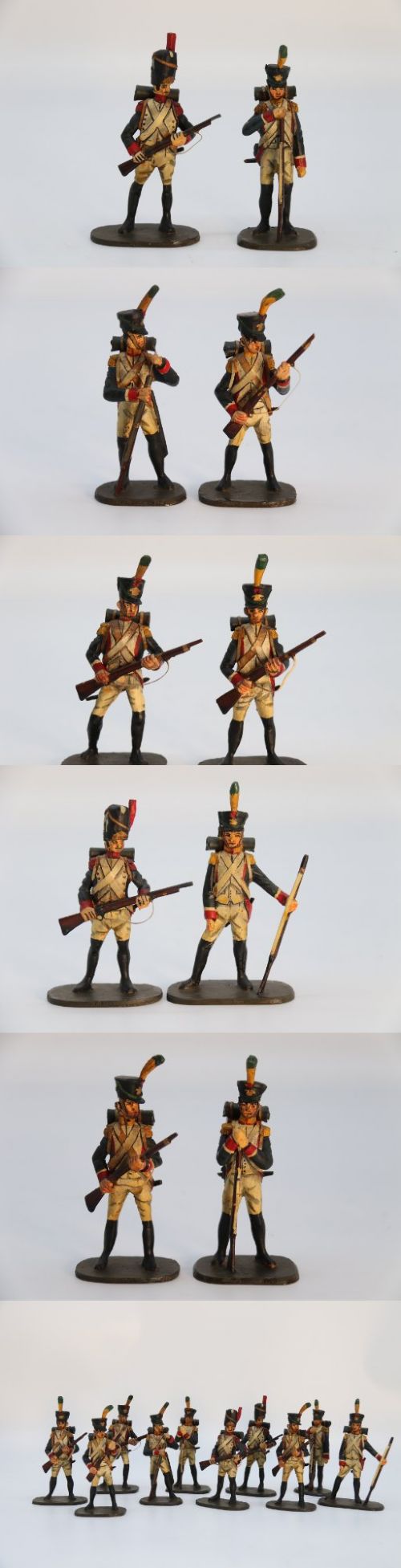
An antique soldier painting encompasses framed artworks depicting military personnel, ranging from eighteenth-century cavalry officers and Napoleonic figures to First World War servicemen. These pieces appear in various mediums, including oil on canvas, detailed watercolour washes, and gouache.
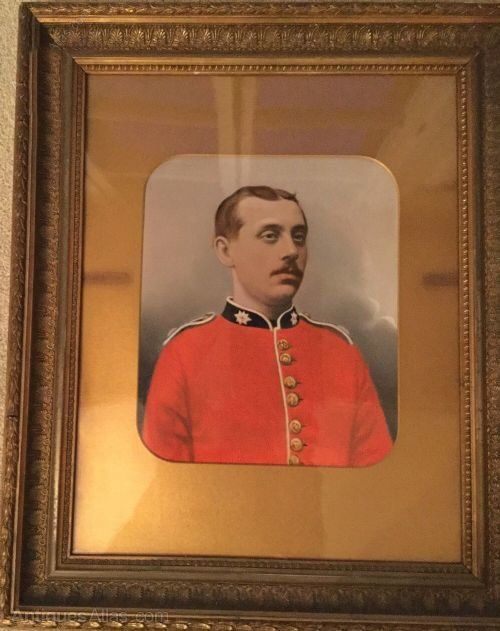
Buyers encounter both individual framed portraits and wider campaign scenes executed across the nineteenth and early twentieth centuries. These works reflect the changing styles of military portraiture, shifting from formal officer commissions to documentary depictions of troops in the field.
How They Were Made
Artists created these works primarily using oil paint applied to stretched canvas or wooden panels, allowing for rich colour and layered detail in uniform depiction. Watercolour and wash on paper served as popular mediums for field sketches and rapid portraiture.
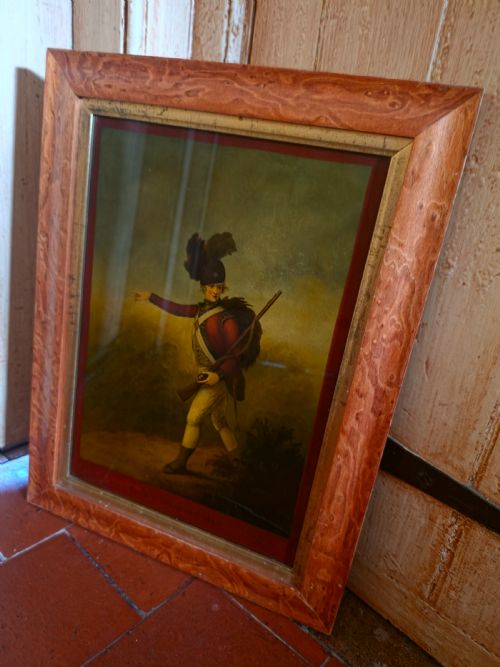
Framing materials typically involved carved and gilt wood, which protected the paper or canvas supports. Alternative techniques included reverse glass painting, where the artist applied pigments directly to the rear of the glass plate to achieve a glossy finish.
Antique Soldier Painting Retail Price Guide 2026
Typical asking prices for soldier painting among the pieces listed under this phrase on Sellingantiques today, from the lower quarter to the upper quarter. They describe what is for sale here now, not the wider market.
Listings feature works spanning the eighteenth, nineteenth, and twentieth centuries, executed in oil, watercolour, and reverse glass.
What Varies in Quality
Quality rests upon the artist's ability to render anatomical accuracy, uniform details, and facial expression with precision. Works by documented painters or established military artists demonstrate superior brushwork and compositional depth compared to anonymous school pieces.
Condition and originality dictate the standing of a piece within the market. Intact original frames, stable pigment adhesion, and documented artist signatures elevate the historical and aesthetic value of the artwork.
Bruce Bairnsfather·Jean Sobieski·Gilbert Scott Wright·Ernest Crofts·Frederick Henry Howard Harris·Edward Pugh
The Antique Soldier Painting Glossary
- Reverse glass painting
- A technique where an artist paints directly on the reverse side of a glass sheet, producing a finished image viewed through the front. This method protects the pigments from atmospheric damage.
- Watercolour and wash
- A painting method utilising water-soluble pigments combined with diluted ink or colour washes to build translucent layers. It was frequently used for military campaign sketches.
- Oil on canvas
- Pigments bound in a drying oil applied to a woven fabric support stretched over a wooden frame. This combination provided durability and rich colour saturation for formal portraits.
- Gilt wood
- Wood decorated with a thin layer of gold leaf or metallic powder. Frames finished in this manner were standard for high-status military portraiture.
- Cavalier
- A subject depicting a seventeenth-century royalist soldier or horseman, often characterised by long hair, lace collars, and broad-brimmed hats.
Antique Soldier Painting: Frequently Asked Questions
How do I identify the regiment in a military portrait?
Study the uniform colours, lace patterns, headdress, and any visible cap badges or shoulder titles.
軍 Military dress regulations changed over time, allowing reference guides to narrow down the specific regiment and operational era.
What is the difference between an oil painting and a watercolour on this page?
Oil paintings utilise pigment suspended in oil on canvas or panel, offering deep textures and durability.
Watercolours employ water-soluble pigments on paper supports, typically displaying a lighter, more translucent quality suited for field studies.
How should I care for antique paper watercolours?
Keep watercolours away from direct sunlight to prevent fading of the delicate pigments and paper discolouration.
Display them behind UV-filtered glass and maintain stable indoor humidity levels to protect the paper substrate.
What periods do these military paintings cover?
The listings span from the eighteenth century through the Edwardian era and into the twentieth century, capturing conflicts like the Napoleonic Wars and the First World War.
Artistic styles shift correspondingly from formal Georgian academic portraiture to early twentieth-century documentary illustration.