



19th Century Military Portrait
When you examine a 19th century military portrait, you encounter the painted records of officers, generals, and foot soldiers whose lives shaped an era of conflict.
19th Century Military Portrait
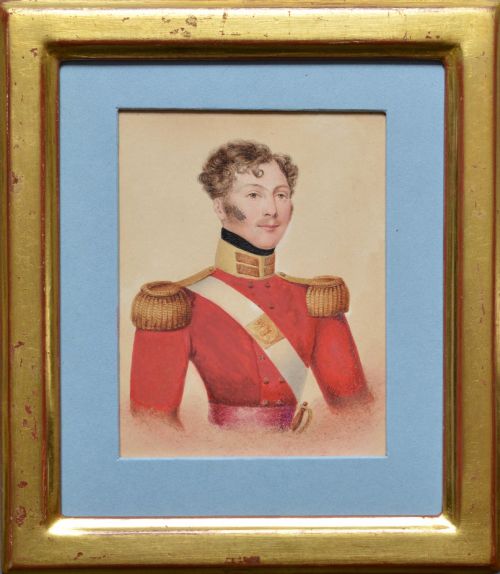
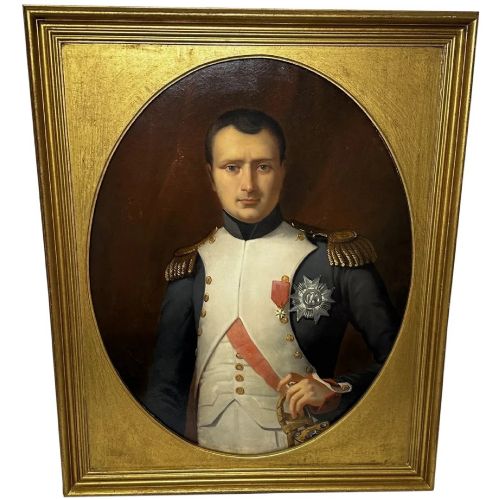
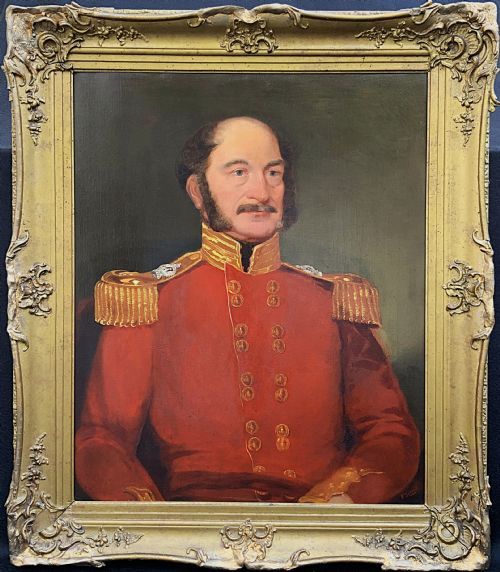
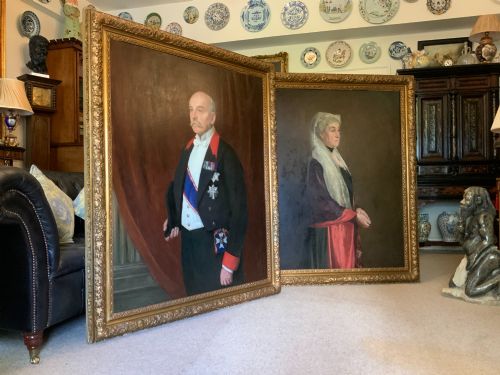
A 19th century military portrait captures figures from various ranks, from infantrymen and naval officers to notable generals in full uniform or armour.
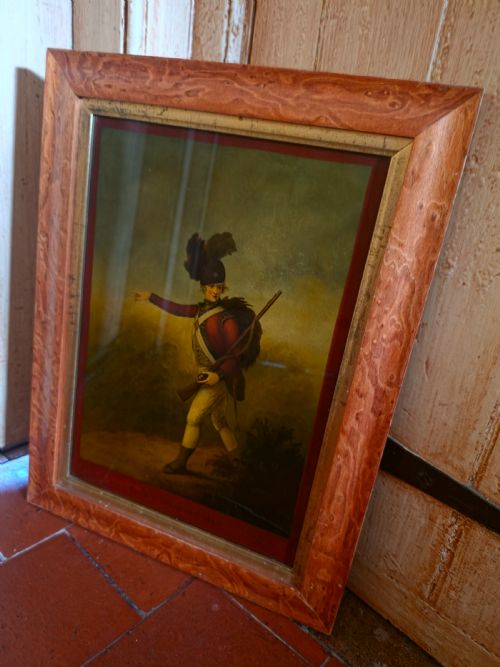
The selections on this page span oil paintings on canvas and wood, delicate watercolours, prints, and reverse glass pictures, reflecting the diverse media favoured by artists of the period.
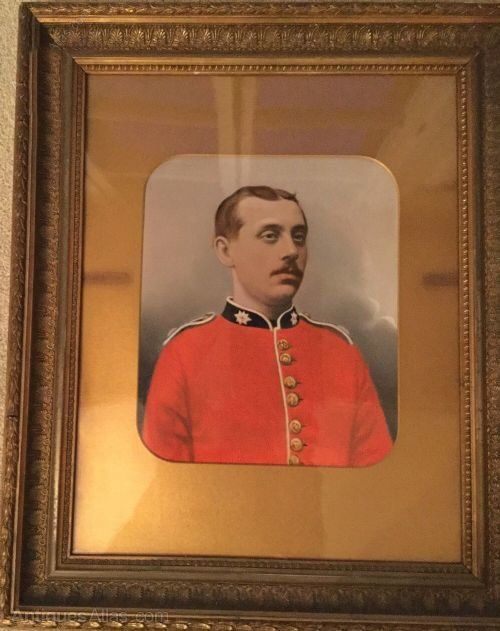
Subjects often wear specific ceremonial tunics or red coats, representing regiments such as the Coldstream Guards or the Staffordshire 80th Regiment of Foot.
Materials and techniques
Artists of the era utilised oil on canvas or wood panels, applying rich pigments to capture the intricate details of military uniforms, medals, and facial expressions.
Watercolour on paper and hand-coloured prints provided alternative mediums, often framed in gilt wood to enhance the visual impact of the officer depicted.
Specialised techniques such as reverse glass painting and silkwork pictures also appear, demonstrating the varied craftsmanship applied to military subjects.
19th Century Military Portrait Retail Price Guide 2026
Typical asking prices for 19th century military portrait among the pieces listed under this phrase on Sellingantiques today, from the lower quarter to the upper quarter. They describe what is for sale here now, not the wider market.
Subjects include not only human officers and generals, but occasionally horses named in period records.
Distinctions in quality
The standard of portraiture depends heavily on the skill of the artist in rendering realistic anatomy, facial likeness, and the precise heraldry or insignia of a regiment.
Works by named or academic artists display a superior handling of light, shadow, and texture within the textiles of the uniforms compared to anonymous school pieces.
Paul Leon Jazet·Ernest Crofts·Frederick Tayler·Albert Ferdinand Le Dru·Ramsay Richard Reinagle·George Frederic Watts·John Irvine·Stephanus Chiantor
The 19th Century Military Portrait Glossary
- Oil on Canvas
- Pigment mixed with drying oil applied to a woven fabric surface stretched across a wooden frame. This medium allowed artists to build rich textures and deep tones for formal military commissions.
- Reverse Glass Painting
- An image painted directly onto the back of a piece of glass and viewed from the front. This technique produced a glossy finish and protected the pigment beneath.
- Watercolour
- Pigments suspended in a water-based solution applied to paper. It was frequently utilised for portable portraits and detailed studies.
- Gilt Wood
- Wood carved and coated with a thin layer of gold leaf. Frames finished in this manner were standard for displaying important portraits.
19th Century Military Portrait: Frequently Asked Questions
What regiments do these portraits depict?
The works portray individuals from various branches, including the infantry, cavalry, and naval forces. Specific units like the Coldstream Guards and the Madras Presidency Service frequently appear.
Artists recorded the distinct uniforms, red coats, and ceremonial tunics worn by these soldiers, often noting the regiment directly in the title or accompanying documentation.
How can I date a military portrait?
Dating relies heavily on the style of the uniform, facial hair trends, and the artistic conventions of the period. Napoleonic and Regency era pieces display very different tailoring from later Victorian examples.
Inscriptions, artist signatures, and known biographical dates of the sitter or painter provide the most reliable chronological anchors.
Were these painted from life?
Many formal commissions involved sitting for the artist, particularly when depicting senior officers or generals. Smaller watercolours and sketches were sometimes executed in the field or derived from earlier sources.
Posthumous portraits or historical battle scenes relied on existing sketches, photographs, or earlier paintings by established masters.
How should I frame and display them?
Original gilt wood frames complement the historical nature of these works and provide the correct aesthetic context. They should be hung away from direct sunlight to protect watercolours and oil pigments from fading.
Maintaining stable humidity levels in the room prevents canvas distortion and protects the wooden panels and glass surfaces.