



Vintage Military Wall Art
These vintage military wall art pieces capture historic regiments and campaigns, offering authentic character for any study or library.
What the pieces are
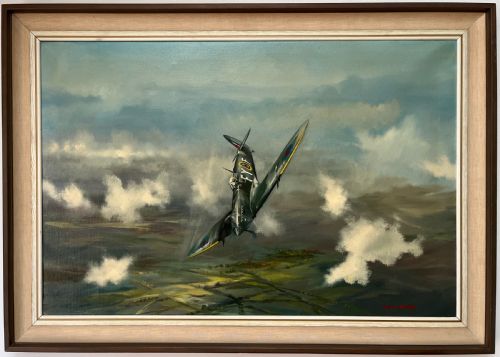
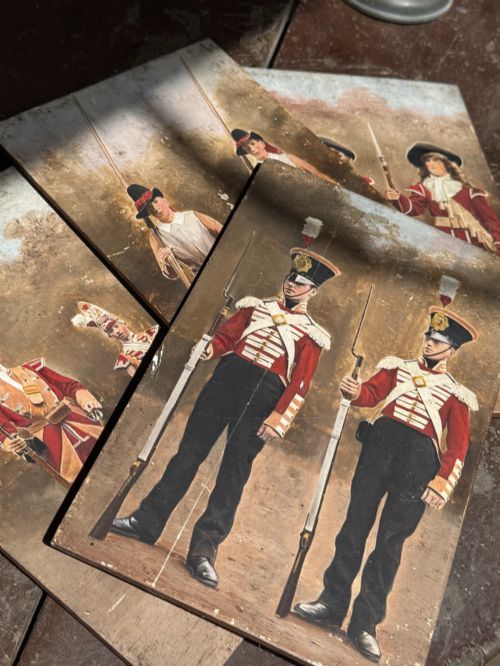
When you search for vintage military wall art, you encounter a focused range of framed artwork, prints, and paintings depicting historical regiments and figures. The selection spans periods from the Regency era through the nineteenth century and into the mid-twentieth century.
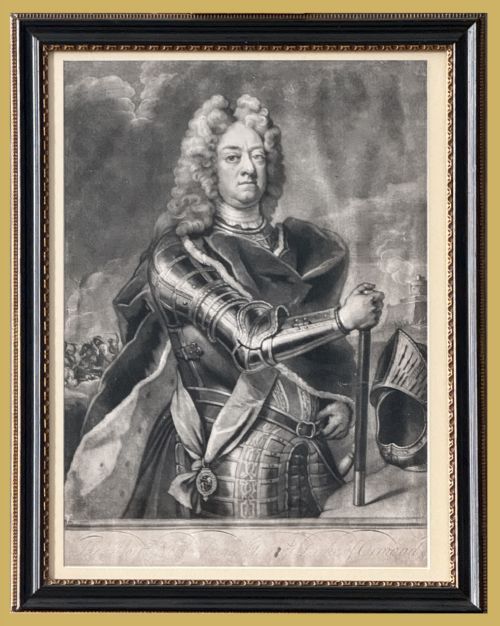
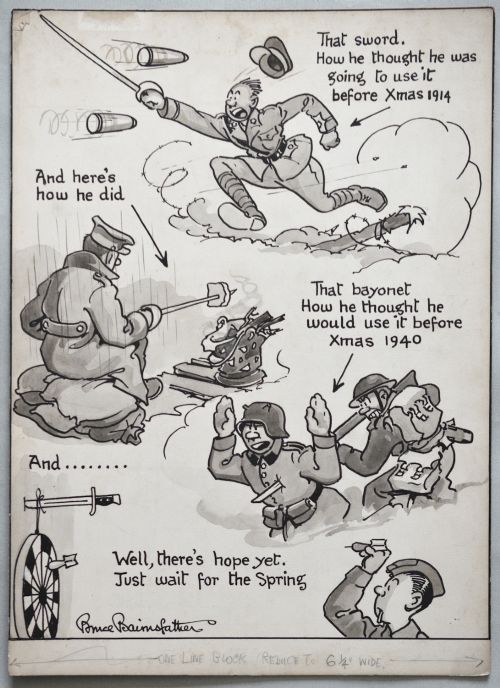
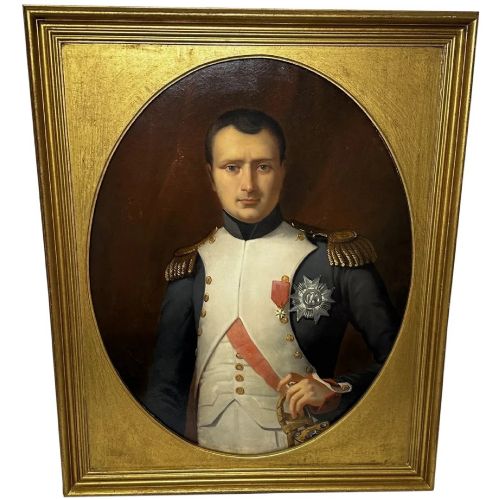
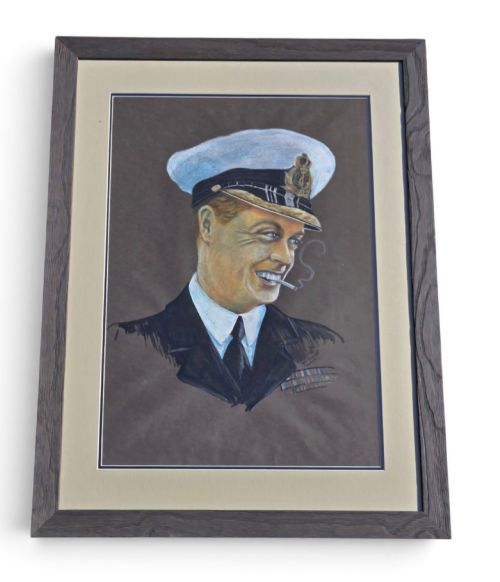
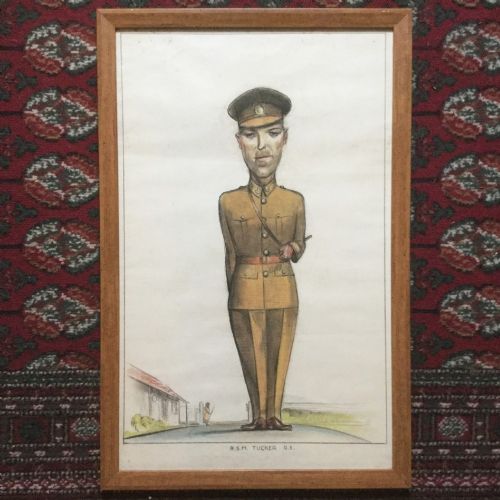
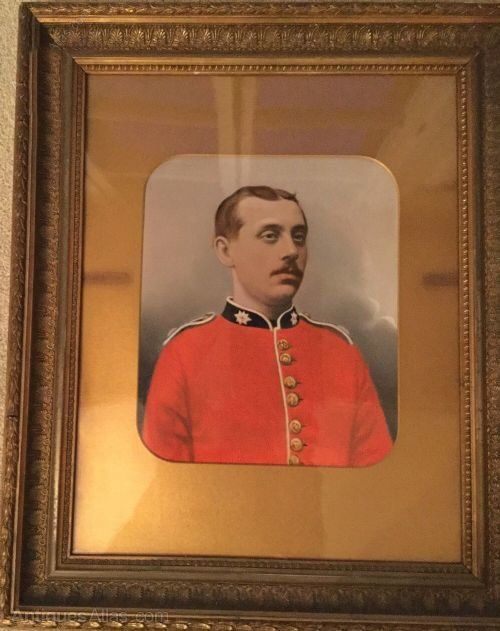
You meet various forms including wood engravings, framed prints, pen and ink drawings, pastel and gouache sketches, and oil paintings. Subjects range from individual portraits of guardsmen and officers to dramatic battle scenes and caricatures.
Origins include British and French schools, capturing figures from the Second Anglo-Afghan War to mid-century portraits of military leaders and royalty. These pieces provide direct visual documentation of military history through diverse artistic mediums.
How they were made
The works utilise traditional media including ink, oil paint, pastel, and gouache on paper and canvas surfaces. Wood engraving provides detailed illustrative records of military marches and historical campaigns.
Framed works incorporate glass and wood to protect delicate paper and canvas surfaces. Materials reflect the period of creation, from nineteenth-century canvas supports to mid-twentieth-century paper drawings.
Retail Price Guide 2026
Typical UK retail prices for vintage military wall art, calculated from the Sellingantiques database of over a million retail prices indexed since 2003. This retail price guide relies exclusively on Sellingantiques data; no external sources or auction records are used, so the figures do not describe the wider market.
Even fierce German generals found themselves immortalised with a sense of humour in early twentieth-century caricature sets.
What varies in quality
Quality rests on the precision of the draughtsmanship and the immediacy of the portraiture or scene. Skilled handling of oil paint or pastel distinguishes accomplished regimental portraits from standard illustrative prints.
The historical significance of the subject and the clarity of the medium determine the standing of each piece. Works by named artists or those documenting specific military campaigns command greater attention from collectors.
The Vintage Military Wall Art Glossary
- Gouache
- An opaque water-based paint that dries to a matte finish. It allows artists to build solid areas of colour and sharp highlights.
- Wood engraving
- A relief printing technique where an image is carved into the end-grain of a hardwood block. This method yields fine, highly detailed black and white prints.
- Regency
- A British historical period spanning the early nineteenth century. Style in this era often reflects neoclassical influences and distinct military uniforms.
- Pastel
- A dry medium of powdered pigment bound into stick form. It produces velvety textures and subtle tonal gradations on paper.
Frequently Asked Questions
What periods do these pieces cover?
The selection spans from the Regency period through the nineteenth century to the mid-twentieth century. Pieces reflect distinct historical eras through their subjects and artistic techniques.
Dates range from late eighteenth-century depictions to mid-century portraits, capturing various military campaigns and uniforms.
What mediums are used in this art?
Artists employed paper, canvas, wood, ink, oil paint, pastel, and gouache. Some works are wood engravings while others are hand-drawn sketches or oil paintings.
Framed artwork typically combines these traditional mediums with wood and glass for preservation and display.
How can I identify the subject?
Subjects often include named officers, guardsmen, generals, and royalty in uniform. Inscriptional details and regimental titles frequently accompany the portraits or battle scenes.
Historical context such as specific wars or volunteer corps helps pinpoint the origin of the depicted uniform.
Where do these artworks originate?
Pieces originate from British and French artistic traditions. Schools represented include nineteenth-century works and mid-century British portraiture.
Geographic origins align with the military history recorded, spanning British regiments and European campaigns.