


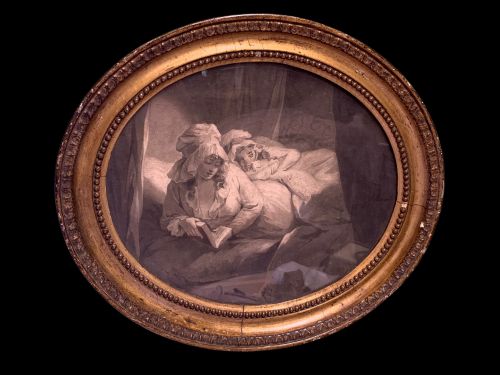
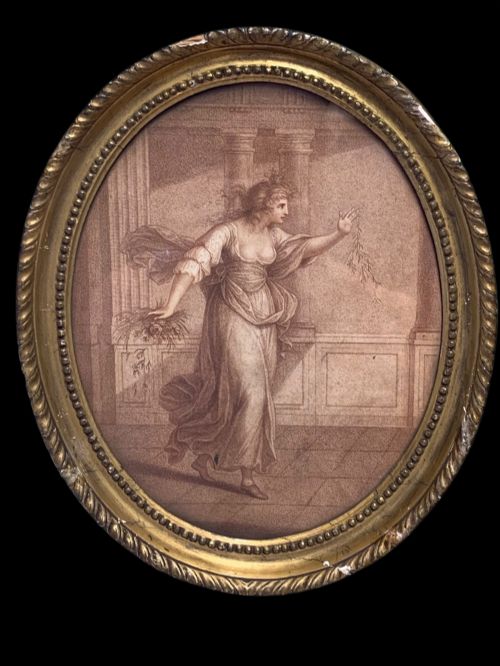
Gold Framed Art Print
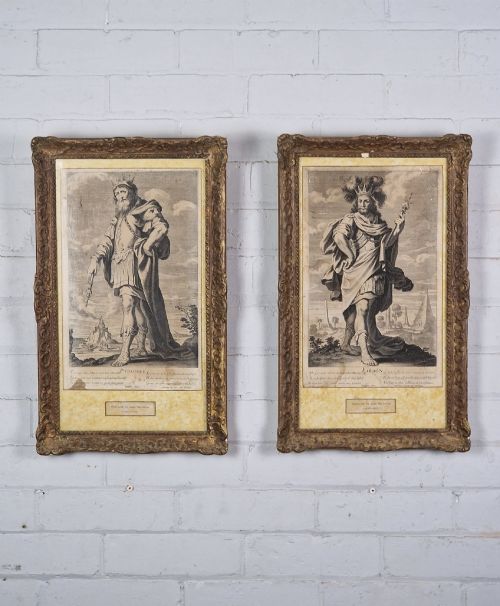
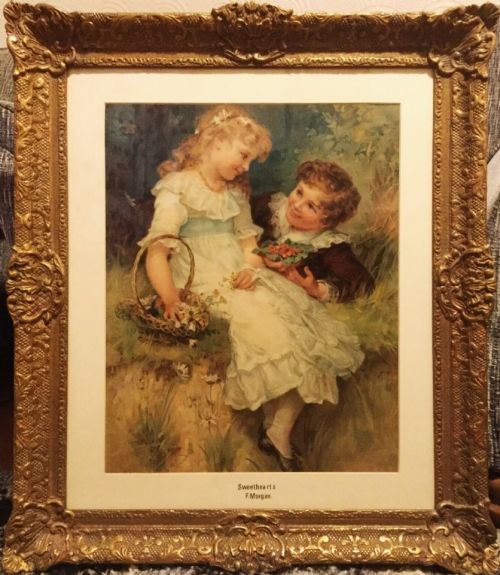
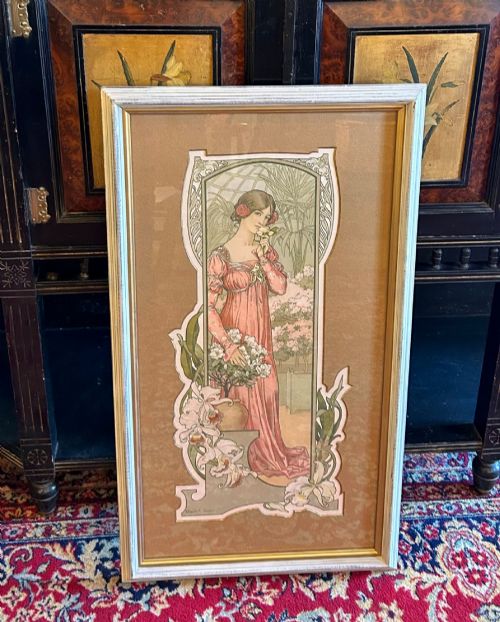
These gold framed art print pieces bring historic engravings, watercolours and lithographs into focus, offering period character for any interior wall.
Gold Framed Art Print
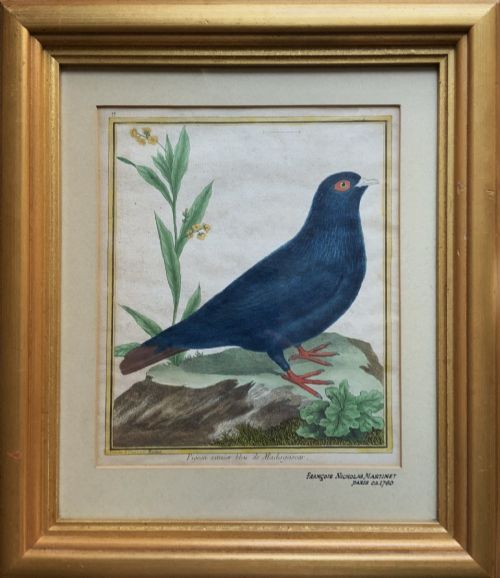
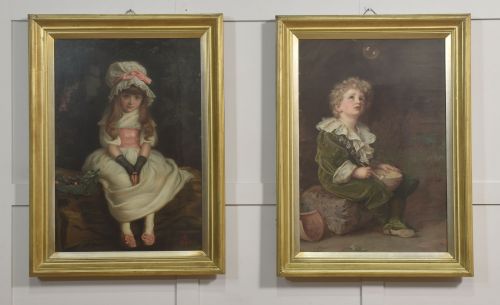
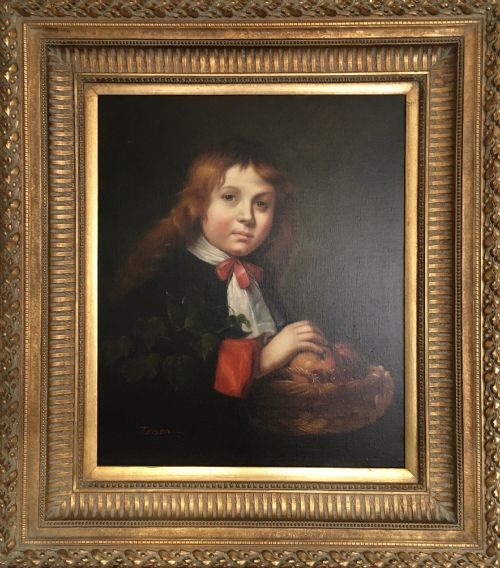
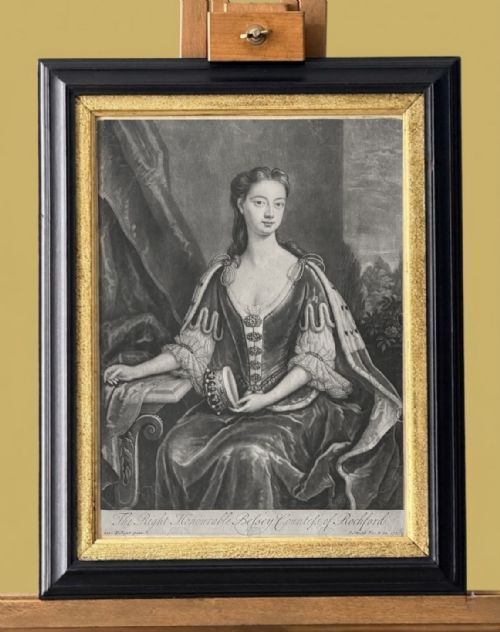
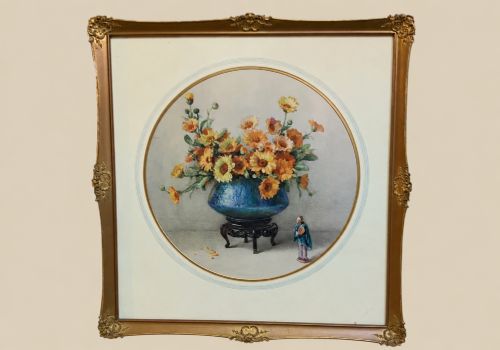
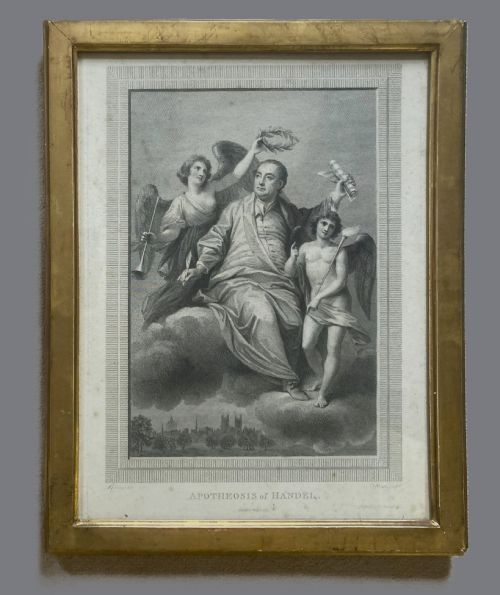
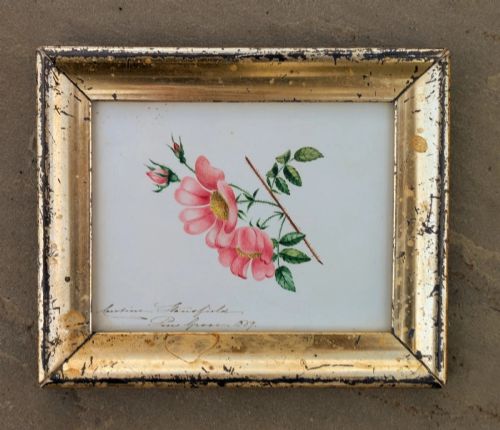
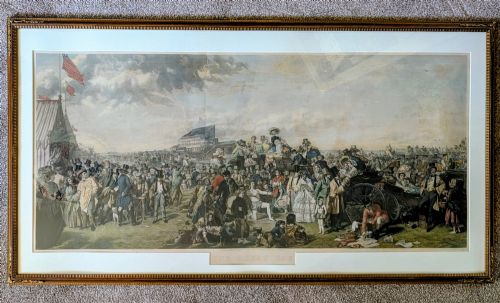
A gold framed art print search uncovers a diverse range of works, spanning 18th century engravings, Victorian watercolours, and 20th century lithographs. The selection includes portraiture, botanical studies, sporting scenes, and architectural subjects after various historical artists.
Most examples found here combine paper images with glass protection and timber frames finished in gilt, gold leaf, or giltwood. Buyers frequently encounter framed prints alongside oil paintings, gouache still lifes, and hand-coloured engravings from multiple historical periods.
Originating across British and European workshops, these works reflect styles from Georgian neoclassical and French Baroque to Victorian and Art Deco. The enduring appeal lies in the combination of historic imagery and traditional metallic framing.
How they were made
The visual components utilise techniques such as copperplate engraving, lithography, stipple engraving, mezzotint, and watercolour on paper, sometimes with hand-colouring or embellishment. Printmakers and artists worked with quality paper substrates and organic pigments to achieve lasting depth and detail.
The protective surrounds rely on wood construction, specifically employing gilt wood, gold leaf, and giltwood mouldings to achieve a reflective metallic surface. Glazing in glass preserves the delicate paper surfaces underneath from dust and atmospheric moisture.
Gold Framed Art Print Retail Price Guide 2026
Typical asking prices for gold framed art print among the pieces listed under this phrase on Sellingantiques today, from the lower quarter to the upper quarter. They describe what is for sale here now, not the wider market.
Several charming botanical and animal studies capture unexpected moments, including a pair of pears soap advertising prints and piglets feeding.
What varies in quality
Quality separates through the crispness of the impression on the paper and the fidelity of the secondary rendering, whether an engraving, a lithograph, or a watercolour. Stronger works demonstrate finer lines, careful hand-colouring, and preservation of the original plate marks.
The integrity of the frame significantly influences the overall standard, distinguishing hand-applied gold leaf and carved giltwood from simpler modern metallic coatings. Original period frames that retain their historic gilding and glass add substantial character to the complete object.
Jean Mariette·Donald Grant·François-Nicolas Martinet·Jean-baptiste Greuze·Frederick Morgans·Elisabeth Sonrel·John Smith·Charles D'Agar·Biaggio Rebecca·David Bates·William Powell Frith·George Augustus Holmes·David Roberts·Adam Buck·Johannes Lingelbach·Frederick Walker·Harold Clayton·John Bond·John Meredith·Erich Mercker·Pablo Picasso·George Rankin·Huet·Demarteau·Herbert Dicksee
The Gold Framed Art Print Glossary
- Engraving
- A printmaking technique where an artist cuts an image into a metal plate using a burin. Ink is applied to the plate and transferred under pressure to paper.
- Lithograph
- A planographic printing process based on the repulsion of oil and water on a limestone or metal slab. It allows for smooth tonal gradations and faithful reproductions.
- Mezzotint
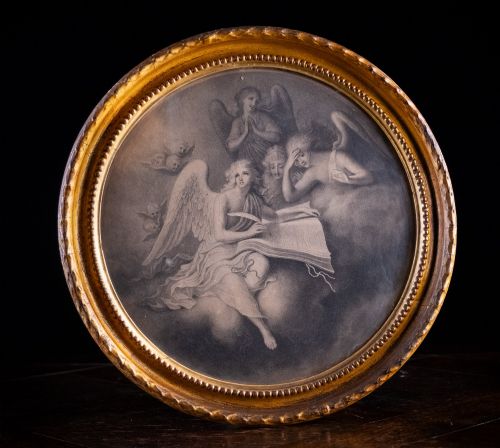
- A tonal method of engraving on copper where the surface is roughened uniformly to produce rich dark areas and subtle highlights. It was widely utilised for portraiture.
- Giltwood
- Timber, often gesso-coated carver's wood, covered with gold leaf or metal powder. It provides the reflective golden border characteristic of traditional framing.
- Stipple engraving
- A method of creating prints by dotting the plate rather than cutting continuous lines. This technique produces soft tonal effects well suited to skin and drapery.
Gold Framed Art Print: Frequently Asked Questions
How do I care for antique framed prints?
Keep works out of direct sunlight to prevent the fading of paper and watercolour pigments. Dust the frames gently with a dry, soft cloth and avoid chemical cleaners on the gilt surfaces.
Ensure hanging environments maintain stable humidity levels to protect both the timber frame and the paper artwork underneath the glass.
Are these pieces original works?
The selection includes a mix of original watercolours and oil paintings alongside historical print formats such as engravings, lithographs, and etchings. Many prints are period impressions produced after famous paintings by notable artists.
Each listing details the specific medium used, distinguishing unique painted works from printed editions.
What is a reverse glass print?
A reverse glass print involves applying an image directly onto the underside of a glass sheet, often using transfer techniques and hand-colouring. The finished picture is then viewed through the smooth front of the glass.
This technique creates a glossy surface sheen popular in Georgian and Victorian decorative arts.
How can I tell the period of a frame?
Frame dating relies on moulding profiles, construction joints, and the composition of the gesso and gilding layers beneath the gold leaf. Hand-carved wooden corners and older backing boards provide key indicators of age.
Many pieces retain their original frames, which correspond to the stylistic eras of the art they enclose.