
Classical Portrait Print
A classical portrait print brings the refined grace of earlier centuries into a room through ink and paper.
Classical Portrait Print
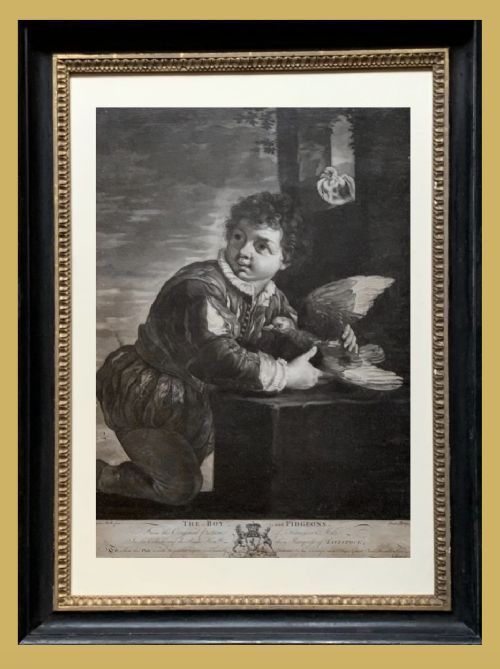
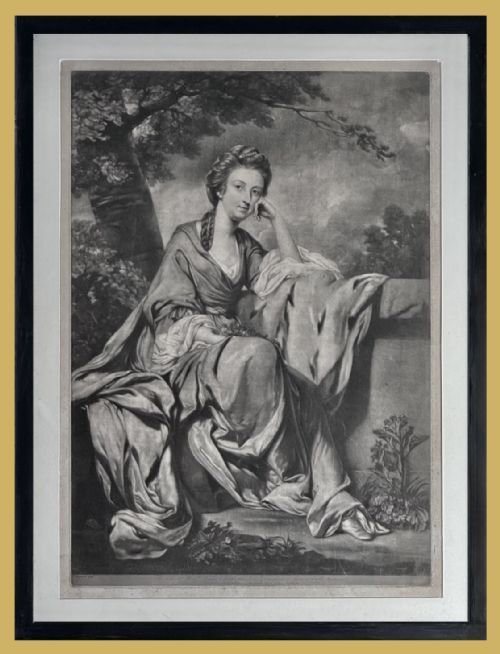
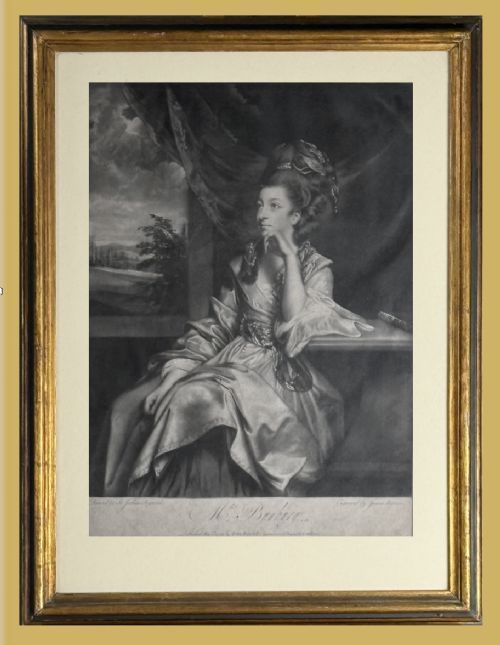
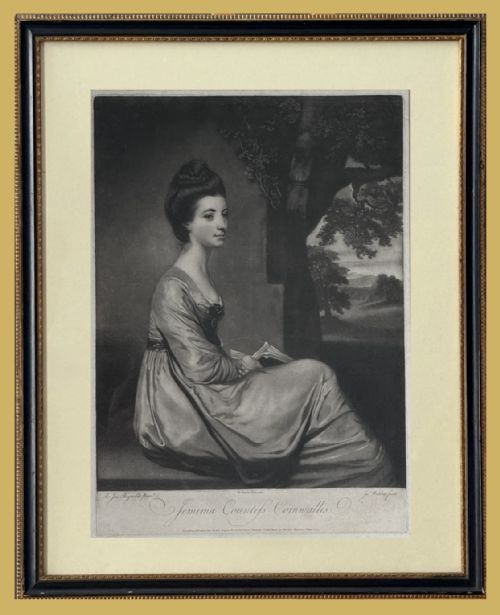
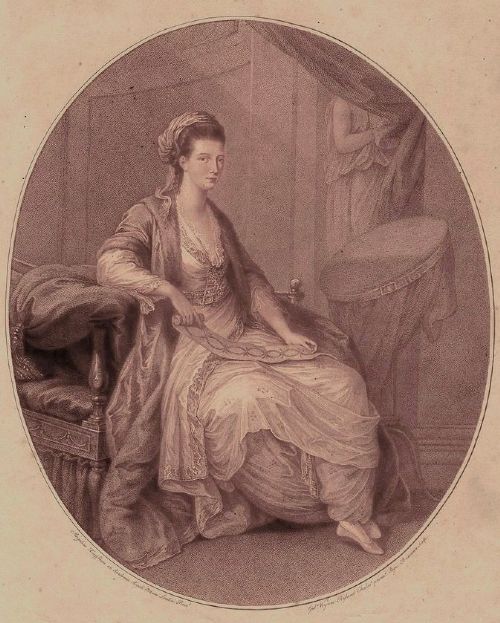
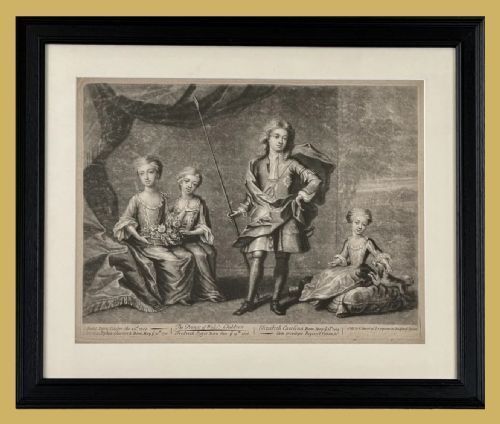
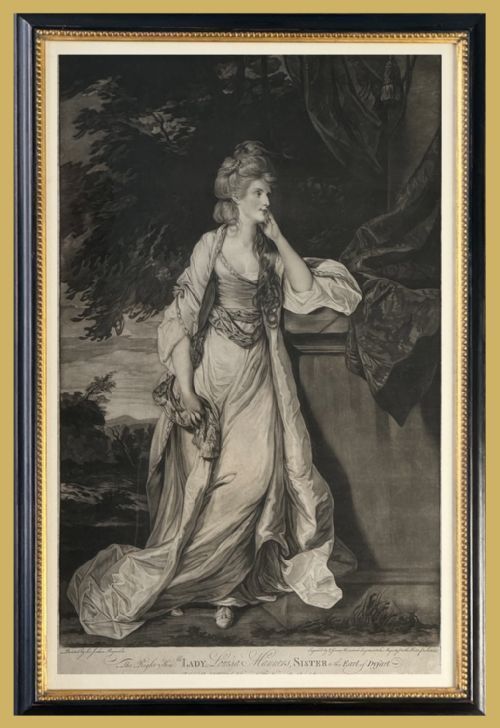
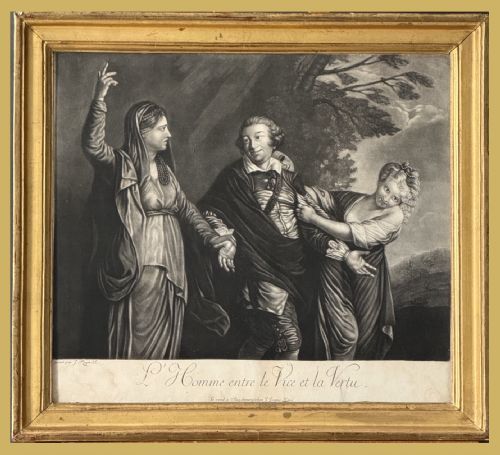
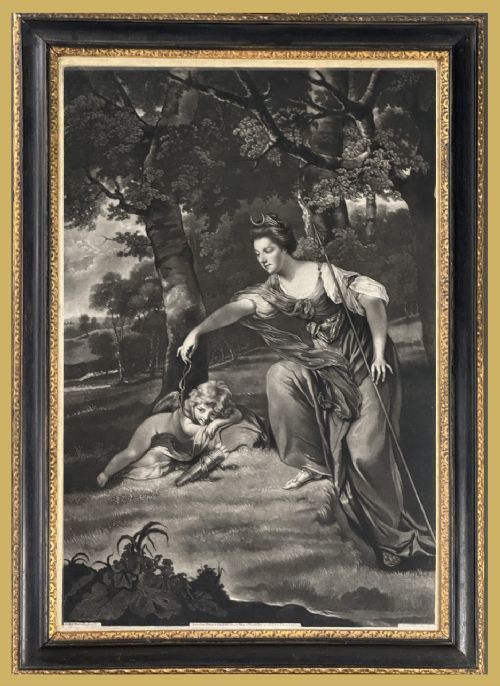
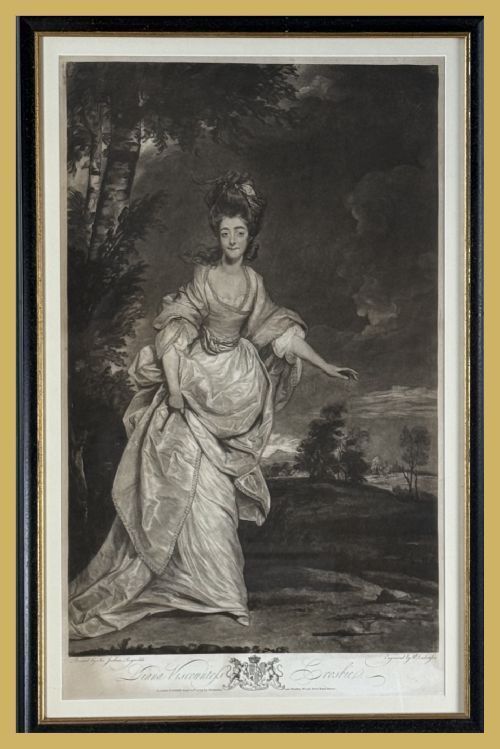
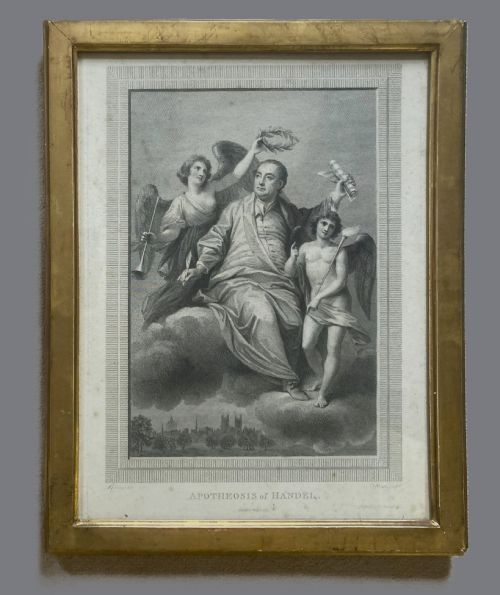
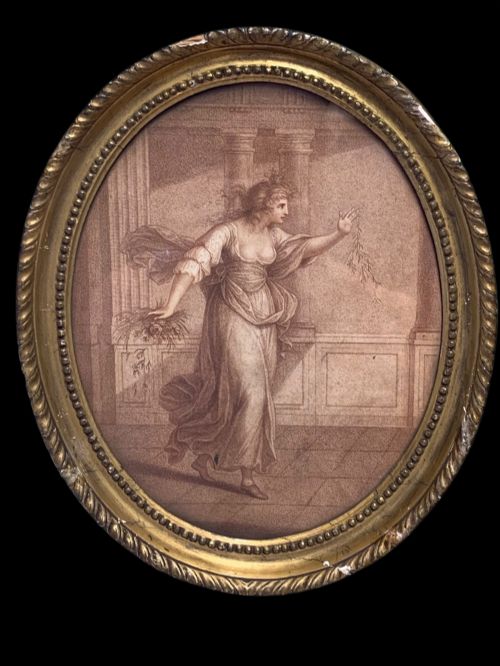
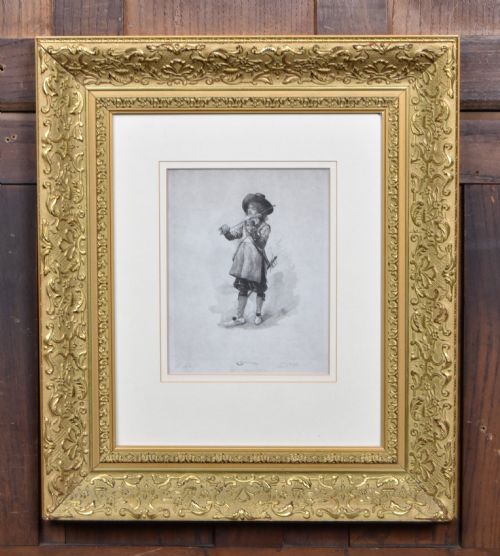
A classical portrait print represents historical figures, nobility, and literary subjects rendered through traditional printmaking methods. These works capture the likenesses of notable personalities from the eighteenth and nineteenth centuries, often translating celebrated oil paintings into fine graphic form.
The version most commonly encountered on this page is the eighteenth-century mezzotint or nineteenth-century engraving, framed closely to preserve the delicate paper margins. These pieces frequently draw upon the compositional mastery of painters such as Sir Joshua Reynolds and his contemporaries.
Buyers look for these artworks to anchor traditional interiors with established historical depth and scholarly interest. The subject matter ranges from aristocratic sitters to theatrical performers and allegorical figures.
Materials and Technique
Makers utilised heavy laid or wove paper to receive the inked impressions from copper or steel plates. Master engravers and mezzotinters employed specialised hand tools like rockers and burins to build up tones ranging from deep velvety blacks to crisp highlights.
Framing materials traditionally involved wood mouldings finished with gold leaf or giltwood, often protected by glass to shield the paper from environmental moisture and atmospheric dust.
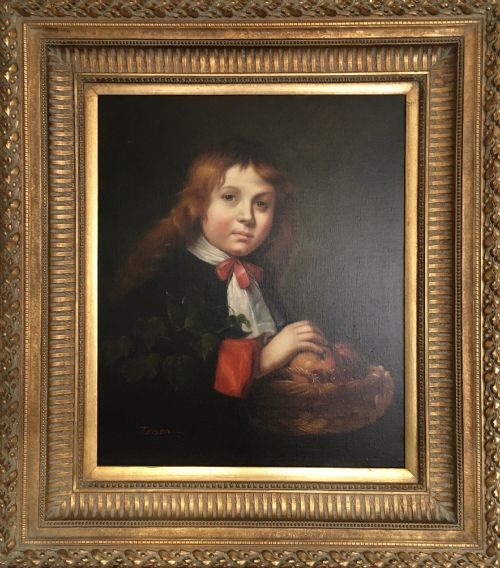
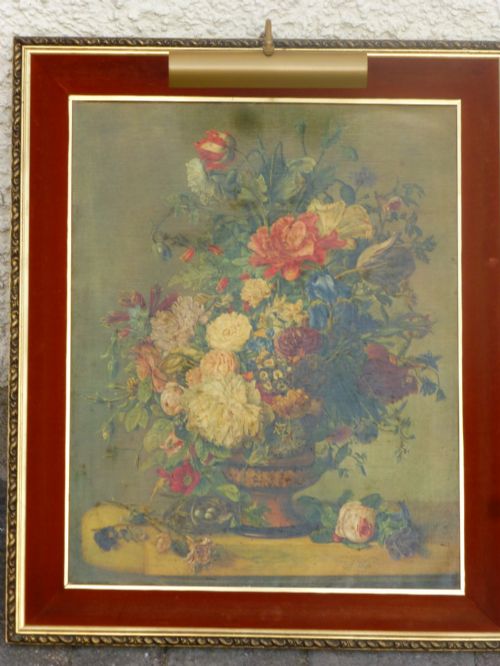
Some later twentieth-century iterations incorporate canvas or mixed media supports alongside standard paper applications, reflecting evolving methods of reproducing historic imagery.
The listings span from eighteenth-century mezzotints on laid paper to mid-twentieth-century oleographs on canvas.
Assessing Quality
Quality rests upon the crispness of the impression pulled from the printing plate, where early states yield richer tonal gradations than worn later impressions. The skill of the engraver in translating the subtlety of the original painted portrait directly influences the artistic merit of the final sheet.
The preservation of the paper substrate, including the retention of original plate marks and generous margins, elevates the standing of an individual print. Period framing, particularly original giltwood surrounds, adds materially to the integrity of the object.
John Boydell·Edward Fisher·James Watson·Valentine Green·W Dickinson
The Classical Portrait Print Glossary
- Mezzotint
- A printmaking process where the copper plate is roughened uniformly to produce rich dark tones, then scraped and burnished to create highlights. This tonal method was particularly favoured for eighteenth-century portraiture.
- Stipple engraving
- A method of creating images through a dense pattern of dots hand-punched or etched into the plate. This technique yields soft, painterly transitions particularly effective for skin tones.
- Plate mark
- The indent left on the paper by the edge of the metal printing plate under the heavy pressure of the press. Its presence confirms a traditional printing method.
- State
- A stage in the development of a print as alterations are made to the plate by the artist. Early states are typically prized for their freshness.
Classical Portrait Print: Frequently Asked Questions
How should I frame an antique print?
Protect the paper by using acid-free mounting boards and keeping the artwork away from direct sunlight. Traditional wooden frames with gilt finishes complement the aesthetic of these historical portraits.
Ensure the glass does not press directly against the surface of the paper to allow the material to breathe naturally over time.
Are these works original antique prints?
The selection includes genuine eighteenth- and nineteenth-century engravings and mezzotints produced during the periods stated. These are period impressions rather than modern digital reproductions.
Examine the paper texture and plate marks under magnification to appreciate the authenticity of the printing technique employed.
How do I identify a mezzotint from an engraving?
Mezzotints rely on rich, velvety dark areas and smooth tonal gradations rather than explicit line work. They present a softer, more atmospheric rendition of the human face.
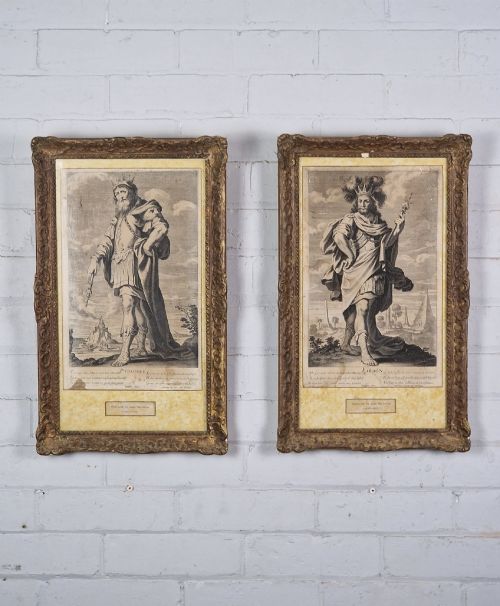
Engravings depend on distinct lines and cross-hatching to define form, shadow, and contour with geometric precision.
What subjects are most common?
Portraits of British aristocracy, actors, politicians, and literary figures dominate the output of this era. Many translate grand oil paintings commissioned by wealthy patrons into accessible prints.
Allegorical scenes and theatrical characters also appear frequently among the historical sitters recorded on the plates.