





Victorian Portrait Engraving
These Victorian portrait engraving examples capture nineteenth-century likenesses through ink and paper, offering a direct window into the faces of politicians, actors, and historical figures.
Victorian Portrait Engraving
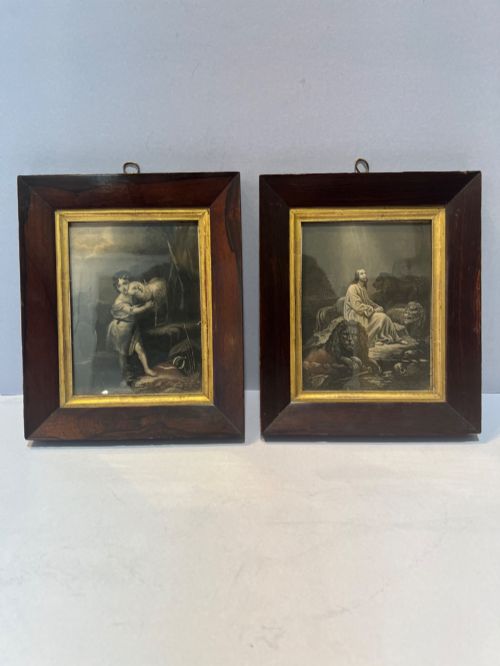
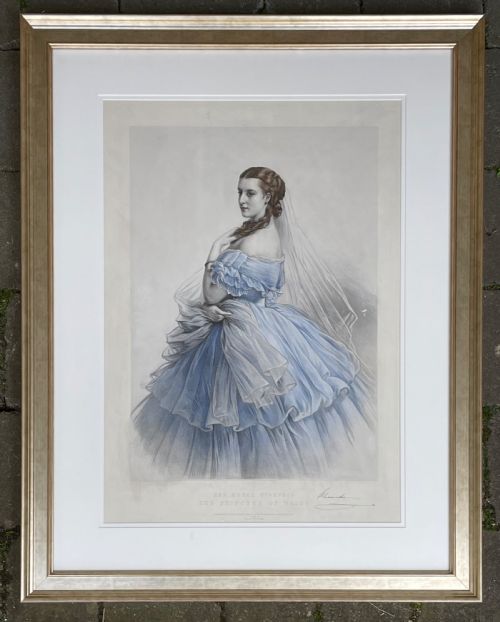
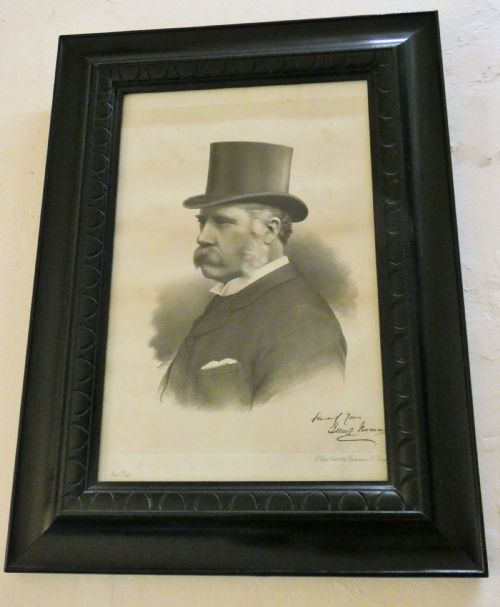
A victorian portrait engraving brings together nineteenth-century printmaking and historical subjects, ranging from politicians and actors to gentlemen and royalty. Buyers searching for a victorian portrait engraving will find works executed on paper, often preserved behind glass within wooden frames.
The selections span the nineteenth century, including specific decades such as the eighteen-sixties and eighteen-eighties alongside later Edwardian examples. These framed prints and artworks present detailed imagery created through intaglio and lithographic techniques.
Materials and methods
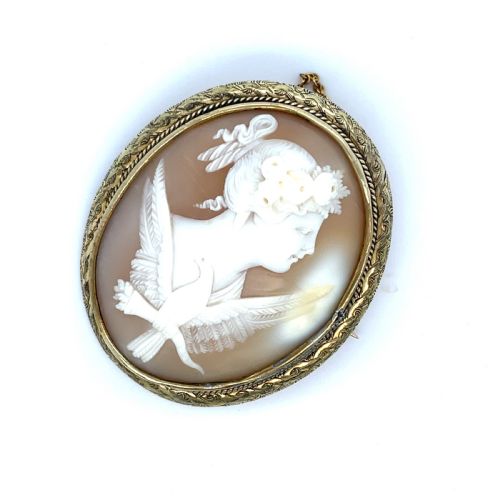
Framing materials complete the construction, featuring wood, rosewood veneer, and gilded or gilt wood alongside protective glass. Certain portraits are also housed in wearable forms like gold or silver lockets and shell cameos.
Object types span framed prints, lithographs, etchings, lockets, and brooches.
Assessing quality and execution
Quality rests in the precision of the printed line and the fidelity of the likeness captured by the engraver or artist. Finer examples display meticulous detail in the subject's expression and clothing, preserved cleanly on the paper sheet.
The presentation housing also distinguishes the pieces, from simple wooden surrounds to ornate gilt frames or precious metal lockets. The clarity of the ink and the stability of the paper support determine the overall preservation of the work.
Edward Stodart·W. Roffe·J. Brown·William Powell Frith·Herbert Dicksee
The Victorian Portrait Engraving Glossary
- Engraving
- A printmaking technique where an artist cuts lines directly into a metal plate using a sharp tool called a burin. The inked plate transfers the design onto paper under high pressure.
- Lithography
- A planographic printing process based on the repulsion of oil and water, allowing artists to create detailed tonal images on prepared stone or metal surfaces. This method was widely used for nineteenth-century portraiture and fashion prints.
- Drypoint etching
- A form of intaglio printmaking where the artist scratches directly into a metal plate with a sharp needle, raising a rough ridge of metal called a burr that holds ink for a velvety line.
- Mezzotint
- A tonal printmaking process where the copper plate is roughened uniformly to produce rich dark areas, and scraped back to lighter tones for subtle shading in portraits.
- Victorian
- Relating to the reign of Queen Victoria from eighteen thirty-seven to nineteen oh one, defining the predominant period of the art and objects shown here.
Victorian Portrait Engraving: Frequently Asked Questions
What subjects appear in these portrait prints?
The listed works portray various notable figures from the nineteenth century, including political figures like Hampden, theatrical personalities such as actress Helen Faucit, and royalty including Queen Alexandra.
Other representations depict gentlemen and literary characters, reflecting the Victorian interest in documenting public figures and cultural icons through printed media.
How are these engravings typically framed?
Many examples are presented behind glass within wooden frames, rosewood veneer surrounds, or gilded wooden mouldings designed to protect the paper.
Alternative formats include miniature portraits set within solid silver or ornate yellow gold lockets and carved shell brooches.
What print techniques are used?
The collection incorporates traditional engravings, drypoint etchings, lithographs, and mezzotints. Each method produces distinct tonal qualities and line definitions on the paper support.
Artists utilised these varied processes to translate detailed drawings and paintings into multiple printed impressions.
How do I date a portrait engraving?
Dating relies on the recorded period of the nineteenth century, specific artist lifespans, or noted publishing years associated with the sitter.
Styles spanning Victorian to Edwardian periods provide further chronological markers for the prints and their associated frames.