

Historical Portrait Print
A historical portrait print captures the likeness of notable figures in paper, ink, and graphite, offering a direct tangible link to past centuries.
What historical portrait print examples reveal
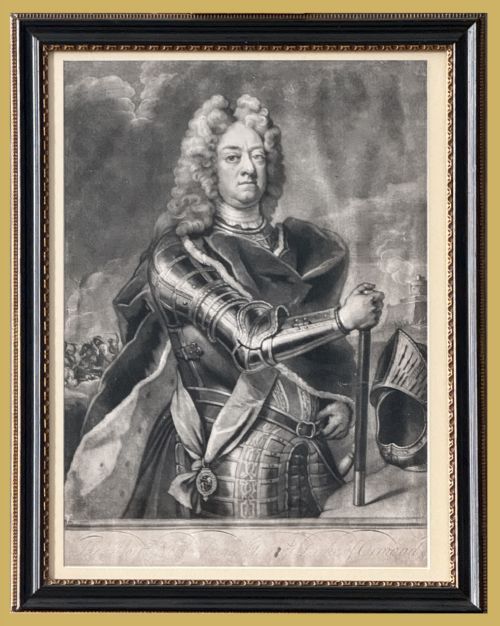
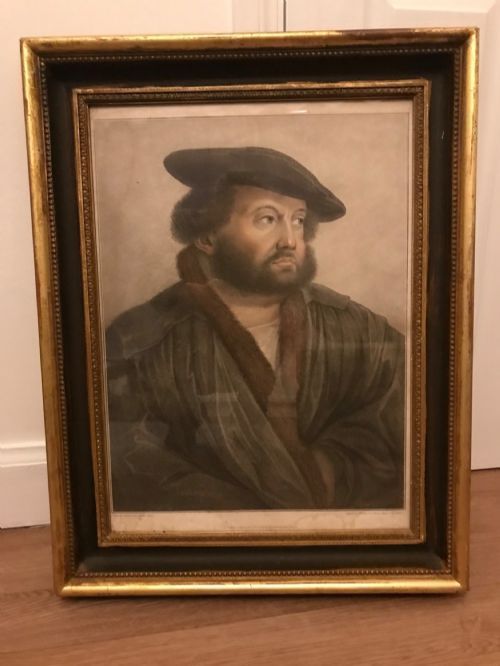
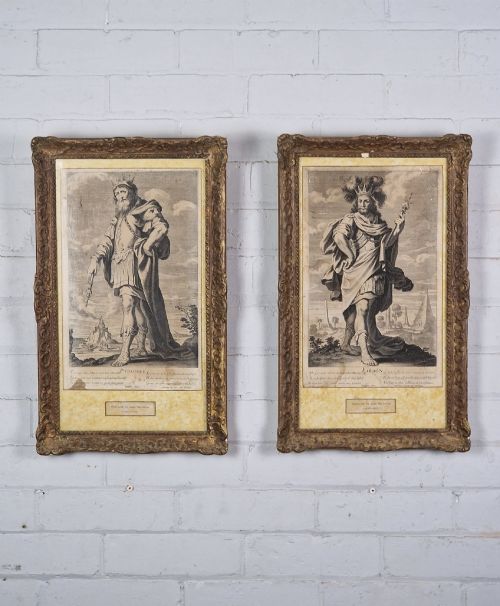
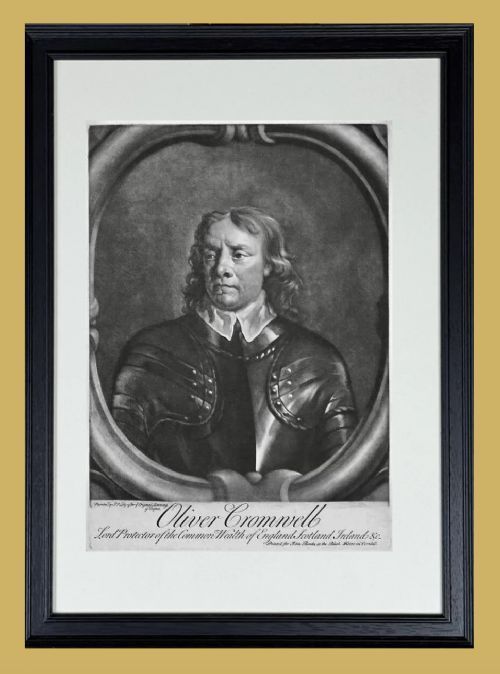
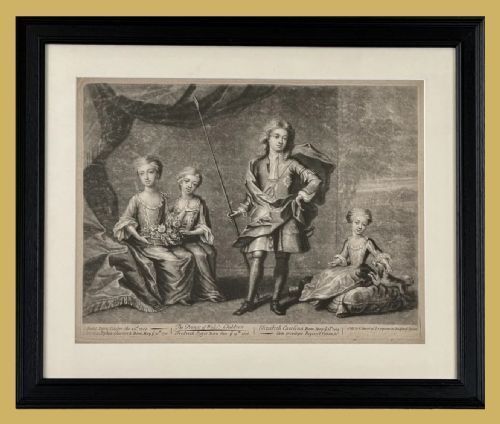
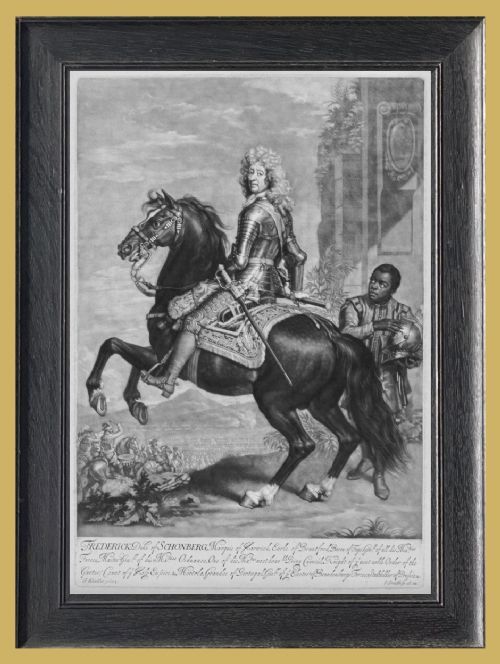
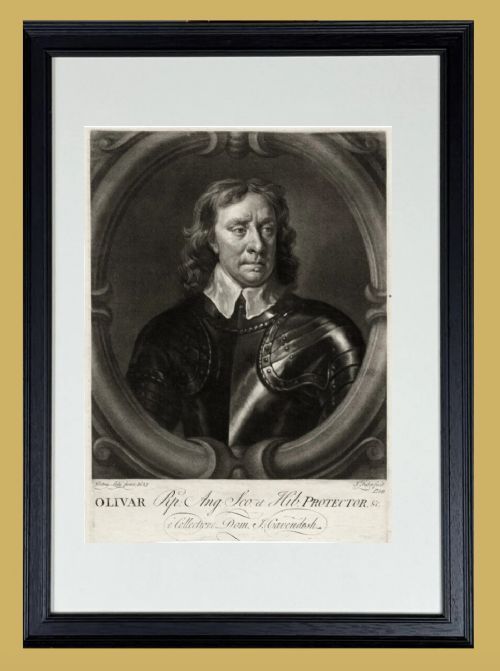
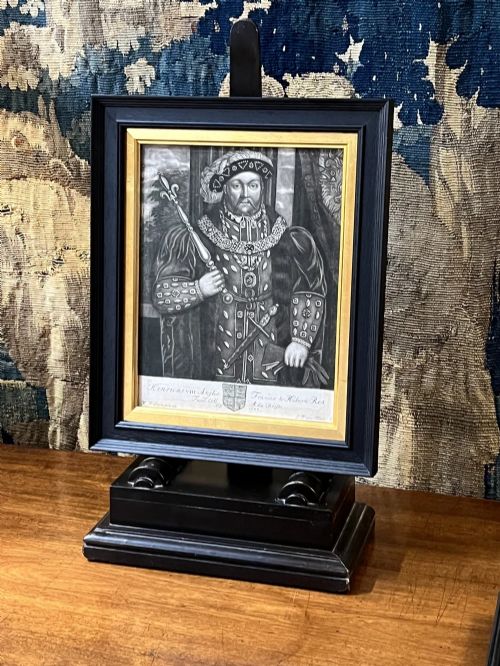
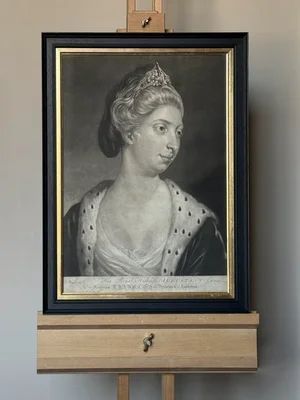
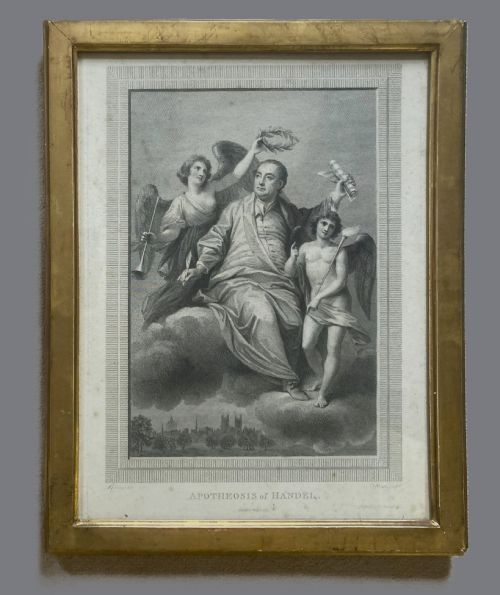
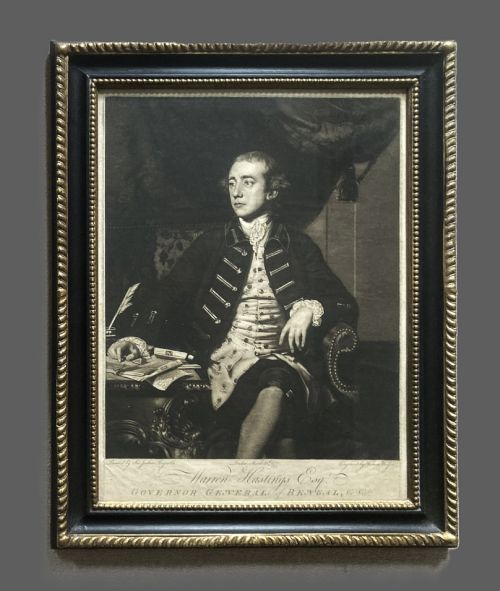
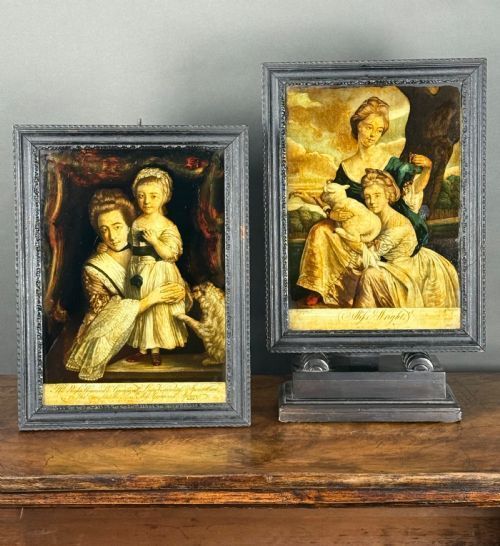
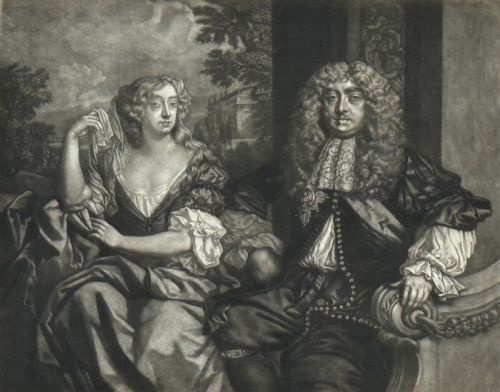
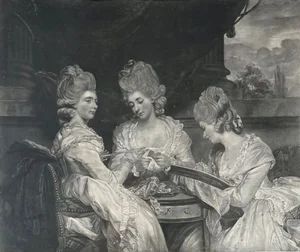
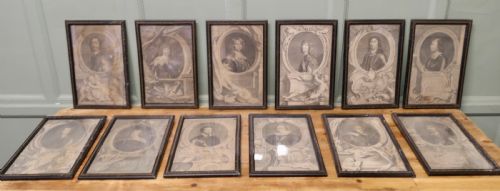
A historical portrait print brings together framed prints, engravings, and pencil drawings that record notable figures from the seventeenth and nineteenth centuries. These works include seventeenth-century Baroque mezzotints and Victorian engravings framed in timber with gold leaf and glass.
The versions most commonly met on this page range from early mezzotints by named printmakers to nineteenth-century engravings and original graphite drawings. Each piece presents a distinct record of a distinguished gentleman or royal subject framed for display.
Methods and materials
Makers produced these works utilising paper surfaces marked with ink and graphite, forming detailed prints and drawings. Mezzotint and engraving plates required skilled handiwork to translate likenesses into multiples.
Framing involved timber and gold leaf housings protected by glass. These protective surrounds secured fragile paper sheets for domestic display across generations.
Distinctions in quality
Quality rests in the precision of the ink impression and the subtlety of the graphite handling. Early mezzotints show deep tonal richness, while nineteenth-century engravings rely on fine line work.
Originality of the medium elevates a piece, as seen when a pencil drawing accompanies a printed plate. The preservation of the original timber and gold leaf frame further shapes the character of the object.
John Smith·Thomas Murray
The Historical Portrait Print Glossary
- Mezzotint
- A printmaking process where the copper plate is roughened to allow deep black tones and subtle gradations of light. This technique produced rich tonal portraits in the seventeenth century.
- Engraving
- A method of cutting design lines directly into a metal plate with a sharp tool. The resulting incisions hold the ink for pressing onto paper.
- Graphite
- A form of carbon used in pencils to create drawn lines and tonal shading. Original drawings provide a direct hand-drawn record alongside printed works.
- Baroque
- An artistic style characterised by drama and rich detail, prominent in seventeenth-century portraiture. It influences the grand composition of early printed likenesses.
Frequently Asked Questions
What is a historical portrait print?
A historical portrait print is an antique paper work recording the likeness of a notable person through mezzotint, engraving, or drawing.
These pieces capture notable figures from the seventeenth and nineteenth centuries within traditional frames.
How were these prints framed?
Historical portraits generally utilised timber frames finished with gold leaf and fitted with protective glass.
This presentation kept fragile paper sheets safe from environmental damage while allowing clear display.
How do I care for antique paper?
Antique paper prints require protection from direct sunlight to prevent ink fading and paper yellowing.
Keeping pieces away from damp environments ensures the timber frames and paper remain stable.
Are drawings found with prints?
Some listings combine original graphite drawings with later or contemporaneous engravings of the same sitter.
This pairing offers a direct comparison between hand-drawn artistry and printed reproduction.