




Baroque Portrait Print
A baroque portrait print brings striking seventeenth- and eighteenth-century faces into a room through ink on paper, framed and ready to hang.
Baroque Portrait Print
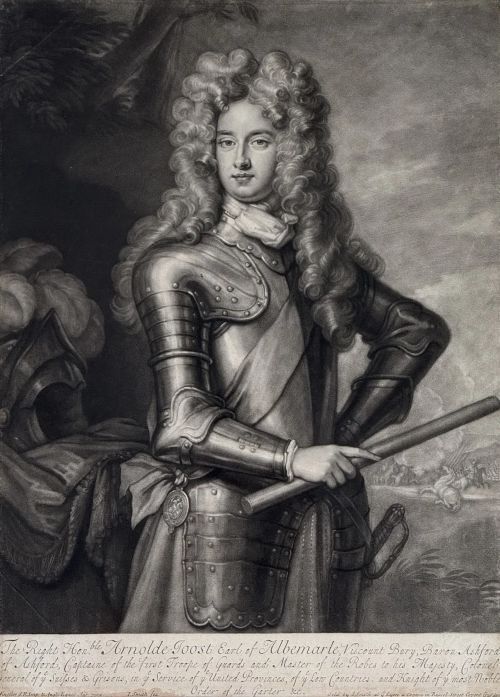
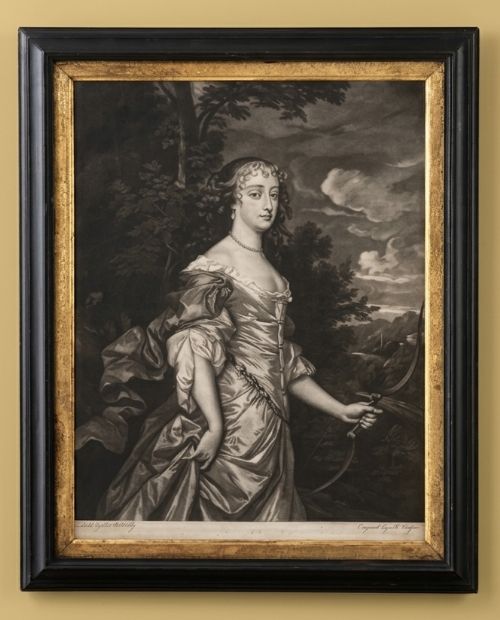
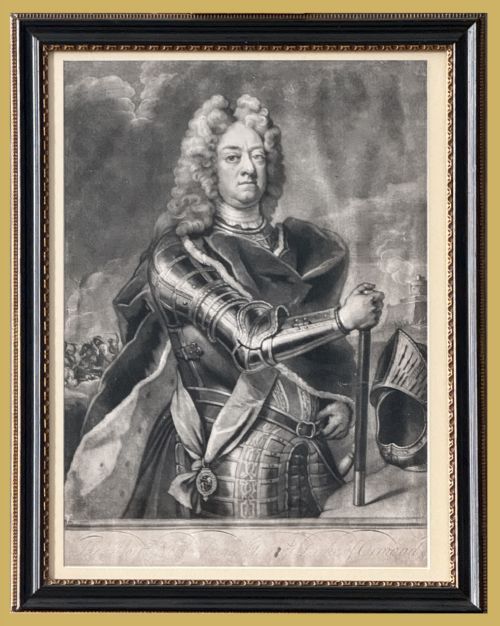
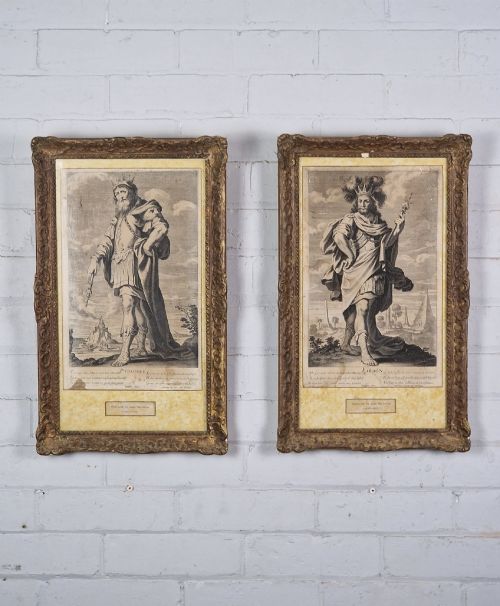
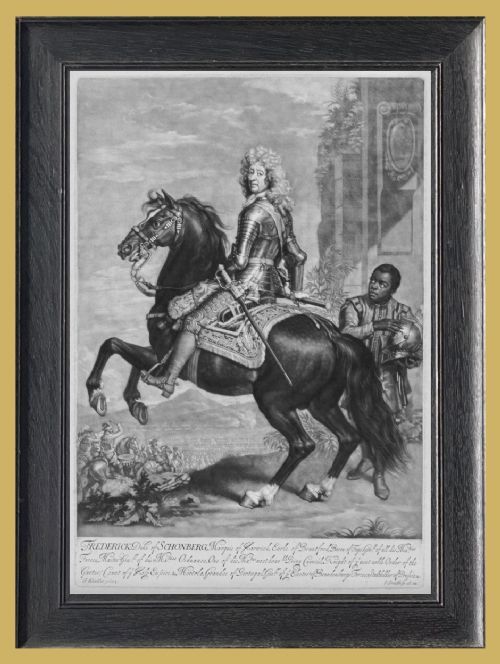
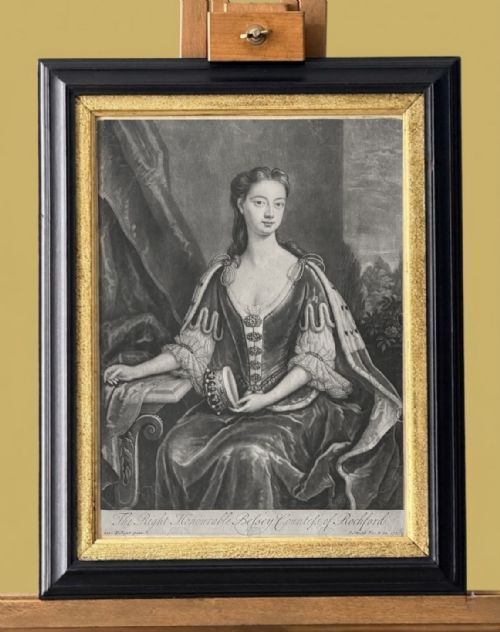
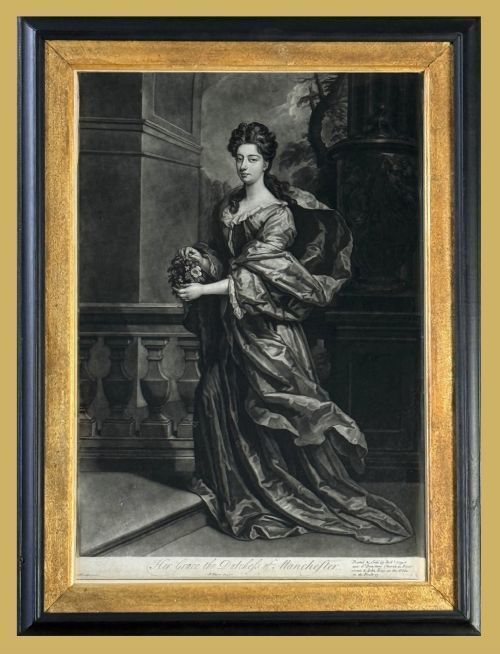
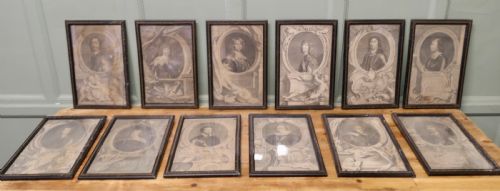
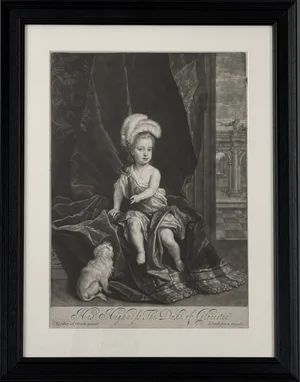
A baroque portrait print captures notable figures of the seventeenth and eighteenth centuries, rendered through detailed engraving and mezzotint techniques. These works range from individual framed pieces to collections of historical likenesses.
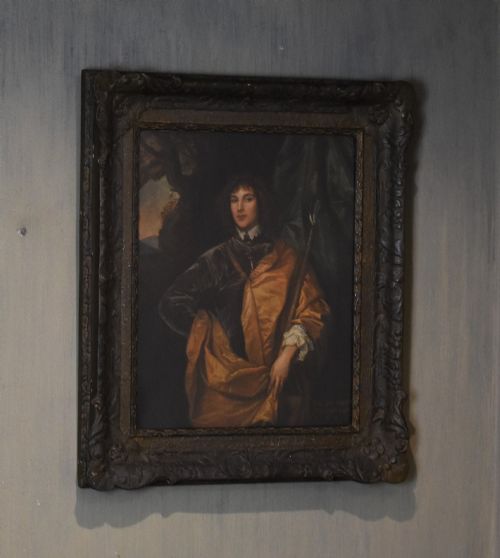
Buyers will most frequently encounter eighteenth-century impressions alongside seventeenth-century examples, often presented in wood frames under glass. The subjects span nobility, military commanders and historical dignitaries recorded by prominent printmakers.
The selection includes French engravings and English mezzotints after master painters like Sir Godfrey Kneller and Anthony van Dyck. Each piece offers a direct connection to the portraiture of the baroque and Georgian eras.
Materials and production methods
Makers utilised ink applied to paper sheets, employing intricate engraving and mezzotint methods to build deep tonal gradations and shadow. These prints rely on metal plates worked by hand to capture the complex drapery and expression characteristic of the period.
Many surviving examples are housed in wood frames, occasionally incorporating gold leaf detailing and protected by glass. Pigment is sometimes present on specific items, enhancing the visual depth of the framed artwork.
Countless historic nobles stare outward with immense wigs, seemingly judging everyone who walks past their frames.
Distinctions in quality
The integrity of the paper and the preservation of the original wood frame contribute significantly to the standing of a piece. Works associated with skilled printmakers working after celebrated painters tend to show superior artistic execution.
John Smith·John Simon·John Faber Jr·Jacobus Howbraken·Jean Mariette
The Baroque Portrait Print Glossary
- Mezzotint
- A printmaking process where the copper plate is roughened to achieve rich dark tones and subtle gradations of light. This technique allowed portraitists to replicate the soft shadows of oil paintings.
- Engraving
- A method of cutting lines directly into a metal plate with a sharp tool to hold ink. It produces crisp, precise outlines suited to formal portraiture.
- Reverse glass print
- An image painted or transferred directly onto the back of a glass panel to be viewed from the front. This specialised technique creates a luminous surface finish.
- State
- The stage of a print run determined by alterations made to the printing plate. Collectors look closely at early states for superior detail.
Baroque Portrait Print: Frequently Asked Questions
What is a mezzotint portrait?
A mezzotint is an intaglio printmaking process where the artist works from dark to light by roughening the copper plate. This allows for rich, velvety background tones and subtle facial modeling.
Such prints were widely used in the seventeenth and eighteenth centuries to reproduce grand oil paintings for collectors.
How should I hang these prints?
Keep these framed paper works away from direct sunlight to prevent the ink and paper from fading over time. Stable indoor humidity protects both the antique wood frames and the paper within.
Grouping several pieces together creates a traditional gallery wall reminiscent of period interiors.
Are these prints original period pieces?
The selection includes authentic seventeenth- and eighteenth-century impressions produced during the periods of their subjects. Later nineteenth-century and 1900s print interpretations also appear among the offerings.
Examining the paper characteristics and plate marks helps determine the exact era of production.
Who are the typical subjects depicted?
The subjects are historical figures including dukes, earls, military commanders, and nobility from British and European history. Many were important political or military leaders of their day.
Artists like Sir Godfrey Kneller and van Dyck originally painted the likenesses that these printmakers reproduced.