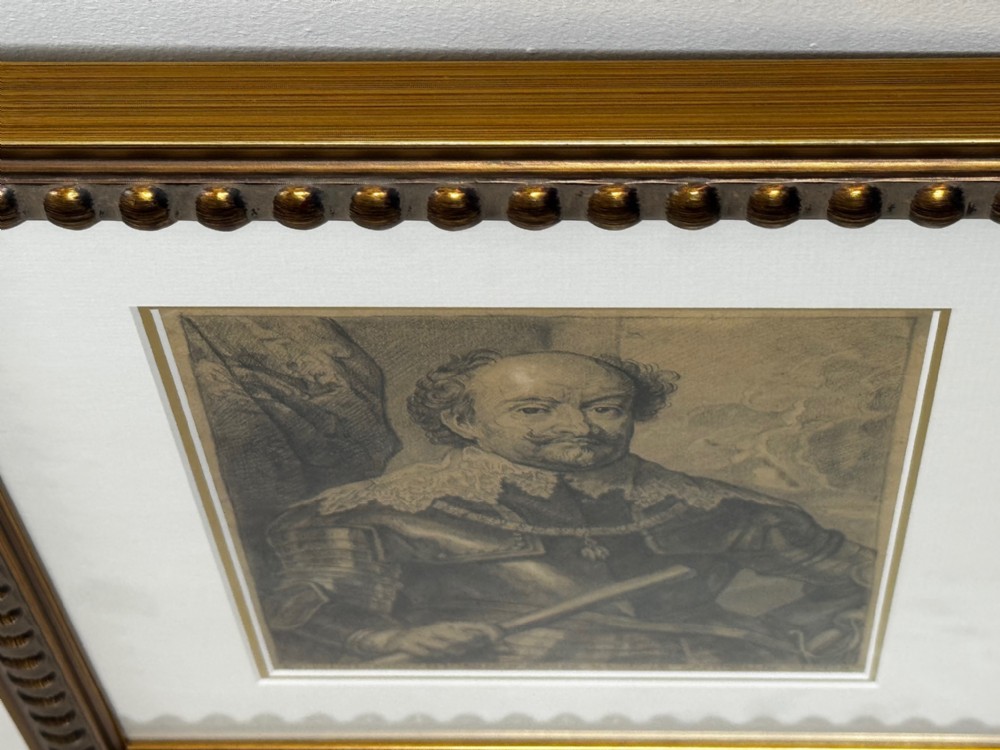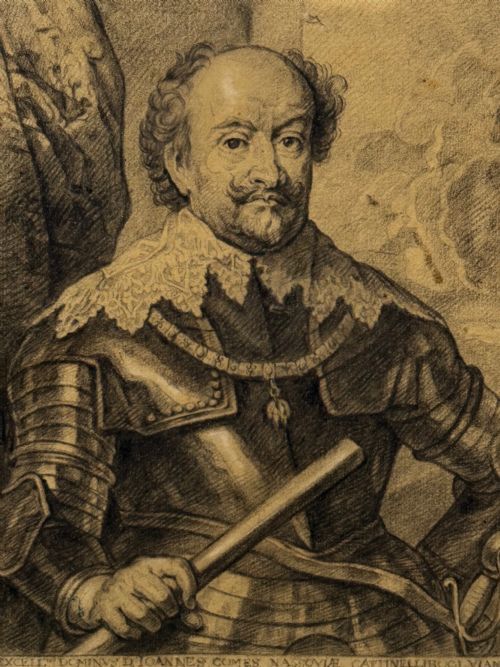
Cheshire Antiques Consultant Ltd has dated this Old Master Portrait Drawing to the 19th Century.
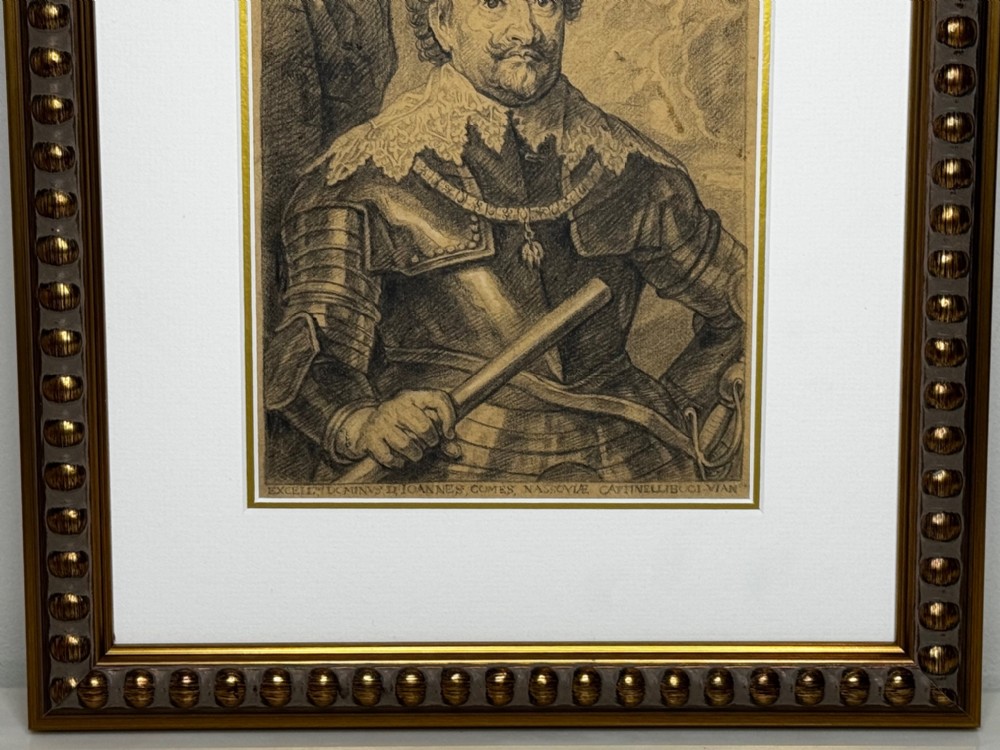
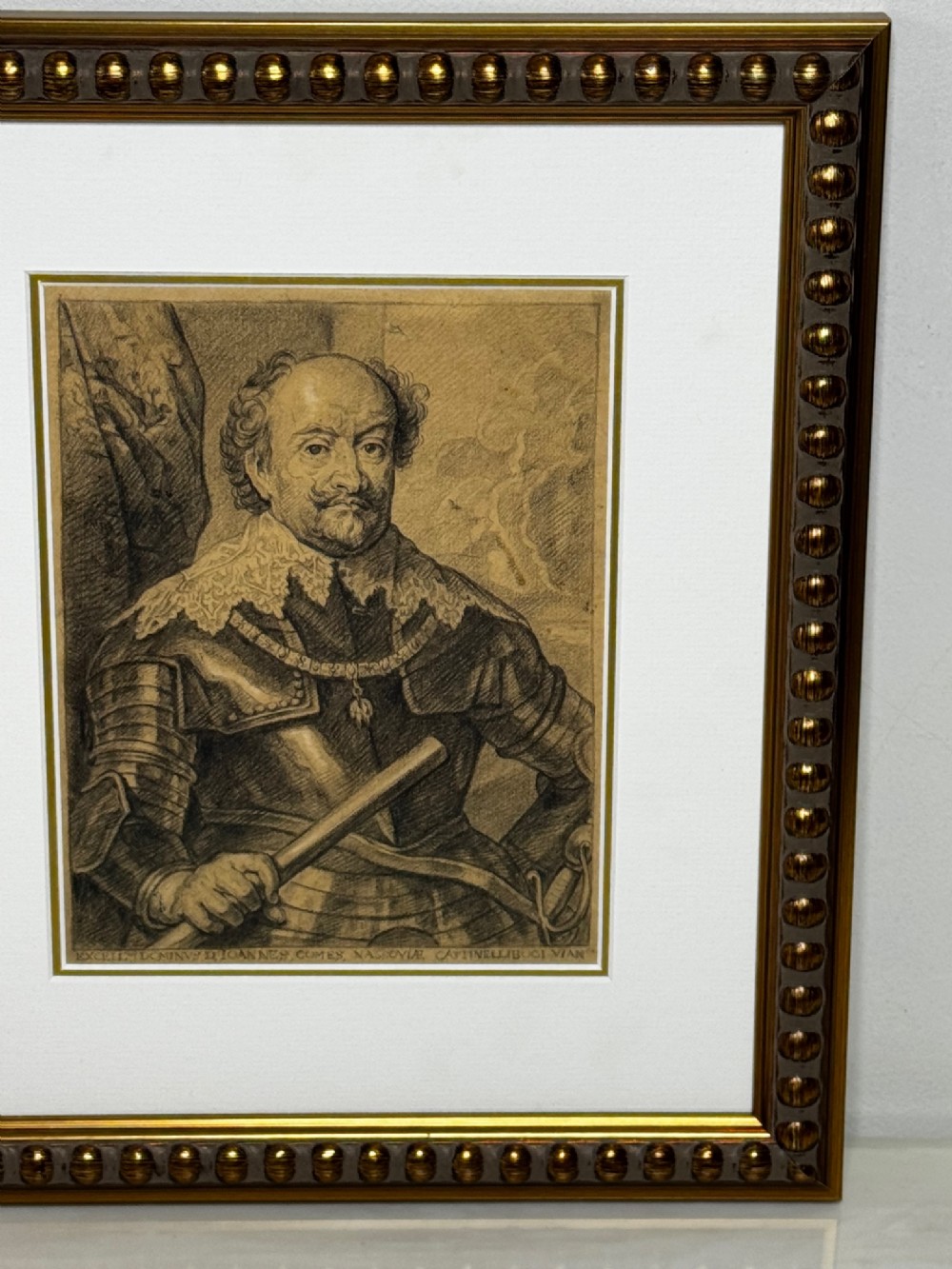
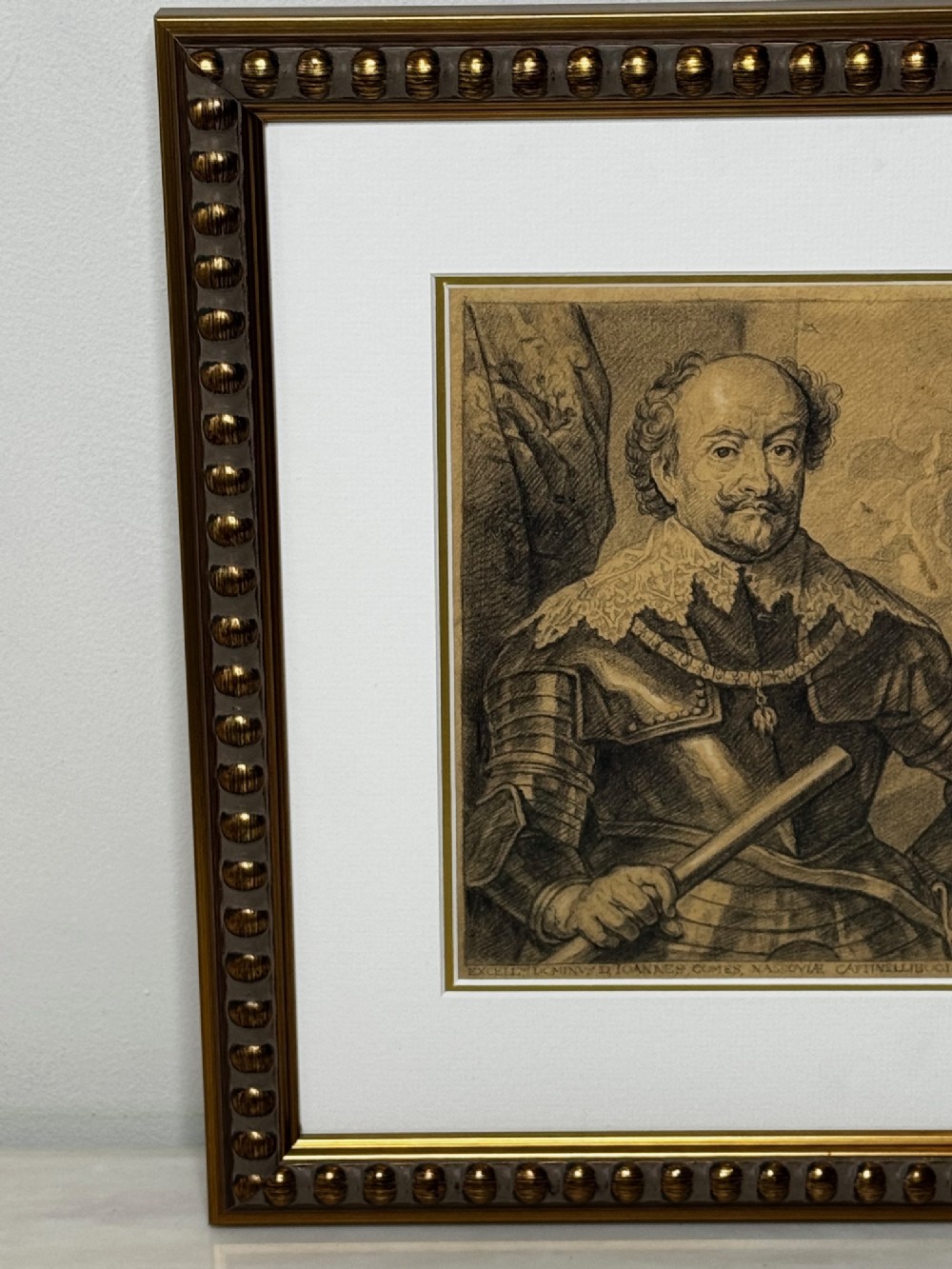
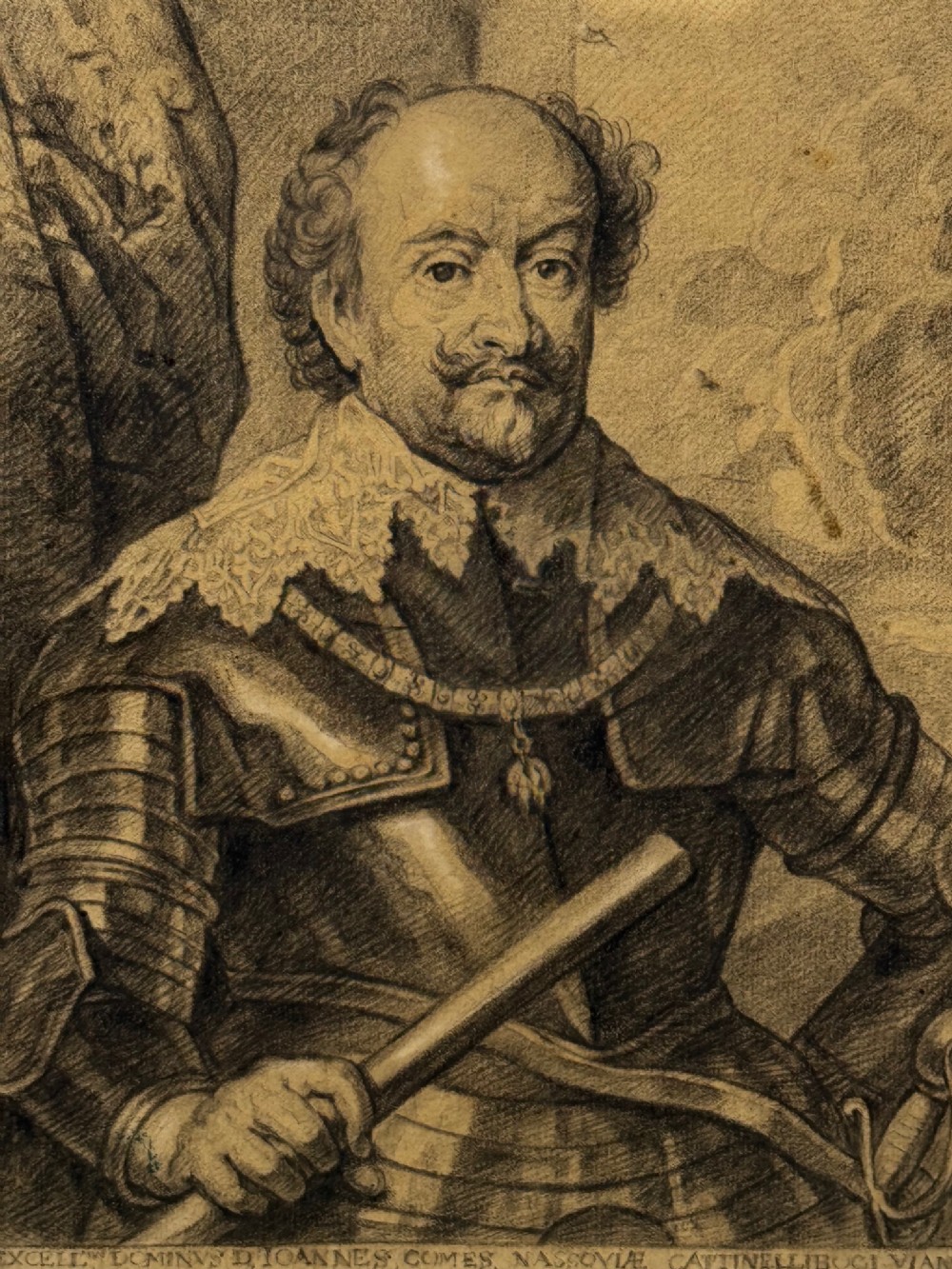
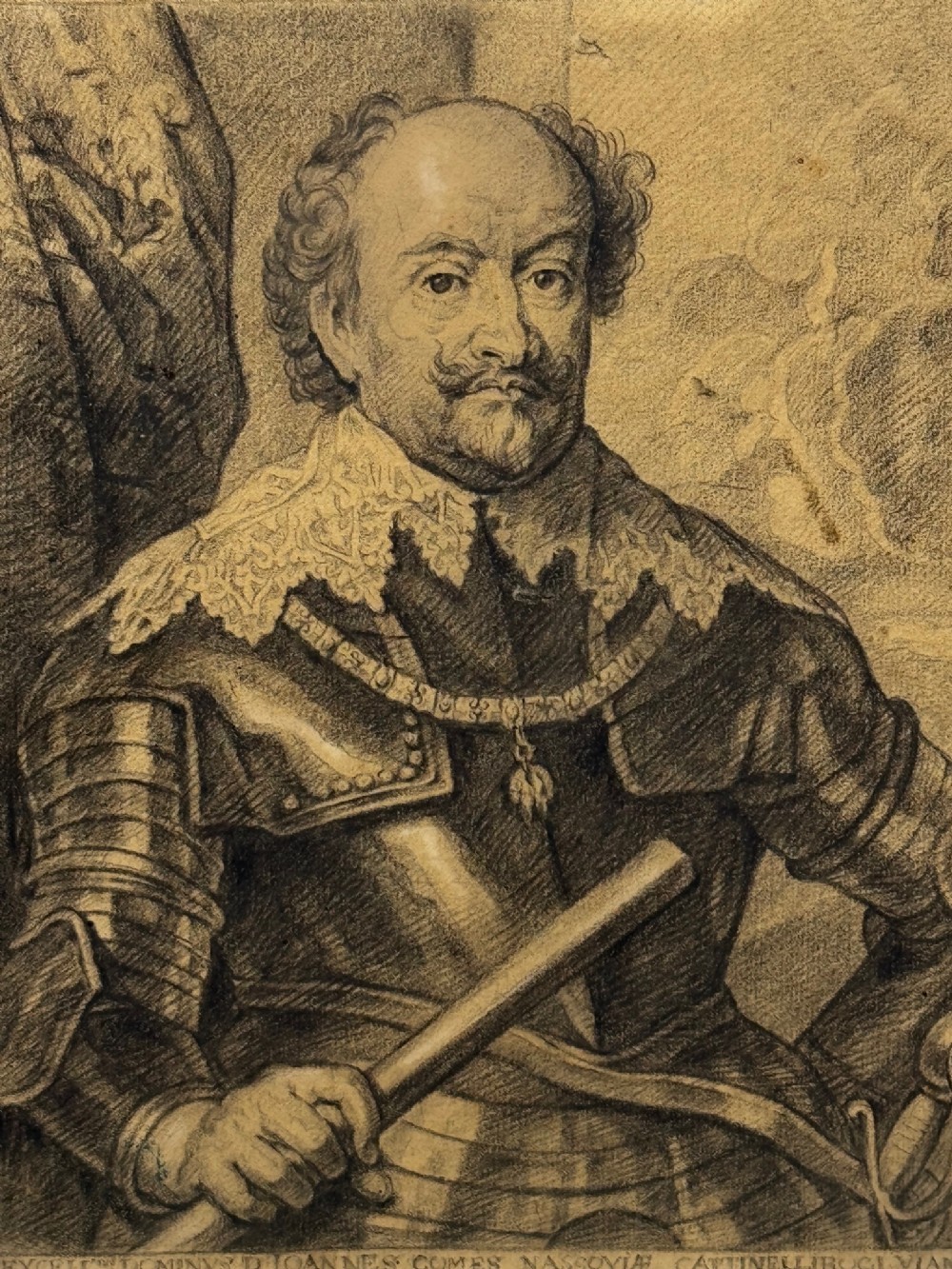
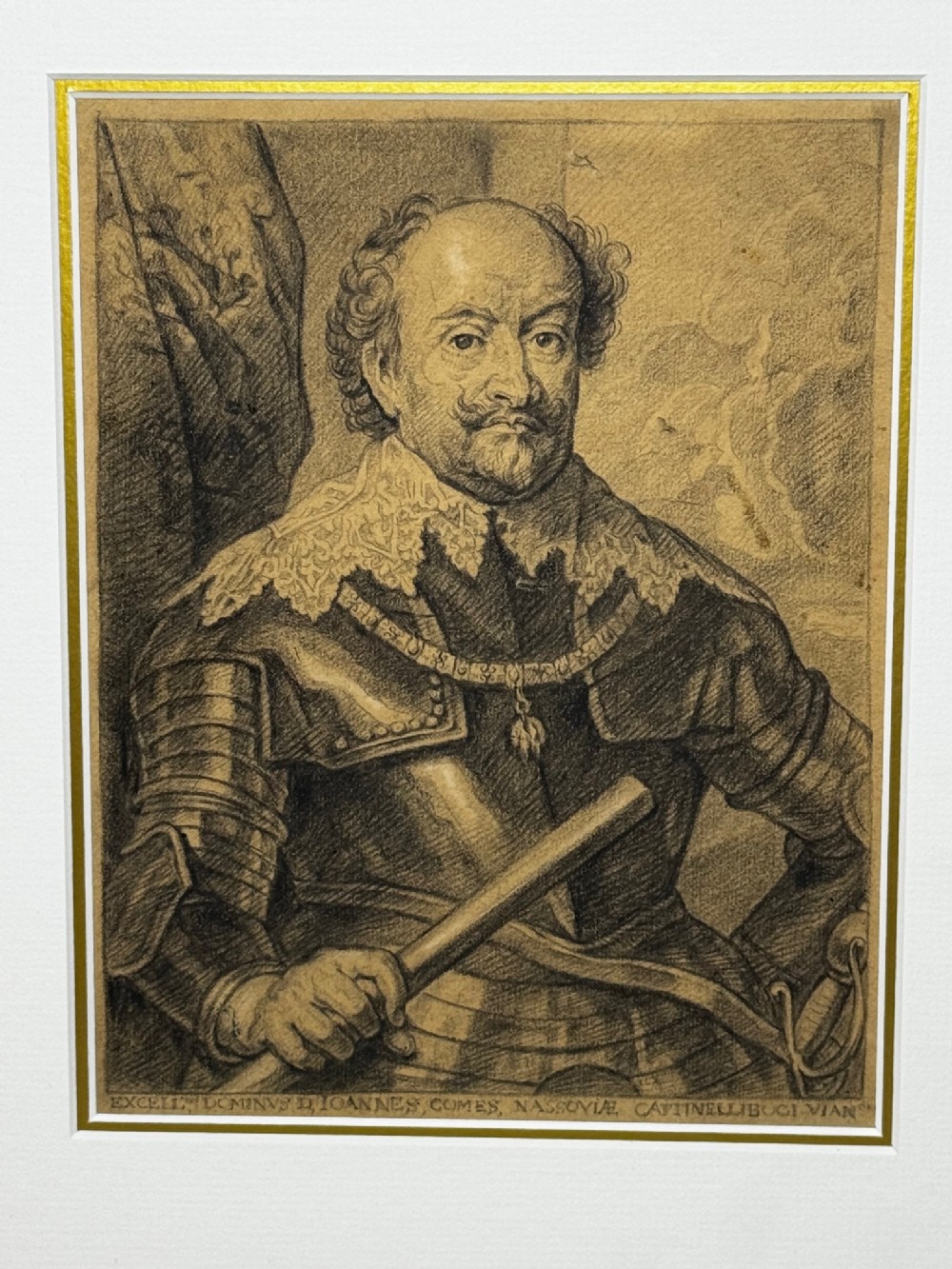
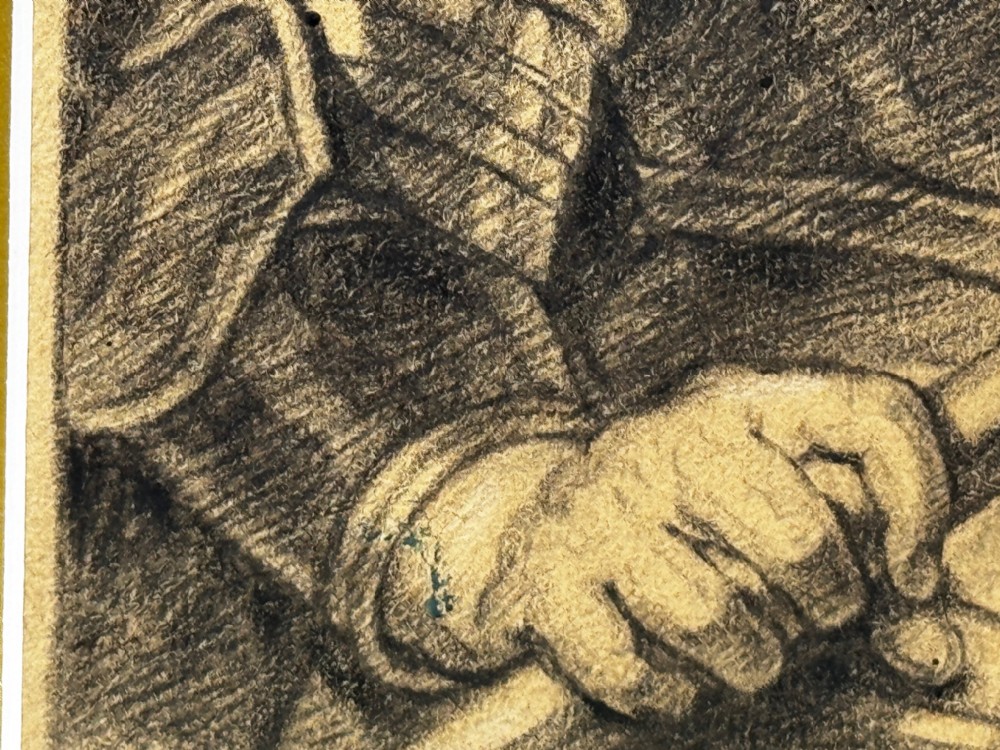
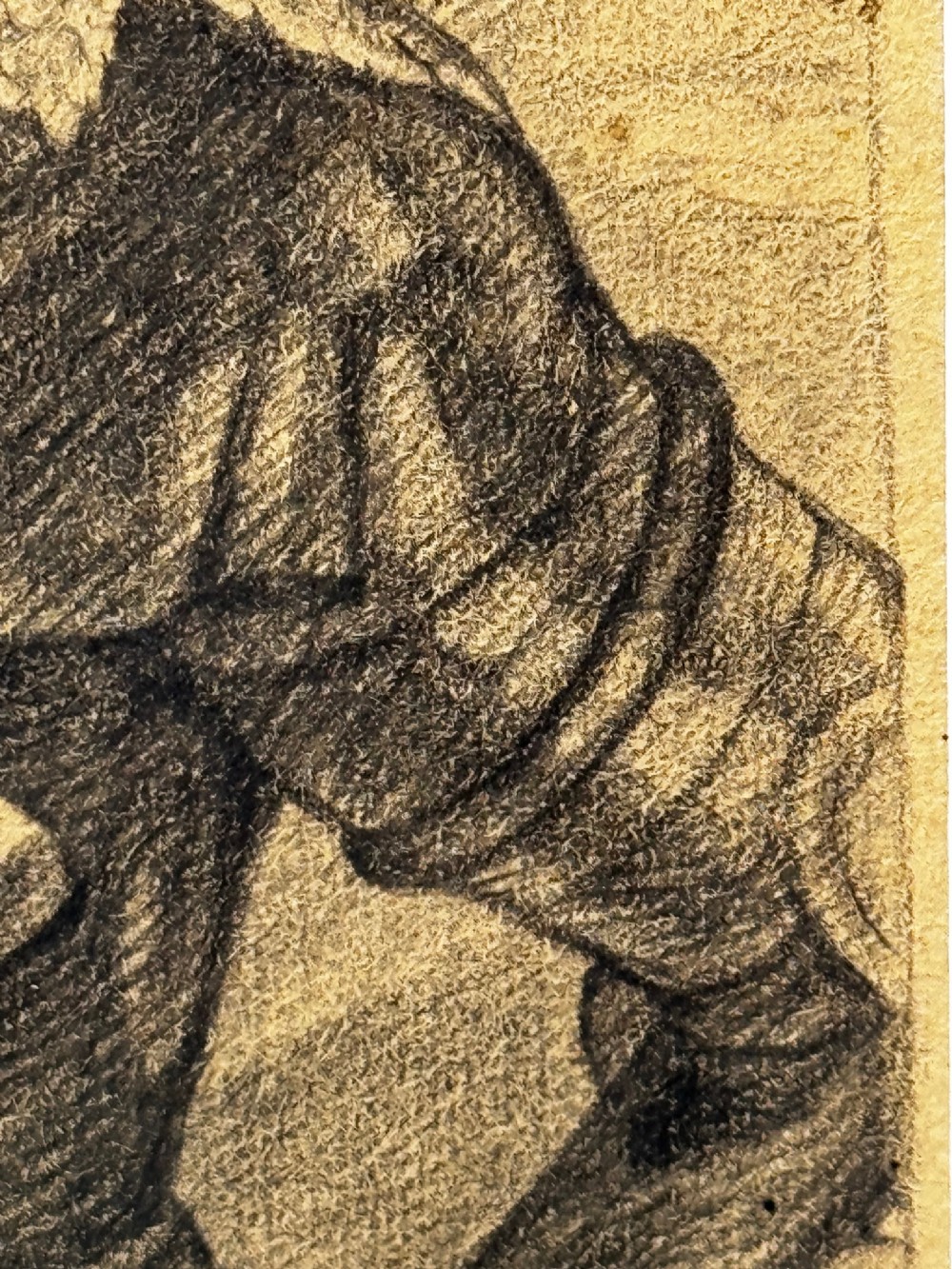
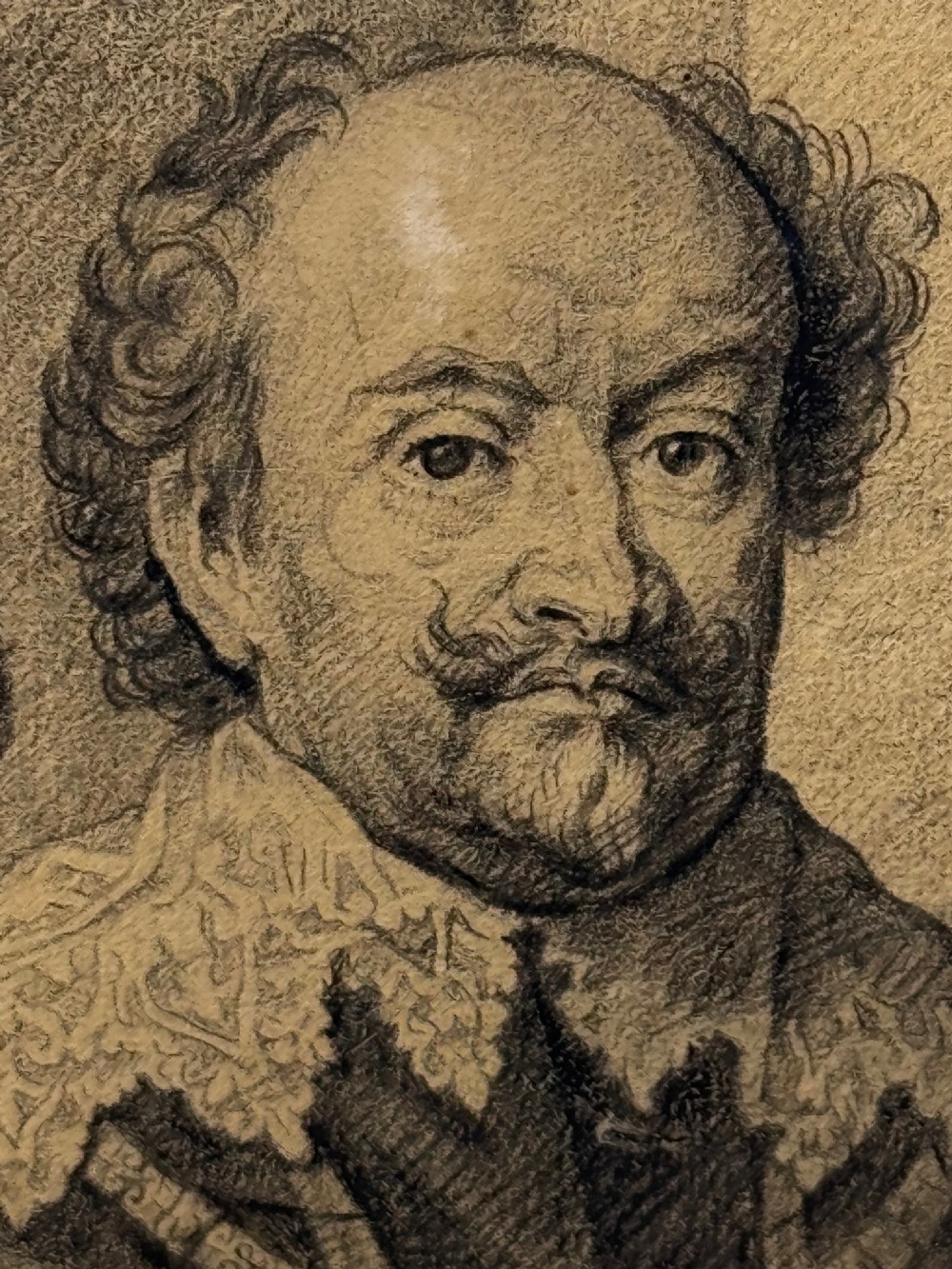
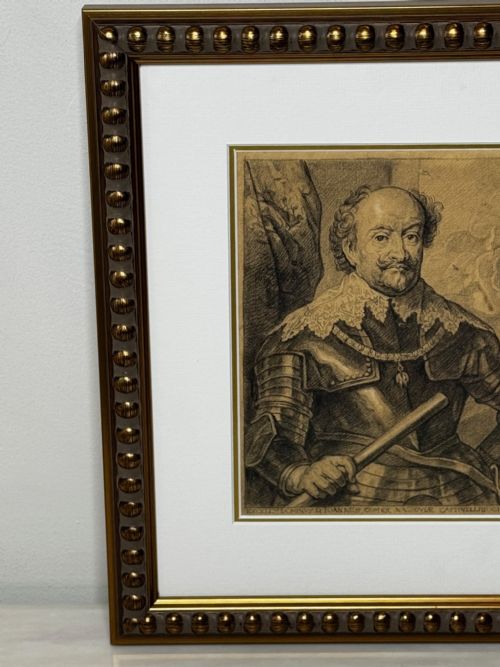
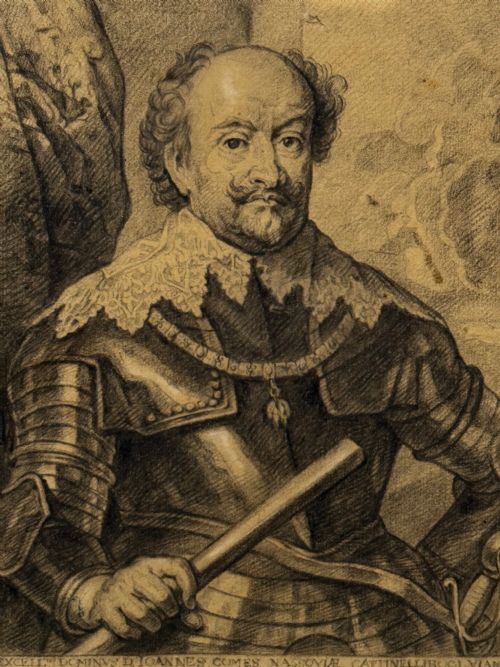
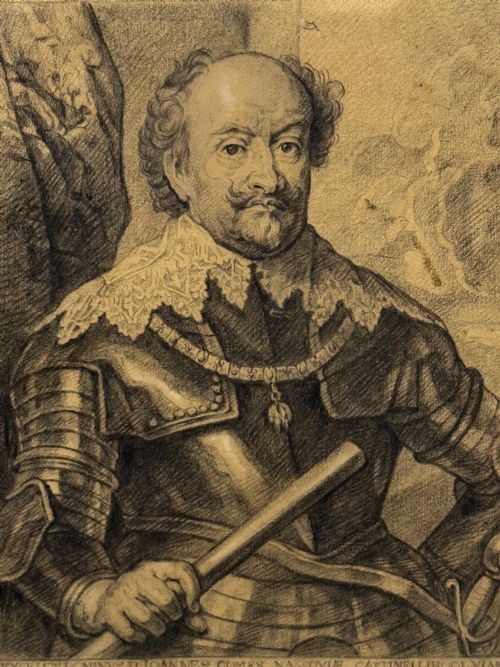
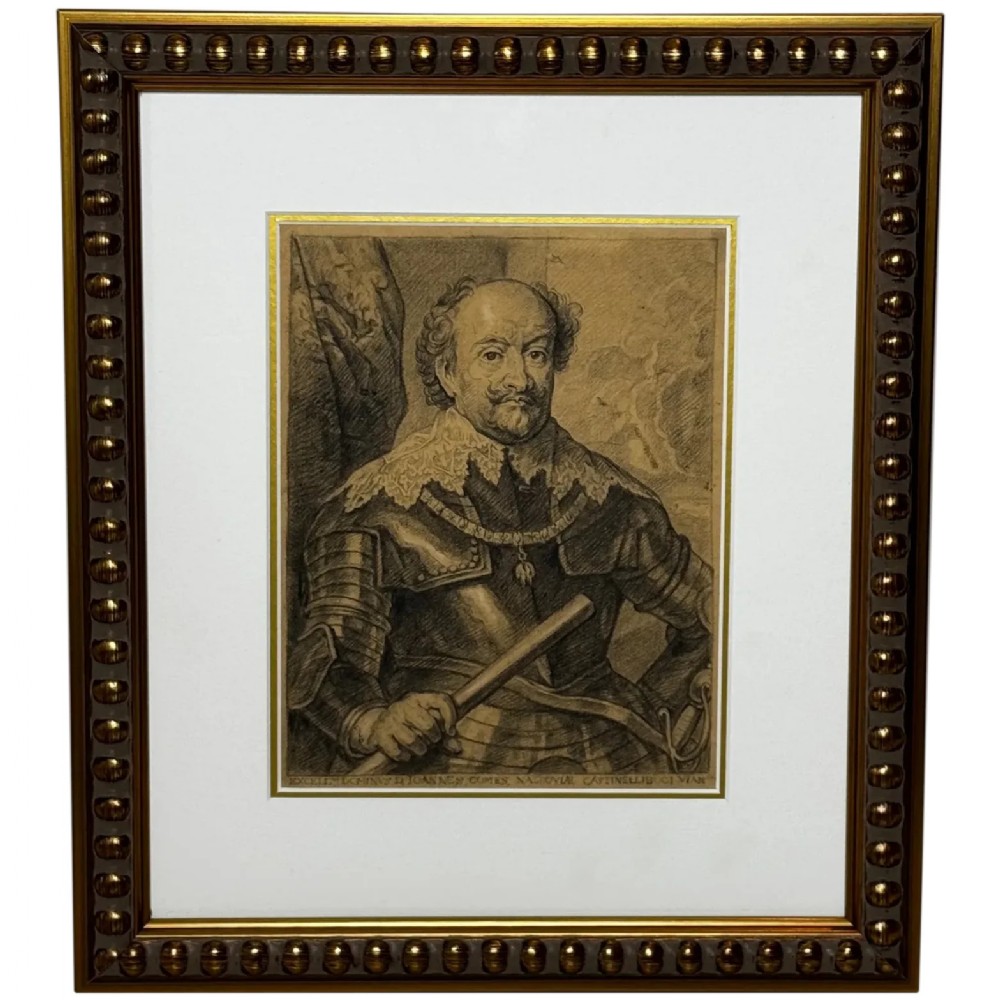
Bring true European aristocratic presence to your wall with this refined Old Master–style graphite drawing depicting John VIII, Count of Nassau (1583–1638)—shown half-length in ceremonial armor, with a commanding baton and formal Latin title. Created by an unknown Continental artist in the late 18th to early 19th century, the work is drawn after Sir Anthony van Dyck, following the celebrated engraved prototype by Paulus Pontius, published by Martinus van den Enden.
Artwork Details )
Title / Subject: John VIII, Count of Nassau, Lord of Cattenell and Beilstein, in Armor
After: Sir Anthony van Dyck (1599–1641)
Artist / School: Unknown Old European Master, Continental School (late 18th–early 19th century)
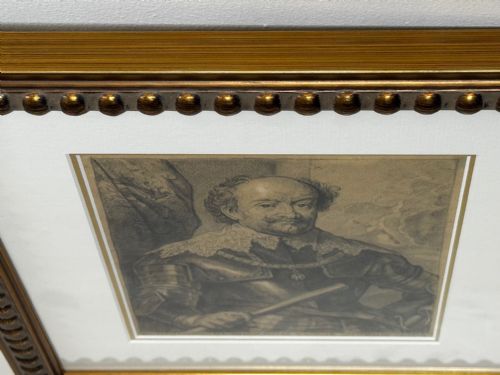
Medium: Graphite on paper
Type: Antique portrait drawing; Old Master after-study; cabinet-scale work on paper
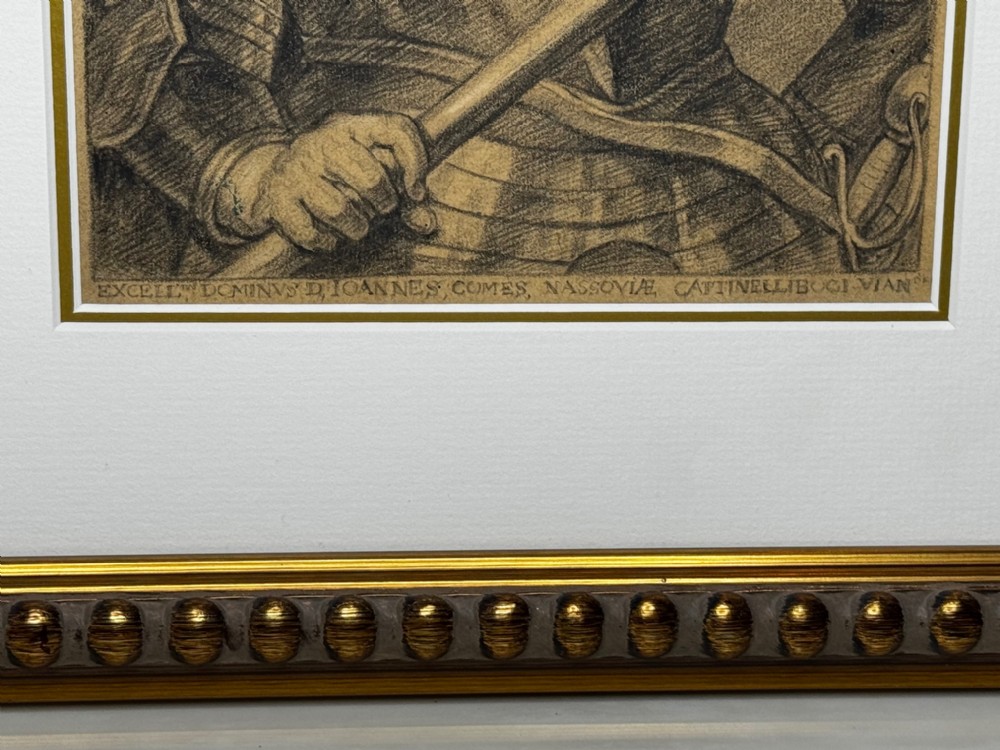
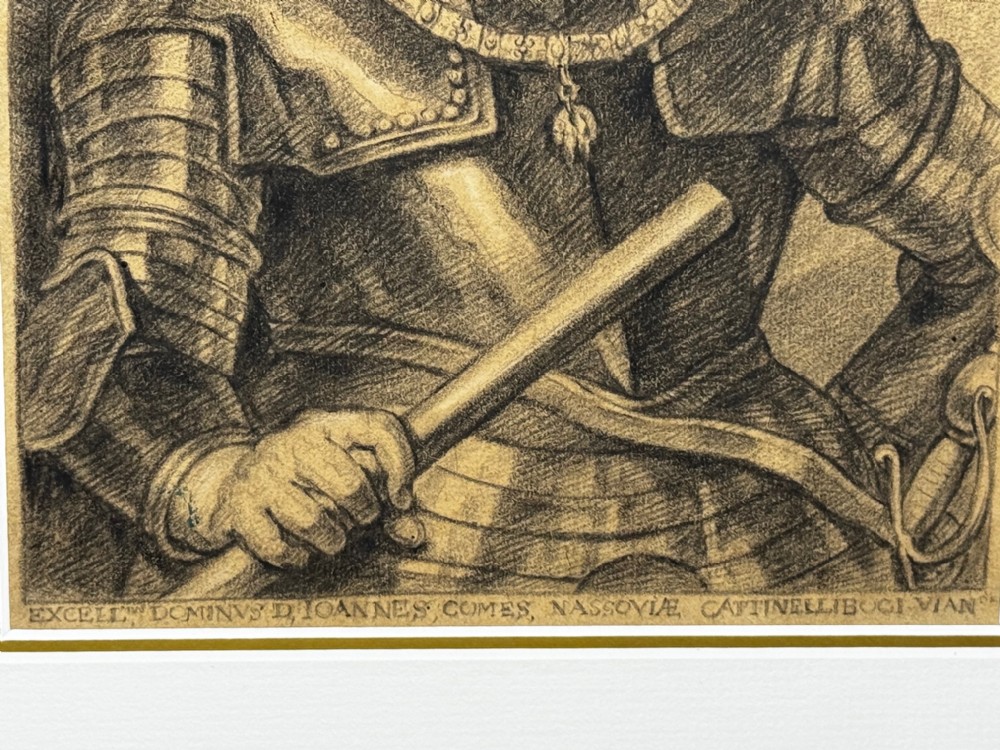
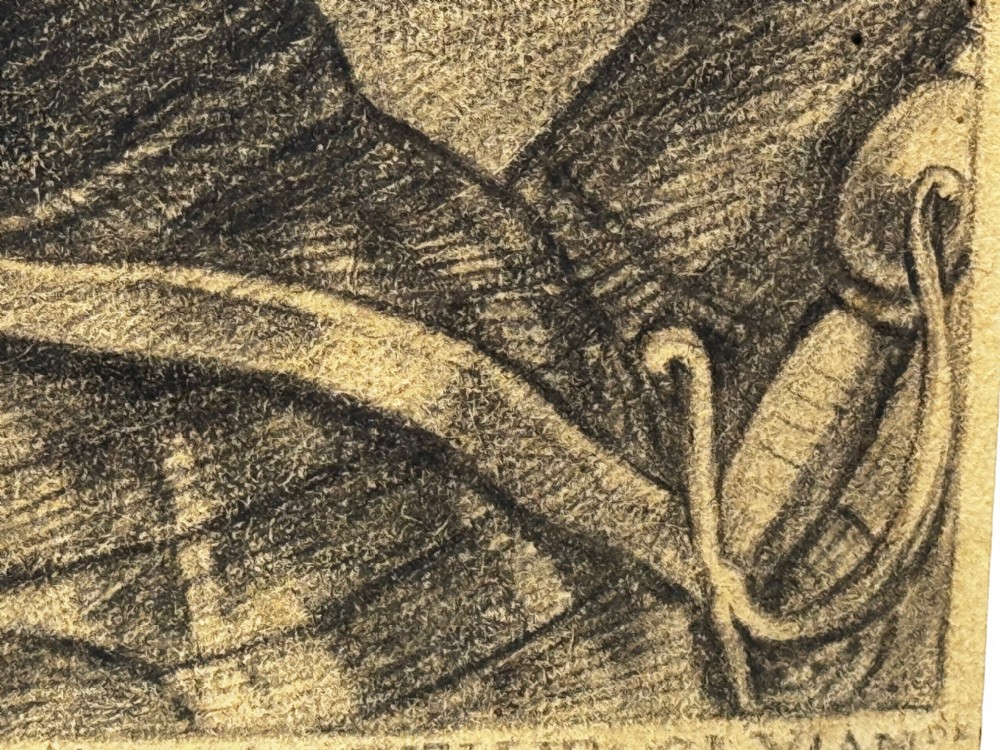
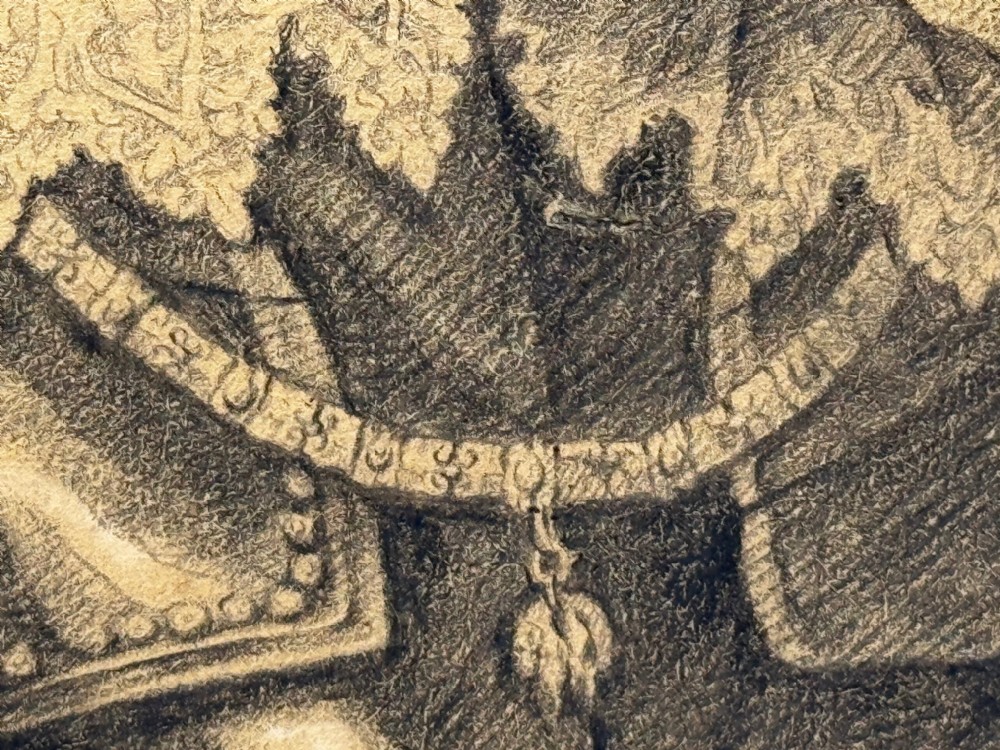
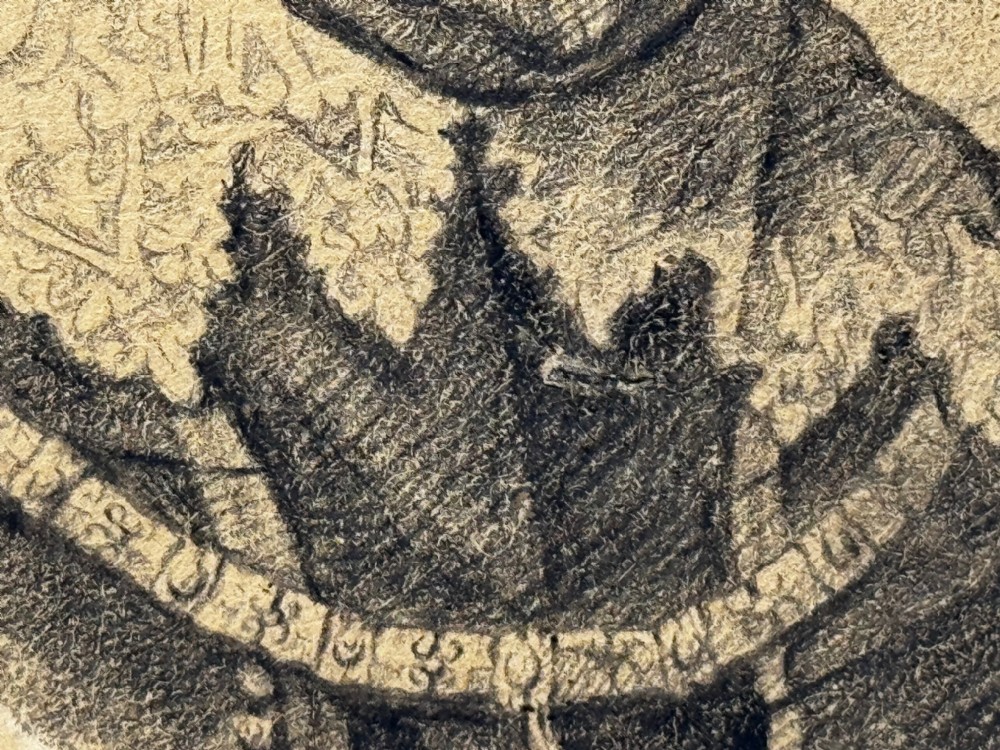
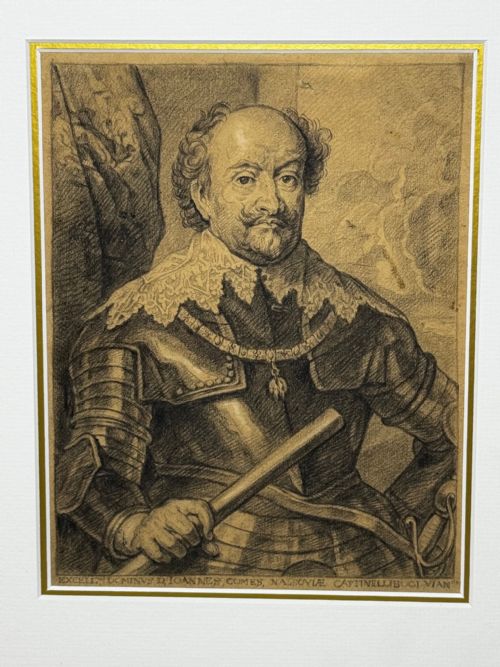
Latin inscription (lower margin, recto):
Excellentissimus Dominus Dominus Ioannes, Comes Nassoviae, Dominus Cattenell et Beilstein.
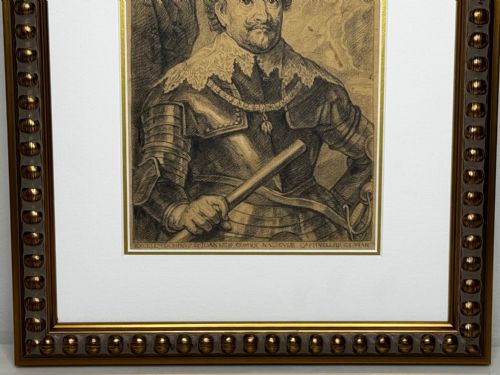
Translation: “The Most Excellent Lord, Sir John, Count of Nassau, Lord of Cattenell and Beilstein.”
A prestige caption characteristic of 17th-century engraved portrait series, asserting rank, lineage, and legitimacy.
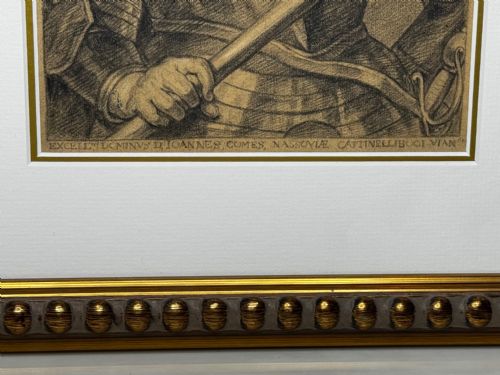
Composition & Technique
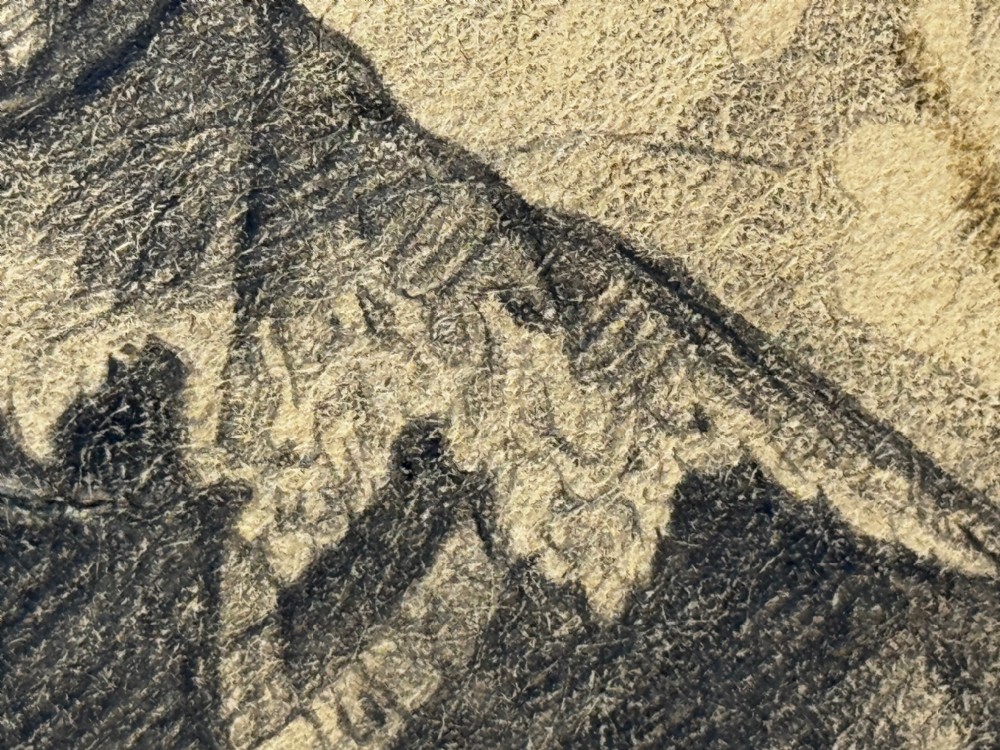
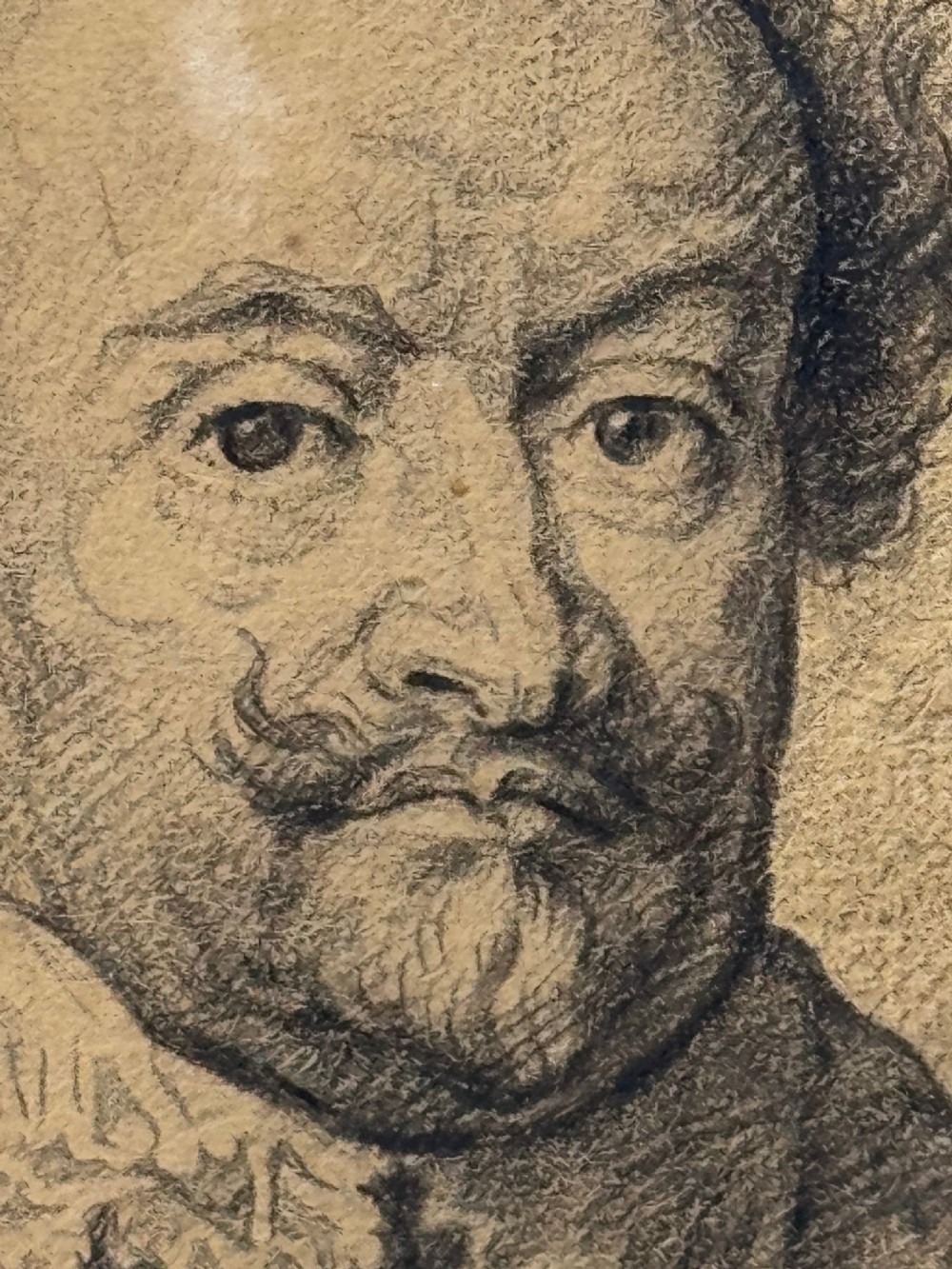
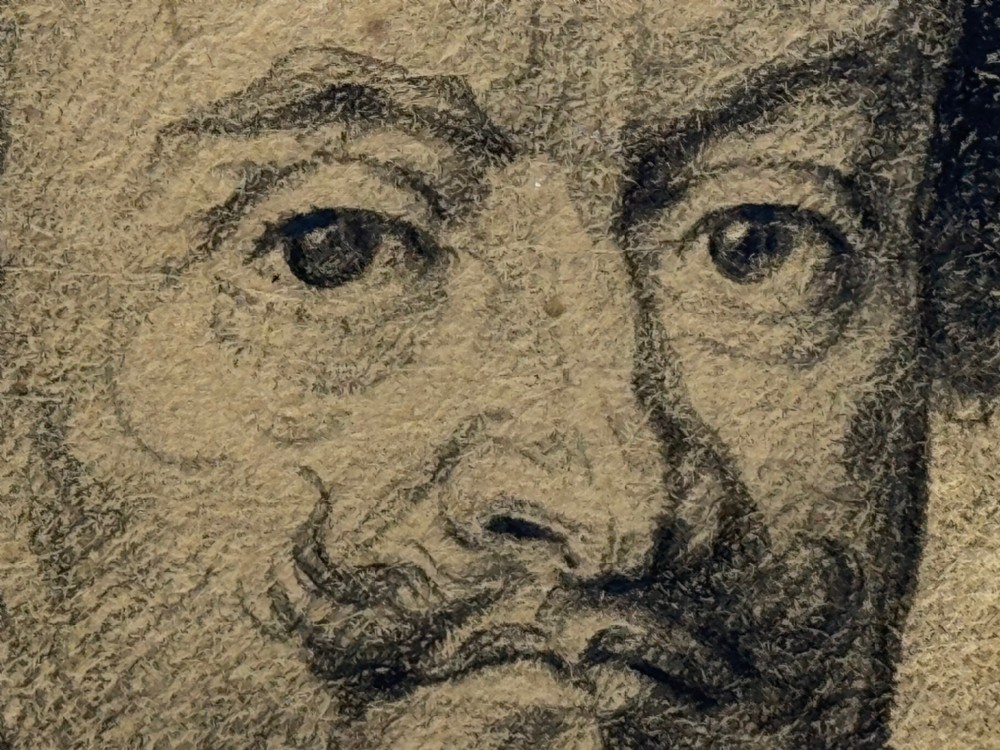
A connoisseur’s drawing: restrained, authoritative, and rewarding close viewing.
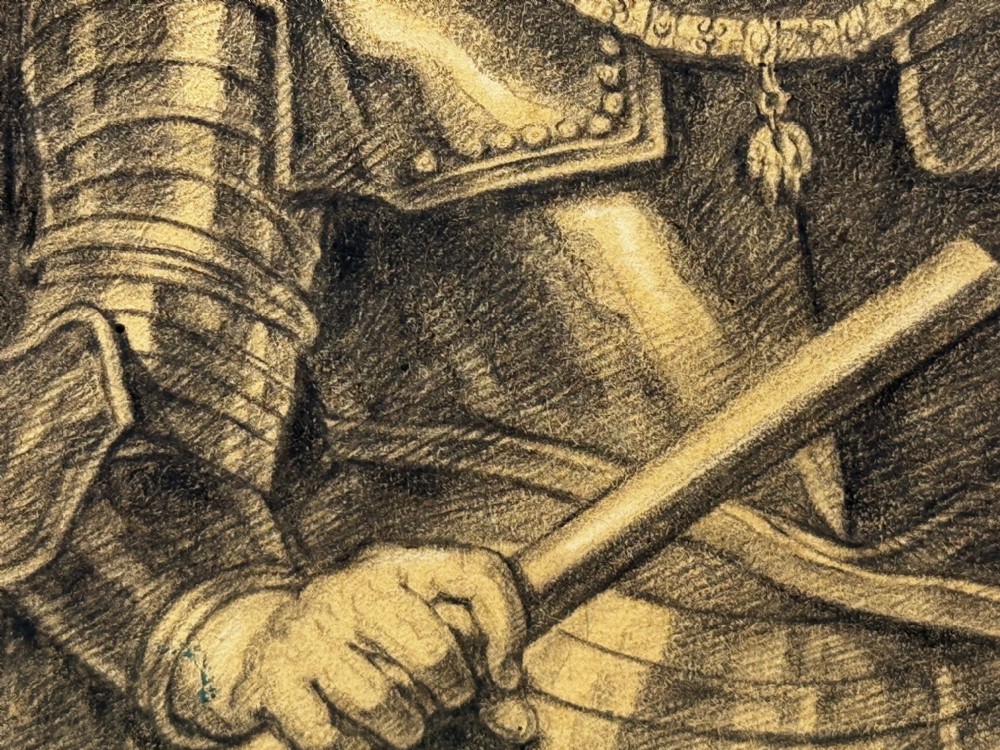
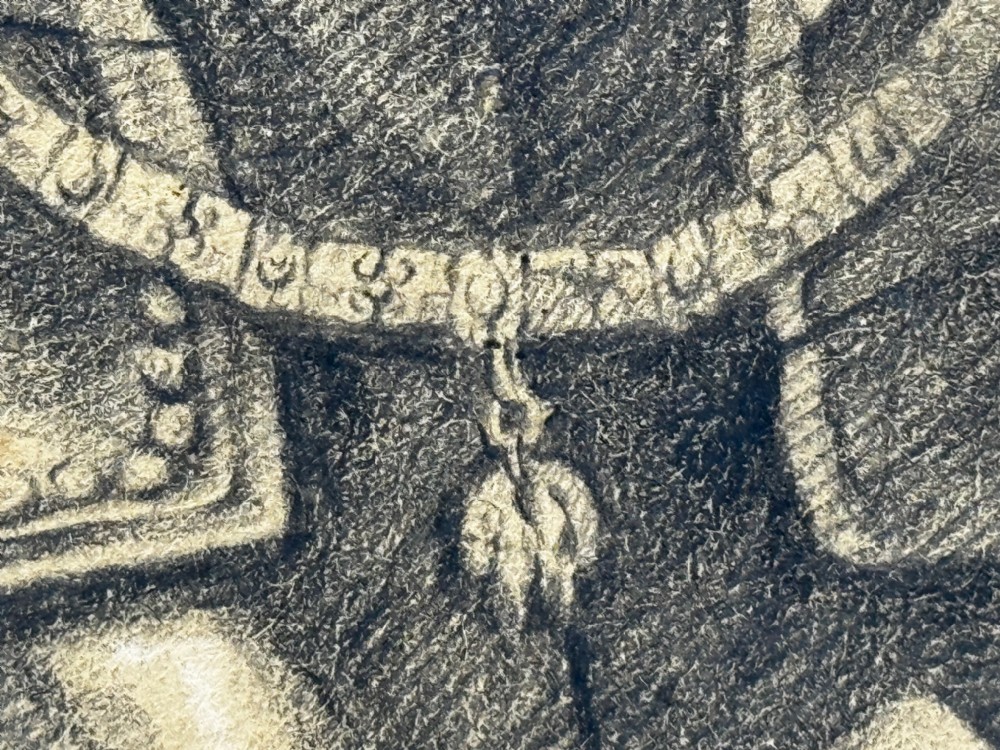
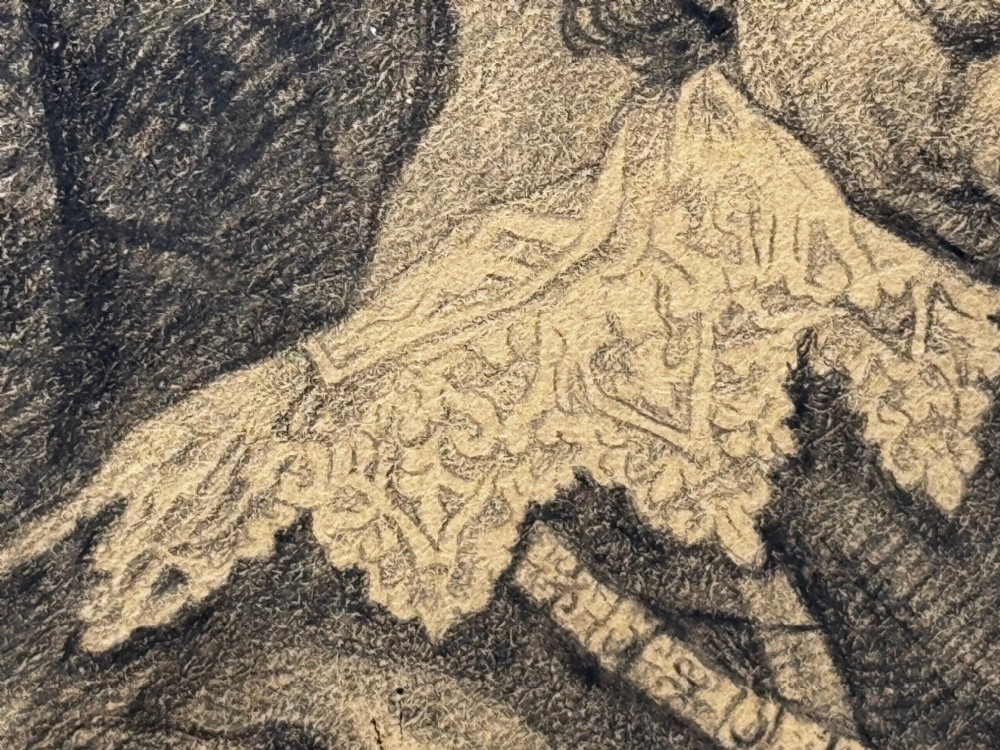
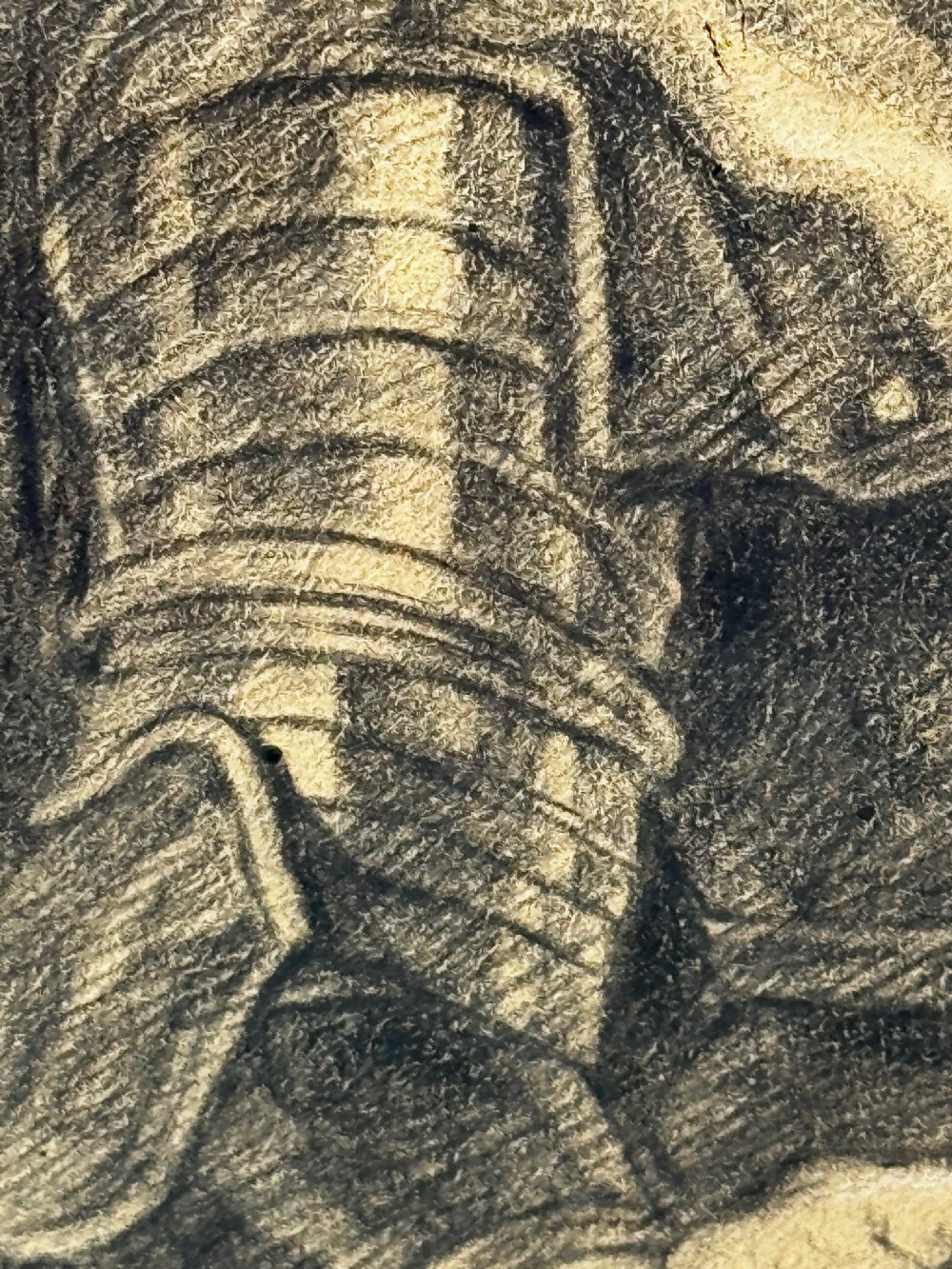
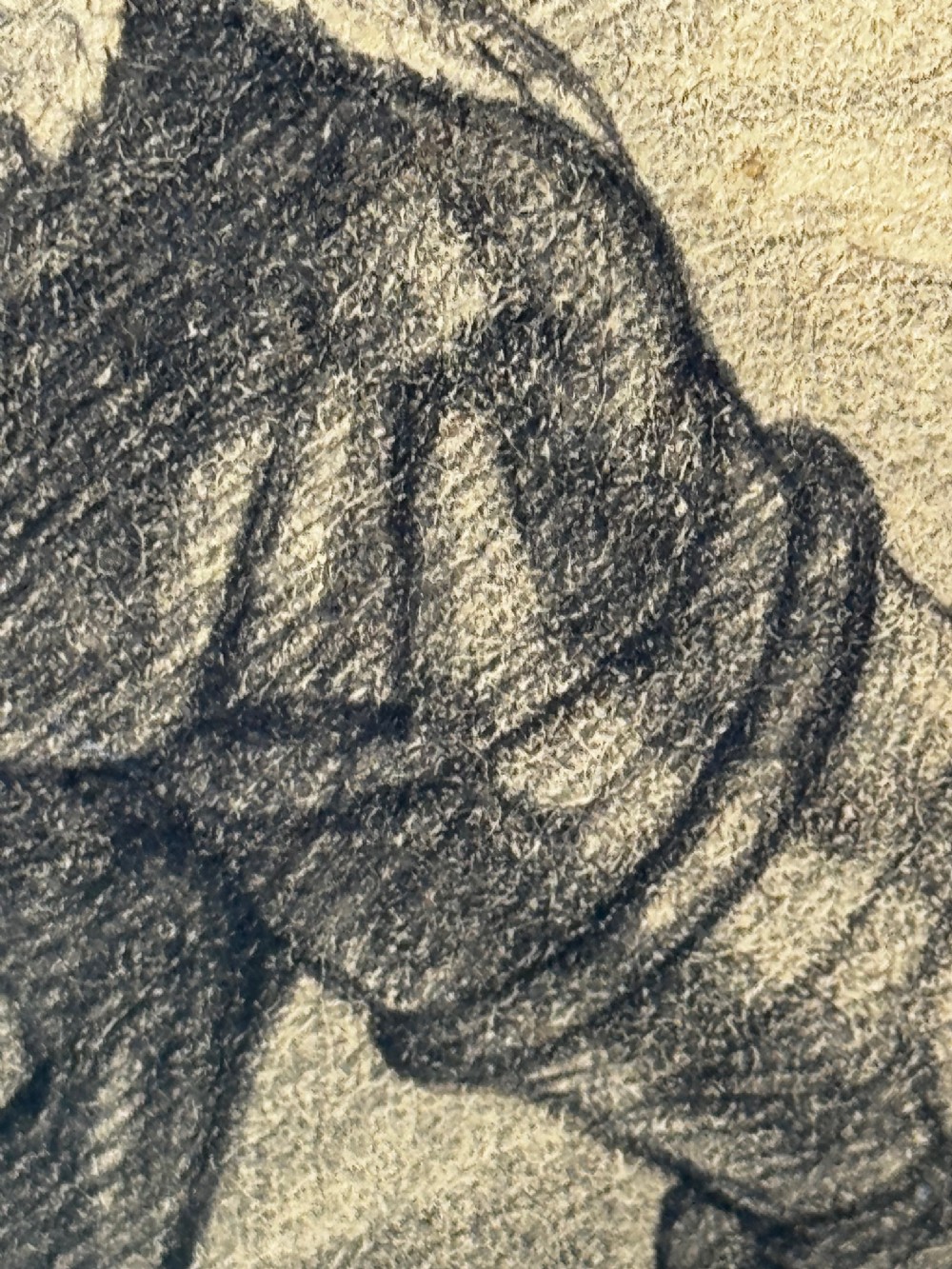
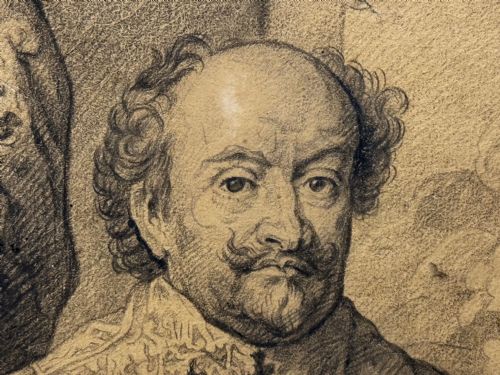
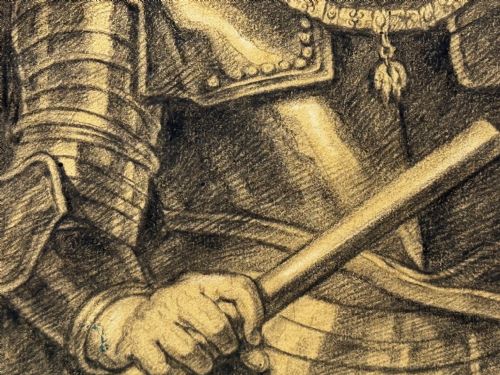
Aristocratic authority conveyed through polished armor, lace collar, and baton of command
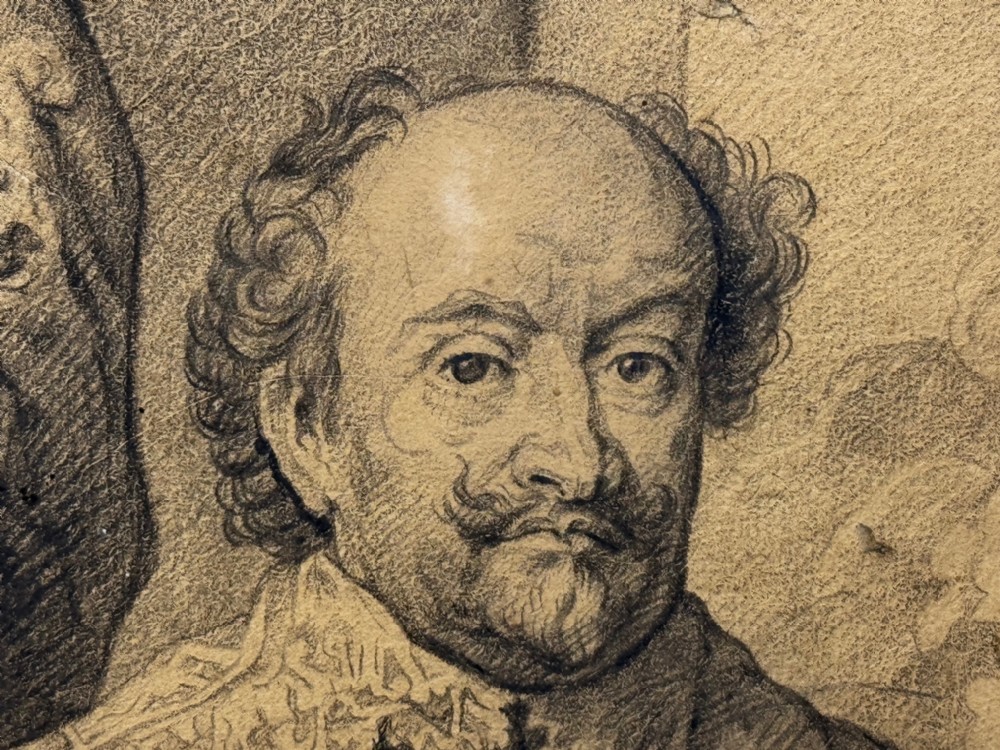
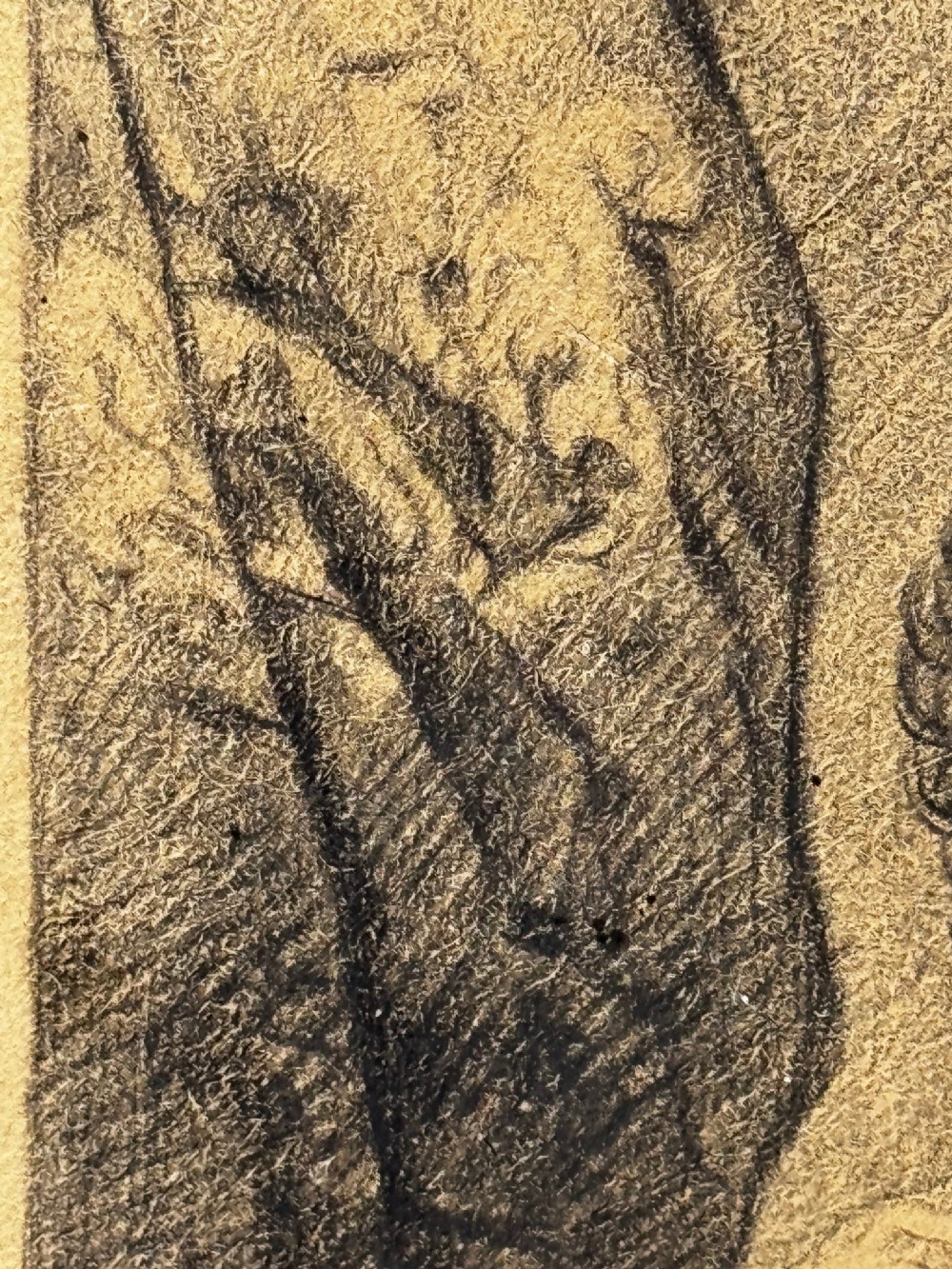
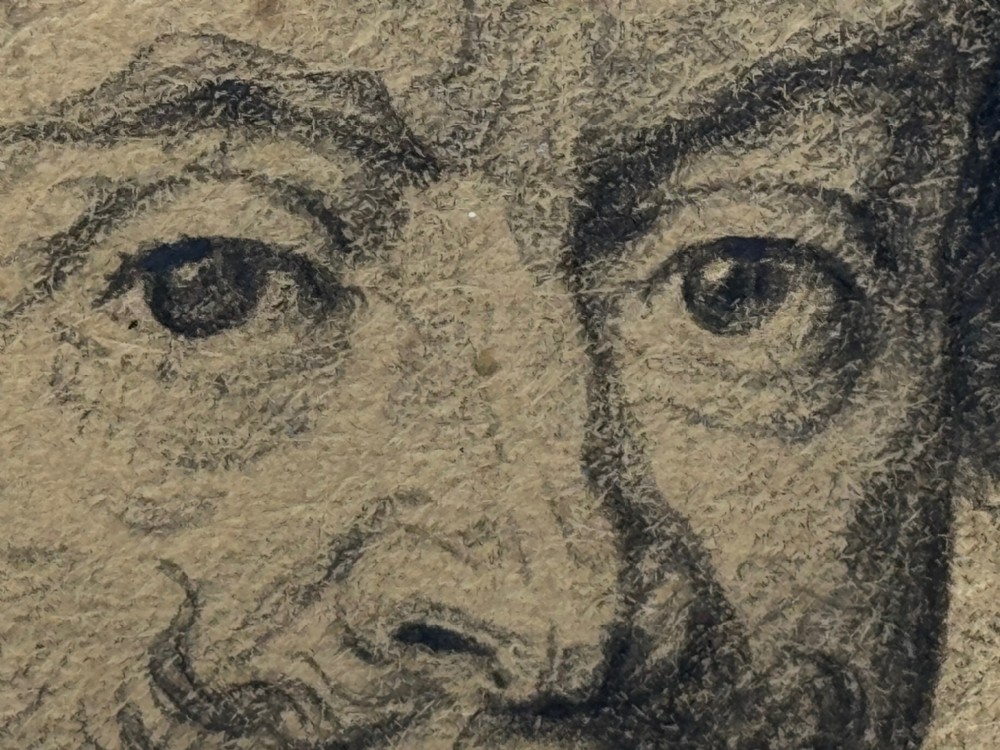
Psychological presence achieved by nuanced graphite modeling in the eyes and mouth
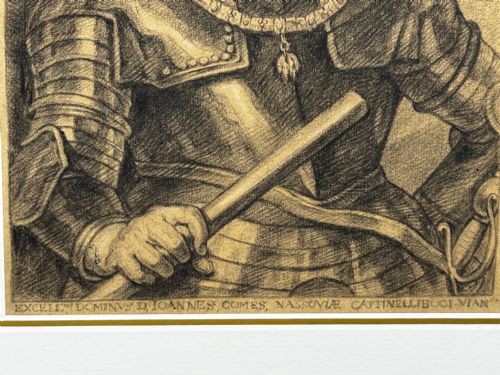
Controlled tonality suggesting metallic sheen without excess
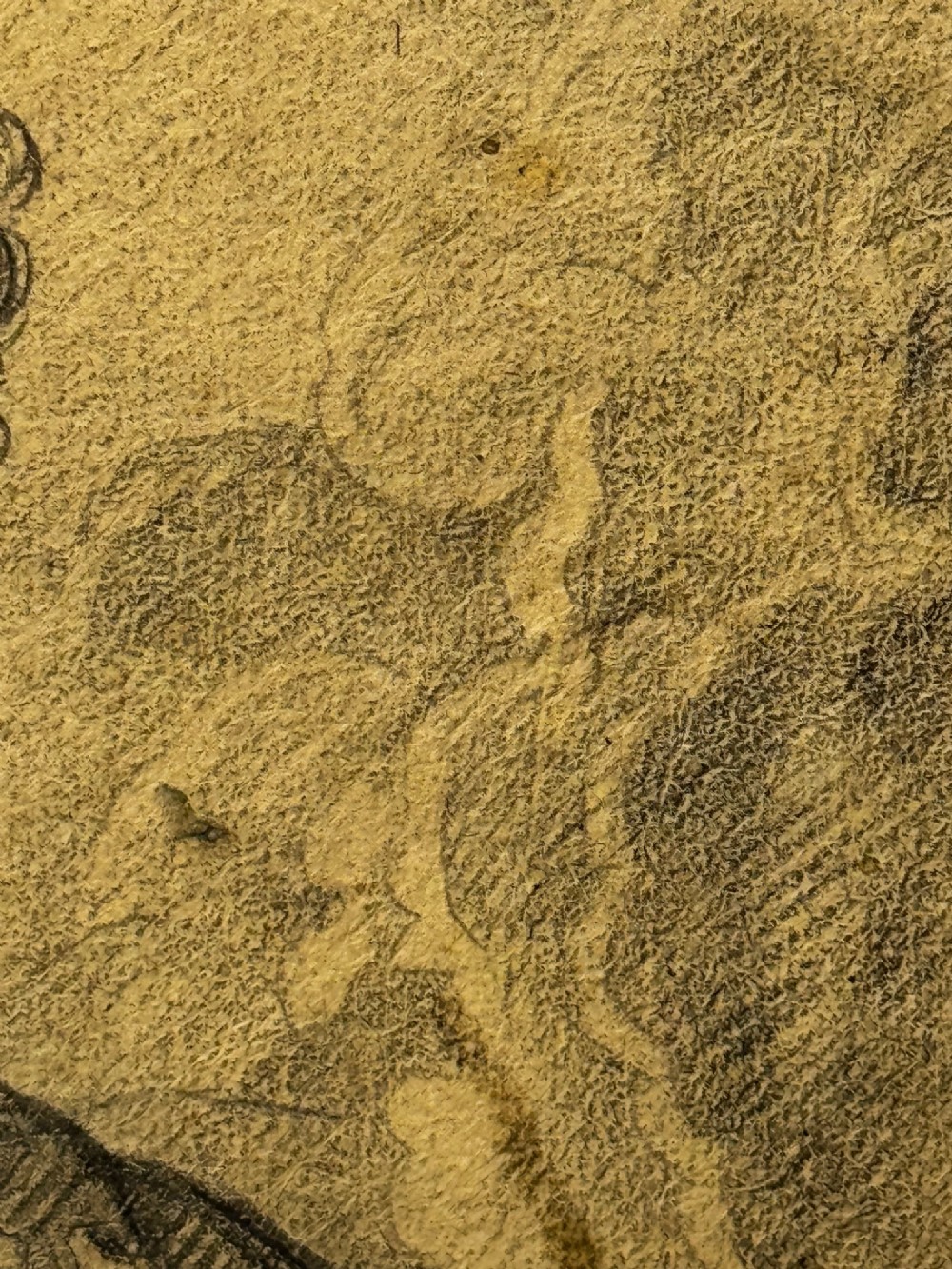
Crisp textural contrast between armor and softened background
Cabinet scale intended for private collecting and intimate contemplation
About the Sitter
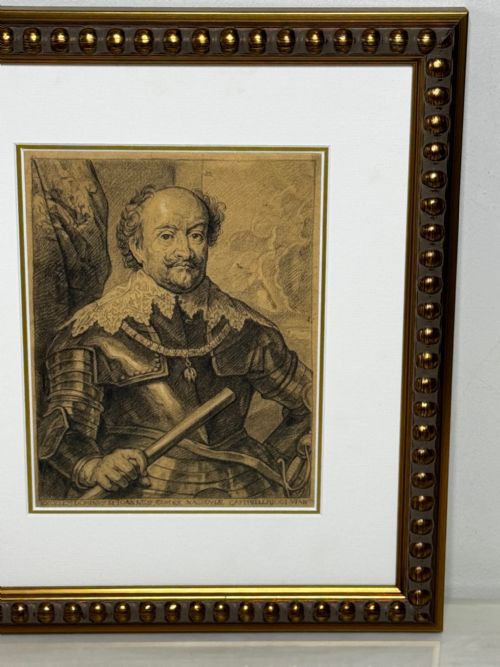
John VIII (1583–1638) was a member of the powerful House of Nassau, a dynasty central to early modern European politics and warfare. Portraiture of this type functioned as a declaration of legitimacy, using codified symbols: armor for inherited martial duty, baton for authority, and lace for courtly refinement. First conceived by Van Dyck and widely disseminated through engraving, this image type balances power with psychological presence—composed, assured, and enduring.
Historical Significance
This drawing occupies a highly collectible position within European portrait culture:
Van Dyck’s aristocratic ideal that defined noble representation across Europe
Print dissemination via Paulus Pontius, spreading canonical images among elite collections
Late 18th–19th century connoisseurship preserving Old Master models for study and collecting
The work forms a tangible link between Baroque invention, engraved circulation, and later scholarly translation into graphite.
About the Artist
By an unknown Old European Master active in the late 18th to early 19th century. Academically trained, with confident contour, controlled tonal range, and a sensitive translation of the Van Dyck/Pontius model. Such works were valued for lineage, finish, and intelligible iconography rather than individual authorship.
Signature & Inscriptions
Unsigned, consistent with academically trained after Van Dyck cabinet drawings of this period.
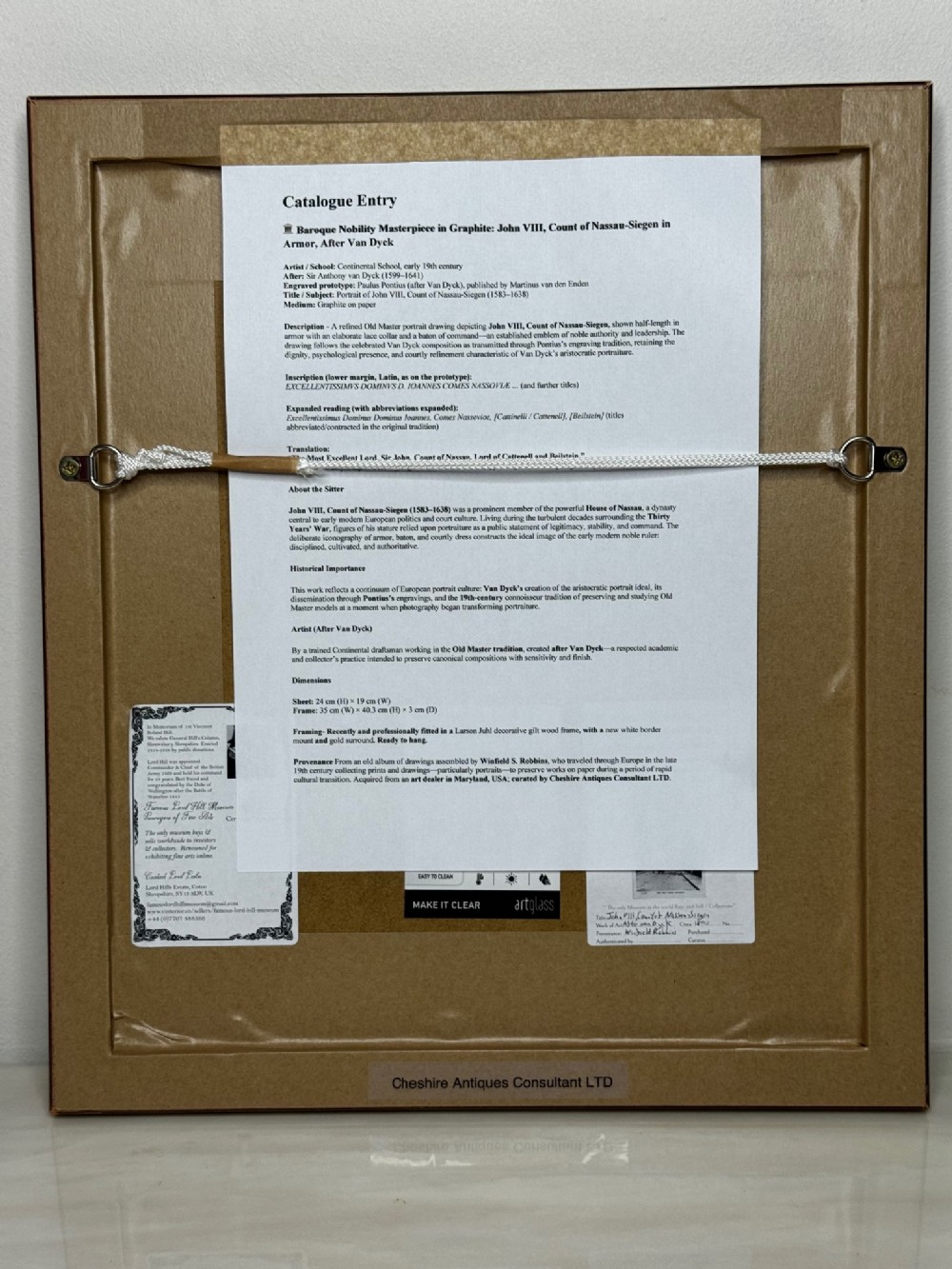
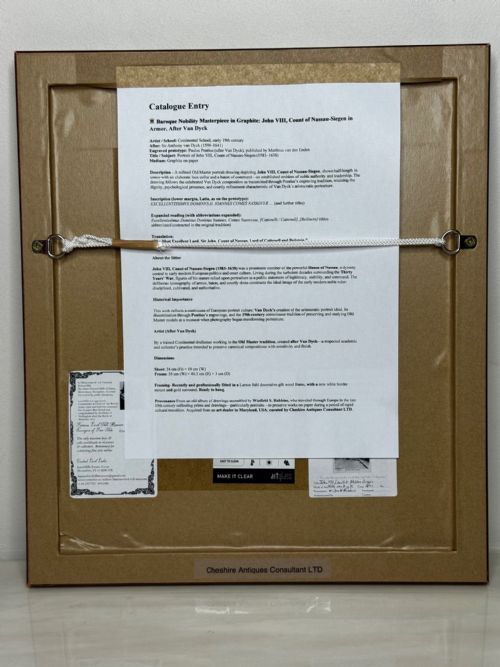
Verso inscribed in period pencil identifying the sitter, dates (1583–1638), and attribution after Van Dyck.
Measurements
Sheet: 24.13 cm (H) × 19.05 cm (W)
Frame: 35 cm (W) × 40.3 cm (H) × 3 cm (D)
Framed
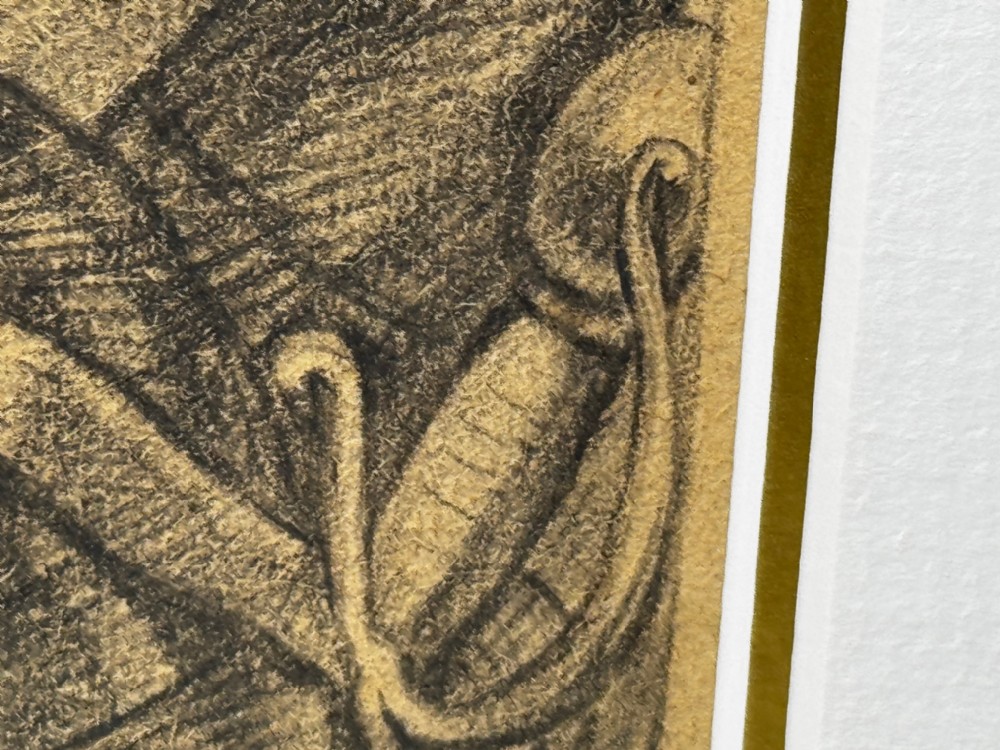
Professionally presented in a Larson Juhl decorative gilt wood frame with a crisp white mount and refined gold inner surround. Ready to hang.
Provenance
From an album assembled by Winfield S. Robbins during late 19th-century travels in Europe. Acquired from a Maryland art dealer; curated by Cheshire Antiques Consultant LTD and exhibited at the Famous Lord Hill Museum.
C
Cheshire Antiques Consultant Ltd has dated this Old Master Portrait Drawing to the 19th Century.
Source the historic in 17th, 18th, 19th & 20th century fine arts, painting, sculptures & collectibles
You can view the stock and full dealer information on the Cheshire Antiques Consultant Ltd Profile Page
Antique Old Master Drawing John Viii, Count of Nassau After Van Dyck