
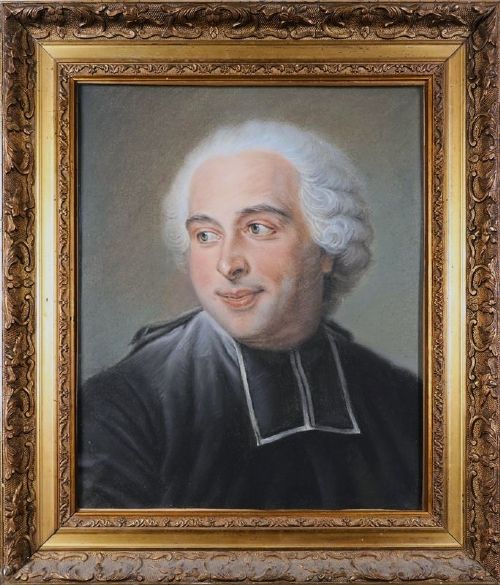
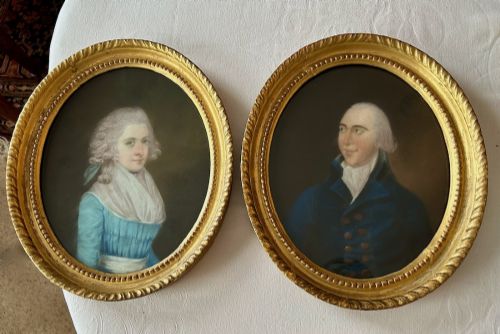

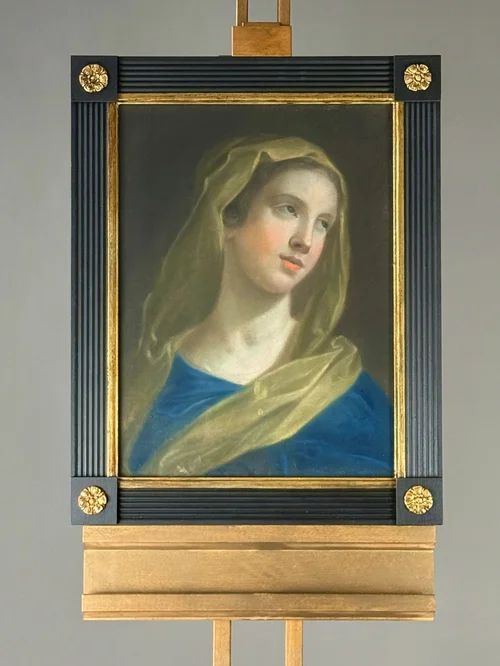
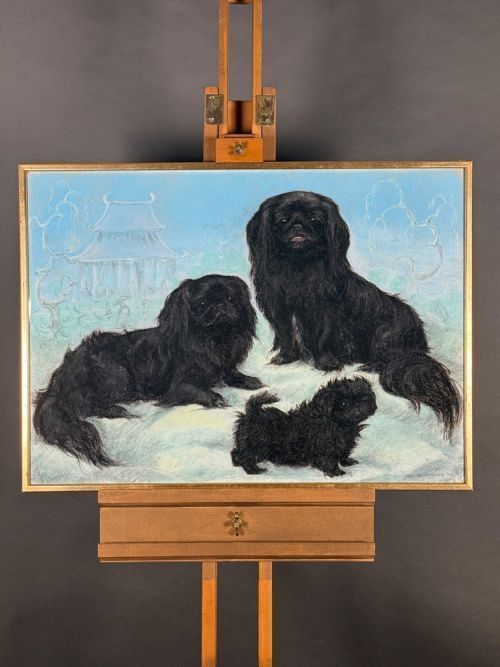
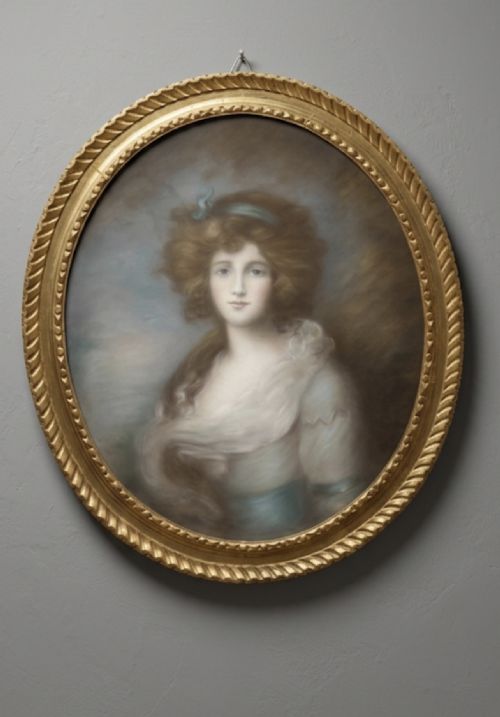
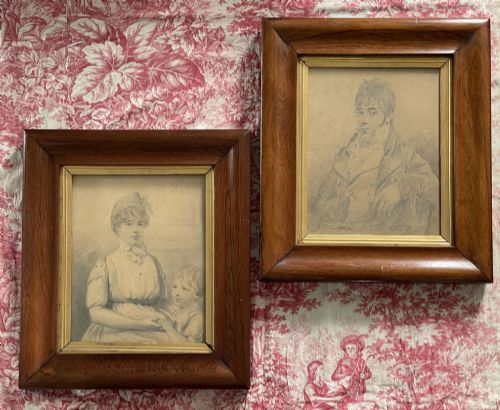
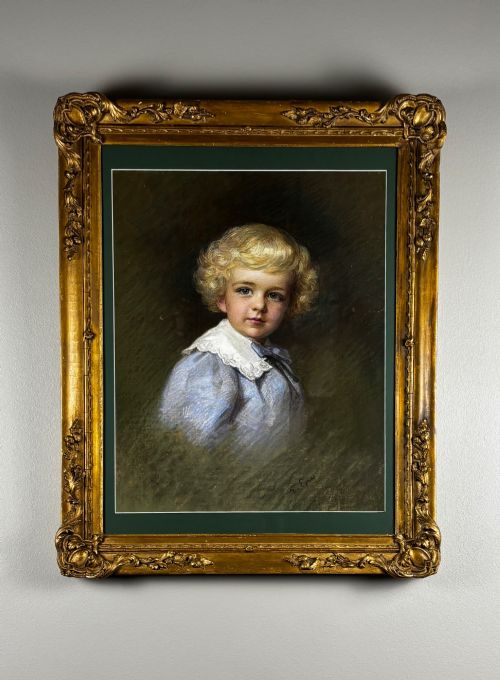
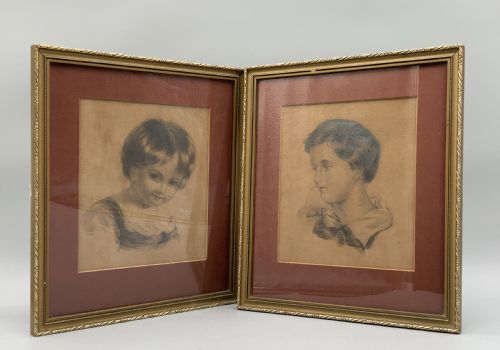


Gilt Framed Portrait Drawing
When you select a gilt framed portrait drawing, you acquire a paper work of likeness housed in gold leaf.
Gilt Framed Portrait Drawing
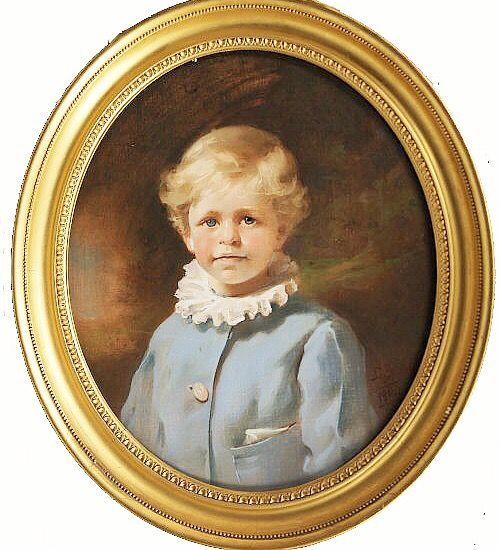
A gilt framed portrait drawing captures an individual likeness on paper or canvas, presented within a gilded wooden border. These works span from the eighteenth century through the twentieth century, encompassing periods such as the Georgian, Regency, and Victorian eras alongside mid-century examples.
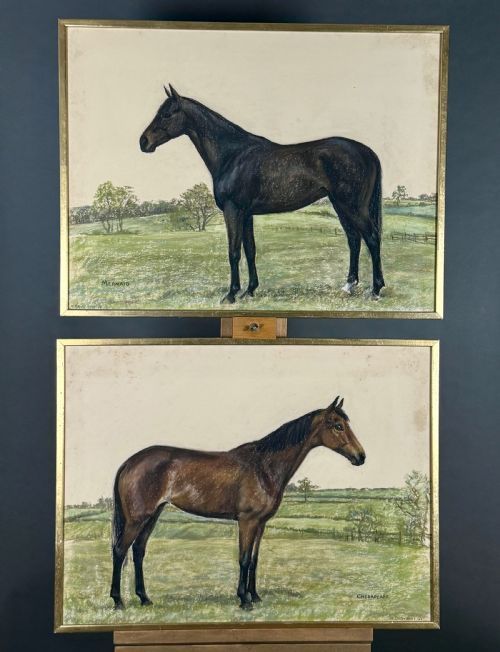
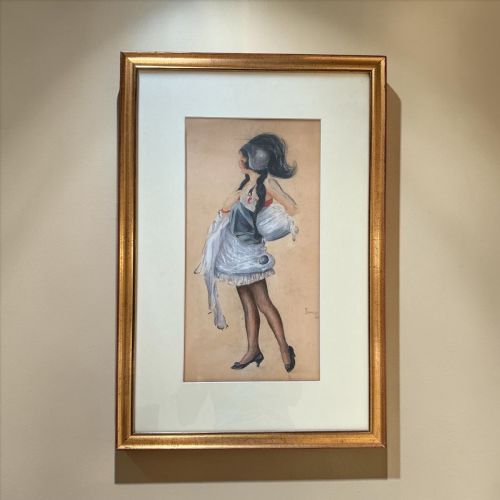
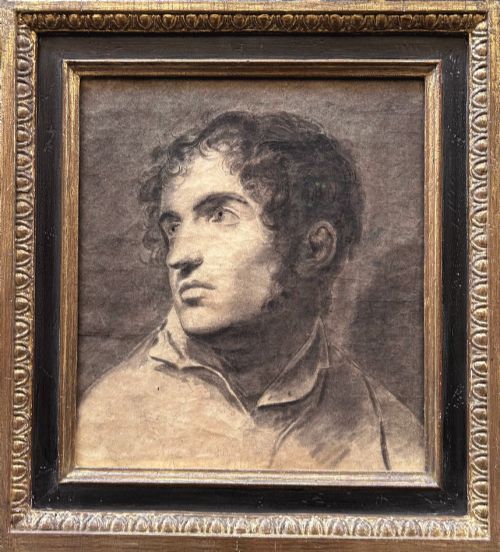
The subjects range from formally posed sitters and children to animals and literary figures, recorded by named artists and anonymous hands alike. Buyers encounter single sheets and pairs executed in various drawing mediums.
French School pieces and British works dominate the selection, often reflecting historical portrait traditions. Every piece combines a graphic likeness with the distinct character of its period frame.
How They Were Made
Artists utilised pastel, charcoal, graphite, and watercolour on paper or canvas supports to construct these portraits. Pastel pigment allowed for rich colour blending, while pencil and ink provided precise linear detail.
Frames were constructed from wood and finished with gold leaf or giltwood, sometimes carved in Florentine styles. Glass was fitted over the paper to protect the delicate media from atmospheric damage.
Gilt Framed Portrait Drawing Retail Price Guide 2026
Typical asking prices for gilt framed portrait drawing among the pieces listed under this phrase on Sellingantiques today, from the lower quarter to the upper quarter. They describe what is for sale here now, not the wider market.
Portraits on this page include depictions of military officers, children, dogs, and cats.
What Varies in Quality
The strength of the draftsmanship dictates the standard of the piece, separating rapid sketches from highly finished psychological studies. The subtlety of facial expression and the confidence of the line reveal the hand of a skilled practitioner.
The preservation of the paper and the original integrity of the gilt frame determine overall success. Clean sheets with minimal foxing and frames retaining their original gilding represent the higher tier of survival.
Emily Eyres·Benedetto Luti·Leon Sprinck·Thomas Gainsborough·Augustus John·J Bizo·J D Fergusson·Raoul Millais·Ozias Humphry·Nathaniel Bermingham·Charles Prosper Sainton·Reginald G. Eves
The Gilt Framed Portrait Drawing Glossary
- Pastel
- A dry drawing medium composed of powdered pigment and a binder, frequently utilised for portraits due to its soft colour graduation. It requires glass protection to prevent smudging.
- Giltwood
- Wood that has been coated with thin sheets of gold leaf or gold paint, commonly utilised for decorative frames during the eighteenth and nineteenth centuries.
- Graphite
- A form of carbon used in pencils to create monochrome drawings ranging from hard grey lines to deep black shading. It provides the foundation for many portrait studies.
- Charcoal
- A dry drawing material made from burnt organic matter, producing dark, expressive marks. It suits rapid portrait sketches and preparatory studies.
- Foxing
- Brown spots or discoloration that develop on old paper due to chemical reactions over time. It appears frequently in works from the eighteenth and nineteenth centuries.
Gilt Framed Portrait Drawing: Frequently Asked Questions
How should I hang a gilt framed portrait drawing?
Keep these works away from direct sunlight to prevent the pastel or watercolour pigments from fading over time. Stable indoor humidity protects both the paper support and the wooden frame.
Position the drawing at eye level on a wall where fluctuations in temperature remain minimal. Secure the piece using appropriate wall fixings suited to the weight of the gilt frame.
Can I remove the glass to clean the drawing?
Leave the original glass and framing intact because removing them can expose fragile pastel or charcoal surfaces to irreversible damage. Many older works retain historic backing papers that contribute to their provenance.
Consult a professional paper conservator if dust or debris accumulates behind the glass. Disturbing the seals often diminishes the historical integrity of the piece.
How do I identify the period of the frame?
Examine the construction methods visible on the reverse of the wood, noting corner joints and tooling marks. Eighteenth and nineteenth-century frames often utilise hand-carved ornamentation and genuine gold leaf application.
Compare the style of the moulding against known historical periods such as Regency or Victorian designs. Alterations or later replacements of the frame occur frequently in older artworks.
What is the difference between pastel and watercolour portraits?
Pastel consists of bound pigment applied dry to paper, producing a velvety texture without liquid binders. Watercolour uses water-soluble pigments brushed onto the surface in transparent washes.
Pastel works remain extremely sensitive to touch and vibration, requiring a secure glass barrier. Watercolour surfaces are more stable once dry but equally susceptible to light damage.