
Antique Pencil Sketch
These intimate works on paper capture immediate artistic intent, offering collectors a direct window into historical draftsmanship.
Antique Pencil Sketch
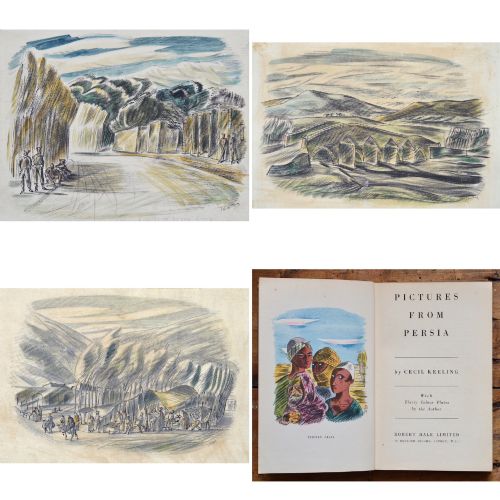
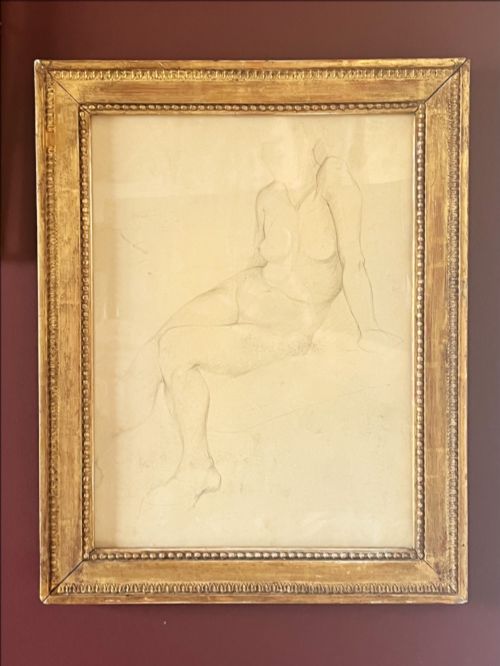
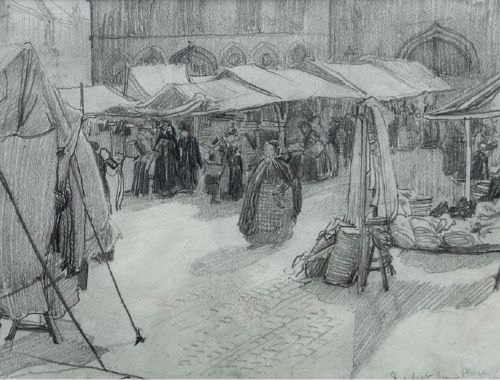
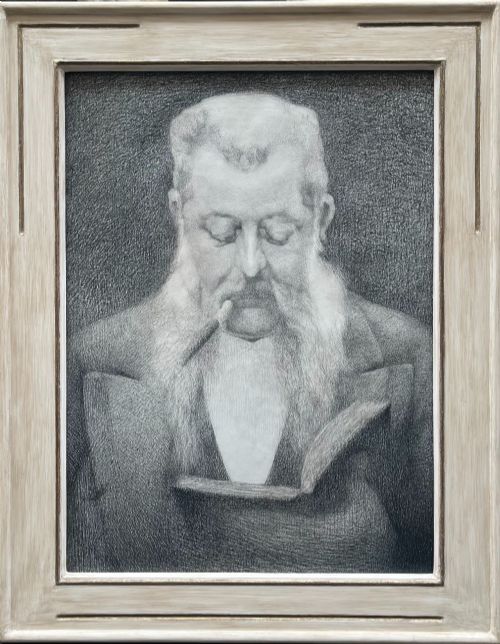
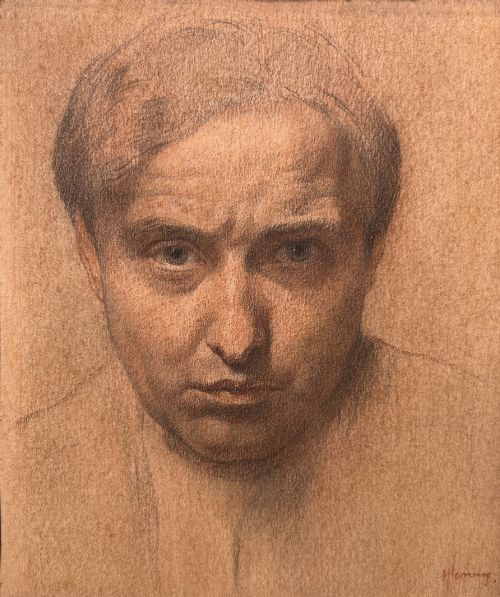
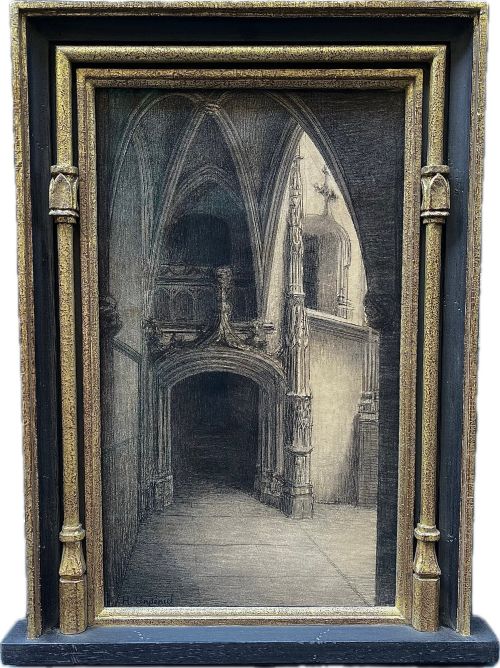
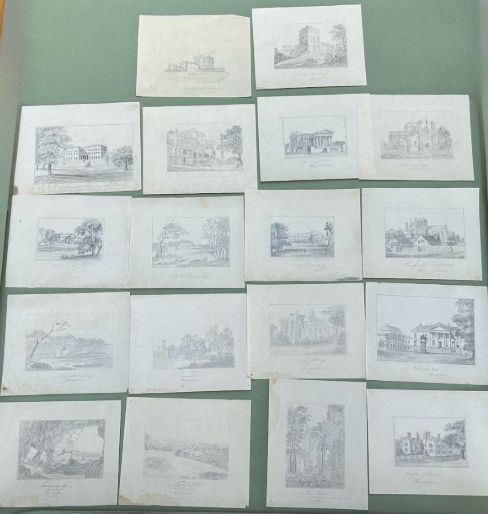
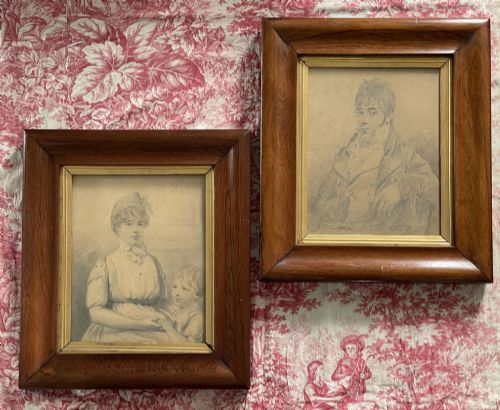
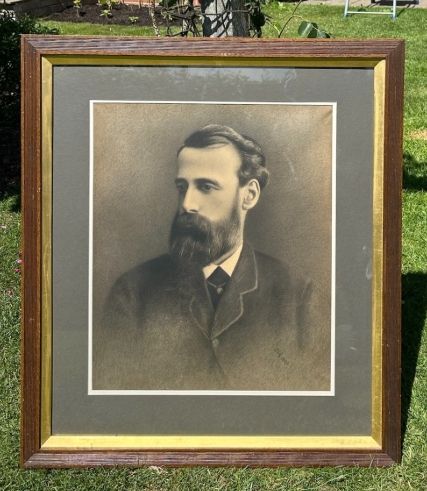
When you search for an antique pencil sketch, you encounter original graphic works spanning the eighteenth century through to the early twentieth century. The selection ranges from rapid studio studies and architectural recordings to finished figurative portraits and landscape views.
Most examples you meet on this page originate from the nineteenth century, reflecting the Victorian and Regency periods when drawing formed an essential part of polite education and artistic training. These pieces frequently appear mounted and framed, retaining their original paper supports.
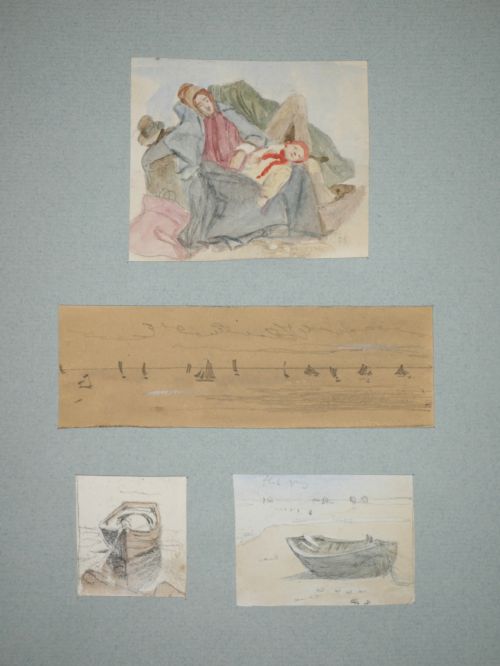
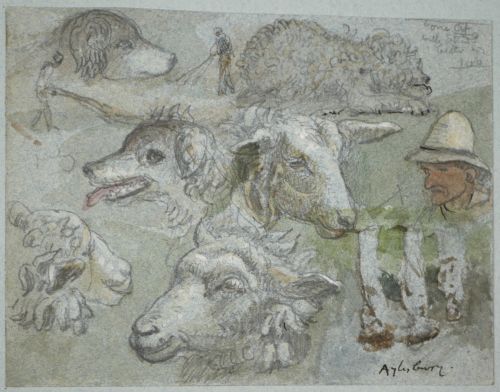
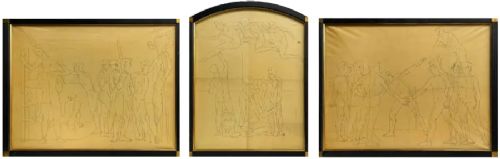
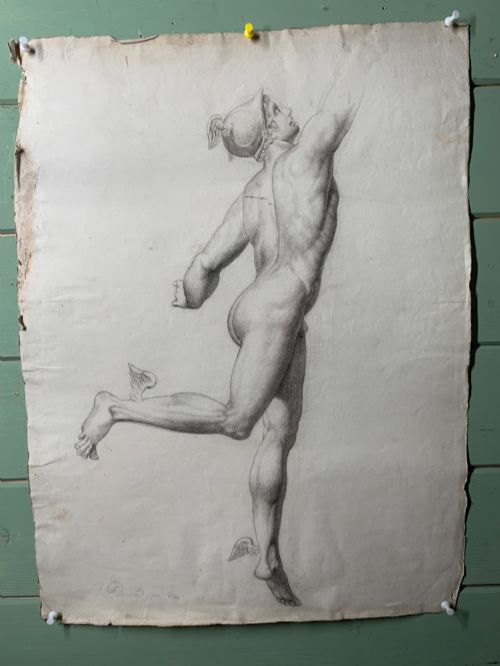
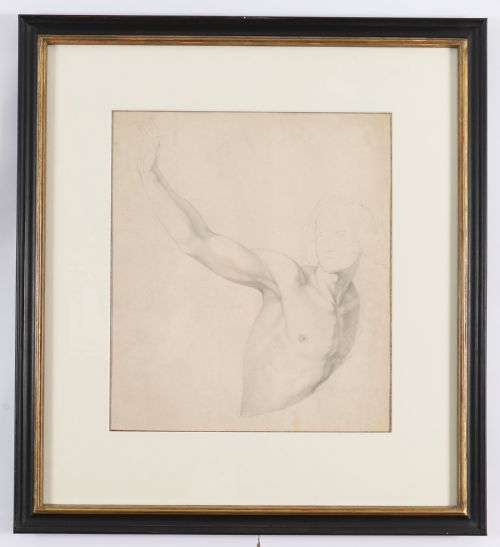
Subjects vary widely from domestic animals and botanical studies to grand neoclassical figures and topographical scenes across Britain and Europe. You also find informal life drawings and preparatory sketches left untouched in artists' portfolios for generations.
Materials and technique
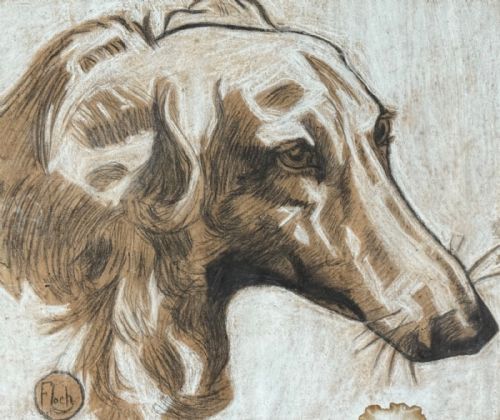
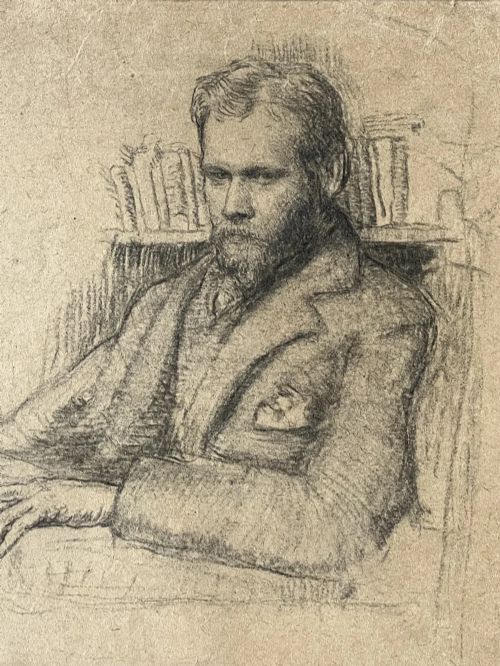
Artists relied primarily on graphite and lead pencils applied to various paper stocks, occasionally combining charcoal, chalk, or sepia wash to build depth and contrast. Many sheets utilise buff or tinted paper, allowing the creator to introduce white heightening for dramatic highlights.
Support papers often exhibit watermarks, chain lines, or embossed edges characteristic of early handmade manufacturing techniques. Some works incorporate touches of watercolour or gouache, bridging the boundary between pure linear drawing and painted miniature studies.
Antique Pencil Sketch Retail Price Guide 2026
Typical asking prices for pencil sketch among the pieces listed under this phrase on Sellingantiques today, from the lower quarter to the upper quarter. They describe what is for sale here now, not the wider market.
Several Victorian sketches preserve the wandering footsteps of artists who clearly sat too close to grazing sheep and damp church walls.
Evaluating draughtsmanship and condition
Quality rests entirely on the confidence of the hand and the economy of line, separating hurried amateur exercises from the fluent output of trained professionals. Superior sheets display a sure command of anatomy, perspective, and tonal gradation without relying on heavy corrections.
The integrity of the paper surface and the stability of the medium also dictate value, with crisp lines and minimal foxing representing the best-preserved examples. Studio notes, artist stamps, and fully documented provenance further elevate pieces above anonymous sketchbook fragments.
James Smetham·Augustus John·Sir Francis Leggatt Chantrey·Ozias Humphry·George Charles Haite·Thomas Sidney Cooper
The Antique Pencil Sketch Glossary
- Graphite
- A form of crystalline carbon used as a drawing medium in pencils. It replaced lead metal pointers and produces tones ranging from silvery grey to deep black.
- Plumbago
- An early term for graphite, frequently used to describe highly finished miniature graphite portraits popular during the eighteenth century.
- Foxing
- Brown spots or patches on old paper caused by chemical reactions in the pulp or mould exposure over centuries. It appears commonly on nineteenth-century sheets.
- Wash
- A diluted layer of watercolour, ink, or bistre applied with a brush to provide background tone or shadow behind pencil linework.
- Provenance
- The documented history of ownership of an artwork, establishing its authenticity and tracing its passage through previous collections.
Antique Pencil Sketch: Frequently Asked Questions
How do I date an antique sketch?
Dating relies on examining the paper watermark, the style of clothing or architecture depicted, and any inscriptions left by the artist on the reverse.
Framing materials and historical labels also offer vital clues to determine whether a sheet belongs to the Georgian, Regency, or Victorian era.
Were these sketches meant to be finished artworks?
Many surviving pieces began as private exploratory exercises, preparatory studies for larger paintings, or pages torn from travel sketchbooks.
Artists kept these drawings in personal portfolios, and only later collectors had them framed for display on walls.
How should I frame and display works on paper?
Pencil drawings require careful conservation framing using acid-free mount boards to prevent the paper from yellowing or degrading over time.
You must hang them away from direct sunlight and high humidity, as ultraviolet rays cause graphite and tinted papers to fade permanently.
What is the difference between a sketch and a study?
A sketch is typically a quick, spontaneous record of a scene or idea captured rapidly from observation to secure the primary impression.
A study focuses more deliberately on understanding a specific detail, such as a hand, drapery, or tree structure, with greater technical precision.