
Vintage Portrait Sketch
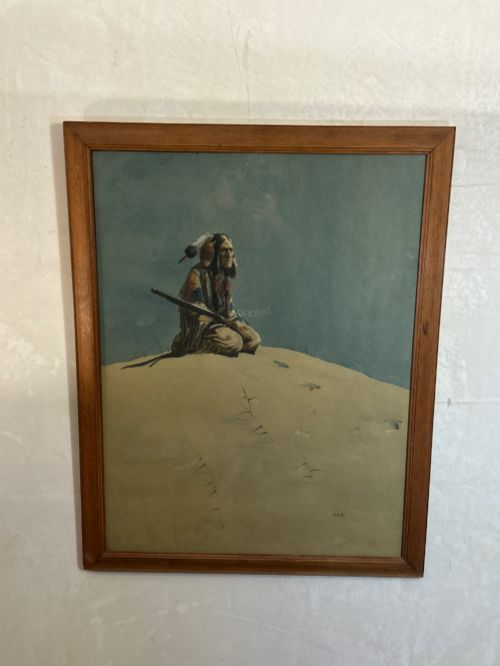
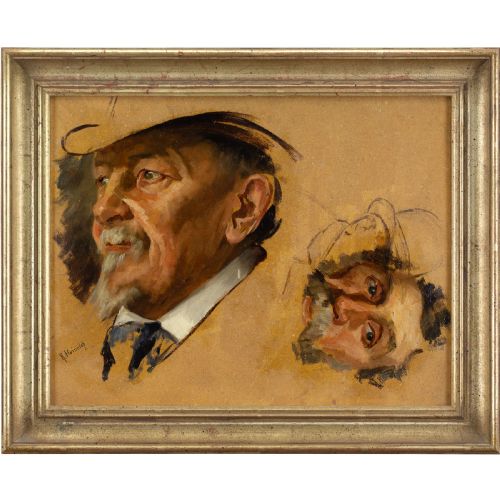
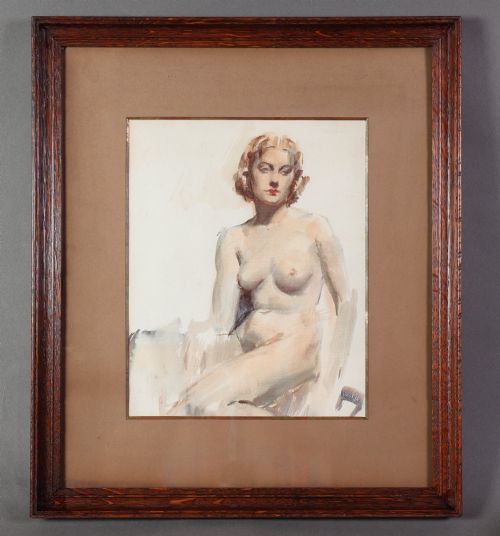
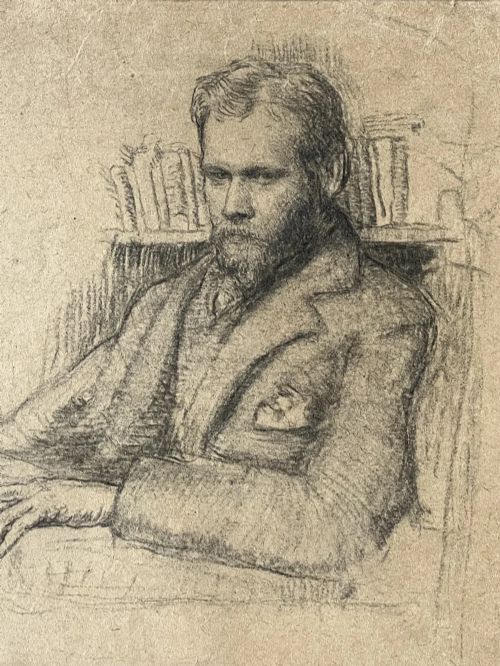
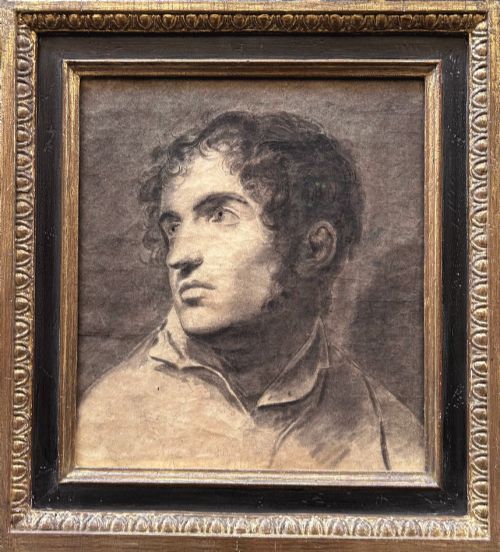
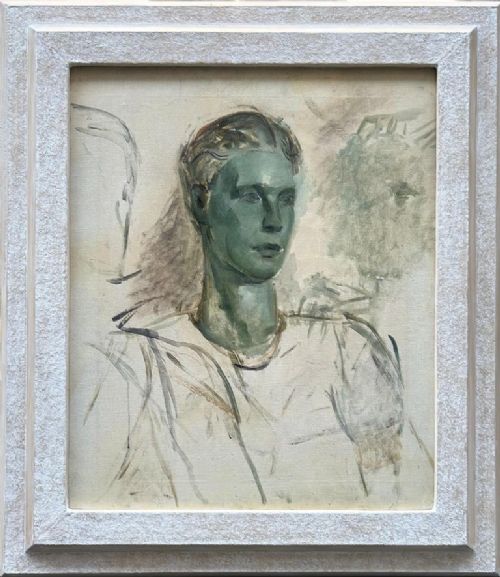
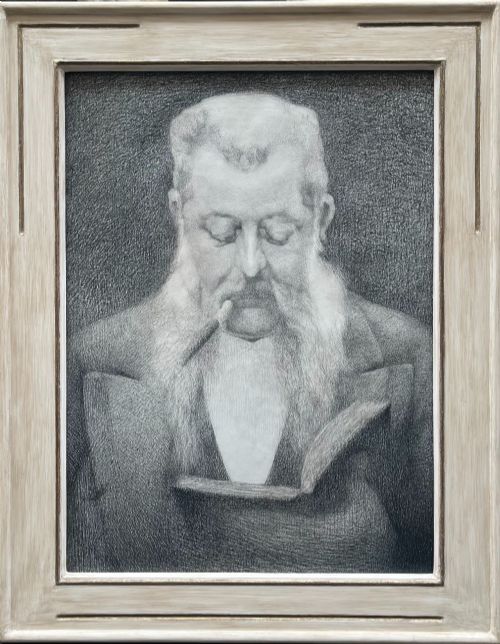
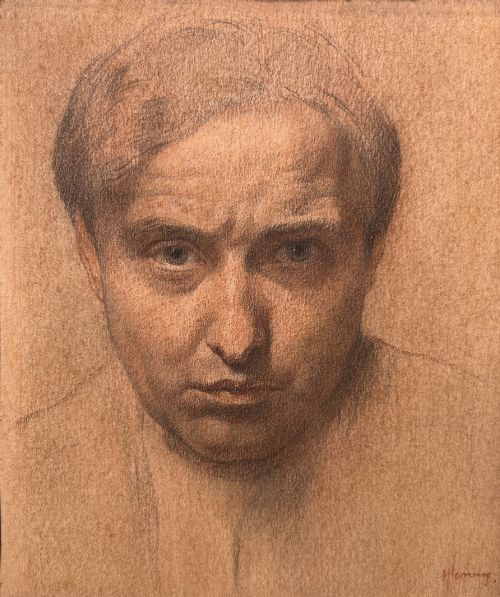
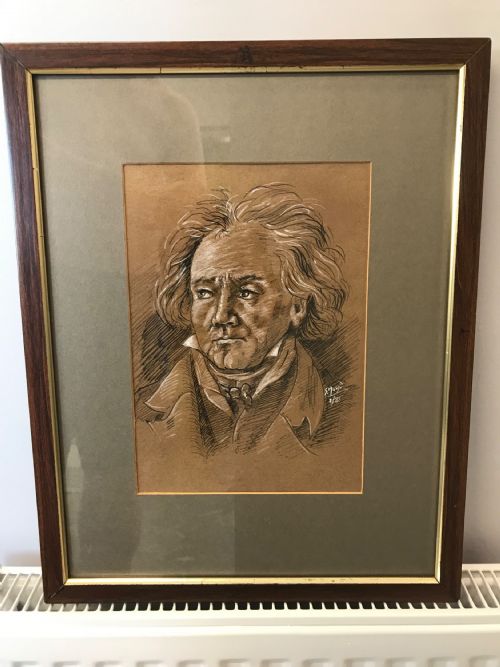
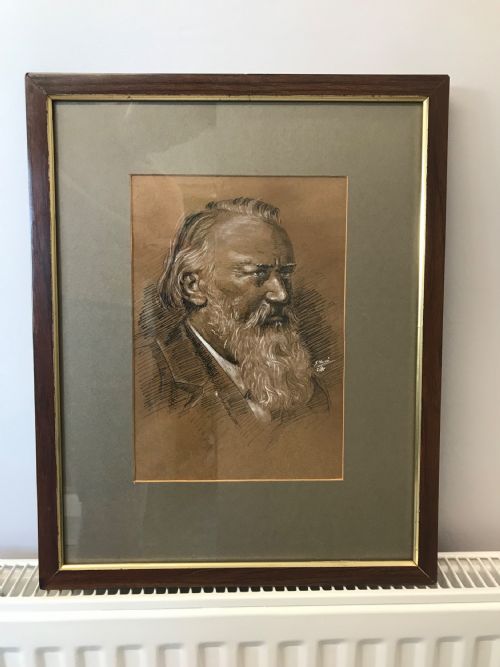
A vintage portrait sketch captures the direct likeness and fleeting expression of a sitter through the immediacy of hand-drawn lines on paper.
Vintage Portrait Sketch
A vintage portrait sketch represents a direct exploration of human character, captured through intimate works on paper rather than formal, highly polished canvas paintings. These drawings often reveal the immediate intent of the artist, preserving quick sittings, preparatory studies, or finished cabinet pieces in monochrome or muted tones.
The selections available span multiple decades, drawing on periods from the nineteenth century through the mid-century modern era. Buyers encounter works executed under academic realism, Victorian conventions, early twentieth-century movements, and mid-century aesthetics, each reflecting the prevailing artistic training of its time.
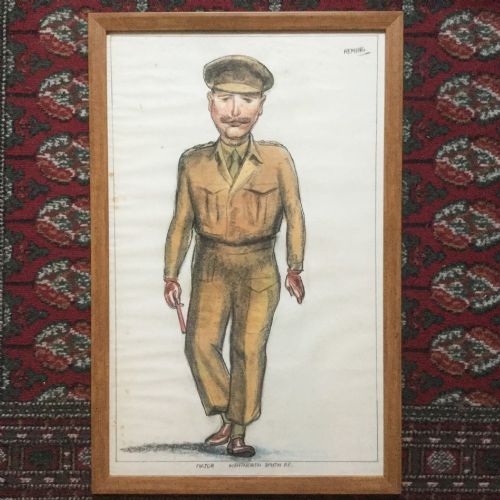
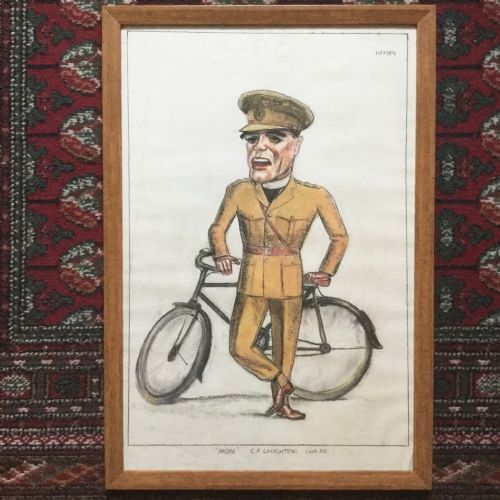
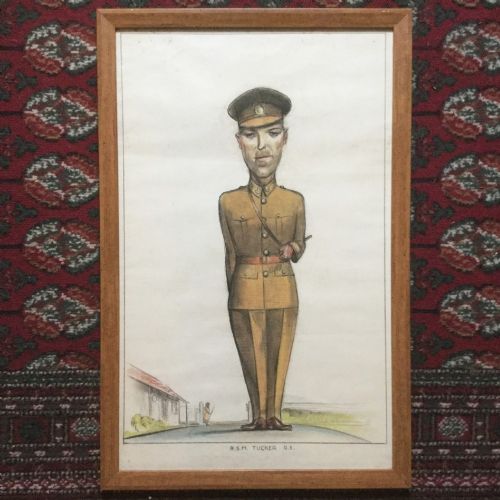
Common formats include framed artwork, wall art, and unframed drawings executed on various paper types, sometimes mounted behind glass within wooden frames. Subjects range from named sitters and military officers to anonymous models, children, and studio studies.
How they were made
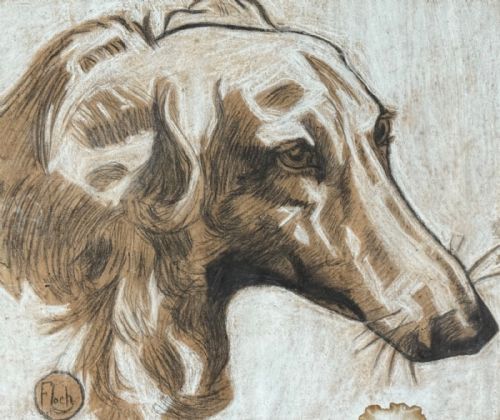
Artists relied primarily on dry media such as graphite, charcoal, sanguine, and pastel applied directly to paper, buff sheets, or card. These materials allowed for rapid application of tone and line, capturing shadows and contours with speed and economy.
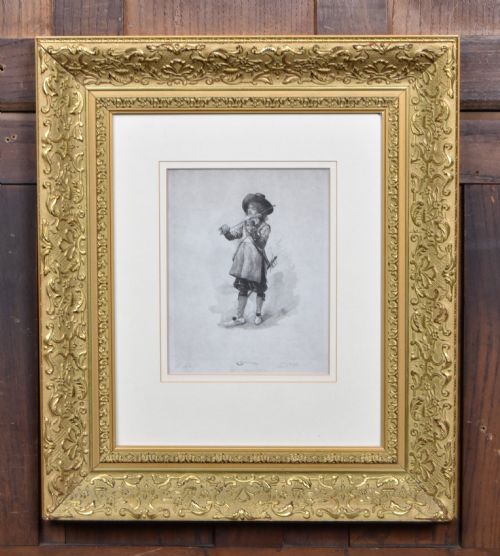
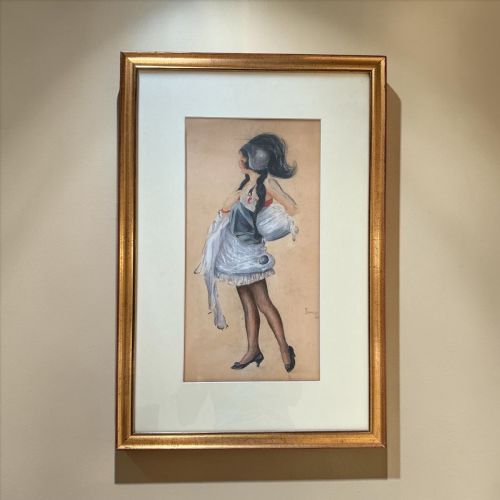
Many works combine media, layering pen and ink wash with gouache or introducing subtle touches of watercolour over an initial pencil drawing. This technique added depth and highlights to otherwise monochrome studies, creating a more finished appearance without losing the spontaneous feel of a sketch.
Listings span works dated from the eighteenth century through the nineteen-sixties, utilising graphite, charcoal, pastel, and gouache on paper.
What varies in quality
The strength of a vintage portrait sketch lies in the confidence of the draughtsmanship and the economy of line used to define facial structure and expression. Superior examples demonstrate a precise understanding of anatomy and light, where every stroke contributes to the psychological presence of the sitter.
Paper condition, stability of the medium, and the integrity of early framing also differentiate examples. Works preserved without excessive fading or foxing retain their original contrast and visual impact, reflecting how carefully they have been stored over the decades.
John Hassall·Robert Heinrich·Augustus John·Herbert Johnson Harvey·Ludwig van Beethoven·Johannes Brahms·Michael Healy·Sir Thomas Lawrence·Sir Edwin Landseer·Hans Holbein·Raoul Millais·Lucien Freud·Frank Moss Bennett·Arthur Todd·Harry Epworth Allen
The Vintage Portrait Sketch Glossary
- Graphite
- A form of crystalline carbon used in pencils to produce grey lines ranging from very hard and light to soft and dark. It became widely utilised for detailed preliminary drawings and finished portrait sketches.
- Sanguine
- A reddish-brown chalk or crayon made from haematite, popular for centuries in figure drawing and portraiture. Artists valued it for the warm, lifelike skin tones it produced on tinted paper.
- Gouache
- An opaque watercolour paint consisting of pigment, water, and a binding agent such as gum, often mixed with chalk. It provides solid, flat areas of colour and sharp highlights in mixed-media sketches.
- Foxing
- The appearance of brownish spots on old paper caused by chemical reactions in the pulp or mould exposure. Collectors encounter these age-related marks frequently in nineteenth-century and early twentieth-century works on paper.
- Wash
- A thin, transparent layer of diluted ink or watercolour applied with a brush to create tonal depth and shadow. It is frequently combined with pen or pencil outlines in traditional sketching.
Vintage Portrait Sketch: Frequently Asked Questions
How should I frame an unframed portrait sketch?
Select a frame that complements the period of the artwork while protecting the fragile paper surface from direct contact with glass. Using acid-free mounts and backing boards prevents discoloration and preserves the integrity of the drawing over time.
Keep the piece away from direct sunlight to avoid fading delicate pigments such as pastel, chalk, or watercolour washes. Professional conservation framing ensures the artwork remains stable and secure within its display environment.
What is the difference between a sketch and a painting?
A sketch prioritises speed, line work, and the exploratory process of capturing a likeness, often utilising dry media on paper. Paintings typically involve heavier build-up of pigment on canvas or panel with fully rendered backgrounds and blended colours.
Sketches offer a more intimate glimpse into the working method of an artist before a final composition is reached. They require different preservation considerations due to the vulnerable nature of paper supports compared to stretched canvas.
How do I care for works on paper at home?
Display portrait sketches in rooms with stable humidity and temperature levels to prevent warping, cockling, or expansion of the paper. Avoid hanging works in areas prone to dampness or fluctuating sunlight to protect the fragile media from degrading.
Inspect the framing periodically to ensure dust seals remain intact and insects cannot reach the organic materials inside. Gentle handling during rotation or re-hanging protects the surface from accidental smudging.