
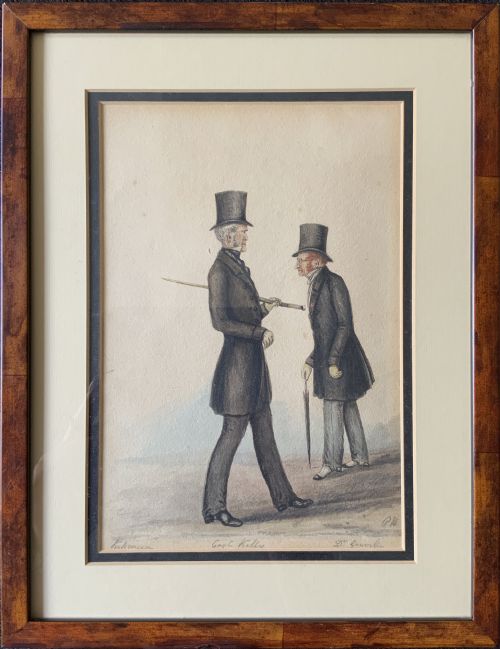
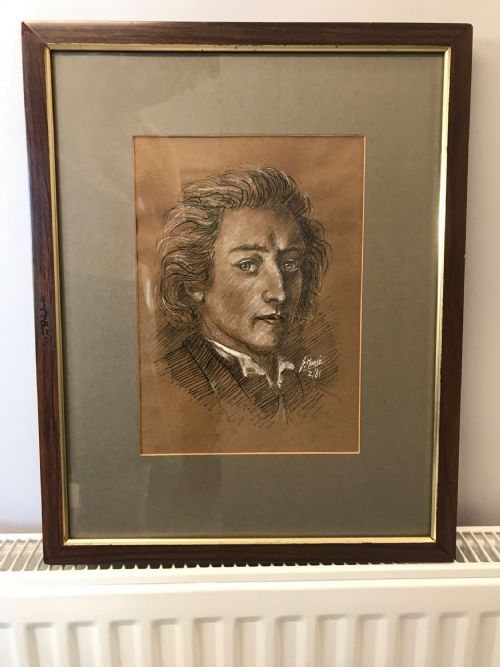
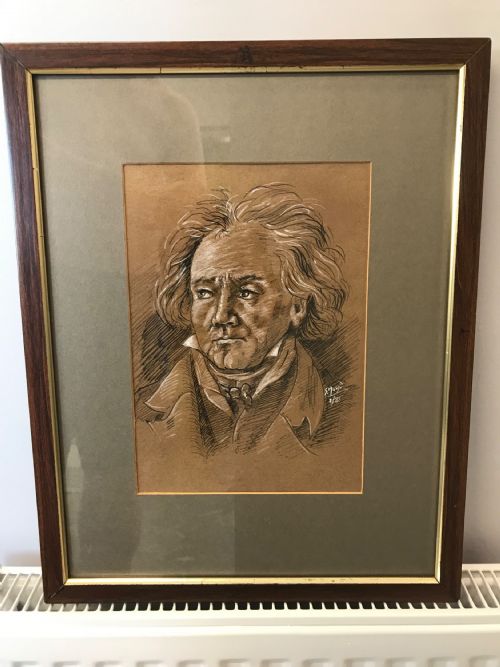
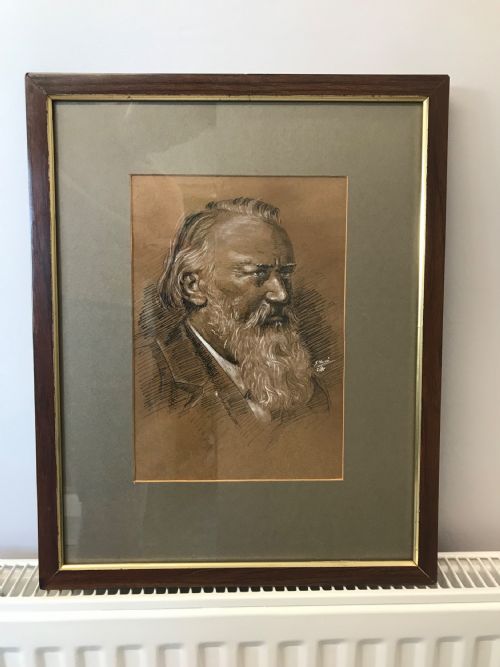
Framed Portrait Sketch
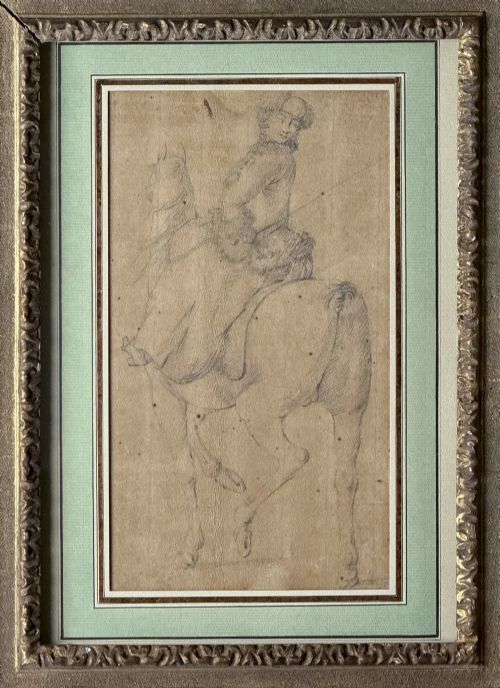
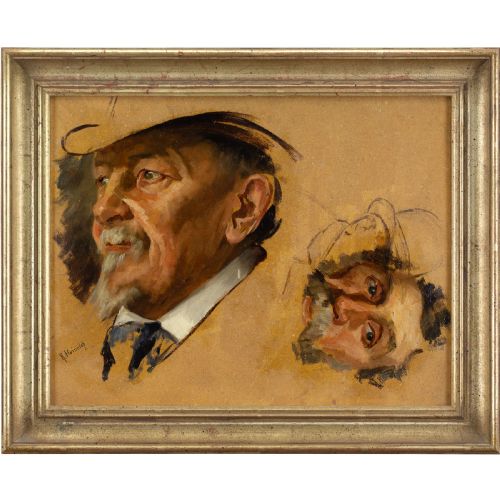
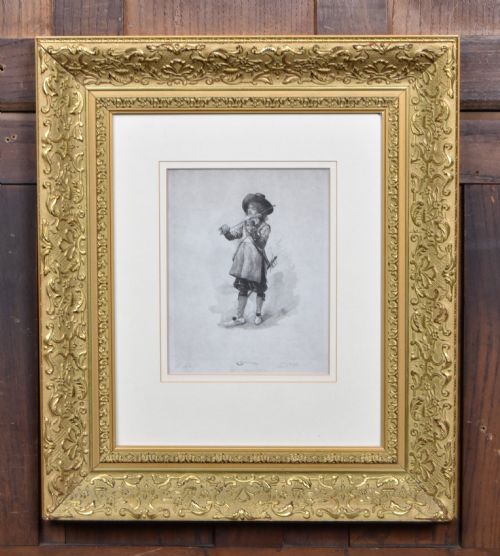
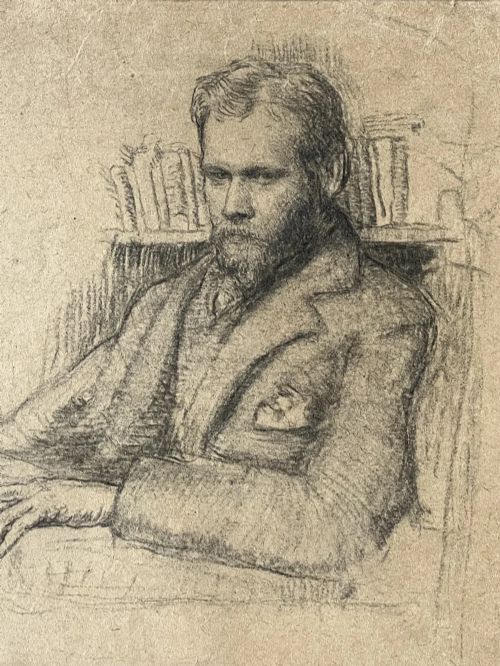
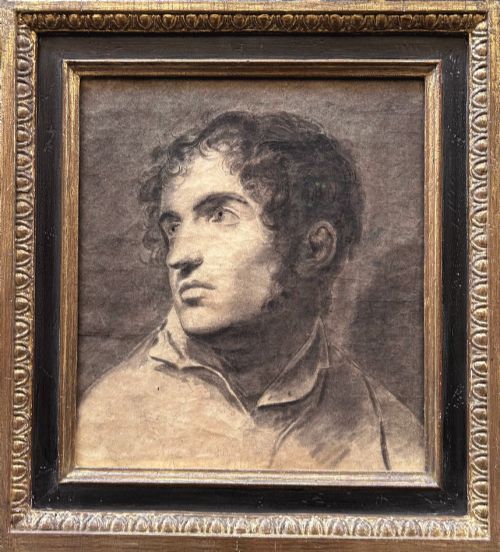
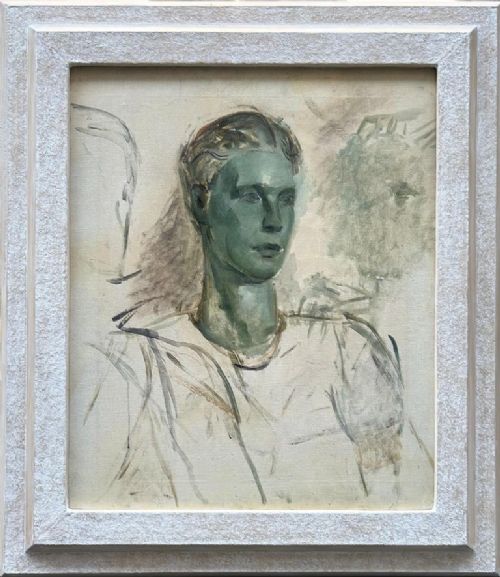
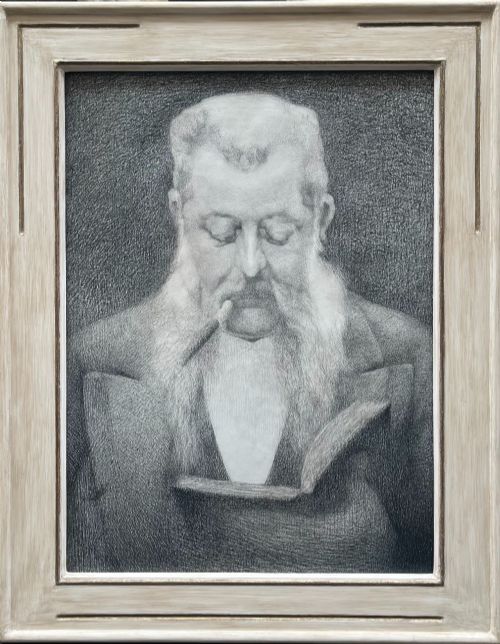
A framed portrait sketch captures the immediate personality of a sitter through rapid linework preserved beneath glass.
Framed Portrait Sketch
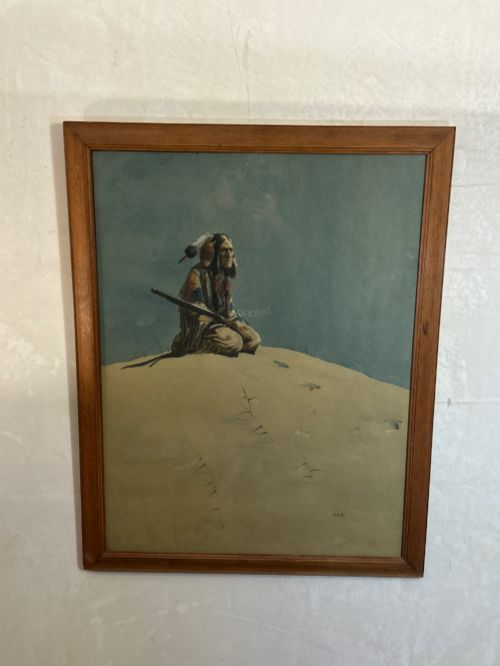
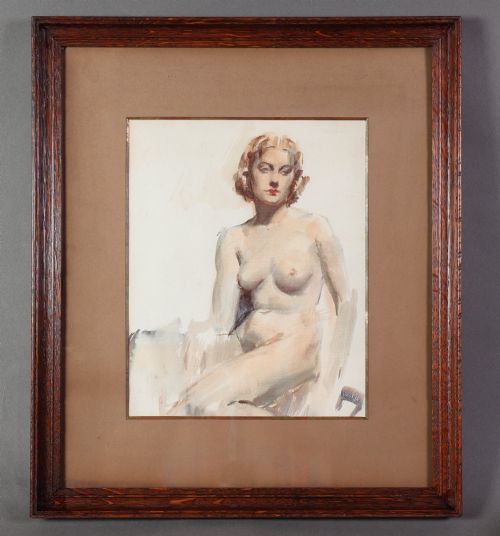
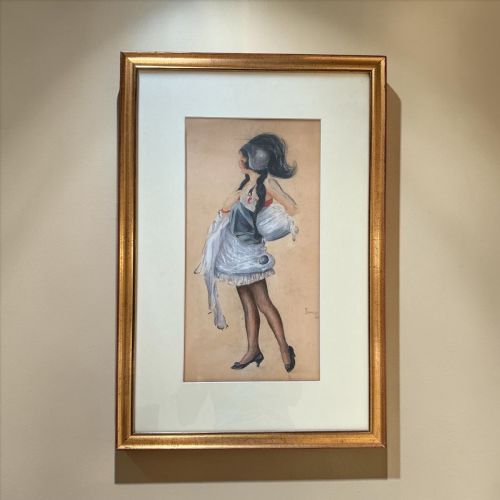
A framed portrait sketch represents an intimate, direct encounter with a sitter, recorded swiftly by an artist's hand. When exploring this selection, buyers encounter works spanning from the Georgian and Regency eras through the Victorian period into the mid-twentieth century.
The materials vary widely across these periods, encompassing delicate graphite, charcoal, ink wash, pastel and watercolour upon paper, all protected beneath original or period glass. The subjects range from anonymous gentlemen and Victorian ladies to wartime army officers and notable historical figures.
While many pieces remain anonymous works from British and European schools, others bear the signatures of recognised hands or reflect specific stylistic movements such as Academic Realism and Modern British art.
Materials and technique
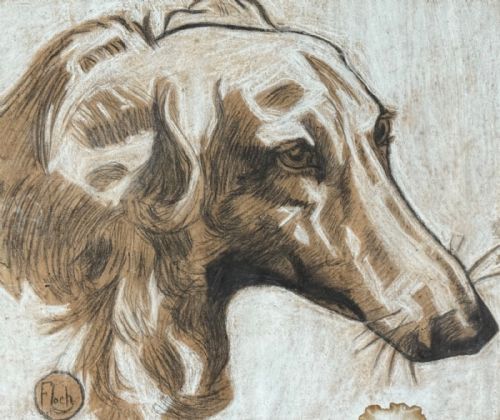
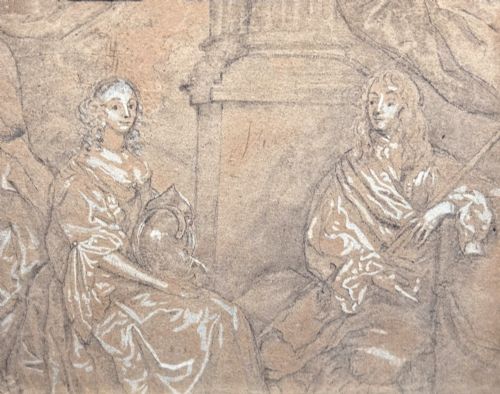
Draftsmen relied primarily on dry media such as graphite, charcoal and pastel applied to paper, occasionally heightening the composition with gouache or white chalk. These substances permitted rapid execution, capturing gesture and expression before the sitter moved.
In other instances, artists utilised pen, ink and wash, building tone and shadow through fluid applications of pigment. These works were subsequently mounted and secured inside wooden frames, often paired with glass to protect the vulnerable paper surface from atmospheric damage.
Framed Portrait Sketch Retail Price Guide 2026
Typical asking prices for framed portrait sketch among the pieces listed under this phrase on Sellingantiques today, from the lower quarter to the upper quarter. They describe what is for sale here now, not the wider market.
Even cats occasionally sat for the portraitist, as evidenced by charming oil pastel studies of stylish felines from the nineteen-thirties.
Distinctions in quality
Quality rests upon the confidence of the draughtsmanship and the economy of line used to convey bone structure and psychological depth. A superior sketch demonstrates decisive handling where every stroke contributes to the likeness, whereas lesser examples rely on hesitant corrections or rigid outlining.
The integrity of the preservation also dictates the standing of a piece, separating works that retain their original paper tone and unblemished media from those suffering from heavy acidification or moisture damage.
John Hassall·Augustus John·Henry Arthur Roberts·J D Fergusson·Raoul Millais·Richard Beavis
The Framed Portrait Sketch Glossary
- Graphite
- A form of carbon used as a drawing medium in pencils, producing grey or black marks capable of fine detail and subtle shading.
- Wash
- A thin, transparent layer of diluted ink or watercolour applied with a brush to create tonal depth and shadow behind linework.
- Gouache
- An opaque water-based paint that provides solid, matte highlights on tinted or buff paper.
- Plumbago
- An early term for graphite, frequently used to describe finely detailed seventeenth and eighteenth-century miniature portrait drawings.
Framed Portrait Sketch: Frequently Asked Questions
How should I hang portrait sketches?
Keep them away from direct sunlight to prevent the fugitive pigments in pastel and watercolour from fading over time.
Grouping several framed sketches together on a single wall creates an effective display reminiscent of historic domestic interiors.
Are these drawings always signed?
Many fine portrait sketches remain unsigned because artists created them as preliminary studies or rapid personal records rather than finished exhibition pieces.
Unsigned works are frequently attributed to particular periods or regional schools based on paper types, framing, and stylistic execution.
What framing is typical for these?
Period wood frames with simple mouldings usually accompany these works, often enclosing glass and historic mounts.
Retaining the original framing preserves the historical integrity of the piece, though some works arrive newly reframed for modern display.
How do I distinguish charcoal from graphite?
Charcoal produces a deep, matte black mark with a soft texture that readily smudges if disturbed beneath the glass.
Graphite offers a metallic sheen ranging from silvery grey to dark grey, allowing for sharper lines and finer hatching.