
Monochrome Paper Sketch
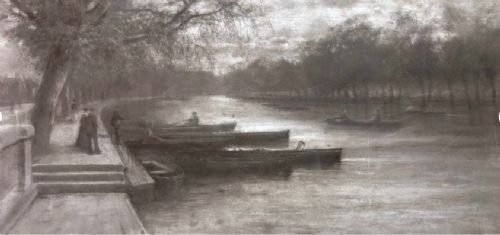
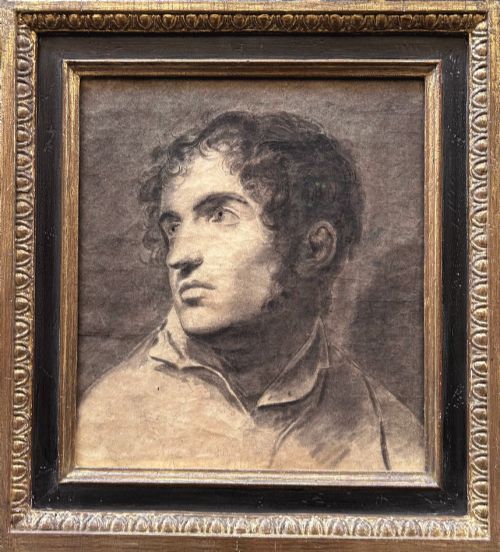
Monochrome paper sketch works are intimate graphic pieces on paper, offering direct contact with the hand of the artist through ink, pencil, and charcoal.
Monochrome Paper Sketch
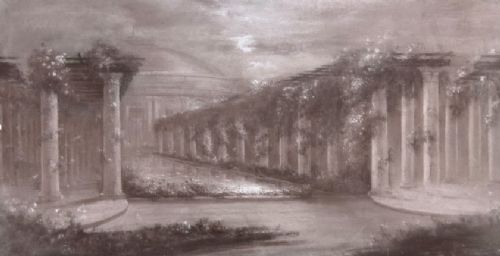
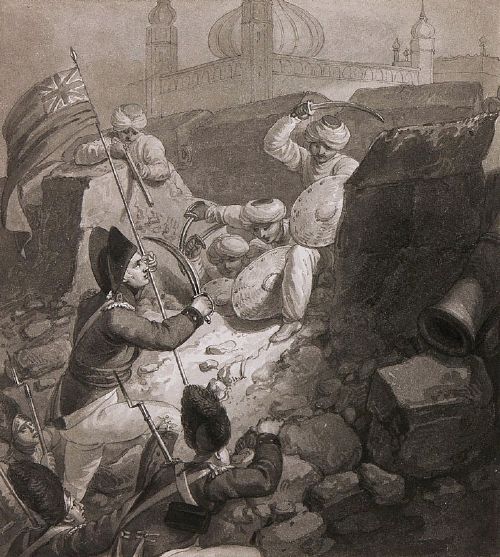
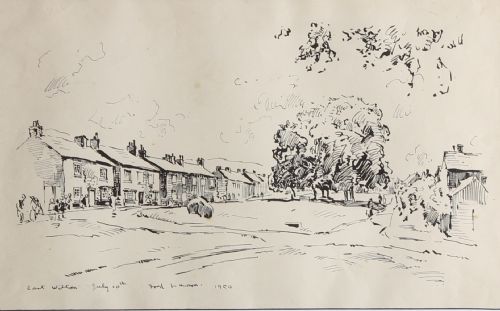
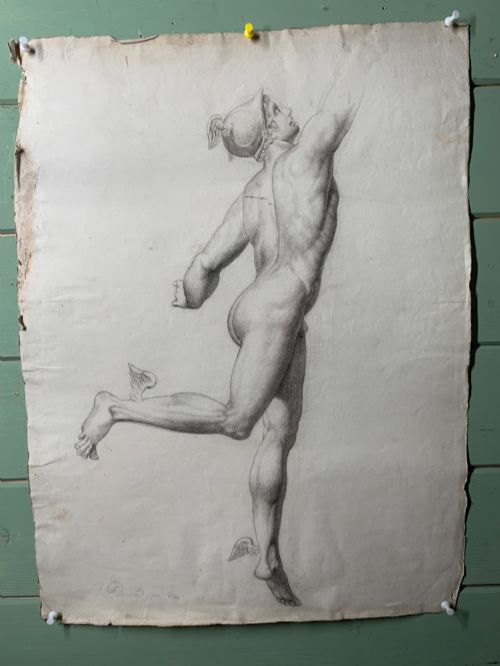
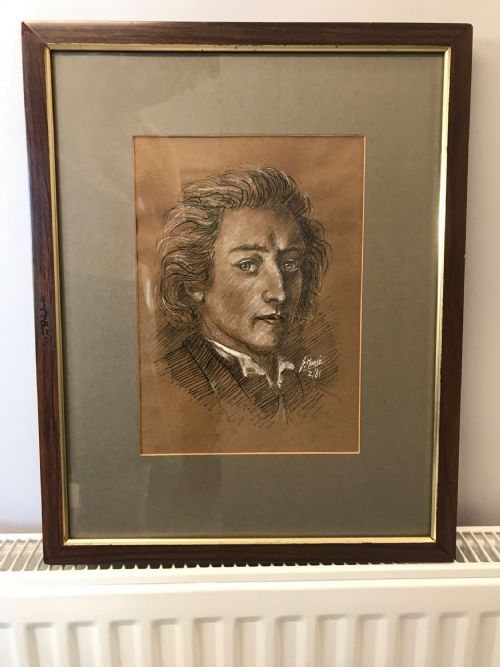
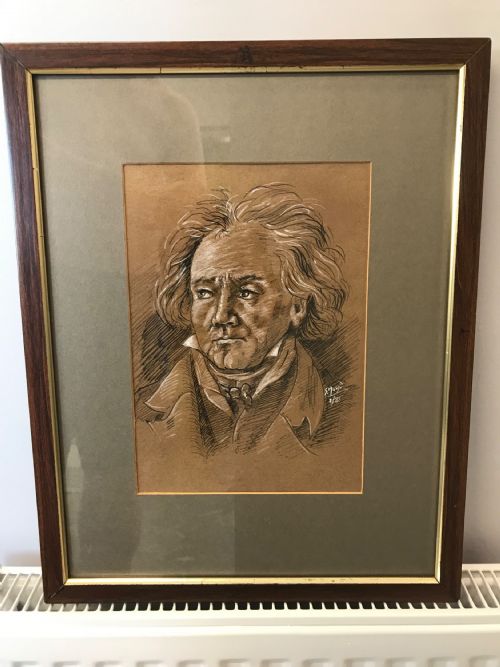
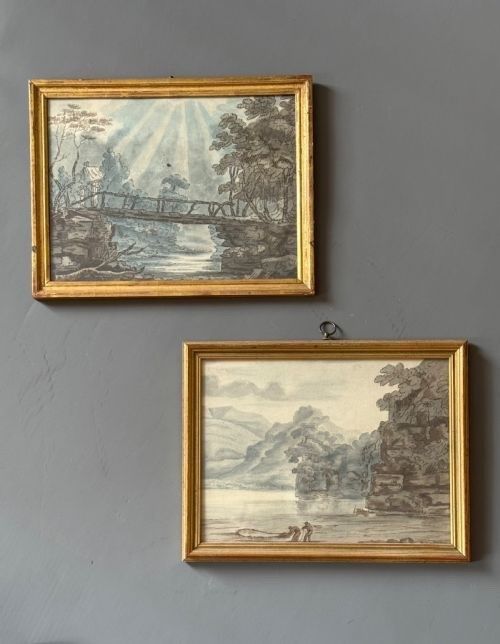
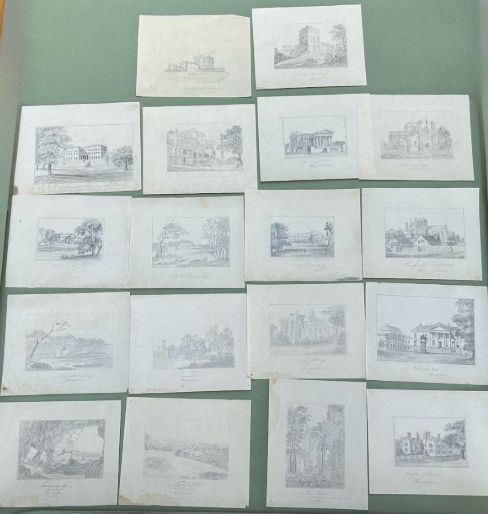
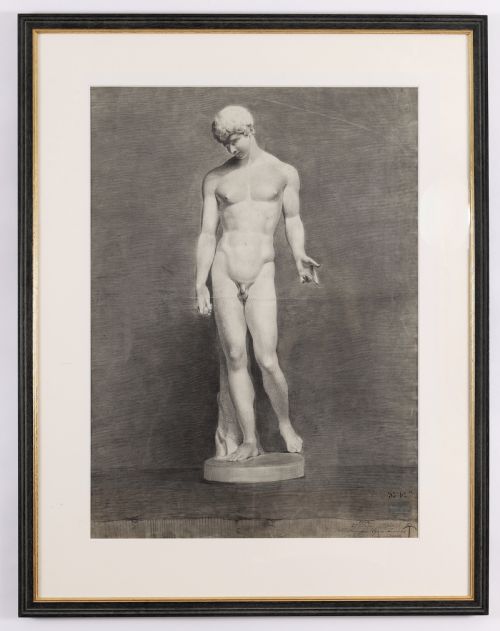
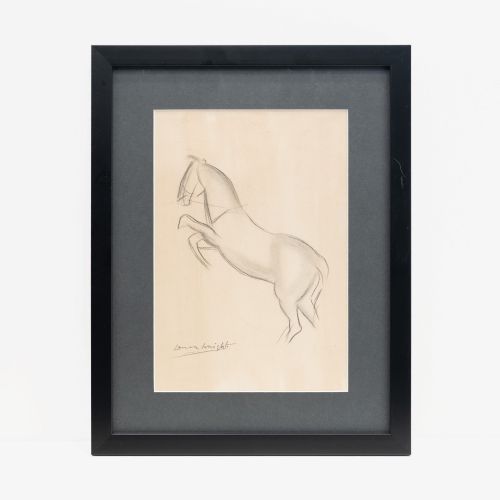
Monochrome paper sketch works encompass original drawings, academic life studies, and preparatory illustrations executed in single-colour mediums across multiple historical periods. Buyers seeking these pieces encounter works spanning the eighteenth century through to the mid-twentieth century, including Georgian landscape views and 20th-century British compositions.
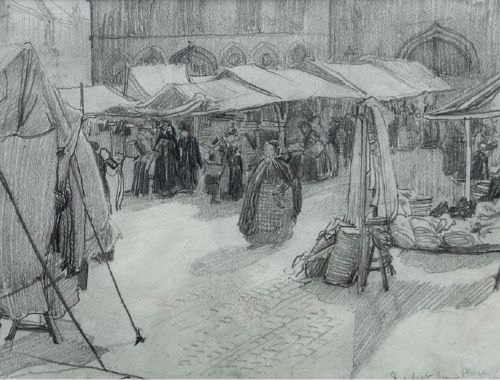
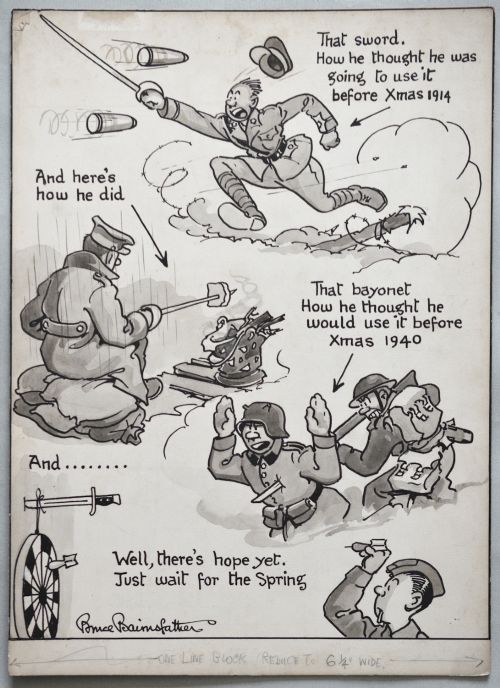
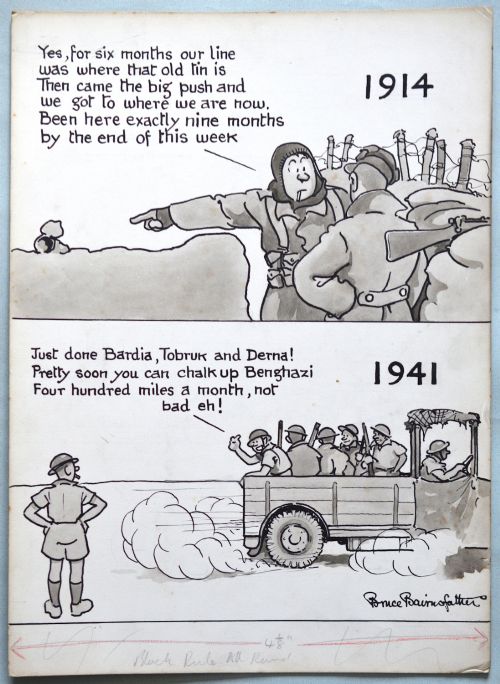
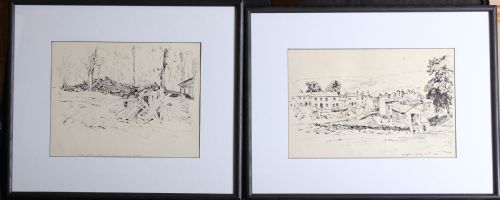
The inventory on this page consists predominantly of framed original artworks, landscape studies, portrait drawings, and architectural renderings. Examples range from rapid studio jottings and signed artist proofs to finished narrative scenes and allegorical figure studies.
How They Were Made
These pieces rely fundamentally upon paper supports combined with dry or liquid sketching mediums such as graphite, charcoal, ink, and chalk. Artists utilised pencils and sticks of charcoal to build tonal depth and contour, often layering pen and wash or gouache to heighten highlights.
Many works incorporate supporting materials like canvas stretchers or wooden frames to preserve the fragile paper sheets. Application techniques vary from precise academic hatching and architectural drafting to loose, expressive charcoal strokes.
Listings feature works executed in pencil, charcoal, ink, and chalk across periods spanning the eighteenth through the twentieth centuries.
What Varies in Quality
The strength of a piece rests upon the sureness of the draughtsmanship and the expressive vitality of the line. Confident, economical strokes demonstrate an artist's mastery over the medium, separating casual exercises from accomplished studies.
Condition and sheet preservation significantly influence the standing of an artwork. Intact paper integrity without excessive foxing, combined with strong provenance or discernible signatures by known hands, elevates the stature of the drawing.
Bruce Bairnsfather·Fred Lawson·William Marshall Craig·Sir Francis Leggatt Chantrey·John Hoppner·Augustus Edwin John
The Monochrome Paper Sketch Glossary
- Charcoal
- A dry drawing material made from burnt organic matter, producing rich, velvety black marks that smudge easily. It is frequently fixed with a solution to prevent dusting.
- Wash
- A diluted layer of ink, watercolour, or bistre applied with a brush to create tonal depth and shadow behind linear work. This technique adds atmospheric perspective to ink drawings.
- Academic Realism
- A style of painting and drawing produced under the influence of European academies of art, emphasising precise anatomy, life drawing from models, and classical proportion. It is often seen in nineteenth-century figure studies.
- Graphite
- A crystalline form of carbon used in pencils, capable of producing fine metallic grey lines or broad tonal areas depending on the grade of the lead.
- Gouache
- An opaque water-based paint composed of pigment, water, and a binding agent such as gum arabic, often used alongside ink or wash to add opaque highlights.
Monochrome Paper Sketch: Frequently Asked Questions
How should I frame an antique drawing?
Antique drawings require conservation-grade mounting materials to prevent the acidic components of standard cardboards from damaging the historic paper.
Keeping the paper away from direct sunlight and sealing the back of the frame protects the delicate charcoal, ink, or graphite mediums from fading and moisture.
What is the difference between a sketch and a study?
A sketch is typically a quick, spontaneous record of a scene or an idea captured rapidly on paper by the artist.
A study is a more deliberate, detailed investigation of a specific subject, such as a figure, hand, or architectural element, often prepared for a larger finished painting.
How do I identify the period of a drawing?
Dating relies upon examining the watermark and texture of the paper stock, the framing style, and the characteristic handwriting or signature of the artist.
Stylistic markers such as Georgian neoclassical restraint or twentieth-century modernist abstraction also provide reliable chronological boundaries.
Are these drawings original or reproductions?
The pieces listed here are original unique works executed by hand directly onto the paper support rather than mechanical prints or reproductions.
Close inspection under magnification reveals individual pen strokes, charcoal grain, and depressions in the paper surface left by the artist's hand.