
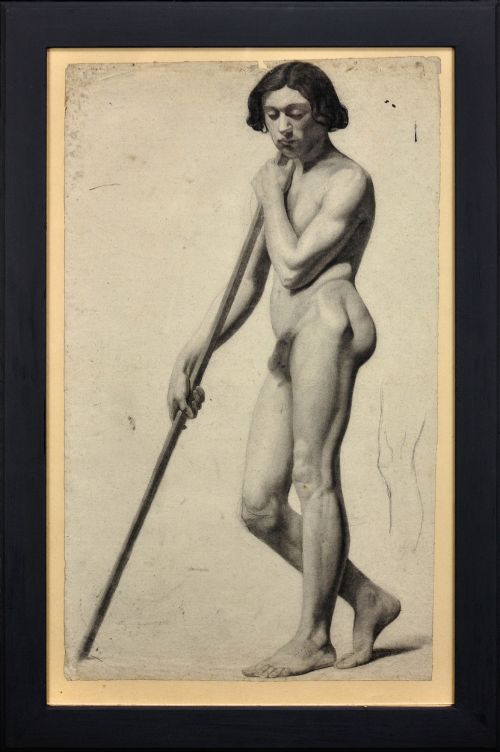


Charcoal Portrait Drawing
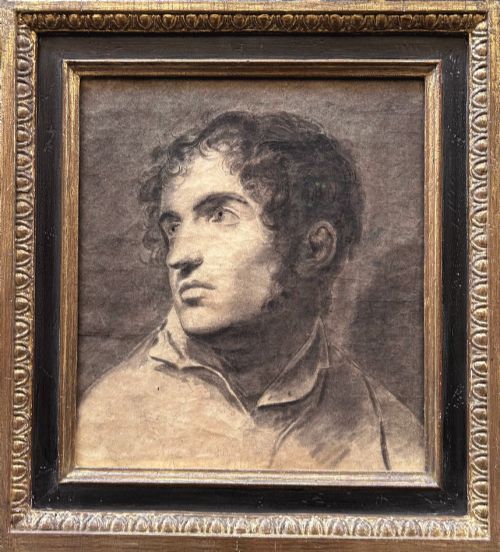
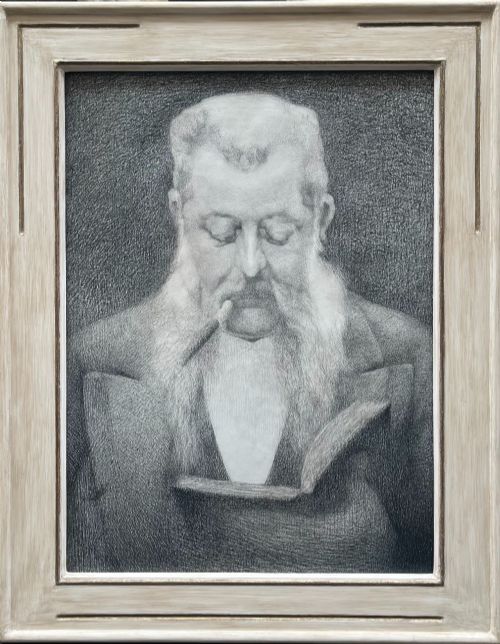
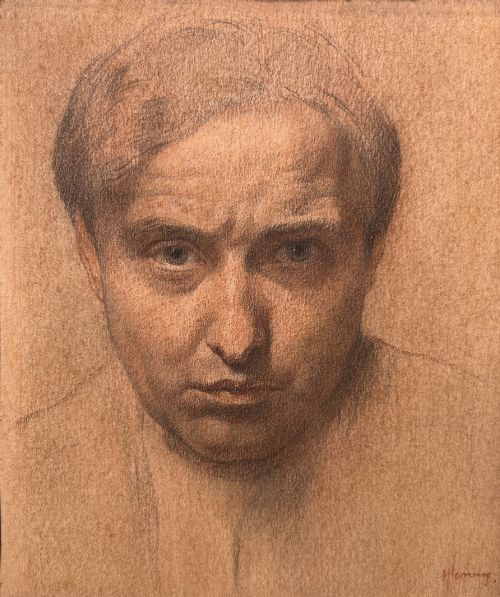
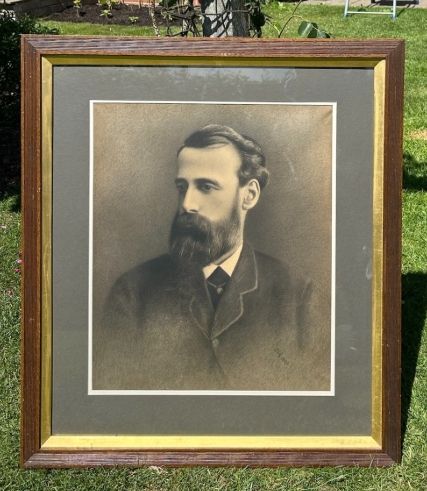
These charcoal portrait drawing examples capture individual likeness and character through immediate gestural mark-making on paper.
Defining charcoal portrait drawing
A charcoal portrait drawing records a sitter's likeness through expressive strokes and tonal shading on paper, spanning periods from the nineteenth century through to mid-century modernism.
The selections available here range from nineteenth-century French school studies and Victorian works to twentieth-century modernist interpretations and signed pieces by known artists.
Compositions typically present either head-and-shoulders studies or seated figures, framed in wood, giltwood, or ebonised surrounds ready for display.
Materials and technique
Artists utilise compressed or willow charcoal, frequently combined with graphite, pencil, chalk, or pastel to build depth and contrast upon a paper support.
Works are preserved beneath glass within protective frames constructed from wood, giltwood, or ebonised timber.
Retail Price Guide 2026
Typical UK retail prices for charcoal portrait drawing, calculated from the Sellingantiques database of over a million retail prices indexed since 2003. This retail price guide relies exclusively on Sellingantiques data; no external sources or auction records are used, so the figures do not describe the wider market.
One recorded sitter appears proudly wearing a football scarf, reminding us that sports fandom transcends early twentieth-century fine art.
Assessing quality
Quality rests upon the directness and confidence of the draughtsmanship, where assured lines and deliberate tonal graduation convey vitality and personality.
Condition of the paper support, stability of the friable charcoal medium, and the integrity of the original framing elements influence the character of each piece.
Leo Klin·Francis Dodd·Cecil CP Lawson·Harry Epworth Allen·Jonas Akesson·Jacob Kramer·Harold Hope Read·Jean Betourne
The Charcoal Portrait Drawing Glossary
- Charcoal
- A dry drawing medium made from charred organic material that produces deep blacks and soft smudged tones.
- Ebonised Wood
- Timber treated to imitate ebony, providing a dark, uniform border often found on period frames.
- Giltwood
- Wood carved and coated with gold leaf or metallic powder, commonly utilised for ornate nineteenth-century picture frames.
- Study
- A preparatory or exploratory drawing executed to capture the essential characteristics of a sitter before a finished composition.
Frequently Asked Questions
Are these drawings signed by the artists?
Many examples feature signatures, monograms, or attribution to specific nineteenth and twentieth-century schools and artists. Documentation on the reverse or archival records occasionally provide further provenance.
Unsigned works are frequently attributed through stylistic analysis, comparable portraits, or period framing techniques. Each listing details the specific attribution available for that artwork.
How are charcoal and pencil combined?
Artists often employ pencil or graphite to establish precise facial proportions and fine structural details before applying bold charcoal strokes for shadow and depth. This layered approach creates varied surface textures across the paper.
Chalk or pastel highlights are occasionally added to capture light on skin or clothing. The resulting contrast between sharp linear marks and soft smudged tones defines the portrait.
What framing is typically found on these?
Period pieces frequently retain their original wooden frames, which may be finished in giltwood or ebonised wood to complement the monochrome tones of the drawing. These surrounds often show minor age-related wear appropriate to their history.
Glass protects the friable drawing surface from dust and accidental smudging. Retaining original frames preserves the historical integrity of the artwork.