5,364  PAGES BROWSED TODAY PAGES TODAY 0  ANTIQUES UPLOADED TODAY NEW ARRIVALS
ID #SA1226539
FOR SALE
£4,500
Email
Save
French School Portrait of a Young Man
Darnley Fine Art
for sale €5,265     $5,715
£4,500

Darnley Fine Art

Sellingantiques Verified Since Jul 2026
View Dealers Stock Page
Id #SA1226539
PDF SHARE
SAVE

French School Portrait of a Young Man

19th century
For Sale by Darnley Fine Art
Description

Charcoal and grey wash on paper

Image size: 14 ¾ x 13 ¾ inches (37.5 x 36 cm)

Ornate hand made frame

Provenance

Private collection, Washington DC.

C.G. Sloan & Co., Sept. 1980.

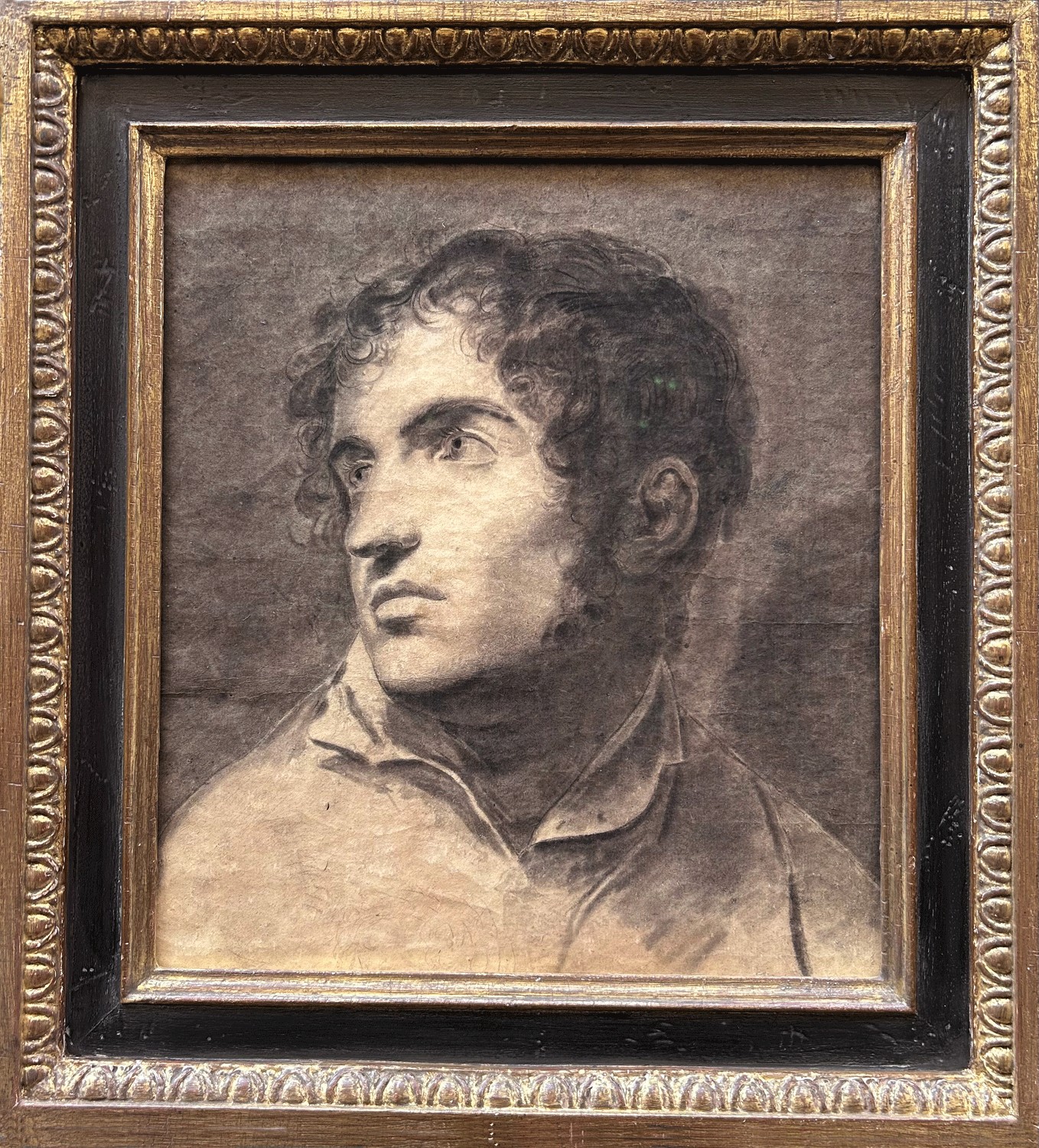
This charcoal portrait depicts a young gentleman with plentiful curly hair and wearing an opened collared shirt. His head is turned right, towards a distinctive light source and he gazes off in this direction.
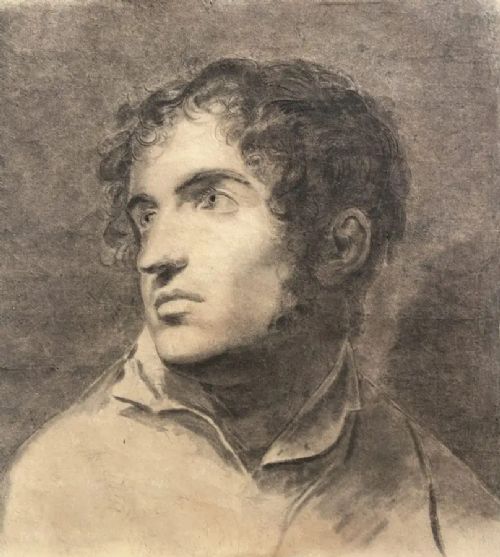
The work is clearly part of Romanticism, first defined as an aesthetic in literary criticism around 1800, gained momentum as an artistic movement in France and Britain in the early decades of the nineteenth century and flourished until mid-century. With its emphasis on the imagination and emotion, Romanticism emerged as a response to the disillusionment with the Enlightenment values of reason and order in the aftermath of the French Revolution of 1789. Though often posited in opposition to Neoclassicism, early Romanticism was shaped largely by artists trained in Jacques Louis David’s studio, including Baron Antoine Jean Gros, Anne Louis Girodet-Trioson, and Jean Auguste Dominique Ingres.

The sitters hairstyle is classically influenced cropped short everywhere but at the front with curls combed forward onto the forehead to resemble the Roman Emperor Titus. Regency hairstyles gave men a natural, romanticised look. Supporters of the French revolution rejected powder wigs and long hair because they were used by the aristocracy and to imitate Roman republican heroes. Some supporters of the monarchy adopted short hair to remember those who had their hair cut before being beheaded. Only some men in the army (like some hussars that wore one or two braids) and the elderly kept their hair long.

Charcoal was a popular medium for drawing since the Renaissance, being used for preparatory purposes: to develop initial ideas, preliminary outlines, areas of shadow, or for squaring grids used to transfer a design to another surface. However, in the 19th century, artists began to use charcoal to make highly finished drawings.

Here, the textual effects that can be seen have been achieved by the artist through scraping, the mixing of water with the charcoal powder, stumping and various reductive techniques such as erasing. The composition of the work and the artist’s choice to include a singular intense light source has allowed the charcoal to be exploited for its strength – the medium being used to produce lines that are very light and intensely black with the two being easily blended together. Indeed, the medium has always been prized for its ability to produce an interplay between light and shadow, known as chiaroscuro.

Physical Dimensions
Height
37.5cm (14.76")
Width
36cm (14.17")
Declaration

Darnley Fine Art has dated this Antique French Portrait Drawing to the 19th Century.

Reference Numbers
Sellingantiques Reference
SA1226539
Description
Charcoal and grey wash on paper

Image size: 14 ¾ x 13 ¾ inches (37.5 x 36 cm)

Ornate hand made frame

Provenance

Private collection, Washington DC.

C.G. Sloan & Co., Sept. 1980.

This charcoal portrait depicts a young gentleman with plentiful curly hair and wearing an opened collared shirt.
Darnley Fine Art

His head is turned right, towards a distinctive light source and he gazes off in this direction.

fig 1. A framed monochrome charcoal drawing of a young man with curly hair facing left, enclosed in a moulded gilt and ebonised frame.
fig 1. French School Portrait of a Young Man

The work is clearly part of Romanticism, first defined as an aesthetic in literary criticism around 1800, gained momentum as an artistic movement in France and Britain in the early decades of the nineteenth century and flourished until mid-century. With its emphasis on the imagination and emotion, Romanticism emerged as a response to the disillusionment with the Enlightenment values of reason and order in the aftermath of the French Revolution of 1789. Though often posited in opposition to Neoclassicism, early Romanticism was shaped largely by artists trained in Jacques Louis David’s studio, including Baron Antoine Jean Gros, Anne Louis Girodet-Trioson, and Jean Auguste Dominique Ingres.

The sitters hairstyle is classically influenced cropped short everywhere but at the front with curls combed forward onto the forehead to resemble the Roman Emperor Titus. Regency hairstyles gave men a natural, romanticised look. Supporters of the French revolution rejected powder wigs and long hair because they were used by the aristocracy and to imitate Roman republican heroes. Some supporters of the monarchy adopted short hair to remember those who had their hair cut before being beheaded. Only some men in the army (like some hussars that wore one or two braids) and the elderly kept their hair long.

Charcoal was a popular medium for drawing since the Renaissance, being used for preparatory purposes: to develop initial ideas, preliminary outlines, areas of shadow, or for squaring grids used to transfer a design to another surface. However, in the 19th century, artists began to use charcoal to make highly finished drawings.

Here, the textual effects that can be seen have been achieved by the artist through scraping, the mixing of water with the charcoal powder, stumping and various reductive techniques such as erasing. The composition of the work and the artist’s choice to include a singular intense light source has allowed the charcoal to be exploited for its strength – the medium being used to produce lines that are very light and intensely black with the two being easily blended together. Indeed, the medium has always been prized for its ability to produce an interplay between light and shadow, known as chiaroscuro.

Height
37.5cm (14.76")
Width
36cm (14.17")
Date of Manufacture

Darnley Fine Art has dated this Antique French Portrait Drawing to the 19th Century.

Reference Numbers
Sellingantiques Ref
SA1226539
Darnley Fine Art
Sellingantiques verified Since Jul 2026
Dealer Profile

You can view the stock and full dealer information on the Darnley Fine Art Profile Page
PDF SHARE
SAVE
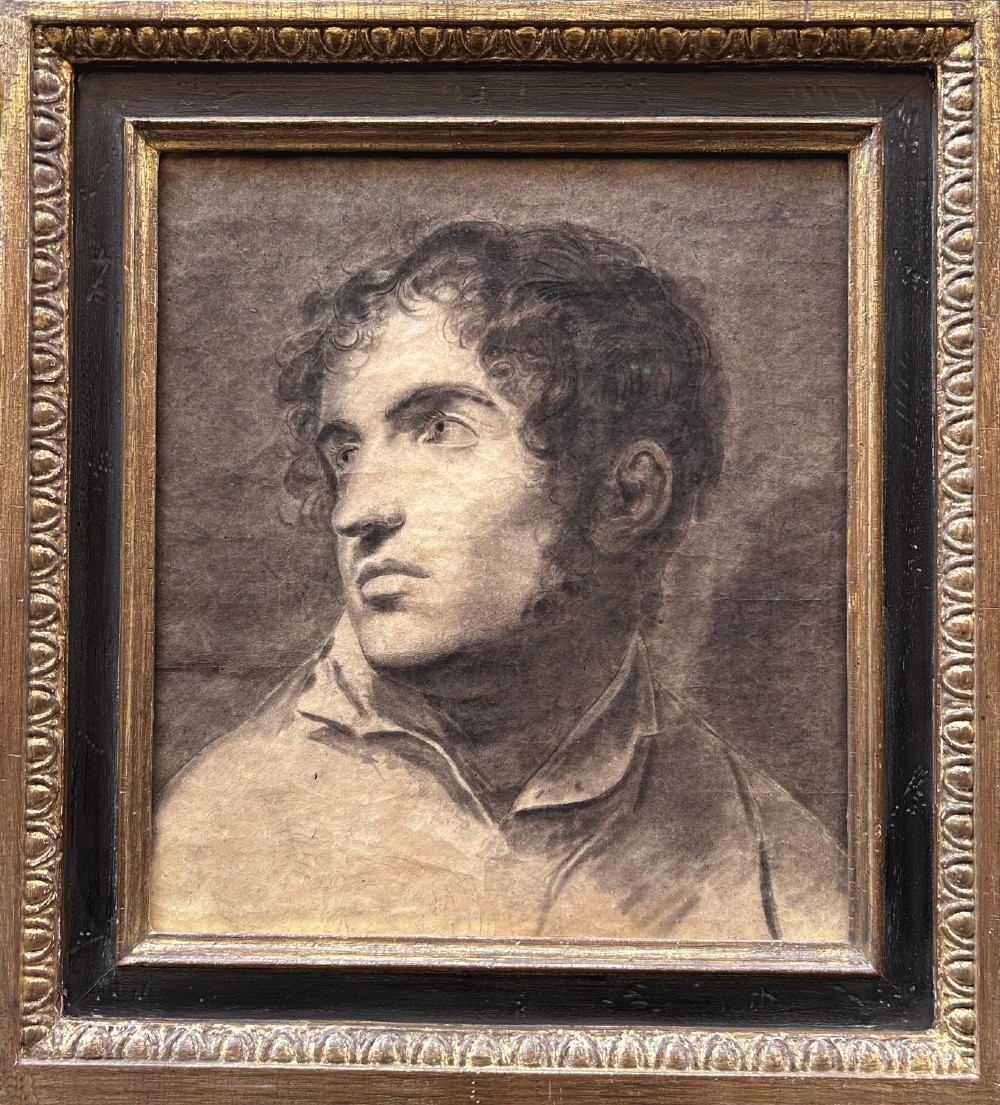
A framed monochrome charcoal drawing of a young man with curly hair facing left, enclosed in a moulded gilt and ebonised frame.
1 / 2
Archive I A framed monochrome charcoal drawing of a young man with curly hair facing left, enclosed in a moulded gilt and ebonised frame.

French School Portrait of a Young Man
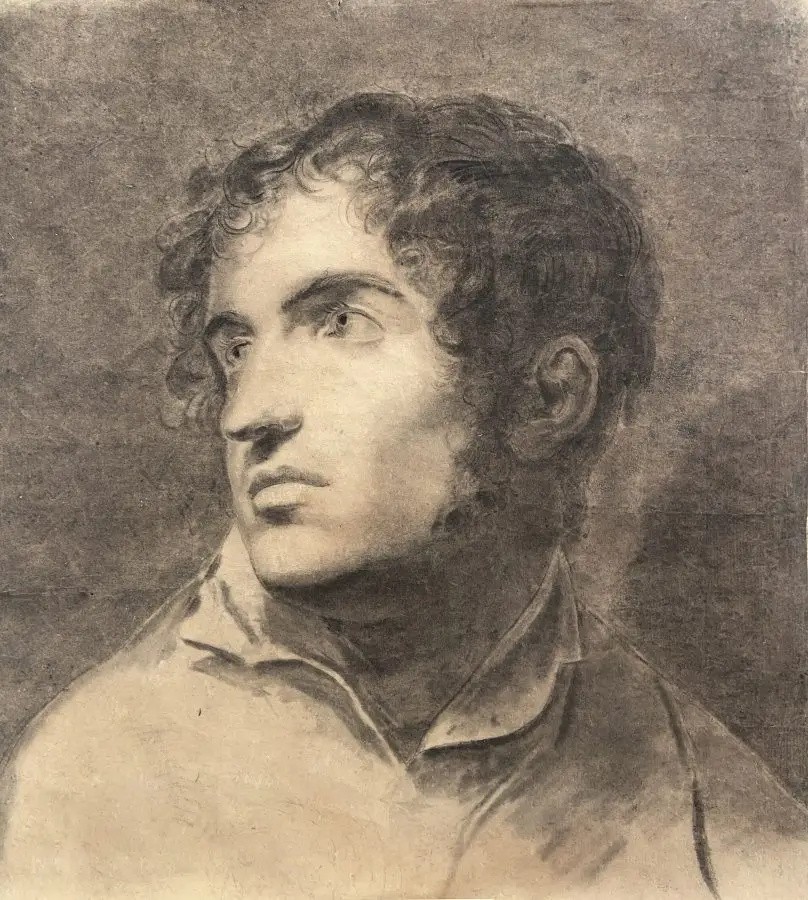
Archive II A framed monochrome charcoal drawing of a young man with curly hair facing left, enclosed in a moulded gilt and ebonised frame. View II
Enlarged Archival View
Telephone 0207 379 0499
Location
2-4 Cecil Court
London
WC2N 4HE
United Kingdom

Opening Times
Monday to Saturday: 10:30 - 5:30
(excluding Bank Holidays)
Dealer Profile Page sellingantiques.co.uk/dfa
Verified Since Jul 2026
Items For Sale 76
Darnley Fine Art
Verified Since Jul 2026
View Dealer Info
Location: 2-4 Cecil Court, London, WC2N 4HE, United Kingdom, , Opening Times, Monday to Saturday: 10:30 - 5:30, (excluding Bank Holidays)
Verified
Jul 2026
For Sale
76
A framed monochrome charcoal drawing of a young man with curly hair facing left, enclosed in a moulded gilt and ebonised frame.
French School Portrait of a Young Man
Ref: SA1226539
A framed monochrome charcoal drawing of a young man with curly hair facing left, enclosed in a moulded gilt and ebonised frame.
Detail View 1
Archival Detail
Every single antique dealer on our platform is individually approved by our internal team. We verify their professional trade history, ethical standards, and photographic quality to ensure a secure, high-standard buying environment. Upon joining, every dealer agrees to a strict 9-point code of conduct. While issues can occasionally arise, our dealers typically resolve them swiftly and directly with the buyer. In fact, since our founding in 2002, Sellingantiques has only had to step in to help resolve an issue on roughly five occasions—a true testament to the quality of our dealers and their dedication to your happiness.
Our dealers are highly experienced in packing and shipping fragile, high-value antiques. Because you are in direct contact with the dealer, you will be able to easily go through all available shipping and insurance options together to ensure your item arrives safely.
Antiques are the ultimate green purchase. By choosing historical pieces over newly manufactured goods, you completely eliminate the carbon footprint of modern mass production while preserving exceptional, timeless craftsmanship.

French School portraiture from the late eighteenth and early nineteenth centuries emphasizes neoclassical draughtsmanship, soft chiaroscuro shading, and academic study. Drawings from this period often depict classical hairstyles, expressive gazes, and draped clothing.

Artists typically utilised natural vine or willow charcoal, graphite, and chalk highlights applied to handmade rag paper. Frames often featured wood mouldings with ebonised finishes and hand-applied water gilding over red bole.

Authentic period drawings display natural signs of age such as paper toning, foxing, and visible laid lines when held to light. Original frames often display historic backing boards, hand-cut glass, and genuine gilding wear.

A framed monochrome drawing pairs well with dark academia, traditional library, or modern minimalist interiors. Position the artwork above a console table or integrate it into a curated gallery wall to add historical character.

To prevent fading and paper degradation, display the artwork away from direct sunlight and areas of high humidity. Frame the piece using acid-free mounting materials and UV-filtering protective glass.
items
Add keywords to the filter
Price
£100
£250000
Era
Movements
Material
Origin
Stock Location
Freshness
Online Payments
Categories