



Romantic Era Artwork
Romantic era artwork encompasses oil paintings and watercolours capturing landscapes, figures, and historical scenes from the nineteenth century.
Romantic Era Artwork
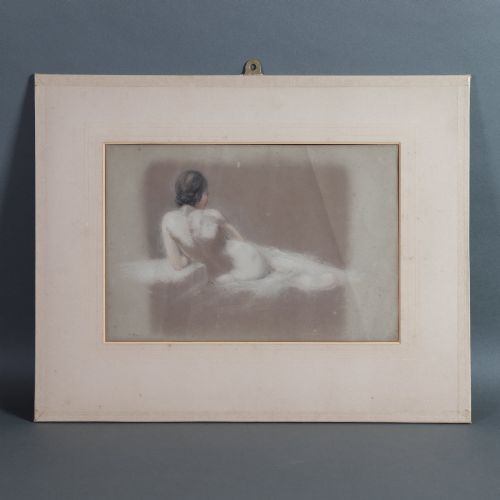
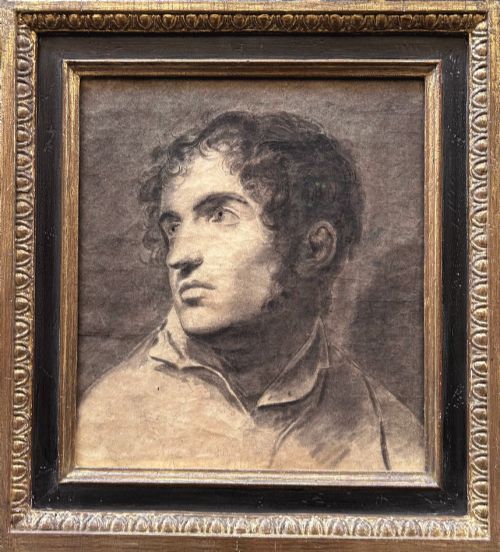
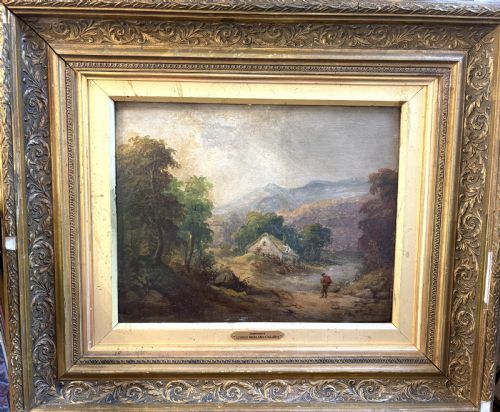
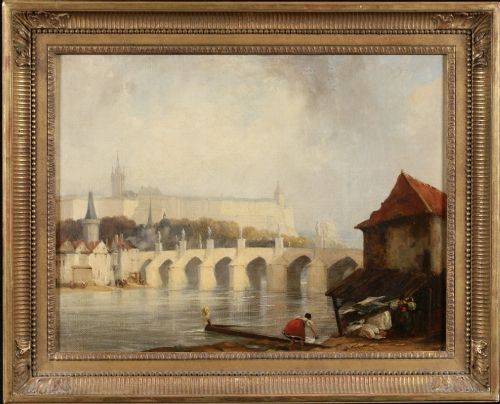
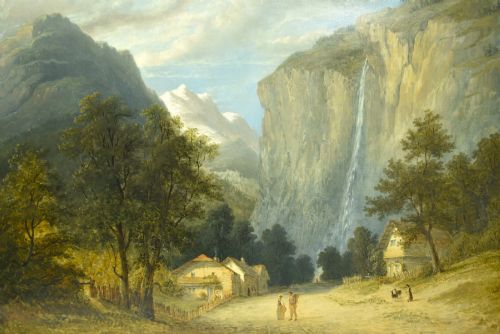
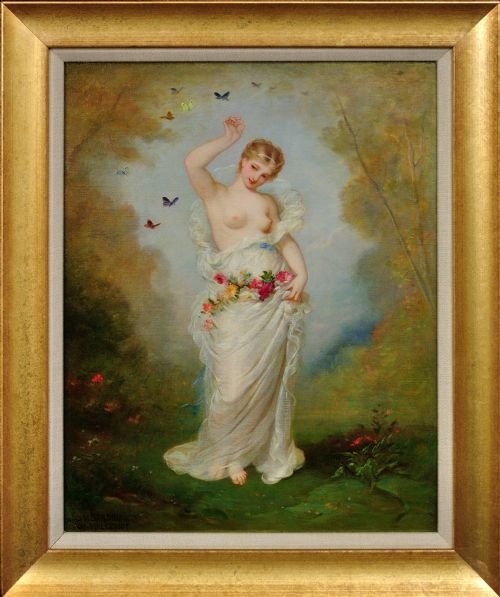
Romantic era artwork brings together nineteenth-century oil paintings, watercolours, and framed drawings that capture pastoral landscapes, dramatic seascapes, and intimate figure studies. A buyer browsing these listings will most frequently encounter nineteenth-century oil paintings on canvas or board, alongside delicate watercolours from the Georgian and Victorian periods. These pieces range from sweeping alpine views and misty European lakes to detailed portraits of young ladies and pastoral country scenes.
The selections span British, French, and Continental schools, reflecting diverse regional interpretations of romanticism and pastoral subjects. Works attributed to recognised painters sit alongside unsigned Victorian landscapes and carefully executed copies after notable masters. Whether depicting the ruined arches of Tintern Abbey or stormy coastal waters, these items record the period's fascination with nature, history, and human emotion.
Materials and techniques
Makers utilised oil paint on canvas or wood panels, building up rich surfaces for landscapes, portraits, and maritime scenes. Watercolours on paper served for lighter, portable studies and topographical views, often mounted behind glass.
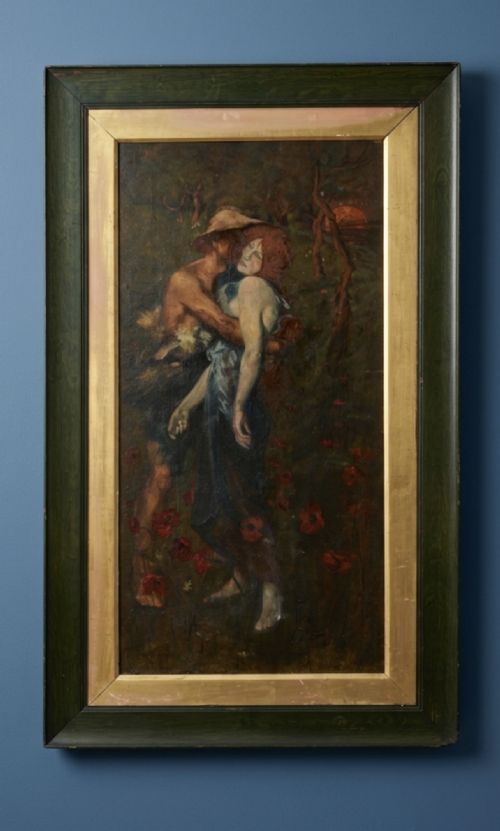
Original frames frequently combine wood, gesso, and gilt to complement the deep tones of the canvas within. Artisans carved intricate details into giltwood moulding, providing heavy, decorative borders for large continental landscapes and grand portraits.
Materials recorded in the inventory include oil, canvas, paper, wood, gilt, and gesso used in both paintings and elaborate frames.
Distinctions in quality
The standard of execution in figure drawing and perspective separates accomplished academic works from simpler regional outputs. Confident brushwork and subtle handling of light distinguish superior canvases depicting stormy seas or mountain passes.
The integrity of the original support and frame influences the overall standing of a piece. Original giltwood frames with intact gesso enrich the presentation of nineteenth-century oils, whereas later mountings alter the historic context.
William Etty·Benjamin Barker of Bath·George Morland·André Charles Voillemot·Eugene Joseph Verboeckhoven·Abraham Hulk Snr·James Bell Anderson·Franz Xaver Winterhalter·Frederick Richard Lee·James Ward·James Bertrand·Samuel Lawrence·Leon Girardet·Julius Caesar Ibbetson
The Romantic Era Artwork Glossary
- Oil on Canvas
- Pigment mixed with drying oil applied to a woven fabric support. This method allowed artists to achieve deep colour saturation and rich textural effects.
- Giltwood
- Timber carved and coated with gold leaf or a gold-coloured metallic finish. It forms the decorative framing typical of nineteenth-century salon paintings.
- Watercolour
- Paint consisting of colour pigments suspended in a water-soluble vehicle, usually applied to paper. It produces transparent washes suitable for delicate landscape studies.
- Gesso
- A paint mixture consisting of a neutral binder mixed with chalk, gypsum, or pigment. It provides a smooth surface on wood frames before gilding.
- Continental School
- A term used to categorise European artists working outside Britain. It encompasses various regional traditions across France, Germany, and the Netherlands during the nineteenth century.
Romantic Era Artwork: Frequently Asked Questions
What subjects feature in romantic era artwork?
These works predominantly depict sweeping alpine landscapes, misty lakes, pastoral scenes with livestock, and dramatic seascapes featuring sailing ships. Portraiture of young ladies and historical architectural ruins such as abbeys also appear frequently across the selection.
Artists drew inspiration from nature and classical themes, translating the emotional intensity of the period onto canvas and paper through expressive brushwork.
How do I identify the period of a painting?
Dating relies on stylistic clues, framing materials, and recorded signatures or attributions associated with nineteenth-century schools. Victorian and Georgian pieces often carry specific regional characteristics, costume details, or written documentation on the reverse of the canvas.
Examining the canvas preparation, stretcher bars, and the composition of the gesso frame offers further physical evidence regarding the approximate age of the piece.
Were these pieces intended for domestic display?
Many oil paintings and watercolours were created to adorn the parlours and drawing rooms of nineteenth-century homes, reflecting the aesthetic tastes of collectors. Large continental landscapes and grand portraits served as statement pieces for formal reception rooms.
Smaller watercolours and mixed media studies offered a more intimate form of decoration, suited for private sitting rooms and personal collections.
How should I care for a framed oil painting?
Preserving these works involves keeping them away from direct sunlight and maintaining stable indoor humidity levels to protect the canvas and wooden support. Gentle dusting with a soft, dry brush prevents particulate accumulation on the painted surface.
Original giltwood frames require careful handling to preserve the delicate gesso and gold leaf ornamentation without introducing moisture or chemical cleaning agents.