




Original French Sketch
When you search for original french sketch, you uncover authentic works on paper capturing intimate studies, portraits and scenes from centuries past.
Original French Sketch
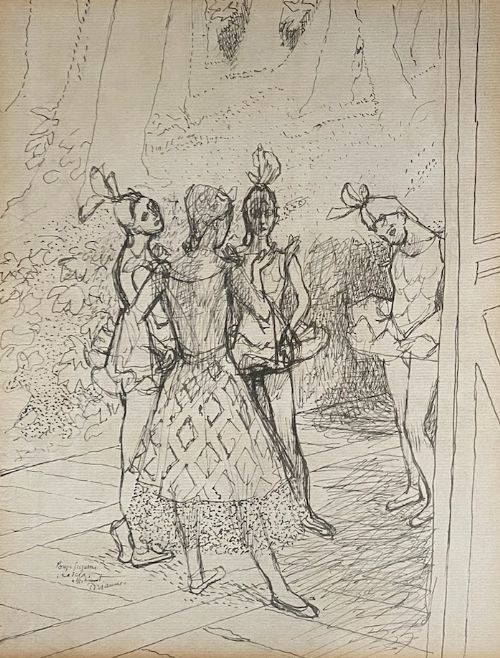
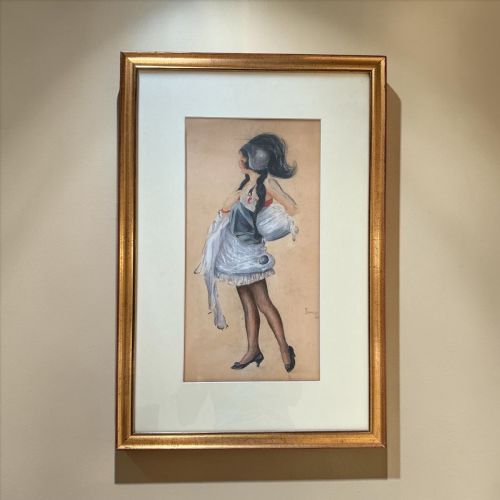
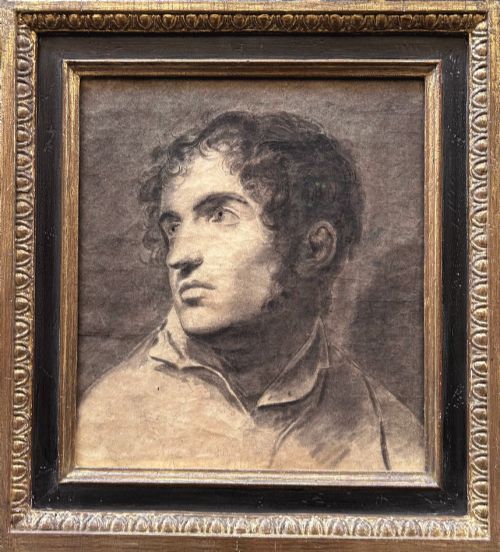
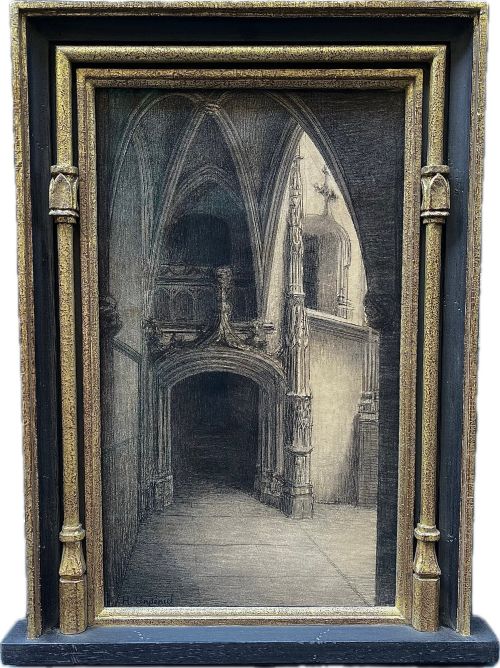
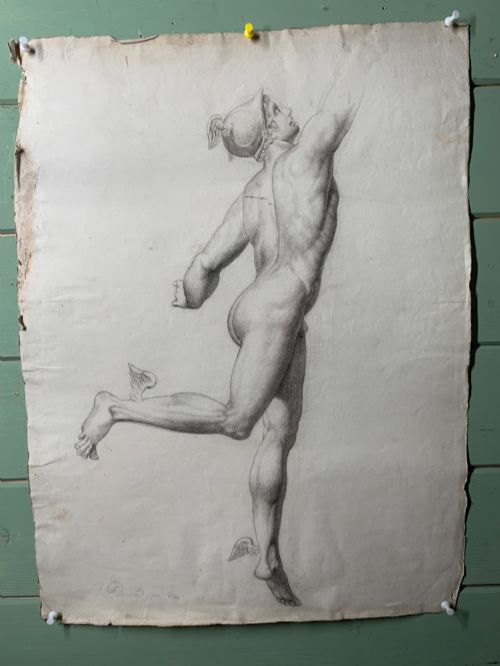
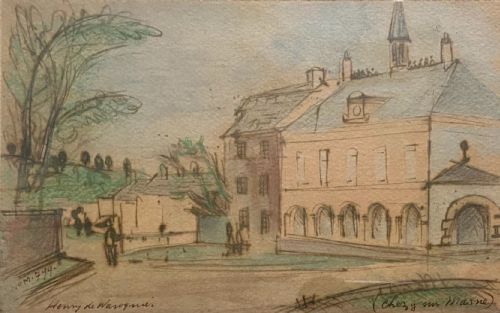
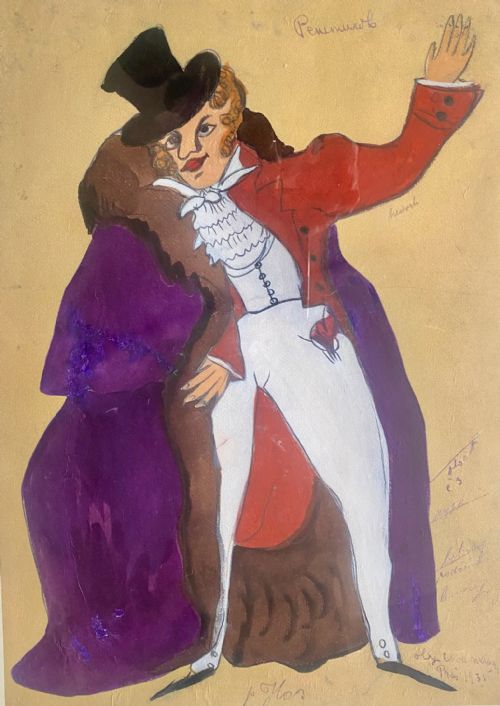
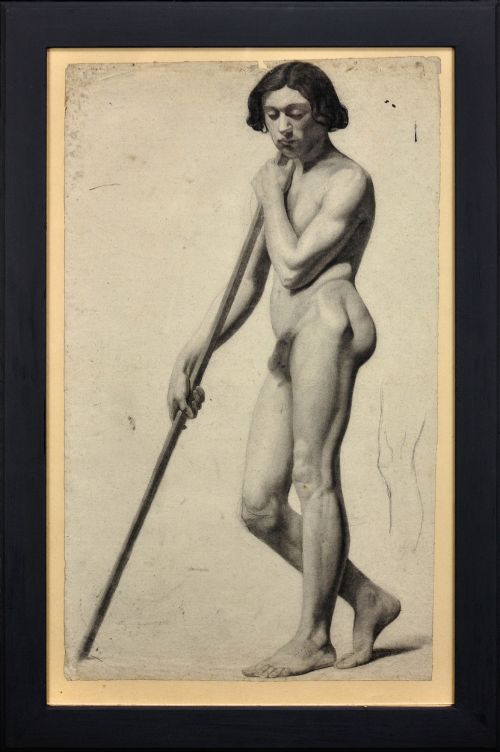
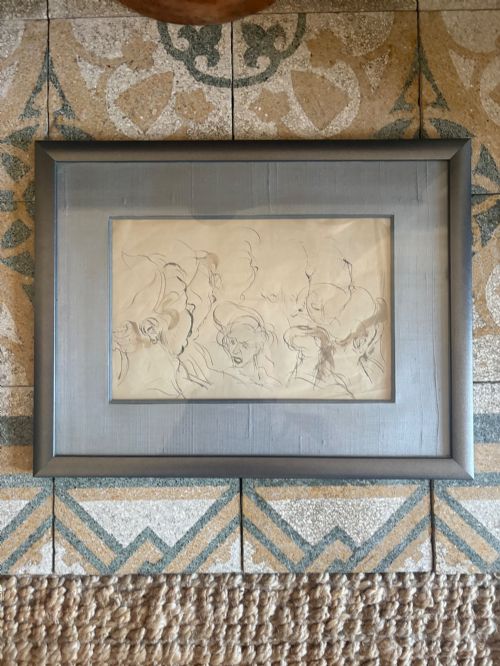
An original french sketch encompasses works on paper ranging from Victorian academic life studies of male nudes to Art Deco portraits and early twentieth century avant-garde compositions. These pieces capture direct observations of daily life, theatre figures, landscapes and architectural designs produced across diverse French artistic movements.
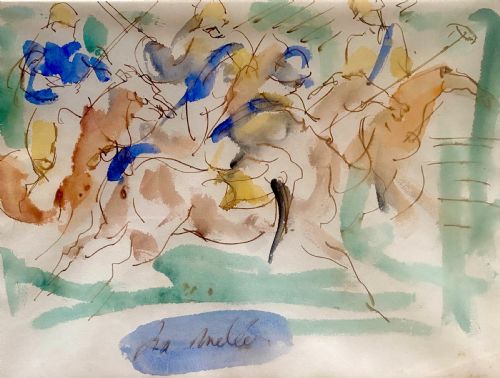
Buyers encounter portraits of young ladies, equestrian scenes, bustling city streets and preparatory studies executed by named artists and regional schools. The selection spans the nineteenth century through the mid-twentieth century, offering direct glimpses into historical European draftsmanship.
Materials and technique
Artists relied primarily on paper supports, applying mediums such as graphite, charcoal, ink, chalk, watercolour, gouache and pastel. These traditional materials allowed rapid execution of lines, washes and tones during life studies and outdoor sessions.
Draftsmen utilised techniques including two-coloured ink lines, mixed media combinations, deux crayon methods and preparatory washes. Framing with glass and wood preserves these delicate organic pigments and paper supports against environmental degradation.
A mischievous dog in an 1850 kitchen scene reminds viewers that even serious antique draftsmen enjoyed a touch of domestic chaos.
Evaluating craftsmanship and provenance
Quality rests upon the directness of the hand, the decisiveness of the line work and the paper preservation over time. Superior examples demonstrate confident anatomical proportions, expressive tonal control and secure artist attribution or traceable gallery provenance.
Lesser pieces exhibit timid hesitation, excessive fading, heavy toning or brittle paper degradation that obscures the original draughtsman's intent. Masterful works maintain crisp ink definition and vibrant watercolour or gouache pigment integrity.
Maurice Brianchon·Henri Charles Angeniol·Henry de Waroquier·Gen Paul·Olga Choumansky·Henry Arthur Roberts·Lucien Gibert·Alfred Dehodencq·Demetrios Galanis·Mariette Lydis·Maurice Asselin·Kees van Dongen·Henri Josephe Hesse·Alexandre Decamps·Fred Lawson·Henri Joseph Harpignies·Cecil CP Lawson
The Original French Sketch Glossary
- Academic Realism
- A style of painting and drawing produced under the influence of European academies of art, emphasising precise anatomical accuracy and classical subject matter.
- Deux crayon
- A drawing technique utilising two distinct coloured chalks or pencils, usually black and red or white and black, on toned paper to build highlights and shadows.
- Gouache
- An opaque water-based paint consisting of pigment, water, and a binding agent such as gum arabic, producing flat areas of dense colour.
- Preparatory study
- A preliminary drawing or painting created by an artist to plan composition, lighting, or anatomy before executing a larger finished work.
Original French Sketch: Frequently Asked Questions
How do I date an original french sketch?
Dating relies on stylistic markers, artist signatures, paper watermarks and period framing techniques. Nineteenth-century examples often feature academic subjects and sepia inks, whereas twentieth-century pieces incorporate modernist or Art Deco sensibilities.
Examining archival records or gallery labels attached to the reverse provides further confirmation of the precise decade of creation.
What is the difference between a sketch and a painting?
A sketch prioritises line work, preparatory planning and immediate observation using dry mediums or fluid washes on paper. Paintings generally involve heavier application of pigments like oil or gouache across stretched canvas or panel supports.
Sketches reveal the intimate working process of the artist rather than a finished exhibition piece.
How should I frame and display works on paper?
Works on paper require conservation-grade mounting with acid-free matting to prevent the paper from touching glass directly. Proper framing protects fragile charcoal, graphite and watercolour pigments from humidity and atmospheric pollutants.
Display these pieces away from direct sunlight to prevent fading of sensitive inks and watercolours.
Are these works signed by the artists?
Some pieces feature clear artist signatures, monograms or contemporary inscriptions identifying the creator or studio location. Unsigned works frequently attribute to specific regional schools, such as the French School or Barbizon School, based on technique.
Documentation and provenance records often accompany pieces attributed to notable European artists.