
Vintage Portrait Study
When you examine a vintage portrait study, you encounter an intimate record of character and form created long before the camera took over the function.
Vintage Portrait Study
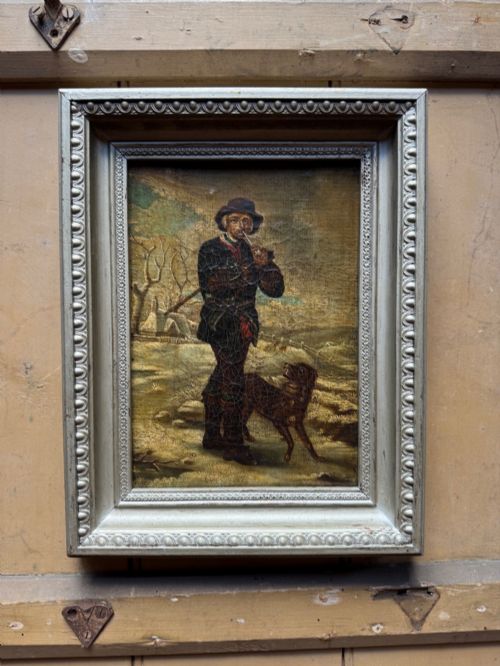
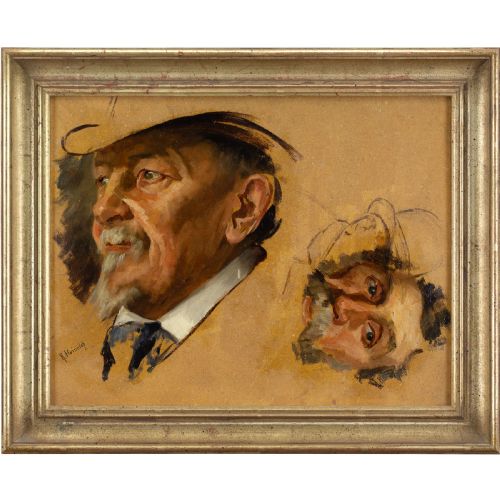
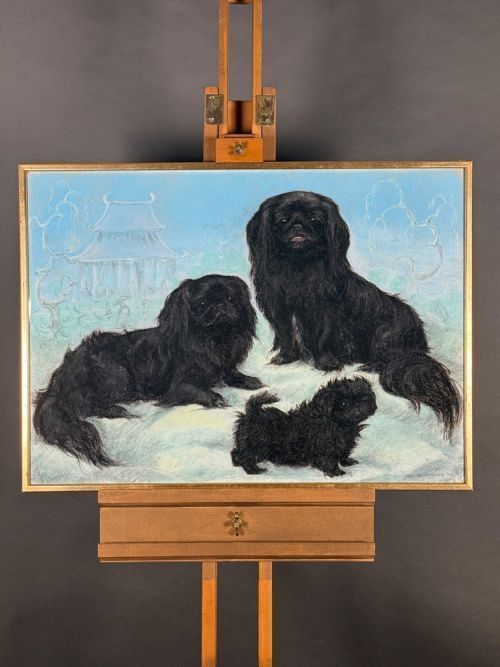
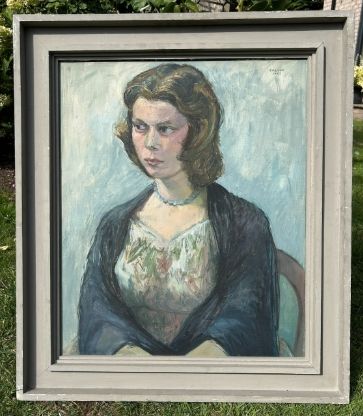
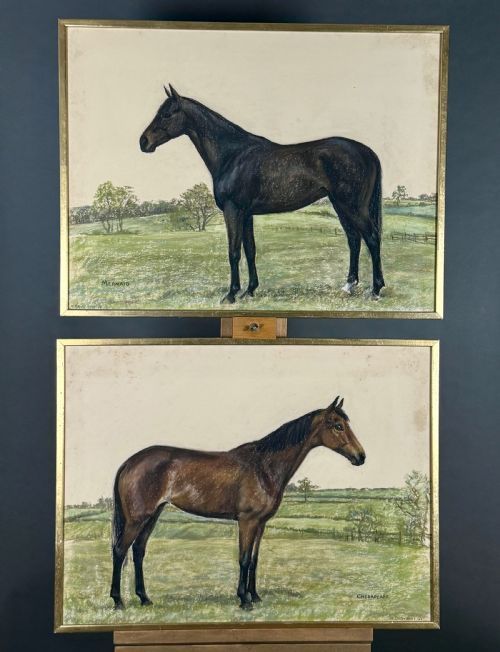
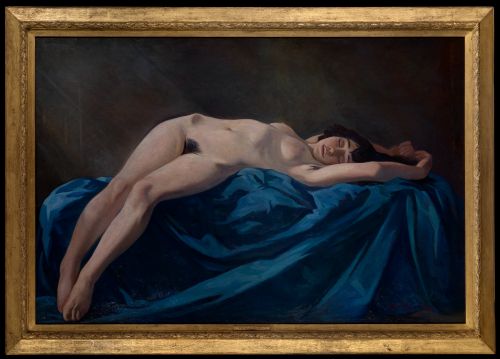
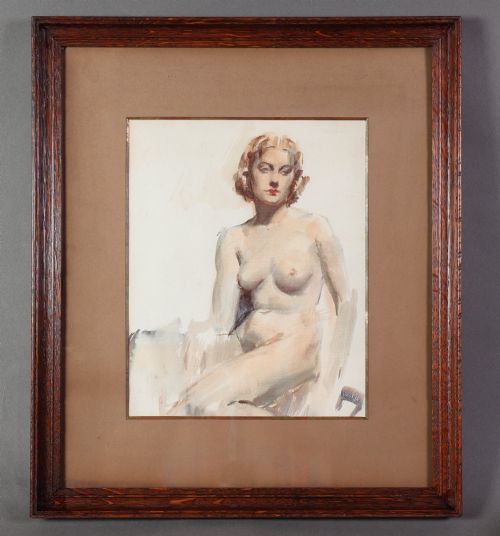
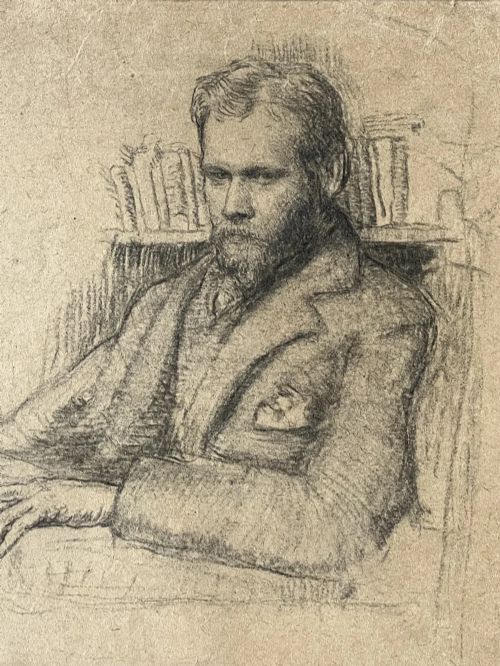
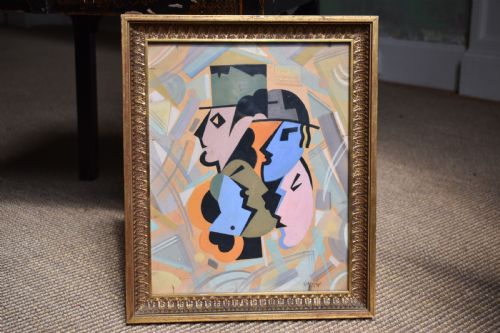
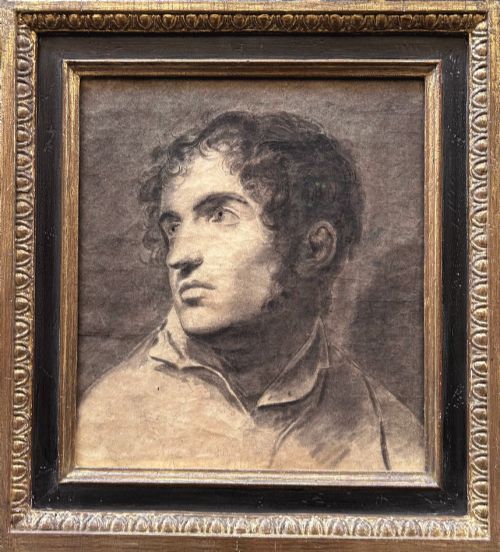
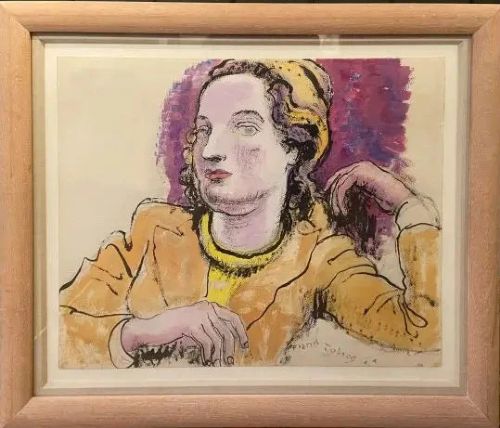
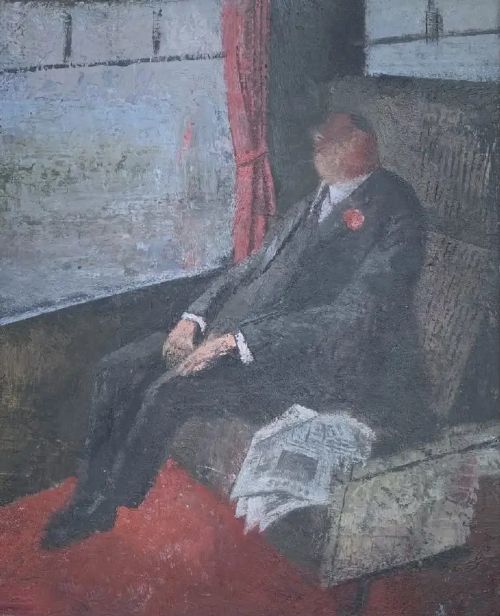
A vintage portrait study encompasses works executed in oil, watercolour, pastel, gouache, and pencil, capturing human figures, animal subjects, and academic life models.
The material spans the 18th, 19th, and 20th centuries, featuring British School and European academic traditions alongside naive folk art.
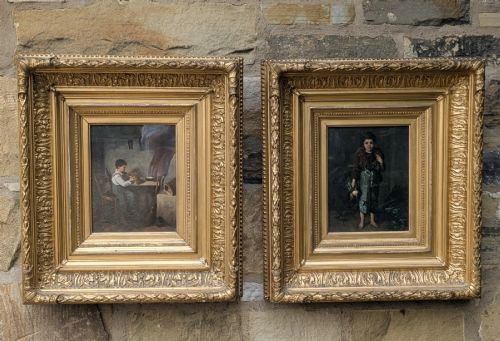
You are most likely to encounter mid-century watercolours, early 20th-century charcoal or pastel drawings on paper, and framed oil paintings on canvas or board.
How they were made
Artists worked directly onto canvas, paper, buff paper, or wooden panels utilising oil paint, watercolour, chalk pastel, gouache, and ink wash.
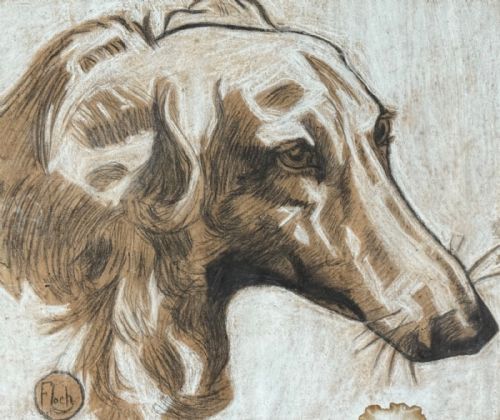
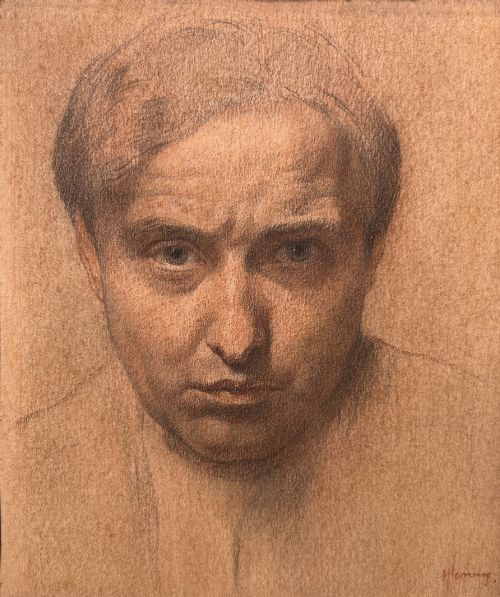
Many examples utilise the quick, direct application of pencil or charcoal to capture the immediate gesture of a sitter or academy model before developing the tonal values.
Beyond human sitters, artists eagerly turned their hand to capturing the distinct expressions of horses, dogs, and even a lion.
What varies in quality
Quality rests upon the sureness of the line and the artist's ability to render volume and expression economically within a preliminary or study format.
The distinction between a casual sketch and a finished study lies in the structural integrity of the composition and the sensitivity of the tonal handling.
Robert Heinrich·Kenneth Cozens·Eric Robertson·Augustus John·Frank Dobson·Oilver Messel·Herbert Johnson Harvey·Winifred Rymer·Ernest Payne·Henry Arthur Roberts·Alexandre-Louis Martin·Allan Douglas Davidson·Septimus Scott·Raoul Millais·Harry Epworth Allen·Roland Svensson·Valborg Goldschmidt·Muriel Metcalfe
The Vintage Portrait Study Glossary
- Academic Realism
- A style of painting and drawing produced under the influence of European academies of art, prioritising accurate anatomy and classical training.
- En Grisaille
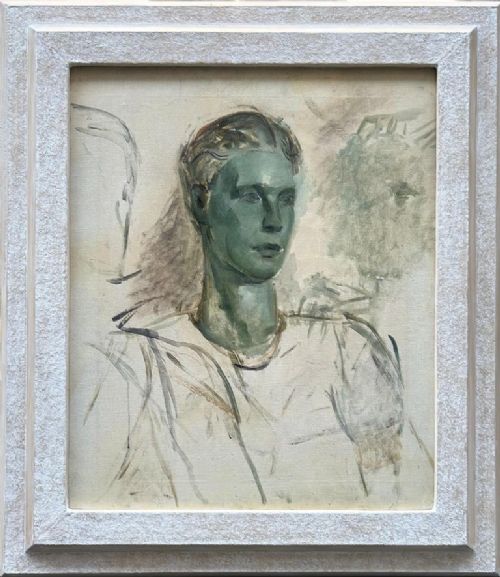
- A method of painting executed entirely in shades of grey or neutral monochrome to emulate sculpture.
- Gouache
- An opaque water-based paint consisting of pigment, water, and a binding agent such as gum, often used on tinted paper.
- Naive Folk Art
- Artwork created by individuals without formal academic training, characterised by a flat perspective and direct expression.
- Wash
- A thin, fluid layer of diluted watercolour or ink spread evenly across paper to create subtle background tones.
Vintage Portrait Study: Frequently Asked Questions
How do I care for works on paper?
Works executed on paper, such as watercolours, pastels, and pencil drawings, require careful protection from direct sunlight to prevent fading and discolouration of the support.
Keep them framed behind glass with adequate spacing to ensure the paper does not touch the glazing directly, which traps damaging moisture.
Can I identify the sitter?
Identifying the sitter depends entirely on whether the artist inscribed the reverse, margins, or mount with a name, date, or contextual note.
Many studies remain anonymous because they record anonymous life models, studio assistants, or family members rather than public figures.
Why are some studies unfinished?
Studies are often left deliberately unresolved because their primary purpose was to capture movement, expression, or anatomical structure quickly.
Collectors prize this unfinished quality for the direct insight it offers into the artist's working method and spontaneous hand.