

19th Century Sketch
These intimate works on paper capture the unpolished vision behind finished oils and grand canvases.
19th Century Sketch
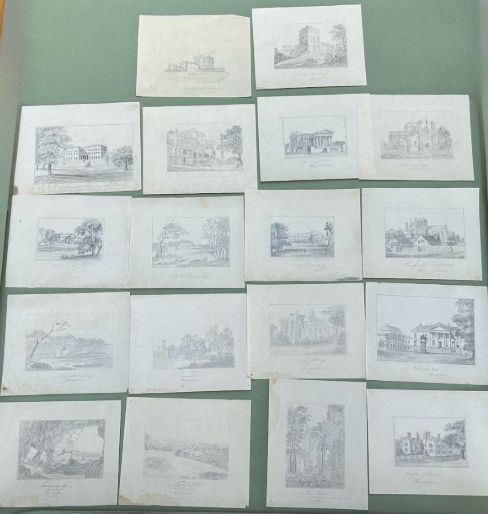
A 19th century sketch represents the preparatory thoughts, landscape recordings, and figure studies executed during the 1800s. These works document the direct observations of academic artists, amateur diarists, and travelling draftsmen recording architecture, marine views, and portrait sitters.
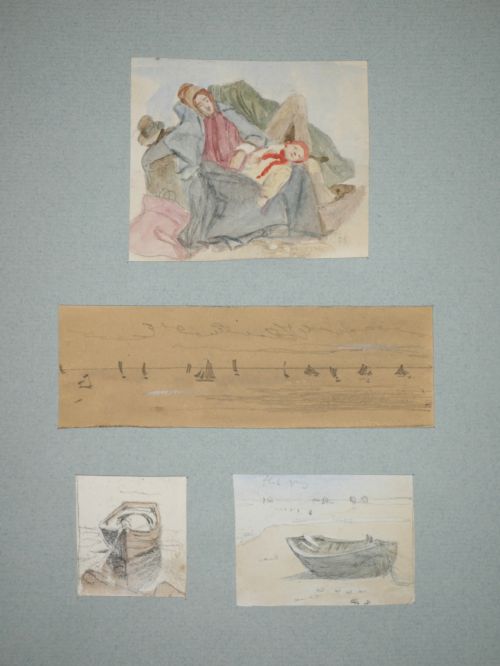
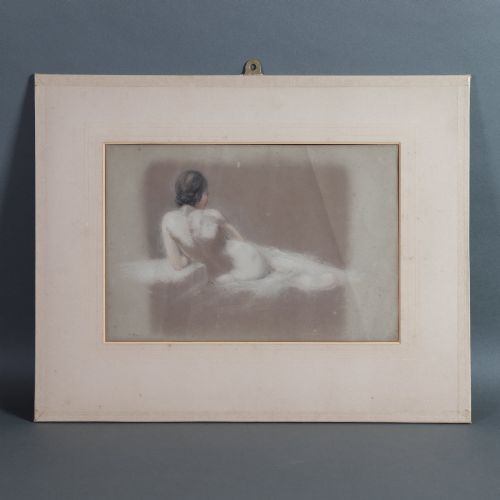
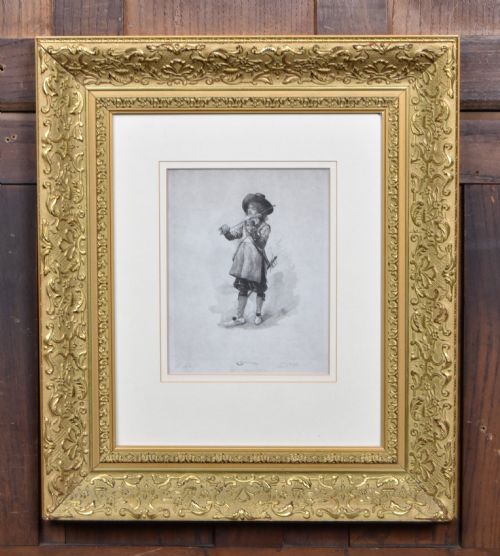
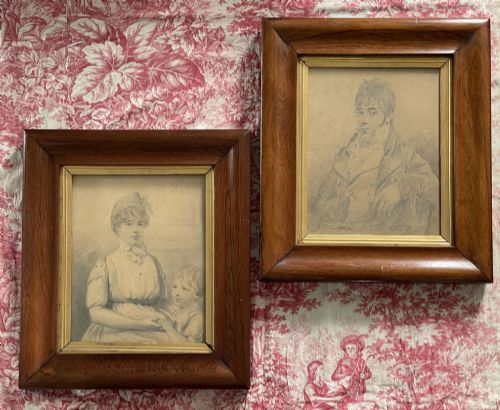
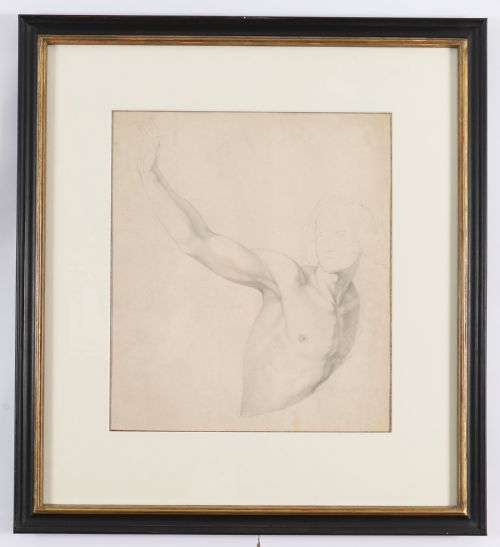
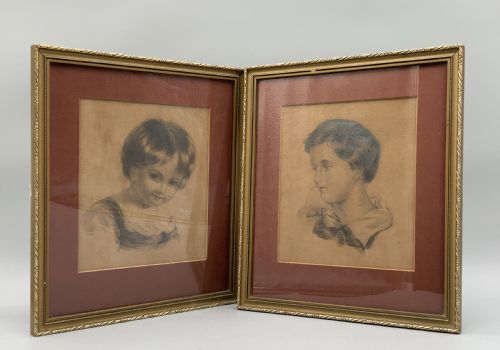
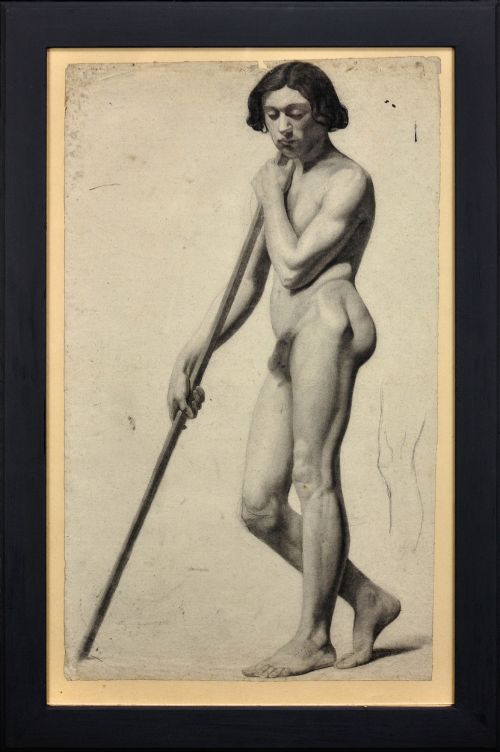
Buyers encounter rapid pencil outlines, detailed graphite studies, and fluid watercolour washes mounted from disbound sketchbooks or framed as independent wall art. The subjects range from Grand Tour landscapes and military scenes to academic life studies of the human form.
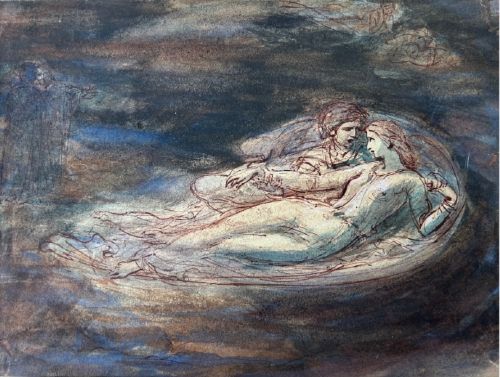
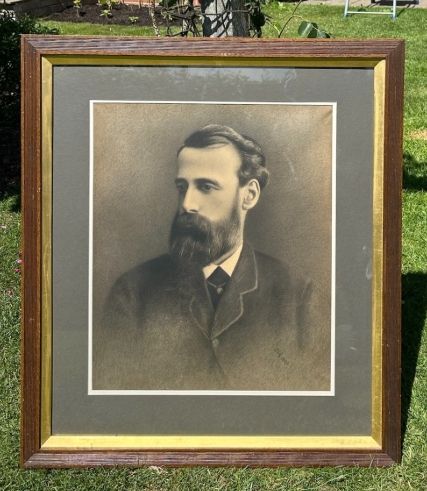
The material surface often reveals the immediate context of its creation, including artist inscriptions, studio dates, and watermark papers. Pieces frequently span regency portraiture through to late Victorian academic realism and symbolist compositions.
Materials and technique
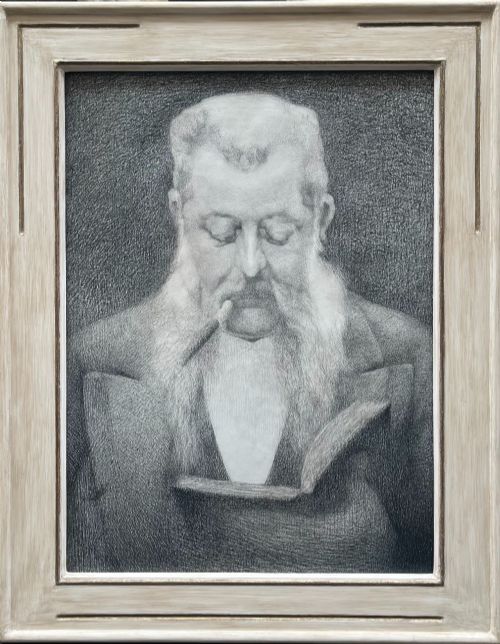
Draftsmen relied on graphite, charcoal, and chalk applied directly to various grades of paper to map form and shadow. Pencil and pen-and-ink lines provided the structural framework for quick notations taken in the field or studio.
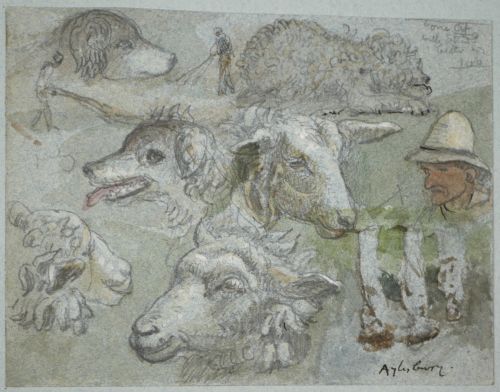
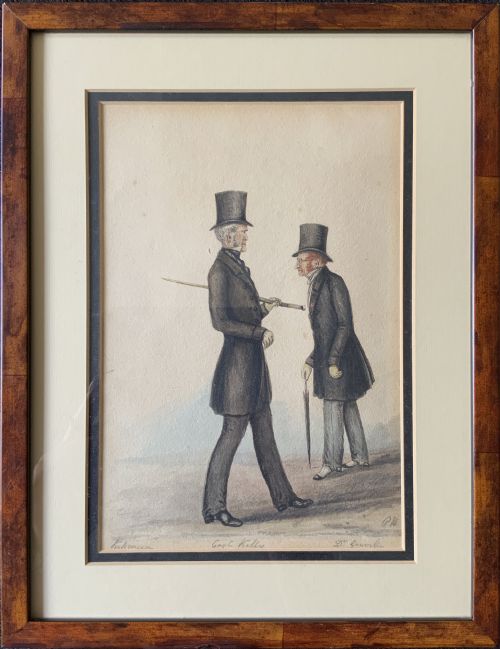
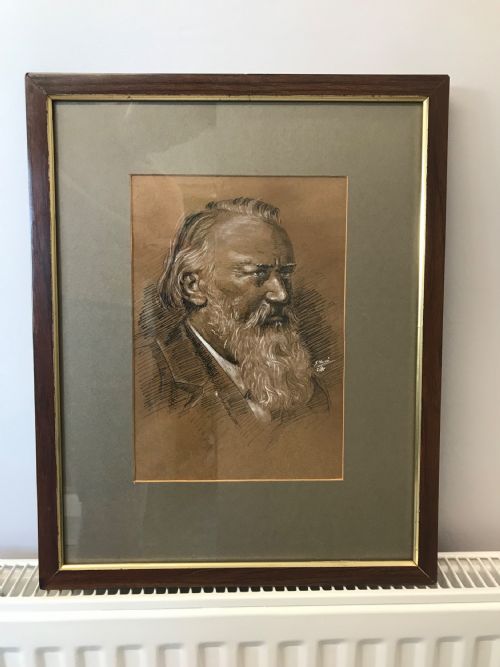
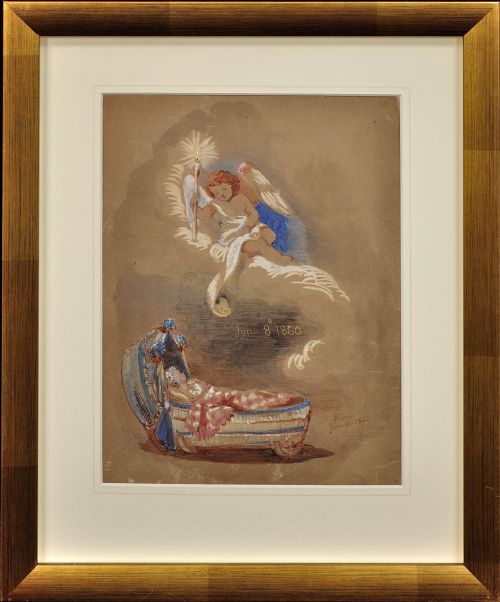
Watercolour and wash were frequently layered over pencil lines to build atmospheric depth in landscapes and maritime scenes. Highlights were occasionally added with gouache or white heightening to create contrast on tinted or grey papers.
Listings feature works spanning from early Regency landscapes to late Victorian symbolist portraits executed in graphite, ink, and watercolour.
Evaluating quality and hand
Quality rests in the economy of line and the confidence of the hand executing the strokes. A superior study demonstrates assured anatomical proportions or spatial perspective without excessive hesitation or heavy corrections.
The significance of the subject and the level of finish determine desirability among collectors. Fully articulated compositional studies carry greater visual information than faint margin notes, while documented provenance connects specific sheets to known hands or dated sketchbooks.
James Smetham·William Etty·Johannes Brahms·Henry Arthur Roberts·Princess Alice Maud Mary·William Frederick Settle·Alfred Dehodencq·Manet·Pierre Paul Prud'hon·William Edward Frost·Hercules Brabazon Brabazon·Sir Francis Leggatt Chantrey·Sir David Wilkie·Frederick Richard Pickersgill·David Roberts·Frances Wyndham Lady Burrell·Edwin Ridsdale Tate·Henry William Burgess
The 19th Century Sketch Glossary
- Grisaille
- A painting executed entirely in shades of grey or neutral monochrome. This technique was frequently employed for preparatory studies to establish tonal values before applying colour.
- Wash
- A thin, semi-transparent layer of diluted watercolour or ink applied to paper. It creates smooth backgrounds and atmospheric shadows in landscape sketches.
- Academic study
- A rigorous drawing or painting created from a live model or cast within an institutional training setting. These pieces demonstrate mastery of human anatomy and classical proportions.
- Mixed media
- An artwork combining two or more distinct artistic materials on a single support. Examples include graphite reinforced with pen and ink or watercolour highlights.
- Preparatory study
- A preliminary sketch or drawing produced in advance of a larger, finished oil painting or mural. They reveal the working method of the artist.
19th Century Sketch: Frequently Asked Questions
What is a 19th century sketch?
A 19th century sketch is an original work on paper created during the 1800s, functioning either as a preparatory study for a larger painting or as an independent observation of a landscape, figure, or architectural site.
These works were produced using media such as pencil, charcoal, ink, and watercolour, often preserved within period sketchbooks or mounted for display.
How were these sketches used?
Artists utilised sketches to record natural phenomena, architectural details, and human anatomy for future studio compositions. Travellers and amateurs also kept sketchbooks to document their journeys and daily surroundings during the Victorian era.
Many sheets served as finished records of a specific place or sitter rather than preliminary steps for oil paintings.
How should I frame a paper sketch?
Paper sketches require conservation mounting using acid-free materials to prevent discolouration and degradation over time. Keeping the artwork away from direct sunlight protects fugitive watercolours and graphite from fading.
Glazing with UV-filtering glass ensures the delicate pigments and paper supports remain stable in domestic interiors.
How do I identify the period of a drawing?
Dating relies on examining the watermark of the paper stock, the framing style, and the costume or architectural details depicted within the scene. Inscribed dates, artist signatures, and collector stamps on the reverse provide definitive chronological markers.
Stylistic conventions, such as the loose wash of the Regency period or the rigorous hatching of Victorian academic studies, also indicate the era of execution.