
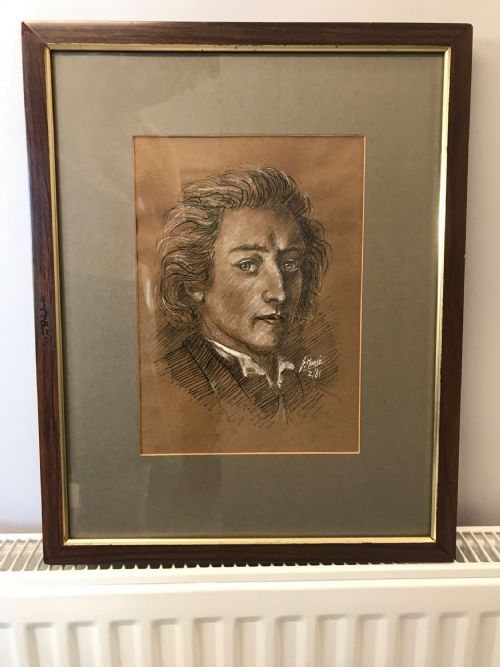
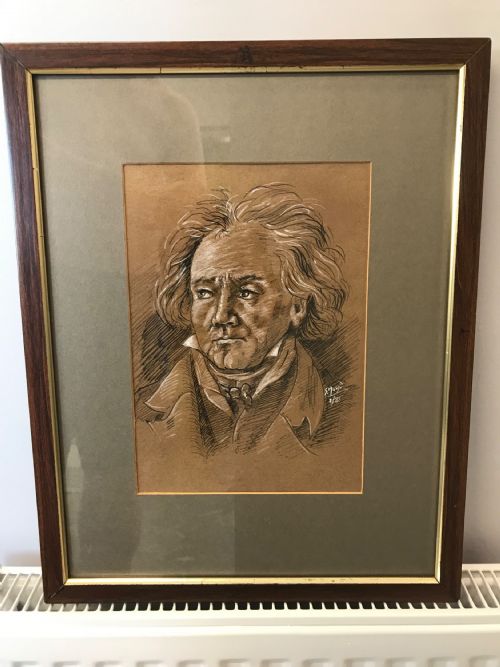
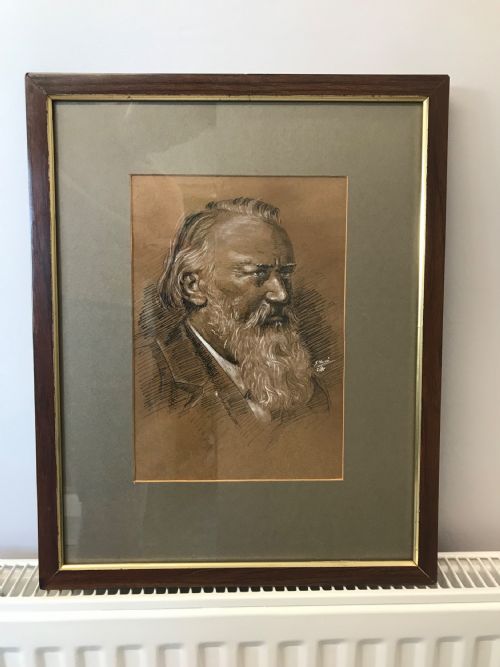
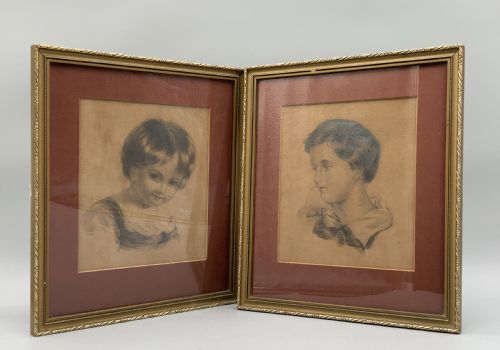
Brown Paper Portrait
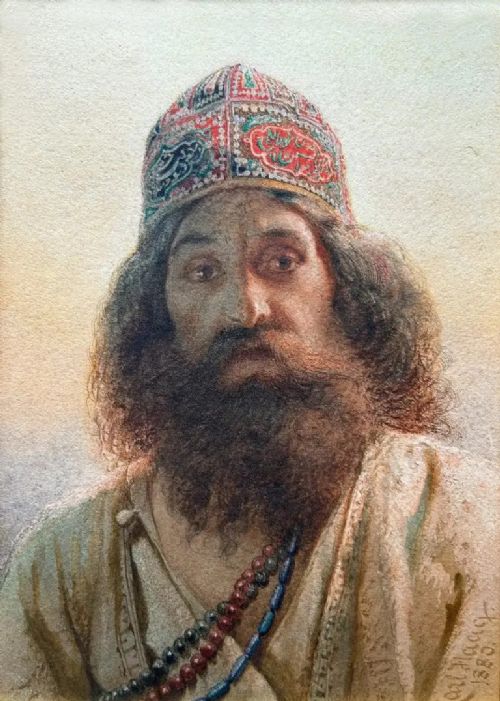
Brown paper portrait works capture subjects on toned paper, offering collectors a warm, immediate record ranging from Georgian studies to Art Deco animal illustrations.
Brown Paper Portrait
A brown paper portrait centres on works executed on tinted, buff, or brown paper supports, capturing subjects through various drawing and painting media.
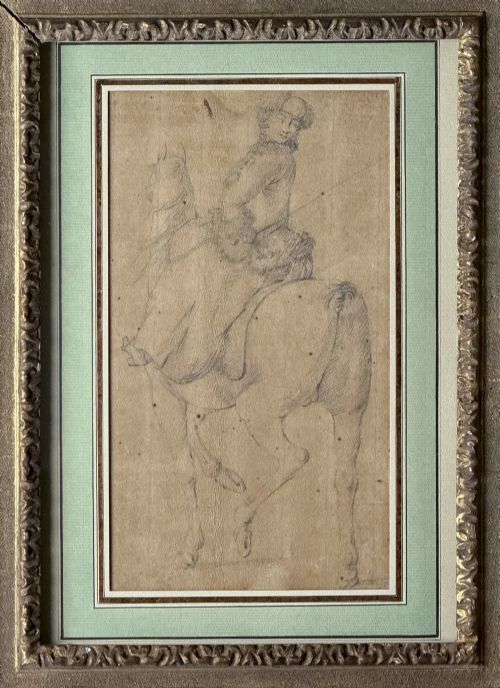
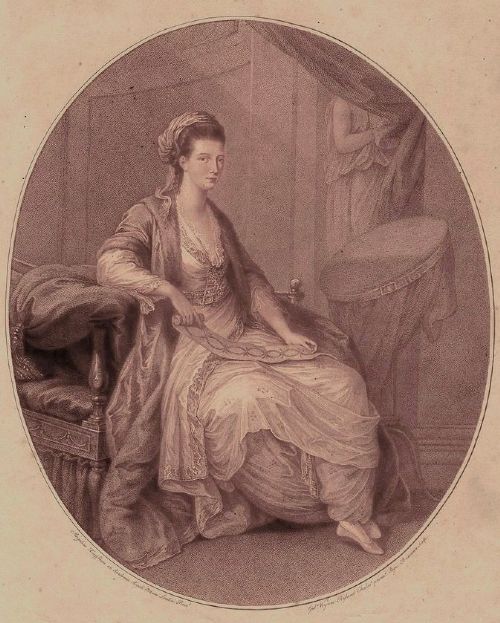
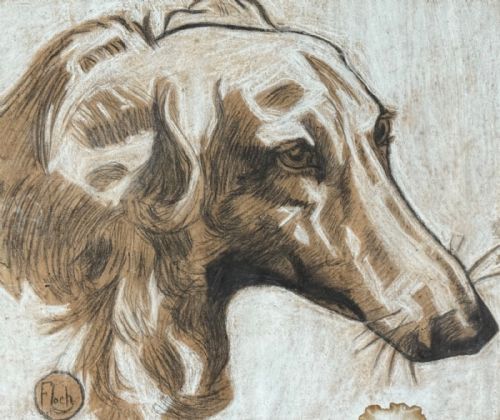
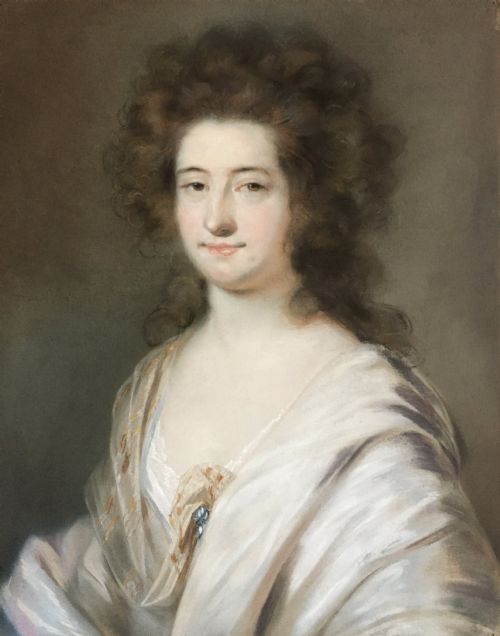
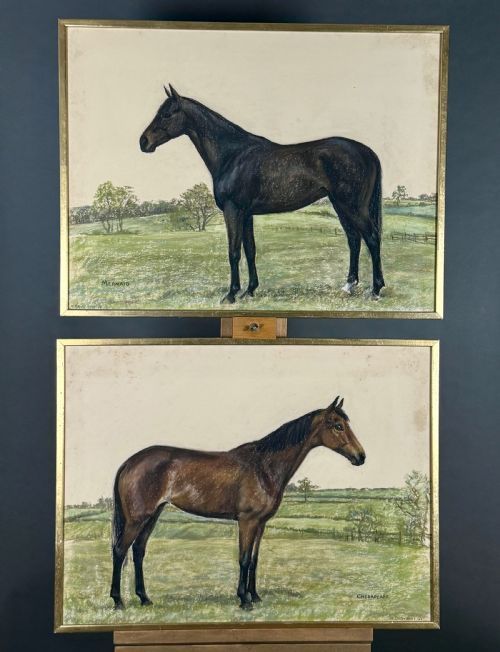
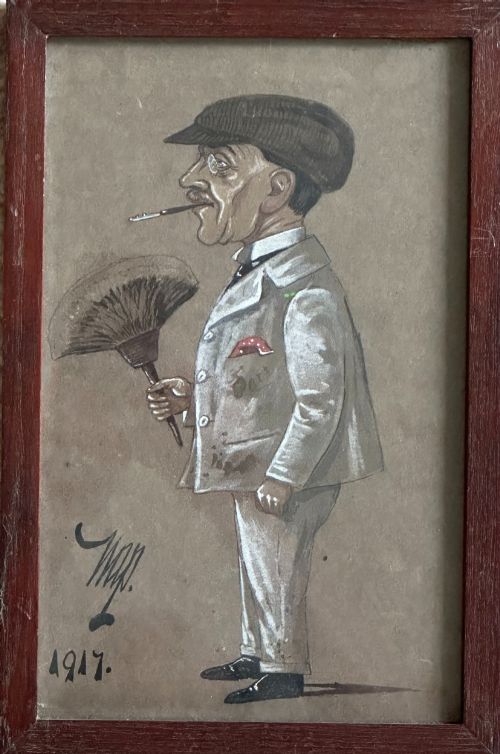
The selections span from 18th-century Northern European equestrian studies and pastel likenesses to early 20th-century caricatures and Art Deco animal drawings.
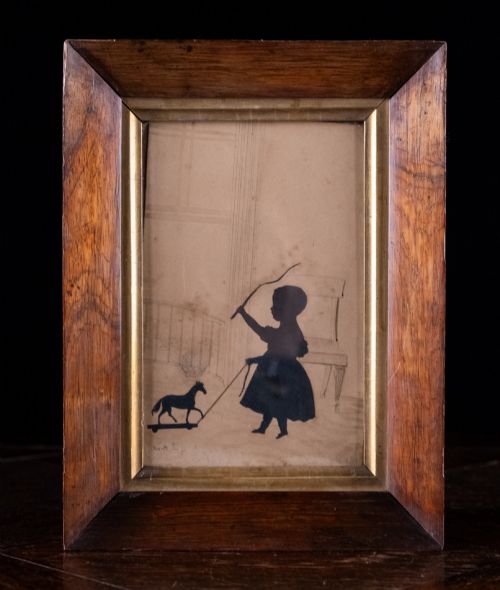
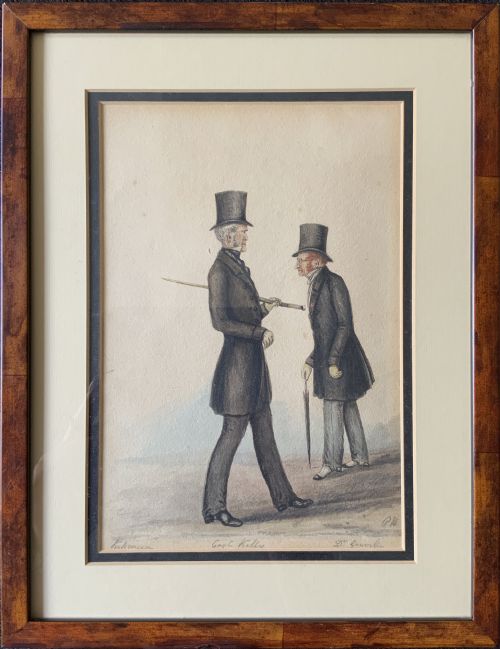
Buyers encounter framed drawings, watercolours, and silhouette pictures framed in wood and protected by glass.
How they were made
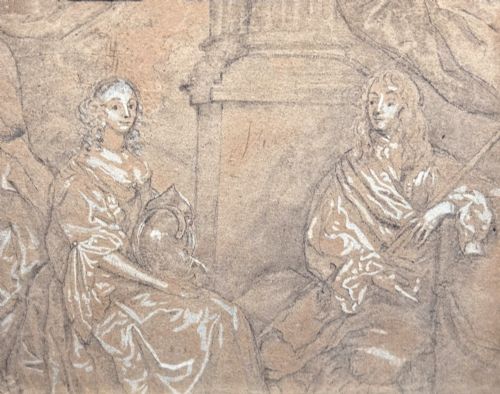
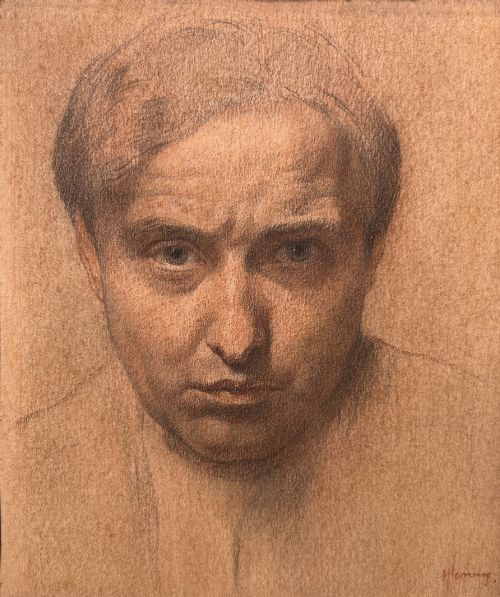
Artists utilised paper as a mid-tone surface, applying charcoal, graphite, chalk, and pastel to build up highlights and shadows efficiently.
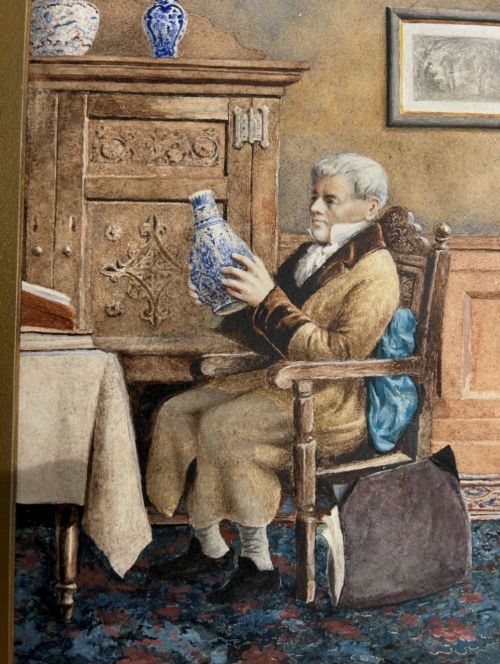
Watercolour, gouache, and pen ink wash were frequently layered over the paper support to add depth and opacity to the portraits.
Framed works combined wood mouldings with glass protection to preserve the delicate pigment and paper substrates from atmospheric degradation.
Listings feature works spanning the 18th, 19th, and early 20th centuries, executed in pastel, watercolour, graphite, and gouache on paper.
What varies in quality
The skill of the draughtsman dictates the vitality of the line, distinguishing confident anatomical execution from stiff or hesitant rendering.
The preservation of the paper support and the vibrancy of fugitive media like pastels and watercolours determine the visual impact of the piece.
Henry Stacy Marks·John Russell·Augustin Edouart·Carl Haag·Peter Lely·Herbert Johnson Harvey·Frédéric Chopin·Ludwig van Beethoven·Johannes Brahms·Thomas Lawrence·Helena Maguire·Adrian Jones·Leonardo Morello·Linnie Watt·William Henry Hunt·Henri Josephe Hesse·George Richmond·Nathaniel Dance-Holland·Juliet Pannett
The Brown Paper Portrait Glossary
- Buff paper
- A pale brownish-yellow paper stock that serves as a neutral mid-tone background for pastel and chalk drawings.
- Gouache
- An opaque water-based paint that provides solid, matte areas of colour on paper supports.
- Pastel
- A medium consisting of powdered pigment and a binder, allowing for soft blending directly on the paper surface.
- Silhouette
- A solid dark profile portrait, often cut from paper or painted on card, popular in the Georgian and Victorian periods.
Brown Paper Portrait: Frequently Asked Questions
What is a brown paper portrait?
A brown paper portrait is a drawing or painting executed on tinted paper stock, which allows the artist to use white highlights effectively.
These pieces range from 18th-century pastels to 20th-century character studies and animal drawings.
How should I frame works on paper?
Works on paper require framing behind glass with a mount that keeps the surface from touching the glazing directly.
This prevents moisture accumulation and protects delicate pastel, charcoal, or watercolour pigments from environmental damage.
How do I identify the period of a portrait?
Dating relies on costume details, framing styles, and the specific handling of the drawing media characteristic of particular eras.
Victorian and Georgian works often exhibit distinct paper watermarks, handwriting on the reverse, or traditional framing methods.
Were these portraits made as studies or finished pieces?
Artists created works on tinted paper both as preliminary compositional studies and as finished exhibition pieces.
Toned paper allowed portraitists to capture quick likenesses with heightened tonal contrast during sittings.