

Antique Art Portrait
An antique art portrait captures the likeness and presence of historical figures through centuries of fine painting, drawing viewers into the intimate gaze of past lives.
Antique Art Portrait
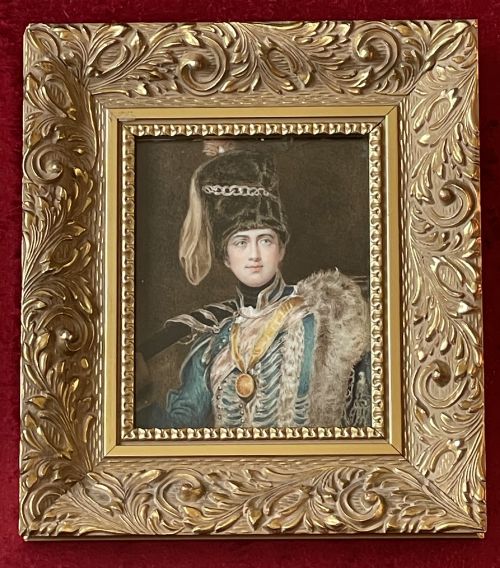
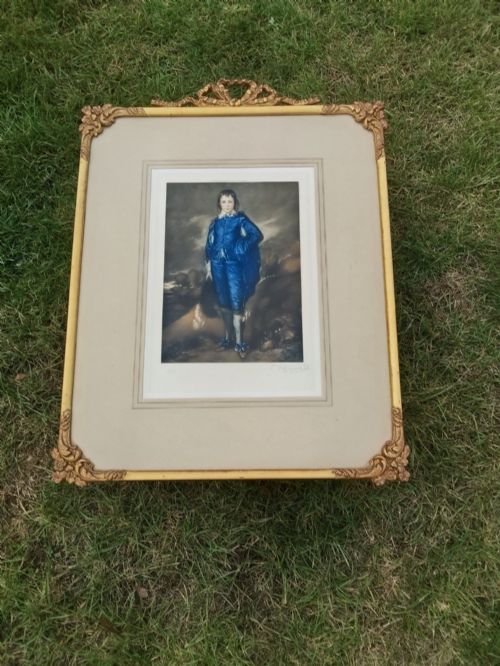
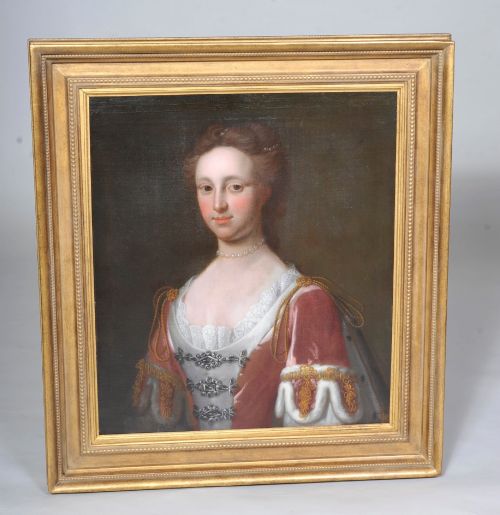
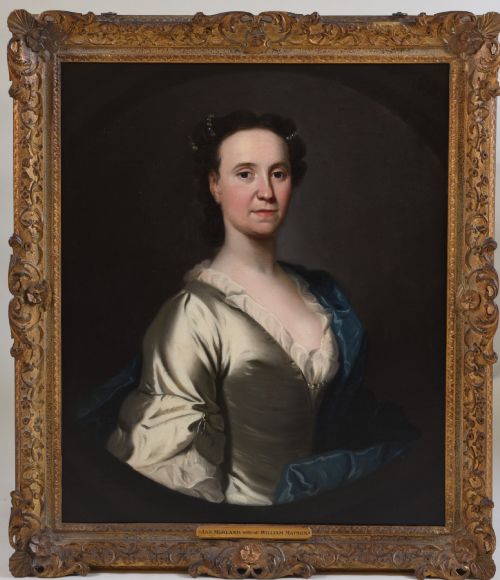
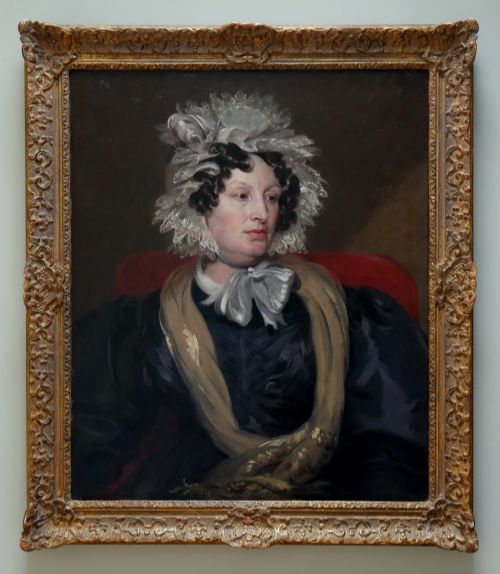
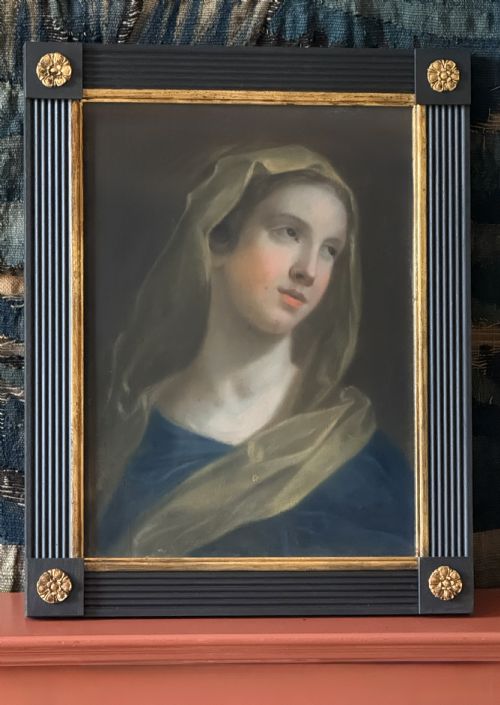
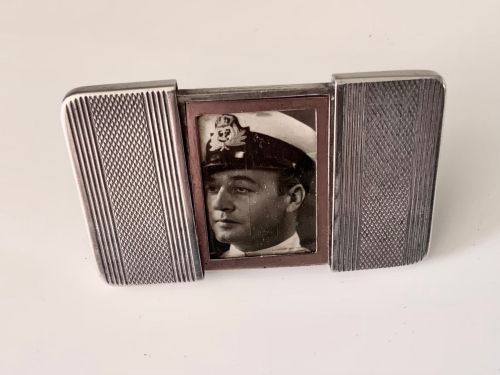
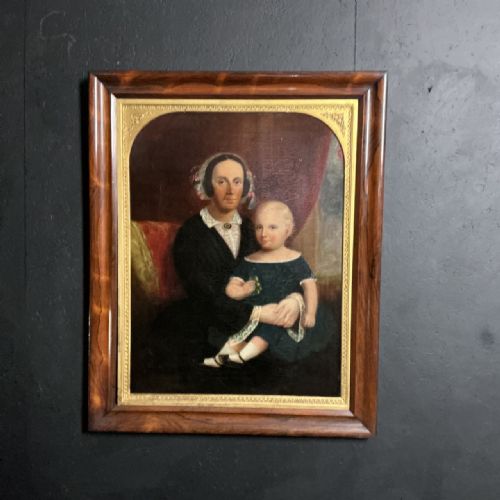
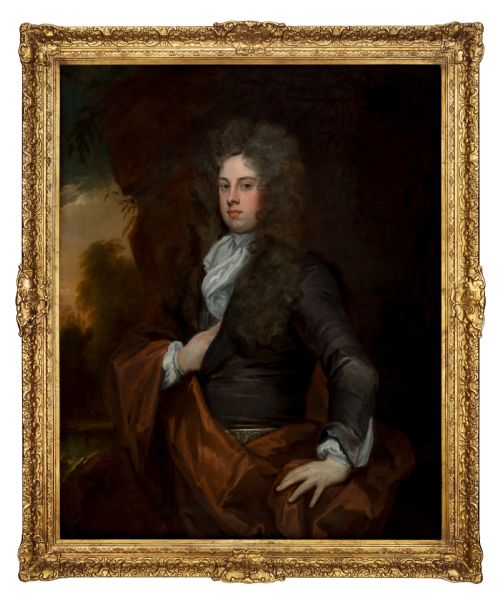
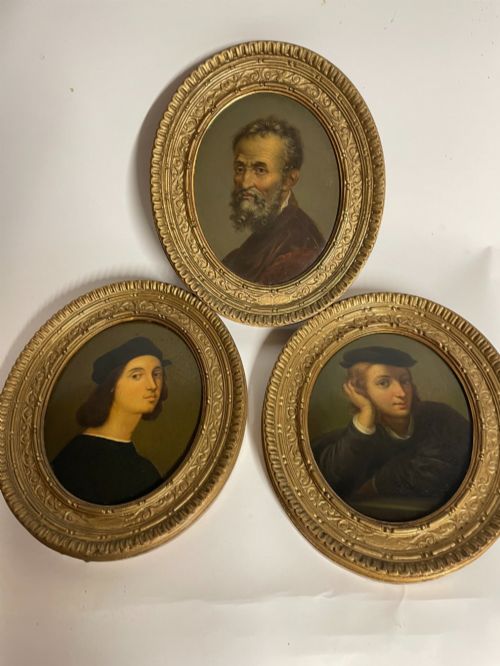
When you search for an antique art portrait, you encounter painted likenesses spanning from the sixteenth century to the mid-twentieth century, including works from the Dutch Golden Age, Italian Renaissance, and British schools.
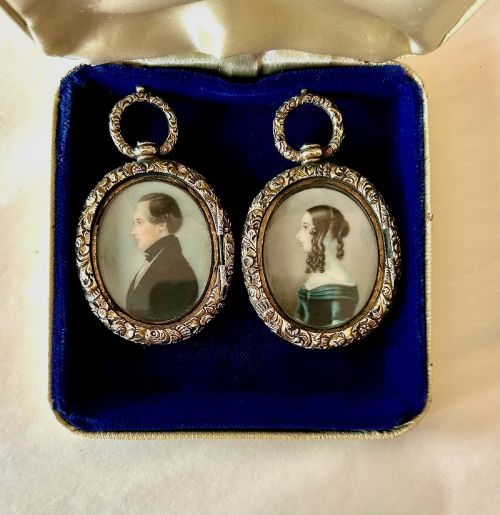
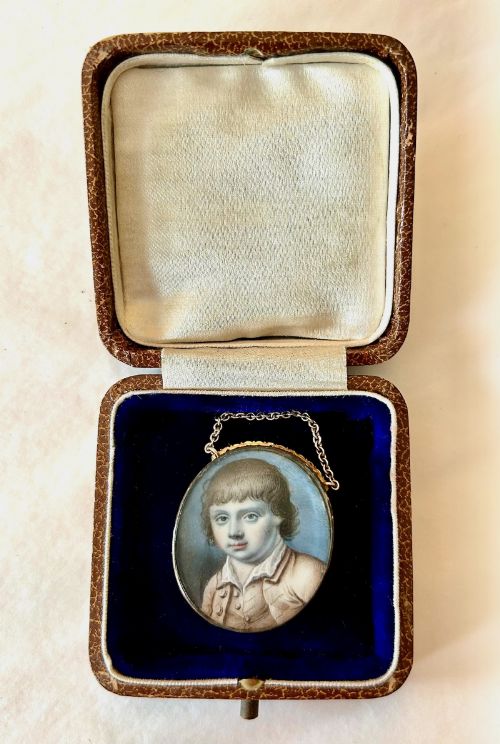
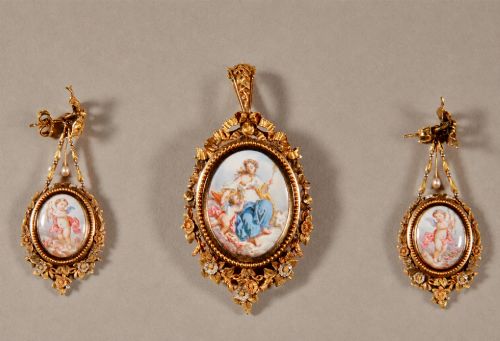
The most common representations on this page are oil paintings on canvas or panel, alongside detailed portrait miniatures and sculptural busts created across the seventeenth, eighteenth, and nineteenth centuries.
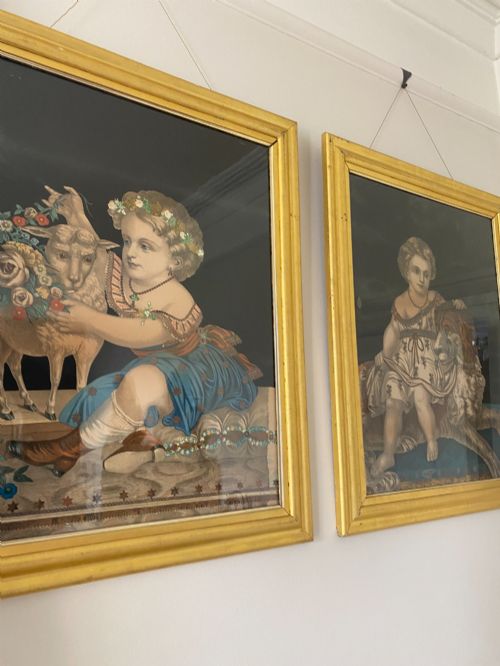
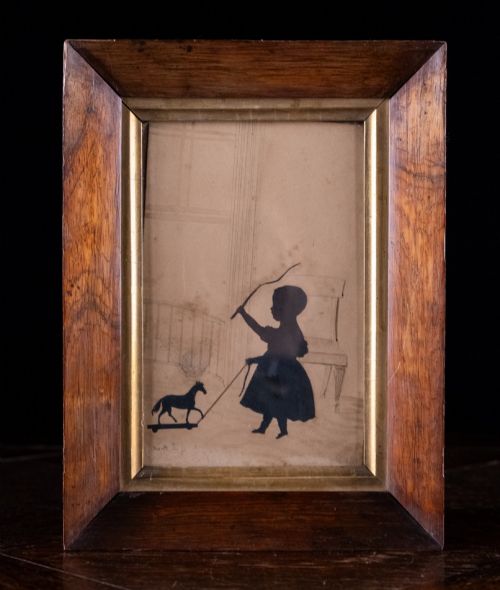
These works portray nobility, officers, children, and scholars, reflecting the shifting social aspirations and artistic conventions of their respective eras.
Materials and construction
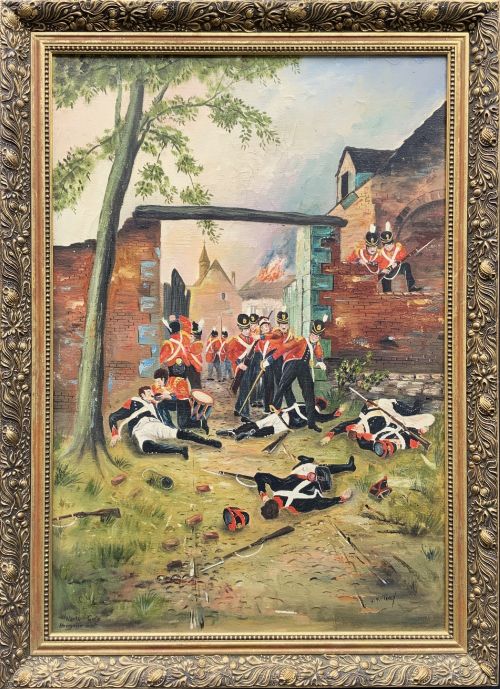
Makers built these pieces primarily using oil paint applied to stretched canvas or wooden panels, often incorporating rich pigments for garments and gold leaf or giltwood for framing.
Miniatures and specialised plaques utilise delicate painting techniques on materials such as paper, porcelain, or terracotta, supported by skilled polychrome glazing and detailed carving.
Frames and supports range from simple wooden stretchers to elaborate gilded mouldings that complement the prevailing baroque, regency, or Victorian aesthetic of the period.
Antique Art Portrait Retail Price Guide 2026
Typical asking prices for art portrait among the pieces listed under this phrase on Sellingantiques today, from the lower quarter to the upper quarter. They describe what is for sale here now, not the wider market.
Several noble sitters share space with pampered spaniels, Persian cats, and carriage horses that clearly stole the painter's heart.
Assessing craftsmanship
Studio pieces and works by followers often demonstrate competent execution, whereas works directly attributed to master painters or prominent regional schools display superior handling of light, shadow, and fabric textures.
Sir Godfrey Kneller·Sir Peter Lely·Lavinia Fontana·Charles Jervas·Goldscheider
The Antique Art Portrait Glossary
- Portrait miniature
- A small, highly detailed painting on paper, vellum, or ivory, often housed in a protective case for personal portability.
- Oil on panel
- A painting executed on a prepared wooden board rather than canvas, frequently seen in earlier centuries.
- Mezzotint
- A printmaking process of the intaglio family where tones are developed by roughening the metal plate with thousands of small dots.
- Ruff collar
- A prominent pleated starched collar worn by nobility during the sixteenth and seventeenth centuries, depicted with intricate detail in formal portraits.
- Studio of
- A designation indicating a work produced by assistants or pupils under the direct supervision of a master artist.
Antique Art Portrait: Frequently Asked Questions
How do I date an antique portrait?
Dating relies primarily on the style of clothing, hair, and collar ruffs depicted in the artwork, alongside the framing materials and stretcher construction on the reverse.
Comparison with documented works by known schools or studios helps narrow the decade of creation.
What is the difference between a studio work and an original?
An original painting is executed entirely by the named master, whereas a studio work is produced by assistants in the master's workshop under their supervision.
Both hold historical value, though fully autographed pieces by major artists command greater attention from collectors.
Where were these portraits displayed historically?
Wealthy patrons hung large oil portraits in the grand halls, libraries, and galleries of country estates and townhouses to display lineage and status.
Smaller miniatures were kept in private chambers or carried on the person as tokens of affection or remembrance.
How should I care for an oil portrait?
Keep the painting away from direct sunlight, high humidity, and extreme temperature fluctuations to prevent cracking in the canvas and paint layers.
Dust the surface gently with a soft, dry brush and avoid applying liquid cleaners or solvents to the aged varnish.