
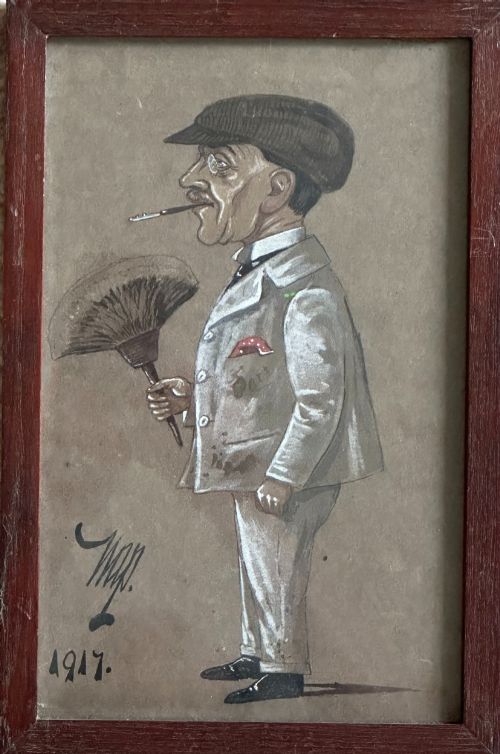
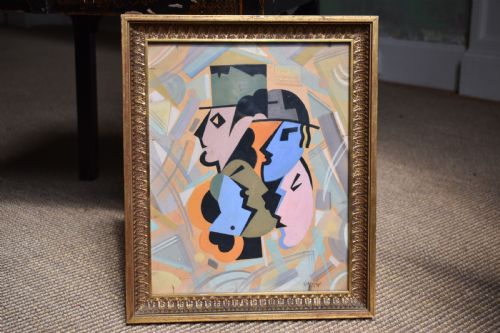
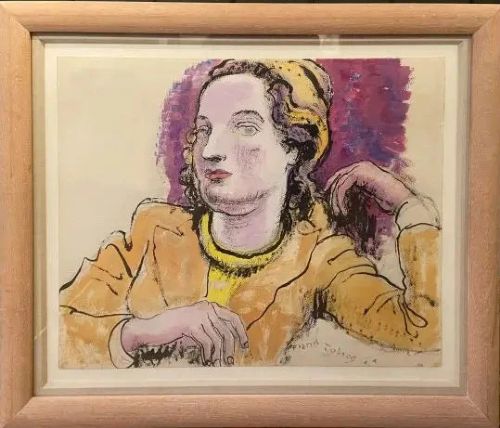
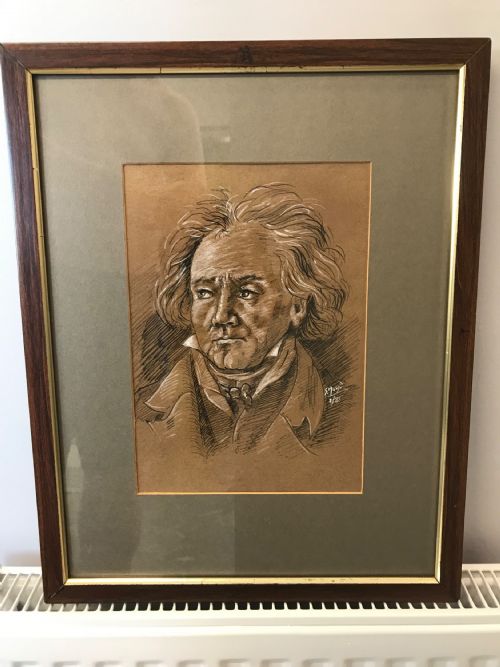
Vintage Portrait Illustration
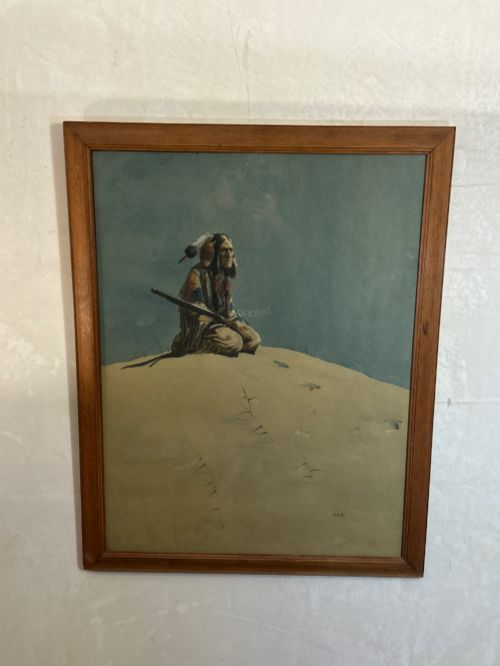
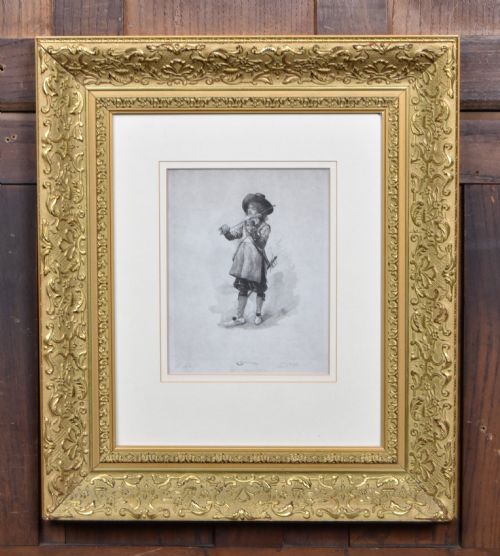
Vintage portrait illustration brings together drawn and painted likenesses from the nineteenth and twentieth centuries, offering character and history for wall display.
Vintage Portrait Illustration
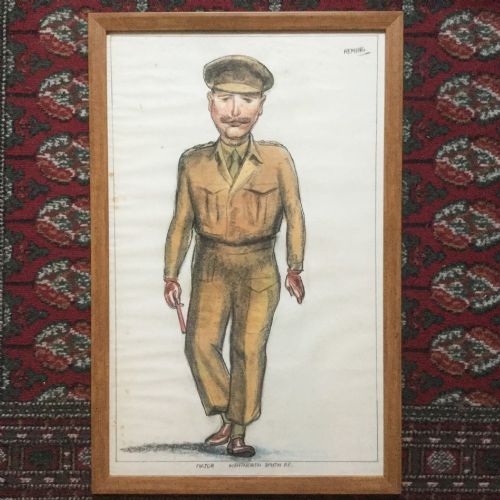
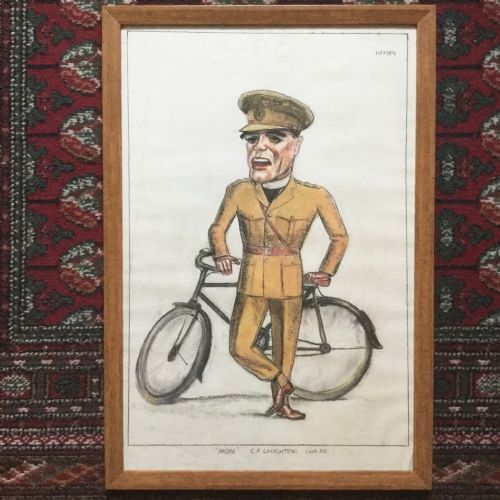
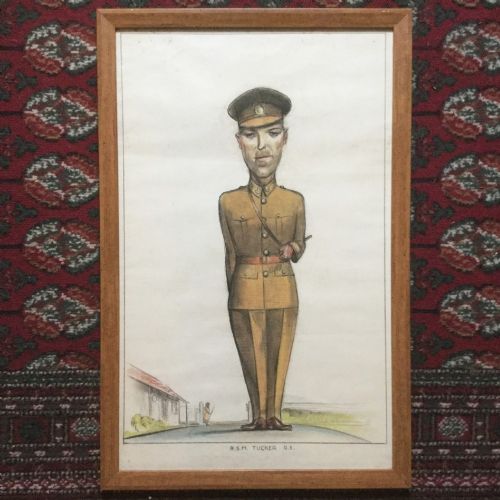
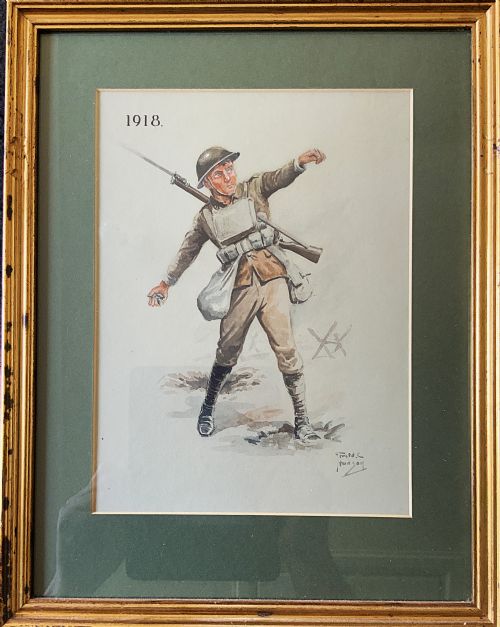
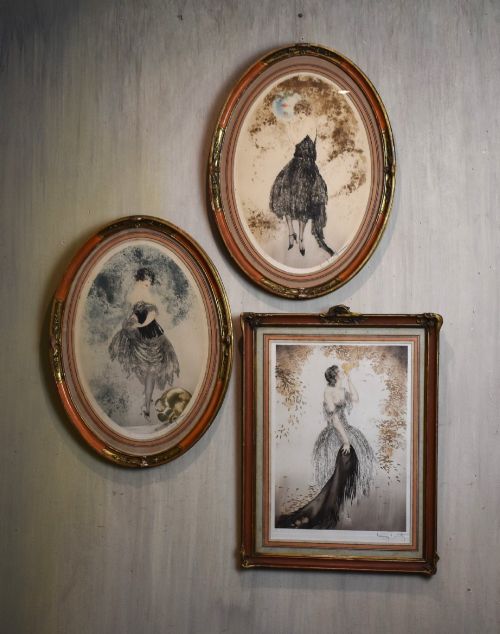
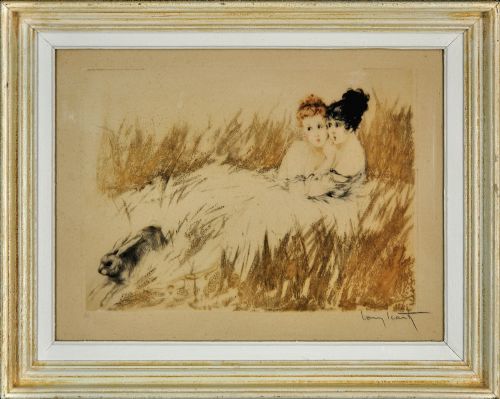
When you search for vintage portrait illustration, you encounter works on paper executed in watercolour, gouache, ink, graphite, and pastel. These pieces capture human subjects, animals, and military figures across periods spanning the Victorian era through the mid-twentieth century.
The selection most frequently delivers framed artwork, paintings, and drawings reflecting styles such as Art Deco, Edwardian, and Modern British. Many examples combine graphic immediacy with traditional portraiture, showing how artists recorded individuals and scenes over decades.
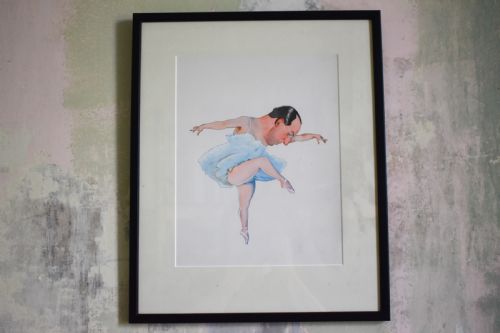
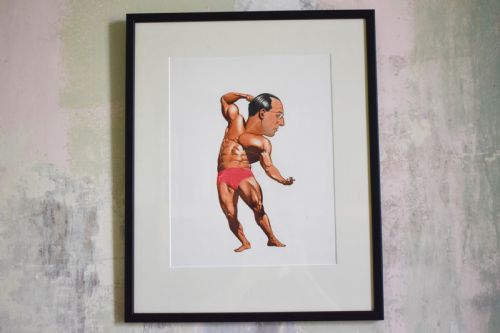
Works range from intimate wartime sketches and caricatures to finished watercolours and etchings by listed artists. Each piece provides a direct link to past draughtsmanship and personal representation.
Materials and techniques
The pieces rely on paper supports, ranging from buff paper to heavier sheets, receiving mediums such as watercolour, gouache, ink, and pencil. Artists also utilised pastel and oil pastels to build texture and tone.
Many works incorporate mixed media, combining pen ink wash with gouache or pairing graphite underlayers with watercolour washes. Etchings appear alongside hand-coloured prints and original ink studies.
Vintage Portrait Illustration Retail Price Guide 2026
Typical asking prices for vintage portrait illustration among the pieces listed under this phrase on Sellingantiques today, from the lower quarter to the upper quarter. They describe what is for sale here now, not the wider market.
Listings feature works spanning the nineteenth century through the 1950s, executed in watercolour, gouache, ink, graphite, and pastel.
Quality factors in works on paper
Quality rests upon the sureness of the line, the handling of the medium, and the expressive capture of the subject. A confident ink stroke or a nuanced watercolour wash elevates a study far above a stiff mechanical rendering.
The relationship between the subject and the frame matters, as period framing supports the context of the piece. Preservation of the paper surface without excessive fading or damage preserves the visual impact of the work.
John Hassall·Frank Dobson·Louis Icart·Septimus Scott·Georges Goursat·Raoul Millais·Lucien Freud·John Duncan Fergusson·Dame Laura Knight
The Vintage Portrait Illustration Glossary
- Gouache
- An opaque watercolour paint that dries to a matte finish, allowing artists to build solid areas of colour and sharp highlights on paper.
- Etching
- A printmaking technique where lines are bitten into a metal plate with acid before ink is applied and pressed onto paper.
- Wash
- A thin, transparent layer of diluted watercolour or ink spread across paper to create smooth backgrounds or tonal depth.
- Pastel
- A drawing medium consisting of powdered pigment bound into sticks, producing velvety colour fields that require careful framing behind glass.
Vintage Portrait Illustration: Frequently Asked Questions
What is the difference between a sketch and a finished painting?
A sketch captures rapid observation and preparatory thought, often displaying visible pencil lines and looser brushwork.
Finished paintings present more resolved detail, deliberate colour mixing, and a complete compositional structure intended for immediate display.
How do I identify the period of a portrait?
Clothing styles, hairstyles, and framing materials provide the clearest visual markers for dating nineteenth and twentieth-century works.
Signatures, inscriptions, and paper types recorded on the reverse or front also assist in narrowing down the decade.
Can I find animal portraits in this category?
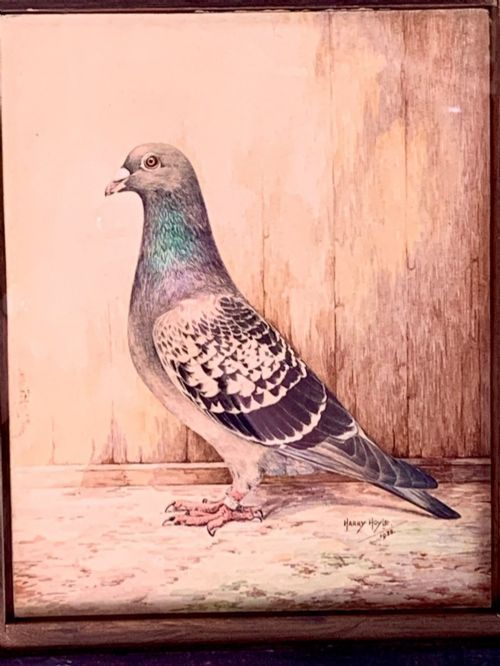
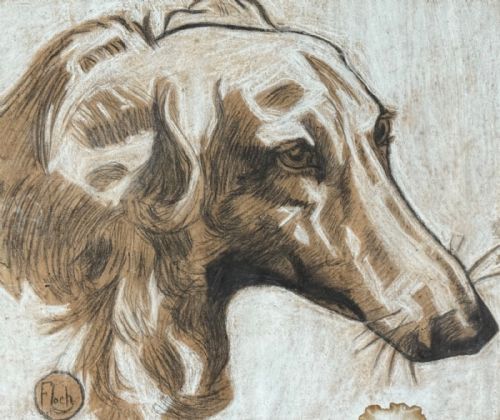
Artists frequently turned their attention to animals, producing studies of dogs, cats, and birds in watercolour, pastel, and ink.
These animal subjects range from natural art and caricatures to detailed portraits matching the styles of human portraiture.