



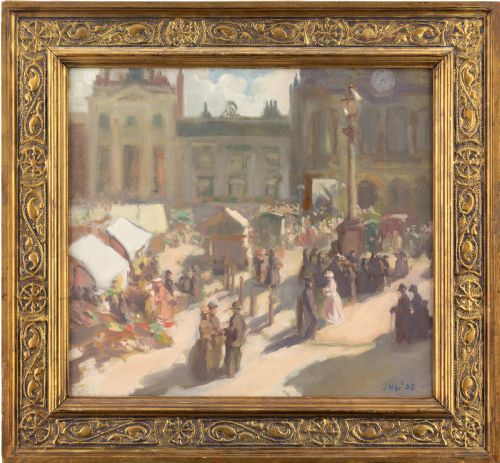
Twentieth Century Oil Painting
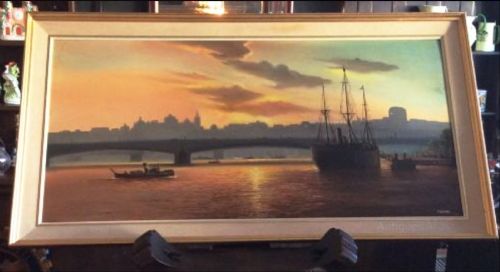
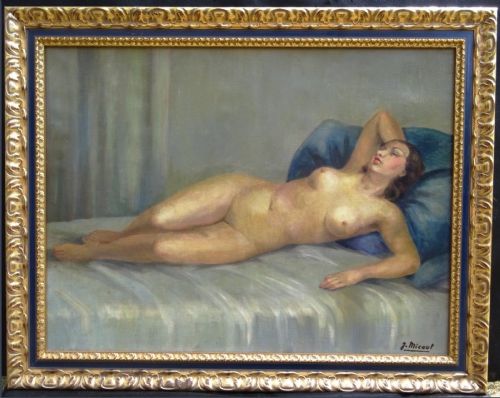
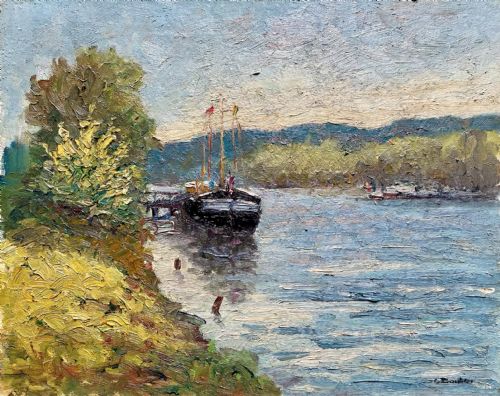
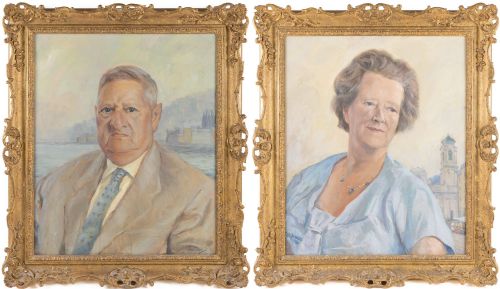
When you search for twentieth century oil painting, you encounter canvases and panels capturing landscapes, portraits, and street scenes from across the decades.
Twentieth Century Oil Painting
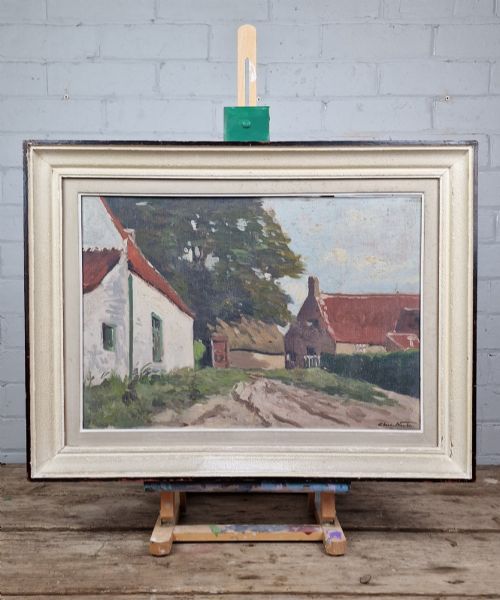
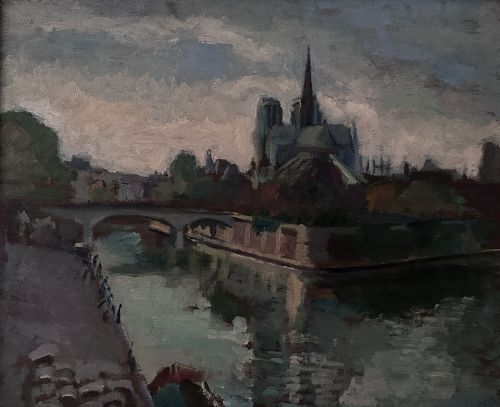
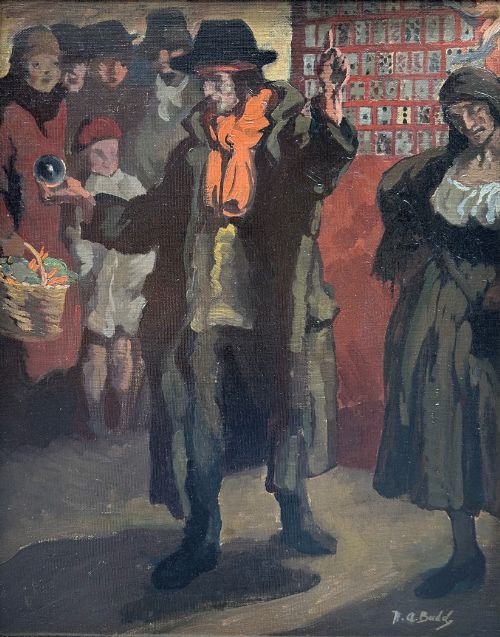
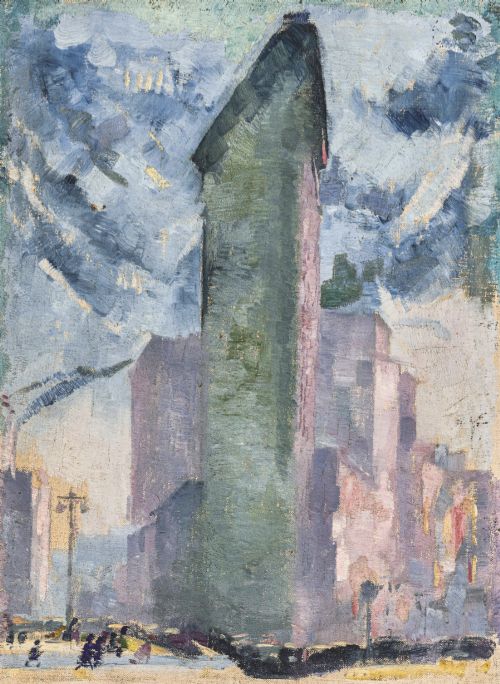
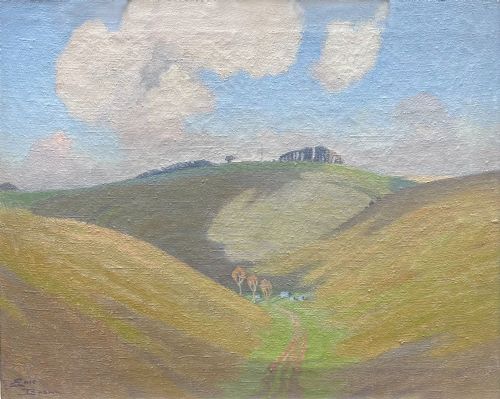
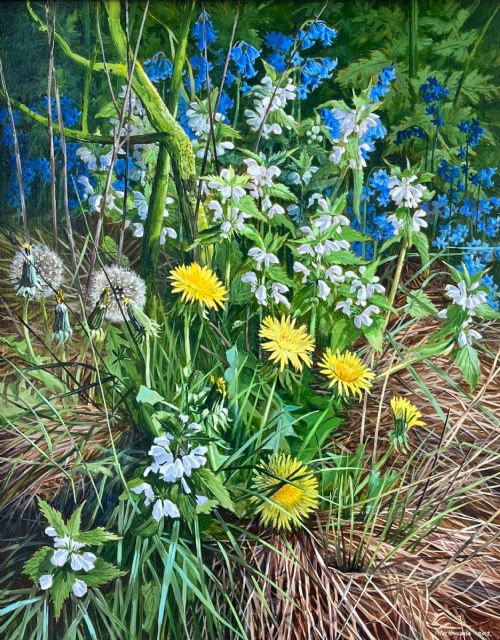
A twentieth century oil painting brings together works produced across various decades, ranging from early Edwardian scenes to mid-century abstractions and realism. The pieces on this page span styles such as Post-Impressionism, British Impressionism, and Mid-Century Realism, reflecting shifts in artistic vision throughout the era.
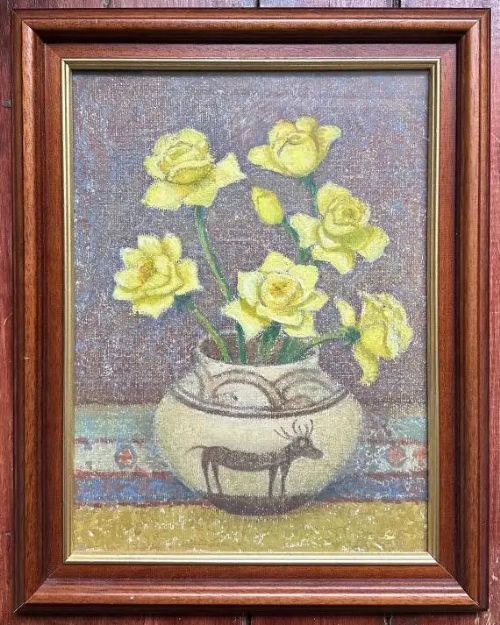
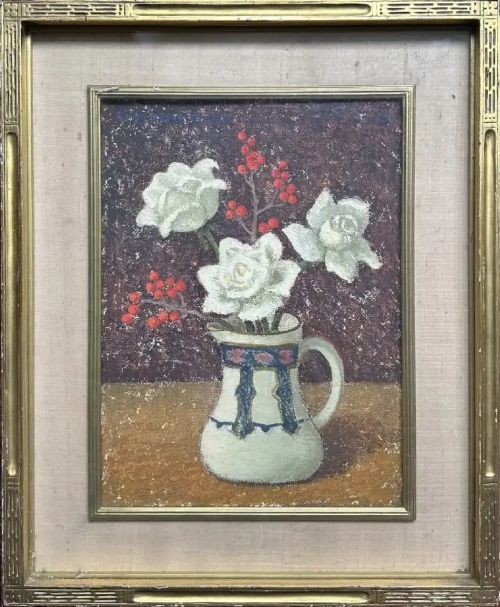
Buyers meet works originating from British, French, Italian, and Belgian artists, recorded in forms like fine art paintings, wall art, and panoramic seascapes. Common subjects include serene rural landscapes, bustling city views of London and Paris, still lifes of flowers, and characterful portraits.
Support mediums alternate between traditional woven canvas and solid wood panels or boards. Many pieces arrive housed in their original frames, including swept gilt designs that complement the era's aesthetic.
Materials and construction
Artists of this period applied oil paint primarily onto stretched canvas or rigid wood panels, building up layers of pigment to achieve depth and texture. The physical support often dictates the brushwork, with smoother panels lending themselves to precise detail and textured canvas encouraging broader marks.
Frames play a structural and aesthetic role, frequently constructed from wood finished with gesso and gilt details. These surrounds range from simple wooden profiles to ornate swept frames designed to frame the composition.
Twentieth Century Oil Painting Retail Price Guide 2026
Typical asking prices for twentieth century oil painting among the pieces listed under this phrase on Sellingantiques today, from the lower quarter to the upper quarter. They describe what is for sale here now, not the wider market.
Listings feature works spanning from the 1900s through the 1960s, executed on canvas, wood panels, and boards.
Factors that distinguish works
Quality rests in the confidence of the brushwork and the clarity of the composition, distinguishing accomplished academic or avant-garde output from decorative student pieces. A strong work demonstrates control over light and atmosphere, whether capturing a coastal view or a domestic interior.
The preservation of the paint surface and the originality of the accompanying frame contribute to the integrity of the piece. Works that retain their untouched surface layers and period-appropriate framing offer a clearer window into the artist's original intent.
Clifford Hanney·Charles Houben·Joseph Biel·Emma Fordyce MacRae·Herbert Ashwin Budd·Alfred Wolmark·Eric Brown·Henri Ottmann·Peter Newcombe·John Hodgson Lobley·Herbert Royle·Paul-Élie Gernez·Antoine Calbet·Sir David Murray·Gabriel Dauchot·Septimus Scott·Philippa Maynard Romer·Friedrich von Kaulbach·Merio Ameglio·Jules Rambo·Donald McIntyre·William Grant Murray·S Dennant Moss·Jean Sobieski·Florence Hess
The Twentieth Century Oil Painting Glossary
- Canvas
- A heavy woven fabric stretched across a wooden frame to serve as a support for oil paint. It provides a slightly flexible surface that responds well to layered pigment.
- Gesso
- A plaster-like mixture applied to wood panels or frames to create a smooth, prepared surface for gilding or painting. It helps seal the substrate.
- Post-Impressionism
- An art movement developing from the late nineteenth century into the twentieth, where painters pushed beyond Impressionist observation to express emotional responses through vivid colour and structure.
- Wood Panel
- A rigid wooden support used by artists in place of canvas. It offers a completely stable surface that prevents the flexing associated with stretched fabrics.
Twentieth Century Oil Painting: Frequently Asked Questions
How do I identify a twentieth century oil painting?
Examine the subject matter, the style of the brushwork, and the framing materials used. Works from this era often reflect movements like Post-Impressionism or Mid-Century Realism.
Inspect the back of the canvas or panel for signatures, dates, or old gallery labels. These details help anchor the work within a specific decade.
What subjects are common in these paintings?
Landscapes, seascapes, urban street scenes, and still lifes appear frequently across the listings. Artists also produced figurative works and character portraits.
Regional views, such as French coastal cliffs or London bridges, capture the travel and locations favoured by artists of the period.
Should oil paintings be displayed in frames?
Original period frames protect the edges of the canvas and complete the visual presentation of the artwork. Many pieces retain their decorative wood or gilt frames.
Keep paintings away from direct sunlight and excessive humidity to preserve the oil pigments and the wooden support.
How do panel paintings differ from canvas?
Panel paintings utilise a rigid wooden board rather than flexible woven fabric as a base. This prevents the surface from sagging over time.
Artists working on panels often achieved fine, smooth details due to the absolute stability of the underlying wood.