



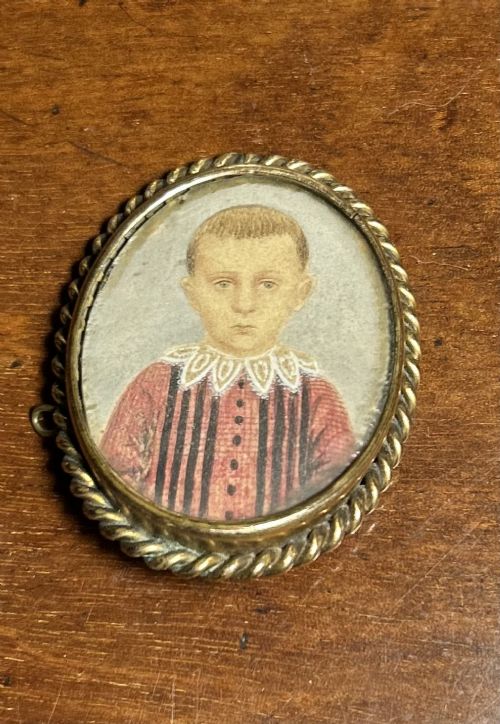
Portrait of a Boy
A portrait of a boy captures childhood through centuries of paint, pastel, and pencil.
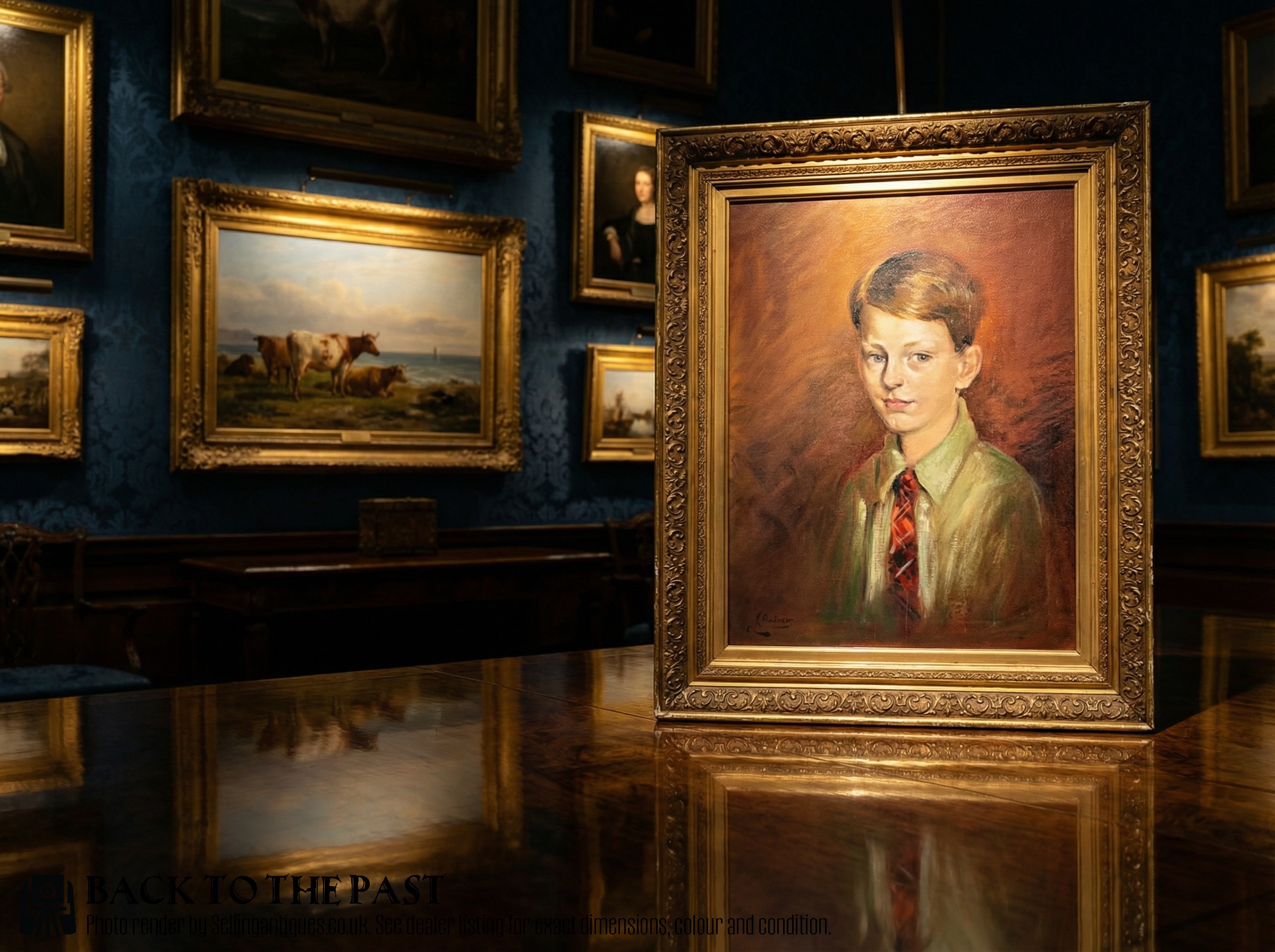
Portrait of a Boy
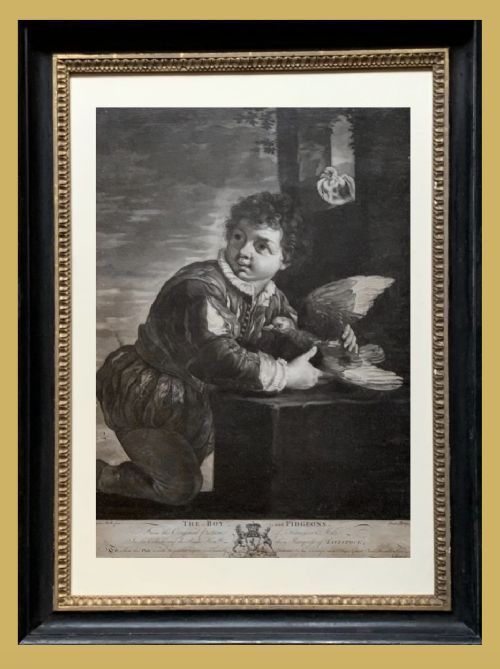
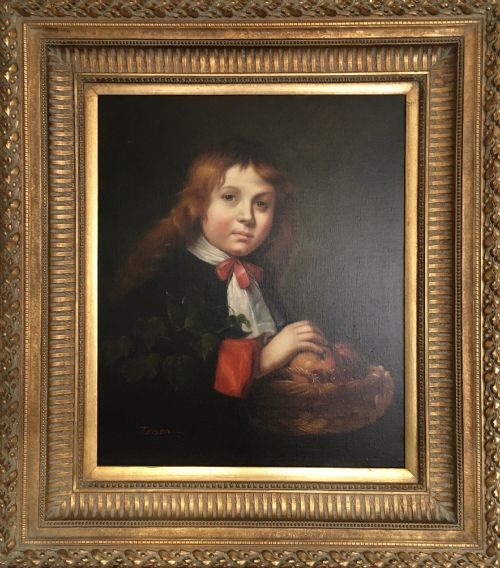
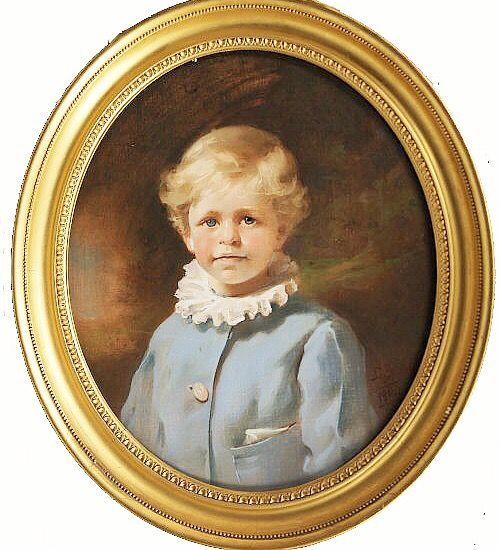
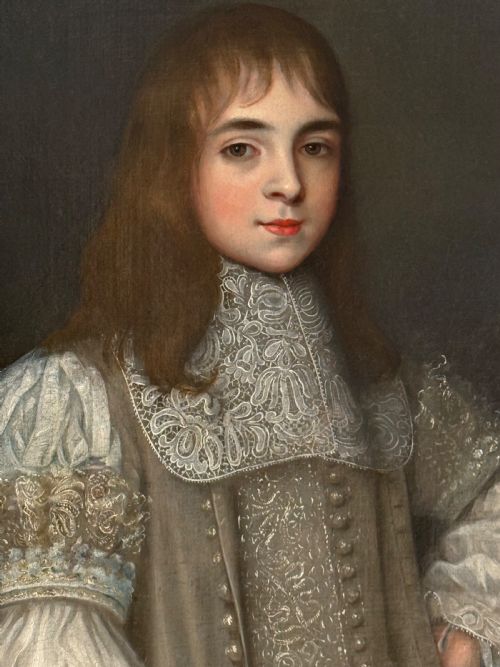
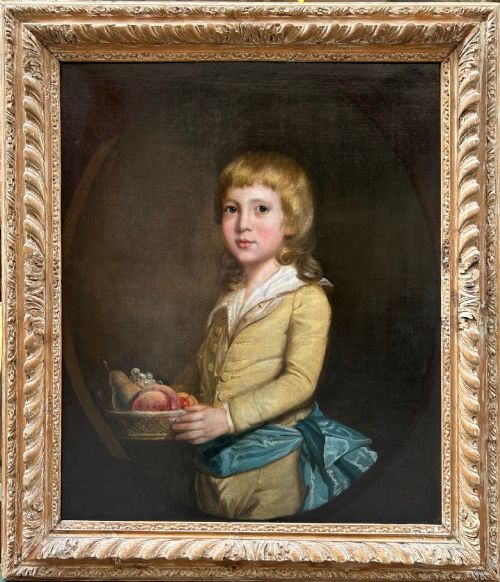
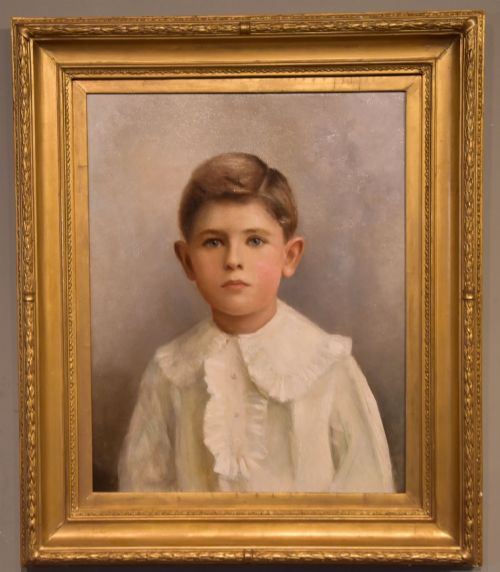
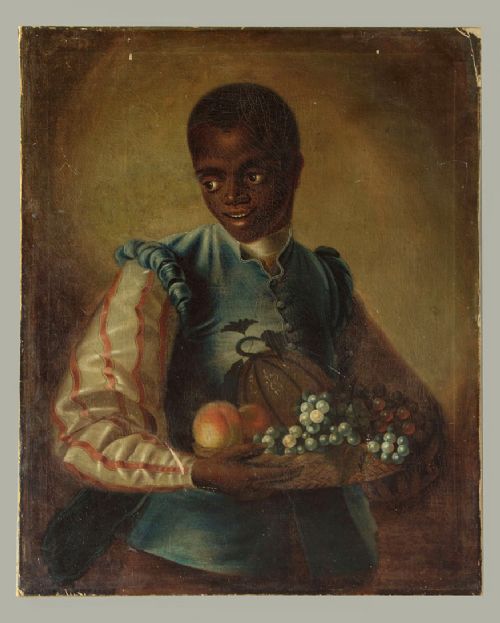
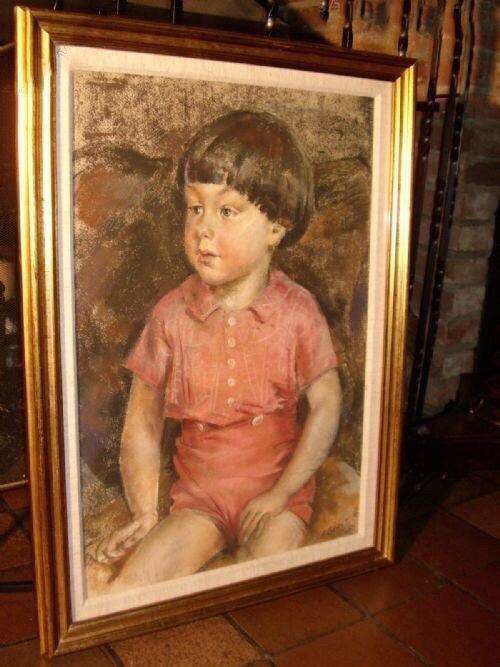
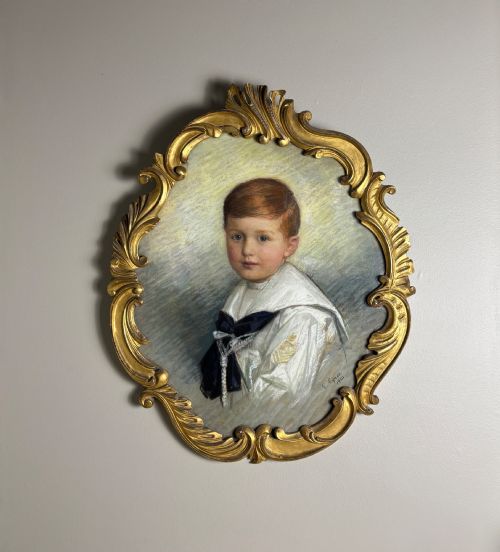
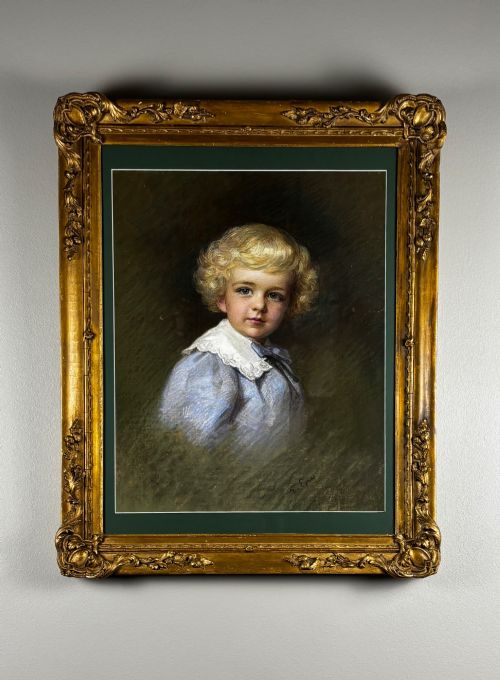
A portrait of a boy brings historical youth into domestic spaces through works executed across multiple centuries. These pieces range from seventeenth-century canvases depicting youths in classical dress or with pets to twentieth-century modernist and mid-century studies.
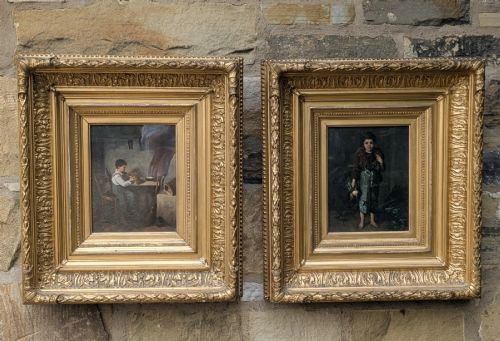
The materials vary from oil paint on canvas and board to watercolours, pastels, and pencil sketches. Frames often include original gilt wood and carved mouldings that complement the primary artwork.
Works on this page span Early Georgian, Regency, Baroque, and Modern British styles. Subjects appear alone, with dogs, or holding objects such as a rose, a model boat, or a chess piece.
Materials and Techniques
Painters applied oil paint to stretched canvas or wooden panels, building rich surfaces with pigments and binders. Watercolours and pastels were worked on paper or board, sometimes finished with hand-colouring.
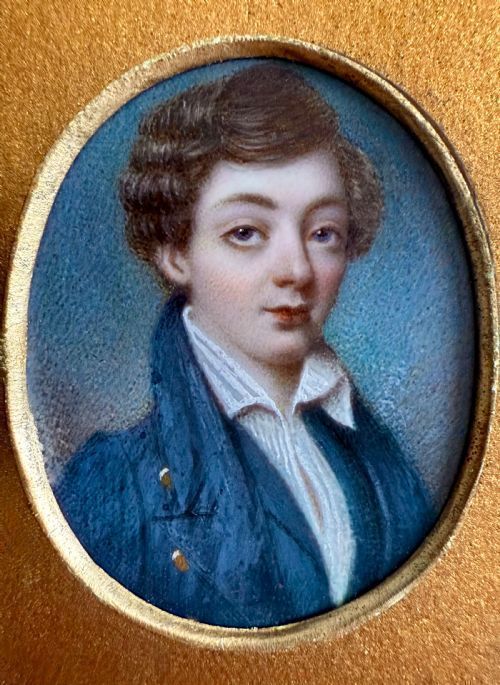
Supports range from salvaged canvas and heavy boards to delicate miniatures. Framing utilised carved and gilt wood, enhancing the visual depth of the paintings.
Retail Price Guide 2026
Typical UK retail prices for portrait of a boy, calculated from the Sellingantiques database of over a million retail prices indexed since 2003. This retail price guide relies exclusively on Sellingantiques data; no external sources or auction records are used, so the figures do not describe the wider market.
Listings feature oil paint, canvas, board, and gilt wood across seventeenth-century, Regency, and mid-century periods.
Gradations in Quality
The distinction between works rests upon the dexterity of the hand behind the brush or pencil. Masterful handling of light upon cloth and skin separates accomplished studio pieces from simpler provincial or naive efforts.
Condition and originality play significant roles, particularly regarding untouched painted surfaces and period frames. Signed works and documented attributions provide clearer insight into the provenance of each piece.
Margaret Sarah Carpenter·Septimus Scott·Jacob Huysmans·John Verelst·John Vanderbank·Mary Beale·James Maubert·Thomas P Hall·Charles D Agar·Ernest Longmate·John Michael Wright·Carl Felkel·Walter Goodin·Valentine Cameron Prinsep·Sir Peter Lely·Edwin Williams·William Moore·Joel Ballin·Lucy Margaret Buck·Charles Goldsborough Anderson
The Portrait of a Boy Glossary
- Canvas
- A heavy woven fabric used as a surface for oil painting. It is stretched over a wooden frame before application.
- Gilt Wood
- Wood decorated with gold leaf or gold paint. This technique is frequently found on antique frames surrounding oil paintings.
- Pastel
- A dry medium composed of powdered pigment and a binder, pressed into stick form. It produces velvety surfaces on paper.
- Panel
- A flat piece of wood used as a rigid support for early paintings. Panels predate widespread canvas use in many periods.
- Circle of
- A term used when a work shows the distinct manner of a master artist. It indicates production by an unknown hand within that master's immediate sphere.
Frequently Asked Questions
What periods do these portraits cover?
The pieces span from the seventeenth century through the Georgian and Regency eras into the nineteenth and twentieth centuries.
This broad timeline incorporates Baroque works, Victorian pieces, and mid-century modern interpretations.
Are these works painted on canvas?
Many are executed in oil on canvas or board, while others utilise watercolour, pastel, or pencil on paper.
Support materials vary according to the date and the specific artistic tradition of the creator.
Do subjects appear alone in the paintings?
While many depict a single young subject, others include pets such as spaniels and St Bernards.
Some compositions feature props like model boats, riding crops, or chess sets to provide narrative context.
How can I identify the age of a frame?
Frames often feature period characteristics such as hand-carved gilt wood or specific moulding profiles.
Original frames frequently accompany the canvas, matching the era in which the portrait was created.