
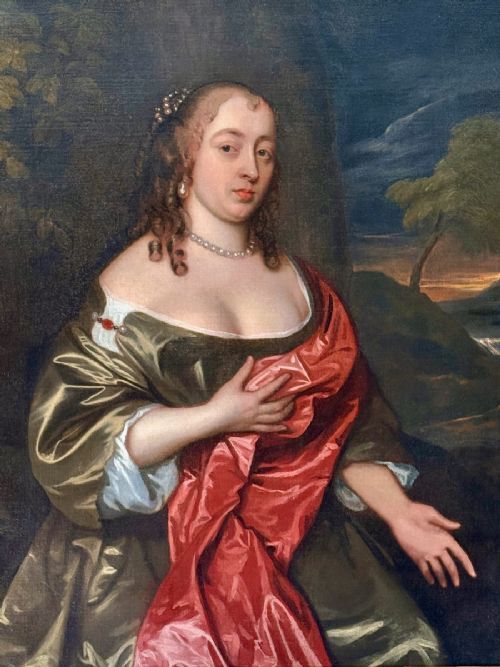
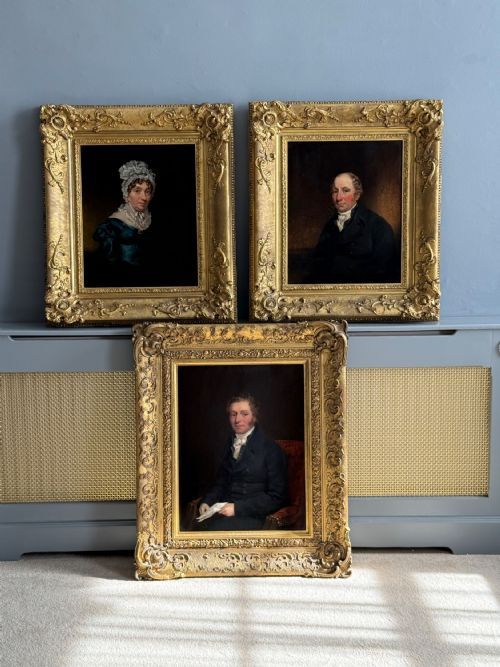
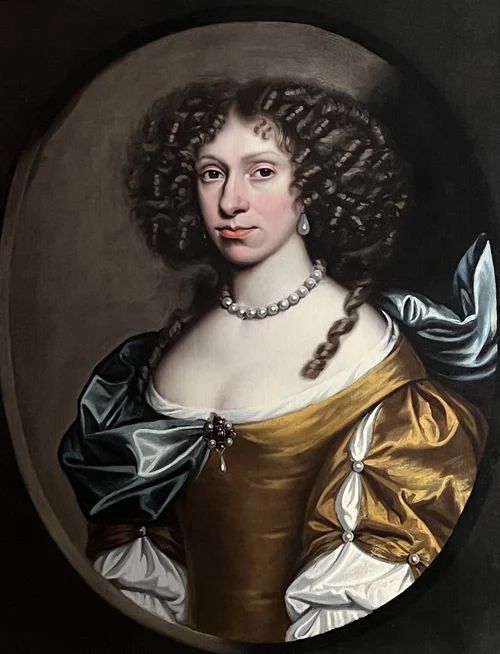

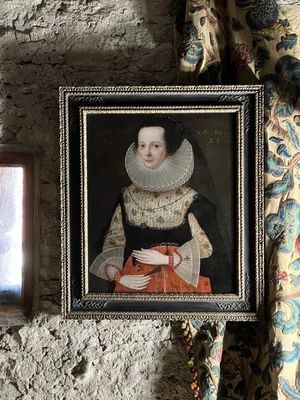
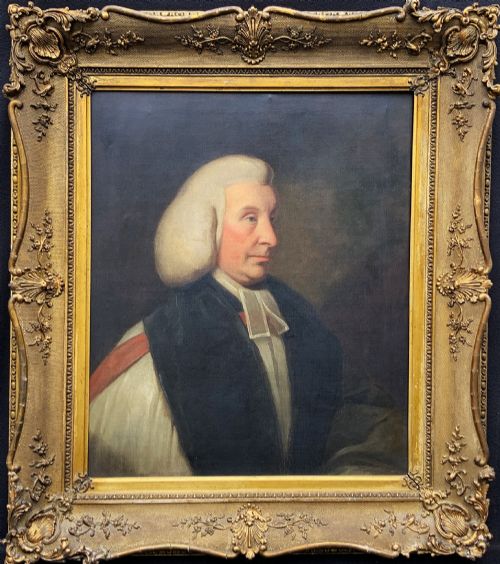
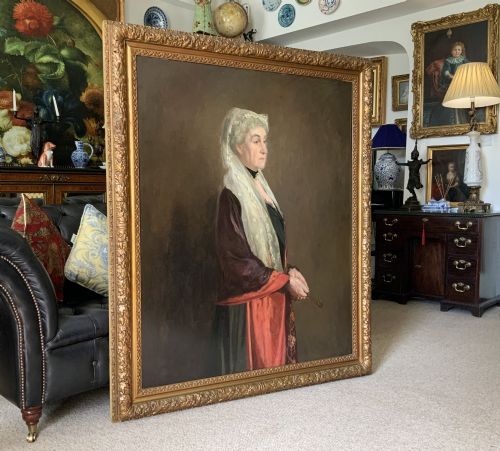
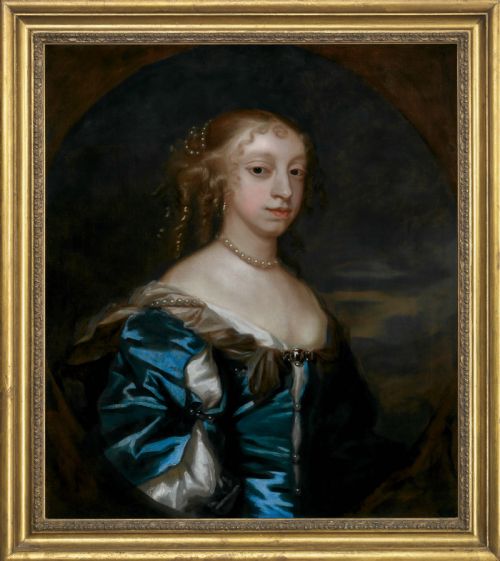
Period Portrait Painting
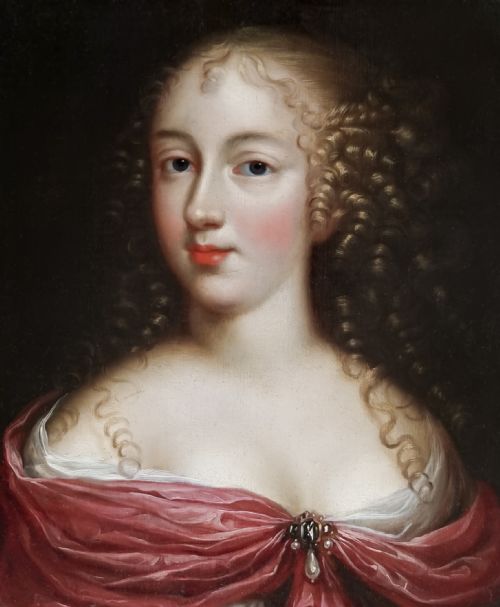
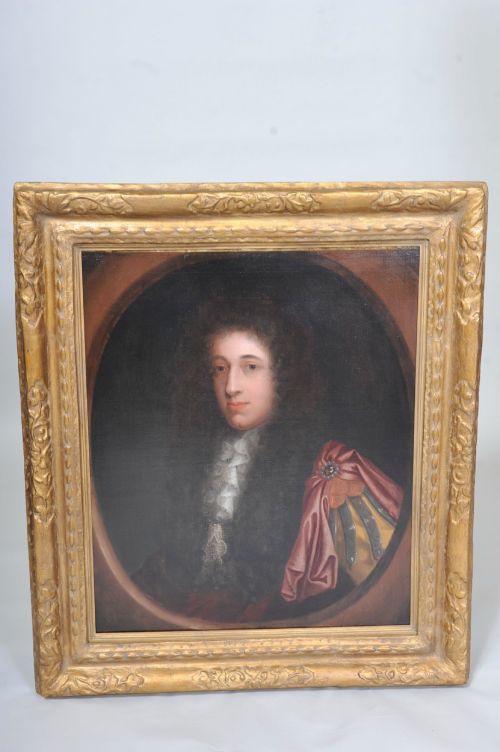
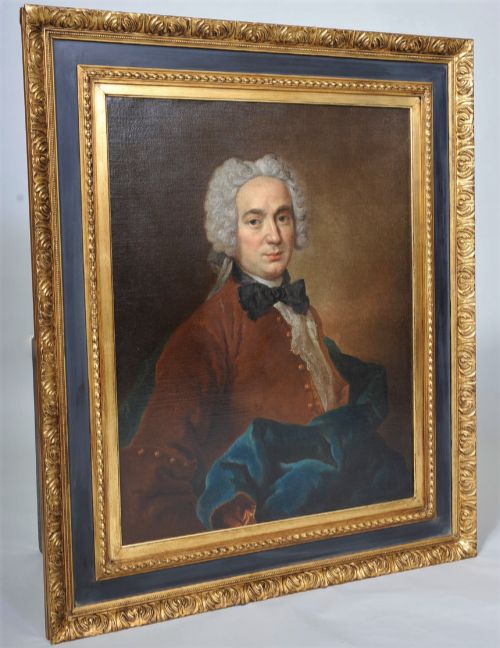
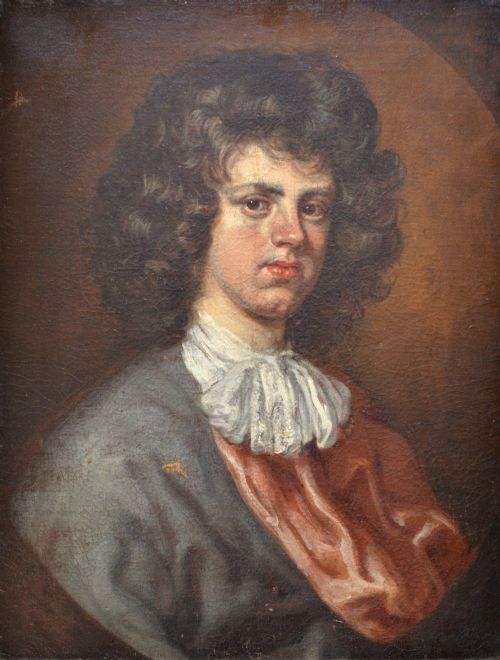
A period portrait painting captures the likeness of a notable individual in oil or canvas, offering a direct link to past centuries.
What They Are
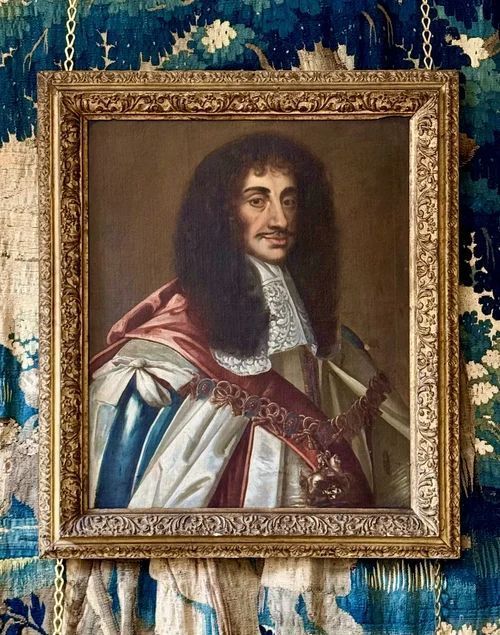
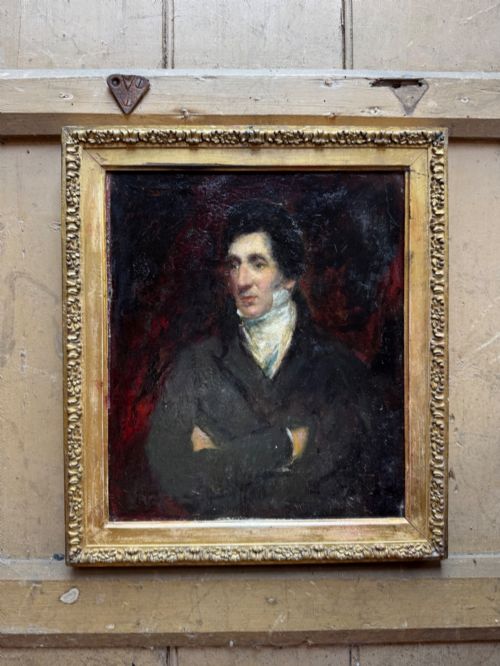
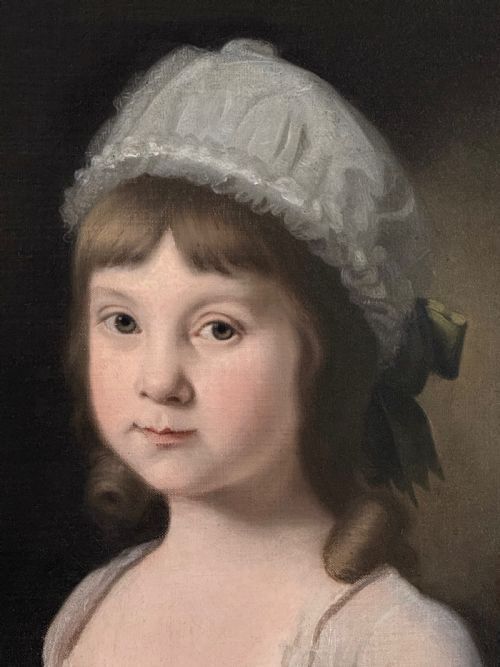
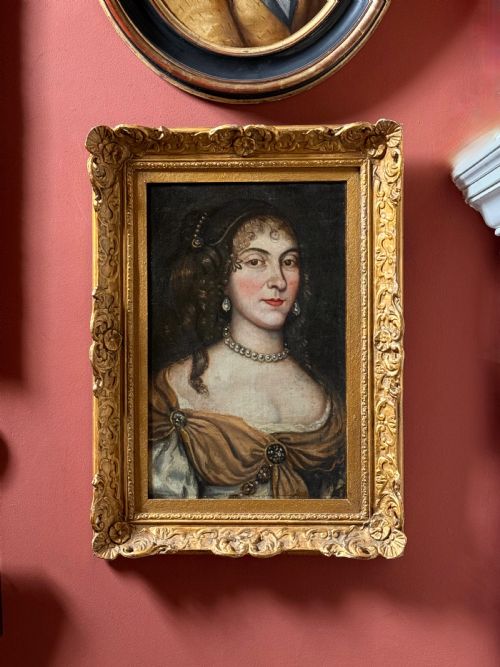
A period portrait painting serves as a visual record of historical figures, nobility, and everyday subjects. Buyers seeking a period portrait painting will find works spanning the seventeenth, eighteenth, and nineteenth centuries, executed in various European schools.
Most pieces originate from British and continental European makers, encompassing periods from Baroque and Georgian to Regency and Victorian styles. Works often arrive housed in their original giltwood or decorative frames.
How They Were Made
These works are executed primarily in oil paint applied to canvas, wood panels, or occasionally tin plates and paper. Traditional preparation involved stretching canvas over wooden frames or securing wood panels before applying layers of pigment.
Retail Price Guide 2026
Typical UK retail prices for period portrait painting, calculated from the Sellingantiques database of over a million retail prices indexed since 2003. This retail price guide relies exclusively on Sellingantiques data; no external sources or auction records are used, so the figures do not describe the wider market.
Listings feature works spanning the seventeenth to the twentieth centuries, employing oil on canvas, wood panel, and watercolour.
What Varies in Quality
The integrity and preservation of the original surface, along with the authenticity of the period frame, elevate a piece. Works retaining their original canvas and untouched paint layers command greater regard among collectors.
Christian Lindner·Francis Alleyne·George Morland·Franz Russ The Elder·Vincent Galloway·Hilda Freeman·Sir Thomas Lawrence·Moses Vanderbank
The Period Portrait Painting Glossary
- Oil on canvas
- Pigment mixed with drying oil applied to a woven fabric support. This combination allows for rich colour depth and blending.
- Giltwood frame
- A wooden moulding coated with gold leaf or gold paint. These surrounds often date to the same era as the canvas.
- Baroque
- An artistic style prevalent in the seventeenth century characterised by dramatic movement and deep chiaroscuro lighting. It adds theatricality to portrait subjects.
- Georgian
- A design and art period spanning the eighteenth century under the Hanoverian monarchs. Paintings from this era often display refined elegance and structured composition.
- Regency
- A subset of the nineteenth century denoting the period of the Prince Regent. Portraits here reflect classical influences and understated luxury.
Frequently Asked Questions
How do I identify the sitter in a portrait?
Identification relies on surviving inscriptions, family provenance, heraldic crests, or matching records in historical archives. Clothing styles and known sitter ages often provide corroborating clues.
Many historic portraits remain anonymous if documentation is lost over the centuries. In such cases, the clothing and hairstyle help narrow down the decade.
What is the difference between an oil painting and a watercolour?
Oil paintings utilise pigment suspended in drying oil on canvas or wood, allowing for rich textures and deep colour blending. They were traditionally favoured for major formal commissions.
Watercolour works use water-soluble pigments on paper or card, offering a lighter and more delicate finish. These were often produced for miniatures or intimate domestic settings.
How should I care for an antique oil painting?
Protect the canvas from direct sunlight and maintain stable room temperatures to prevent cracking in the paint layer. Avoid using water or chemical cleaners on the painted surface.
Dust the frame gently with a dry, soft brush. For deeper cleaning or canvas conservation, consult a professional art restorer.