

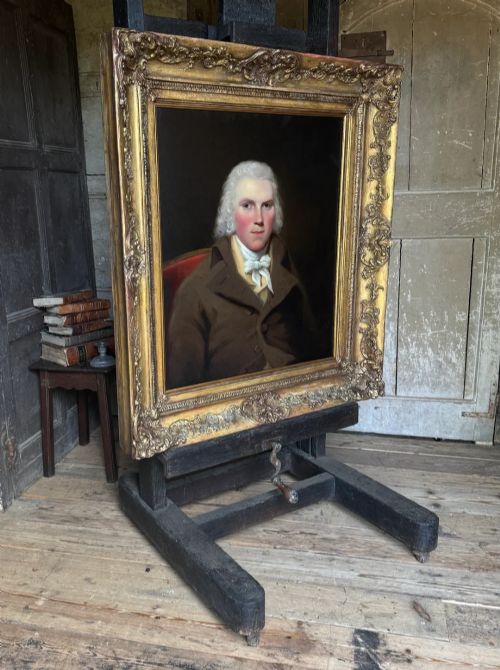
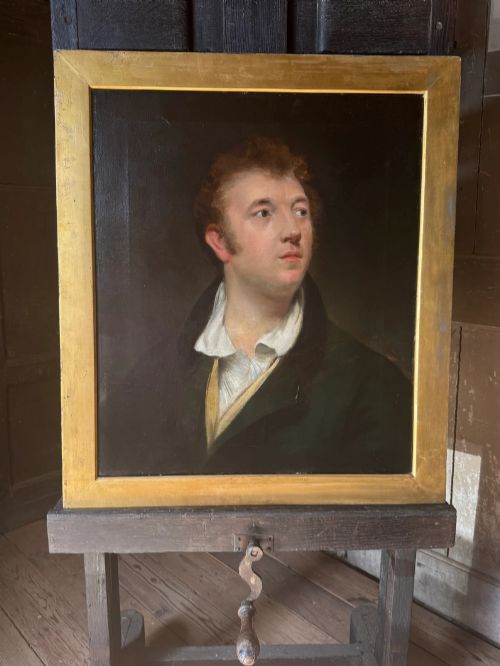
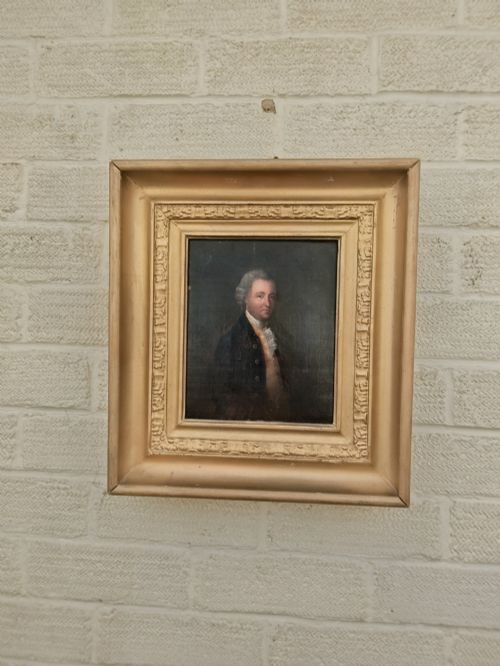
Georgian Male Portrait
A georgian male portrait captures the likeness of a gentleman in oil on canvas, pastel or print, carrying centuries of quiet character.
Georgian Male Portrait
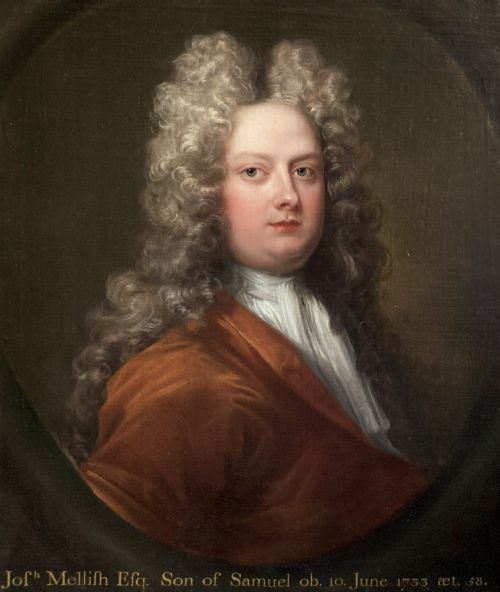
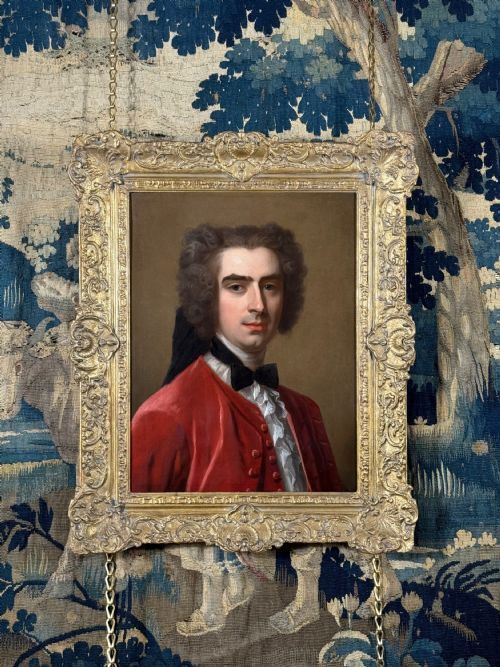
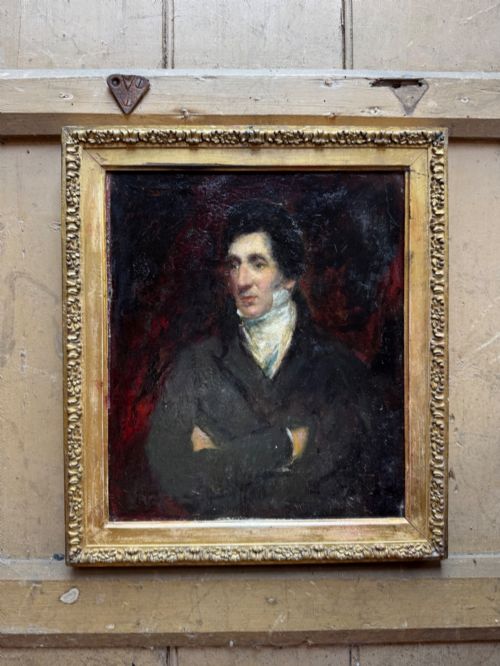
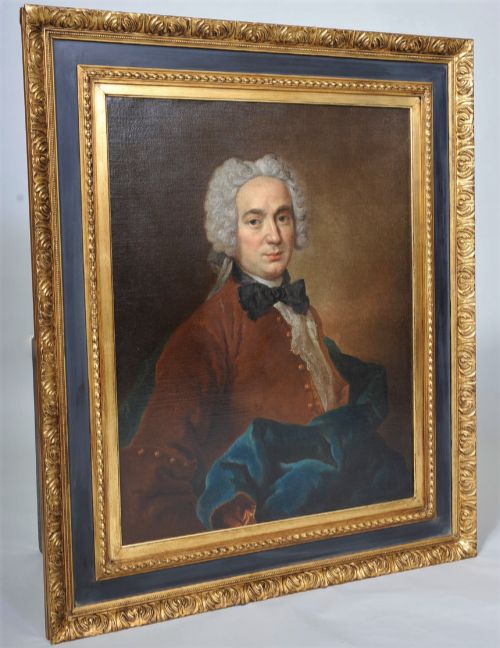
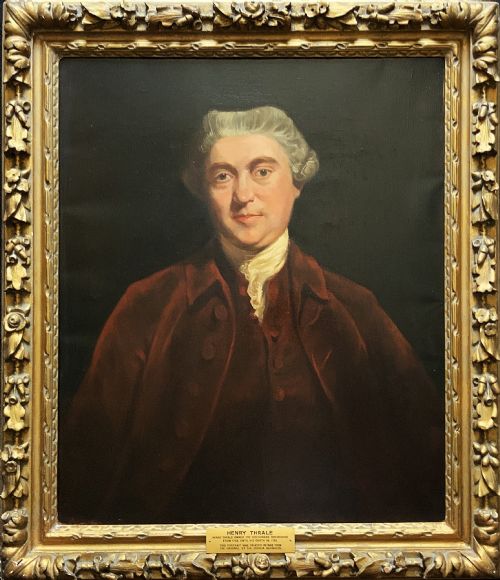
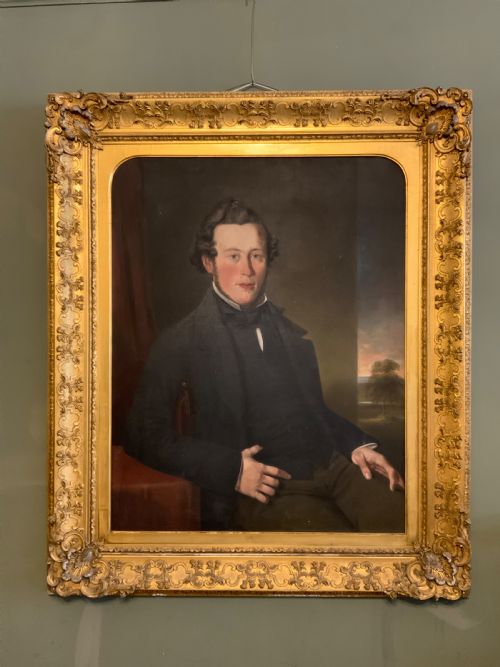
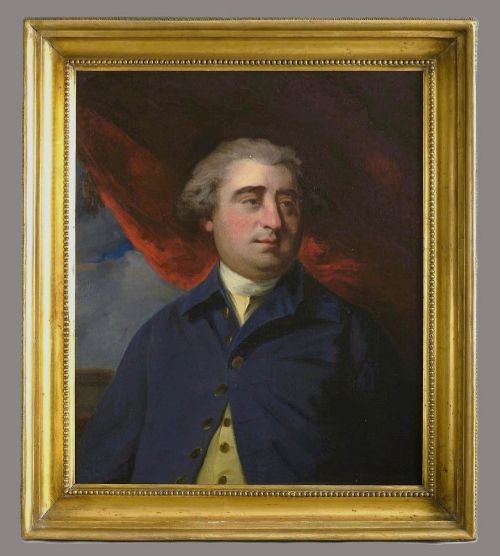
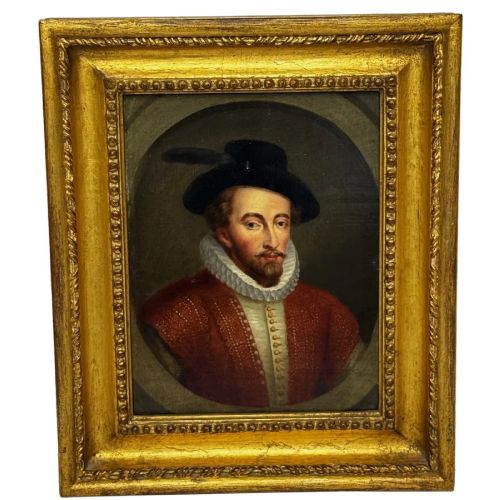
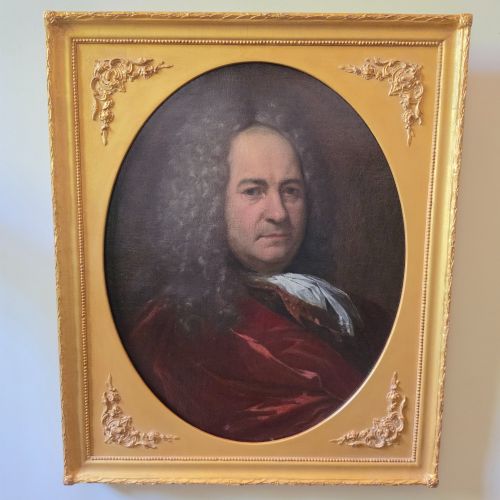
A georgian male portrait brings historical presence into a room, depicting subjects from scholars and physicians to nobility and gentlemen in formal coats. These works span the eighteenth and nineteenth centuries, often rendered in oil on canvas or pastel on paper.
Origins stretch across British, Scottish, and continental European schools, reflecting the distinct artistic conventions of the periods. Collectors encounter everything from polished studio works to provincial pastels and later interpretive prints.
Materials and technique
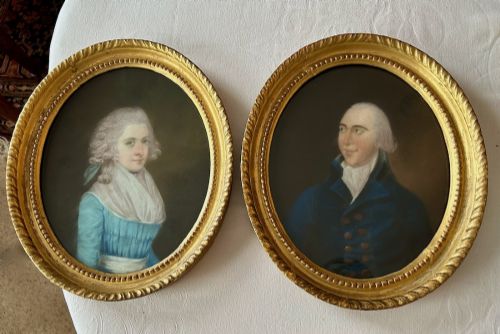
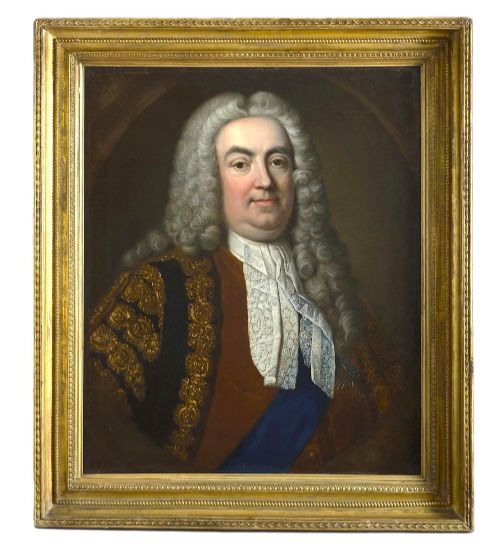
Painters built up oil on canvas surfaces using layered pigments, starting with an underpainting and finishing with glazes to create depth in velvet waistcoats and powdered wigs. Pastels offered a softer medium on paper, capturing delicate textures in lace jabots and flesh tones.
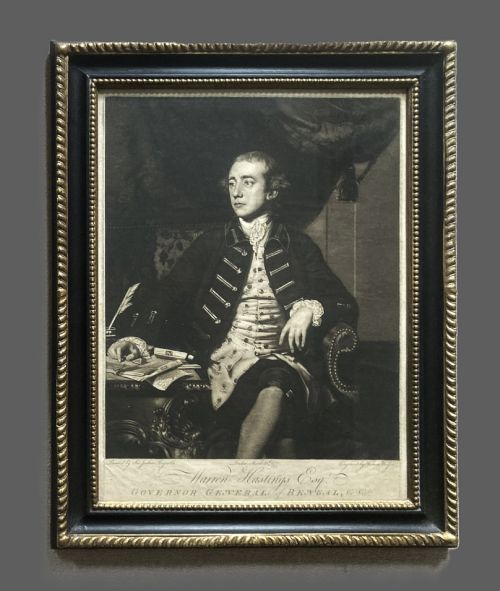
Frames of giltwood provided a fitting architectural border, utilising gold leaf applied over carved wooden mouldings to catch the candlelight of period interiors. Mezzotint prints translated painted likenesses onto paper through inked copper plates, making portraiture accessible beyond the original studio.
Georgian Male Portrait Retail Price Guide 2026
Typical asking prices for georgian male portrait among the pieces listed under this phrase on Sellingantiques today, from the lower quarter to the upper quarter. They describe what is for sale here now, not the wider market.
One gentleman stares down posterity while clutching a human skull, keeping a stark memento mori close at hand.
Judging quality and hand
The distinction between a standard workshop piece and a masterwork lies in the psychological depth of the face and the confident handling of drapery. Superior hands render the glint in an eye and the fall of heavy velvet with anatomical precision.
Condition plays a central role, where undisturbed original canvas surfaces and minimal overpaint preserve the artist's initial touch. The integration of period frames, particularly original giltwood surrounds, elevates the integrity of the whole object.
Sir William Beechey·Charles Jervas·Jean Baptiste Van Loo·Sir Joshua Reynolds·Thomas Watson·James Howe·George Watson·Michael Dahl·Thomas Hudson·John Hamilton Mortimer·Nicolas De Largilliere
The Georgian Male Portrait Glossary
- Mezzotint
- A printmaking process where the copper plate is roughened to achieve rich dark tones and subtle gradations of light. This technique became popular for reproducing famous painted portraits.
- Pastel
- A dry medium composed of powdered pigment and a binder, worked onto paper to create soft, matte portraits. Works in this medium require glass protection to preserve the delicate pigment.
- Giltwood
- Wood carved and coated with thin sheets of gold leaf, used extensively for framing period canvases. These frames reflect the aesthetic tastes of the Georgian and Regency eras.
- Jabot
- A decorative lace or ruffled fabric frill attached to the front of a gentleman's shirt. Its intricate rendering often helps date a portrait to the eighteenth century.
- Studio of
- A designation indicating the work was produced under the supervision of a master artist, often utilising assistants to complete secondary elements of the canvas.
Georgian Male Portrait: Frequently Asked Questions
How do I identify the sitter?
Many canvases bear contemporary inscriptions on the reverse, or identify the subject through heraldic crests and accompanying documentation. Researching biographical details mentioned in the title often links the portrait to historical archives.
Unidentified sitters still offer strong historical value, as costume, hairstyle, and painting technique reliably date the work to a specific decade.
Where should I hang an oil portrait?
These works suit traditional study spaces, dining rooms, or hallways, particularly when paired with period furniture and appropriate task lighting. Avoid placing canvases in direct sunlight or above active fireplaces to protect the oil pigments.
Ensure the wall can support the weight of the heavier giltwood frames commonly associated with these large works.
What is the difference between an oil and a pastel?
Oil paintings utilise pigments suspended in drying oils on canvas, offering durability and rich, translucent depth through layered glazes. Pastels consist of dry pigment sticks applied to paper, creating a velvety, highly matte surface that requires framing behind glass.
Pastels generally date to specific periods of high fashion in portraiture, while oils remained the primary medium across centuries.
How do I care for an antique canvas?
Keep the environment stable in temperature and humidity to prevent the canvas from slackening or the wood stretcher from warping. Dust the surface and frame gently with a soft, dry brush without applying moisture or cleaning solutions.
Professional conservation should be sought if tears, flaking paint, or heavy discoloration appear over time.