
Historical Portrait Artwork
Historical portrait artwork preserves the faces of past centuries through oil, canvas, and print.
Historical Portrait Artwork
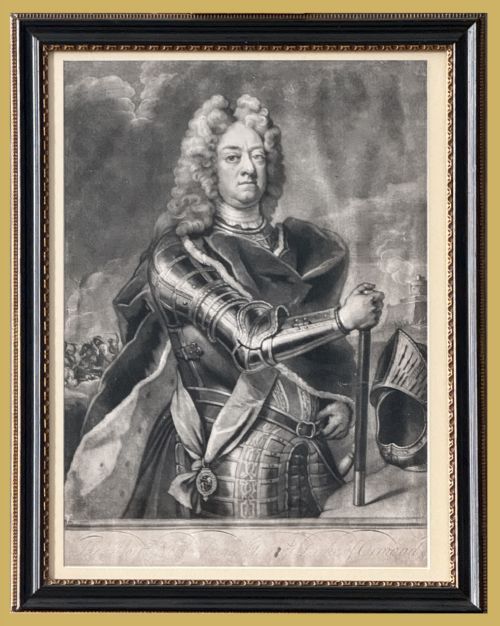
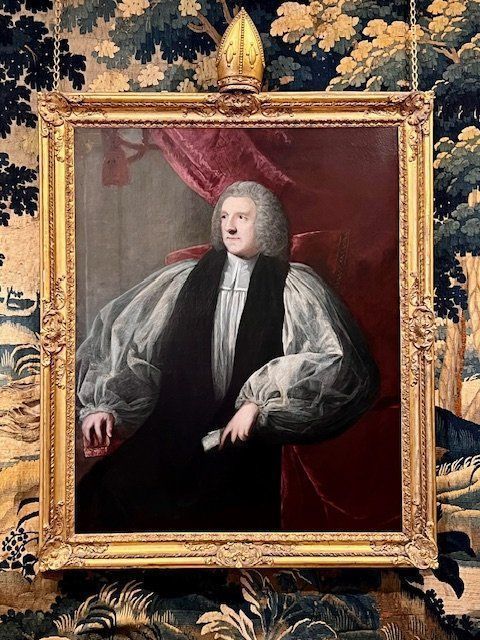
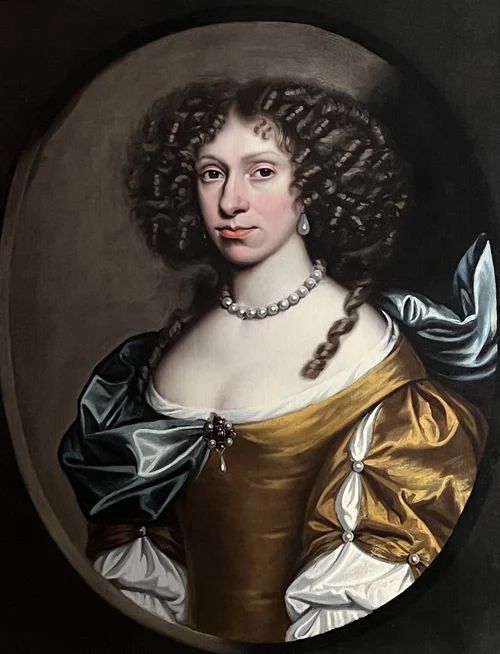
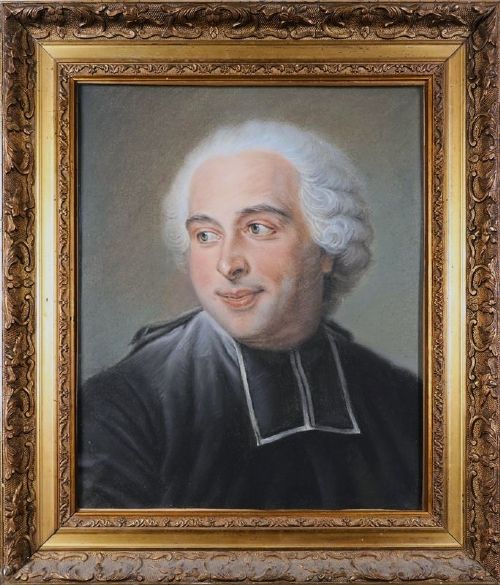
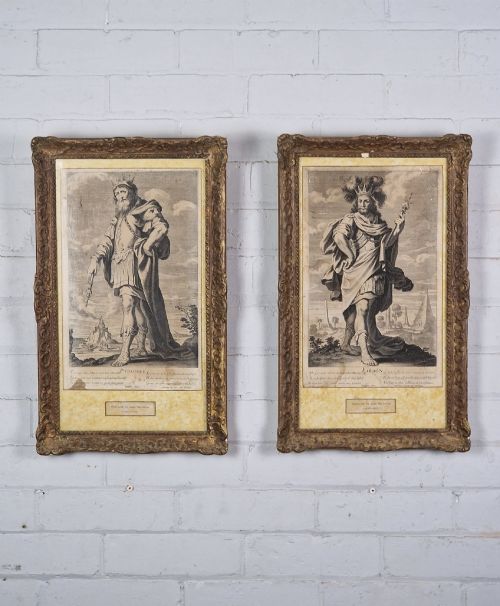
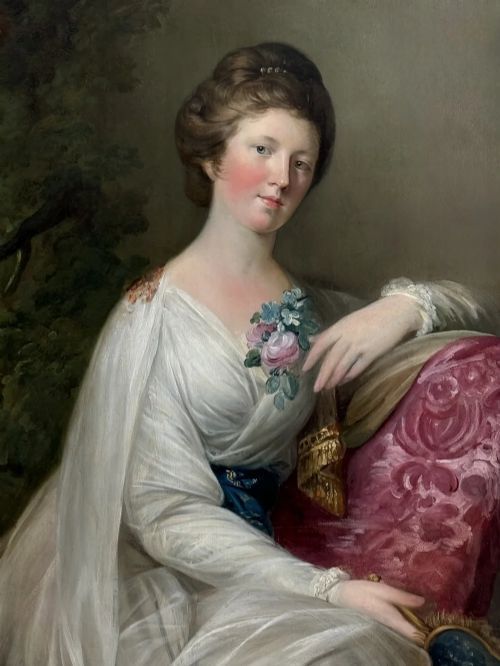
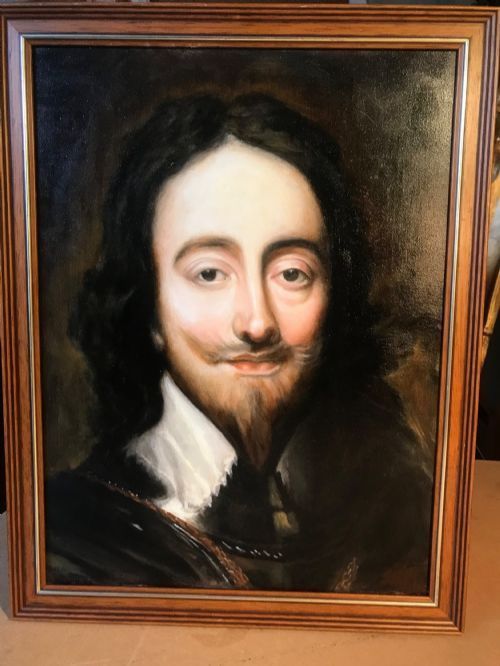
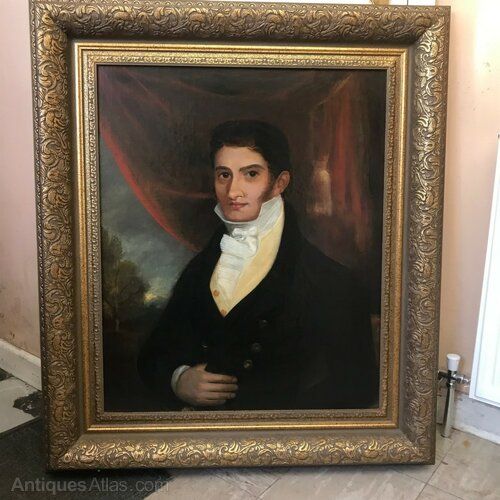
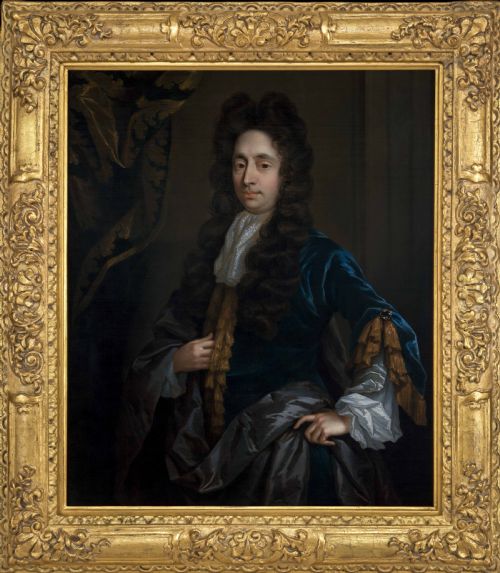
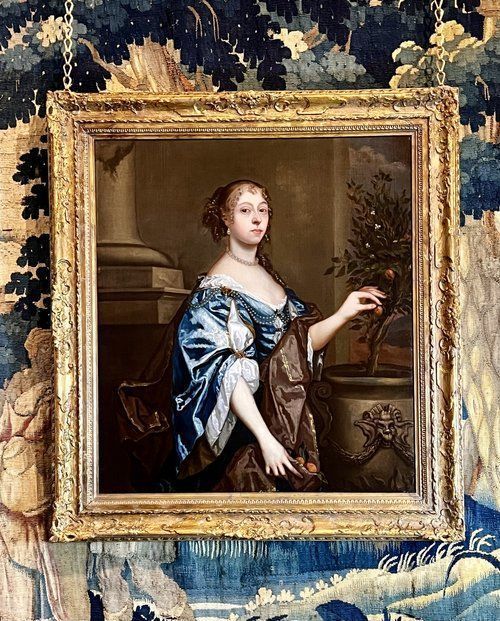
When you search for historical portrait artwork, you encounter painted, printed, and drawn likenesses spanning the seventeenth through to the early twentieth centuries. These pieces record identifiable historical figures, nobility, military officers, and private citizens.
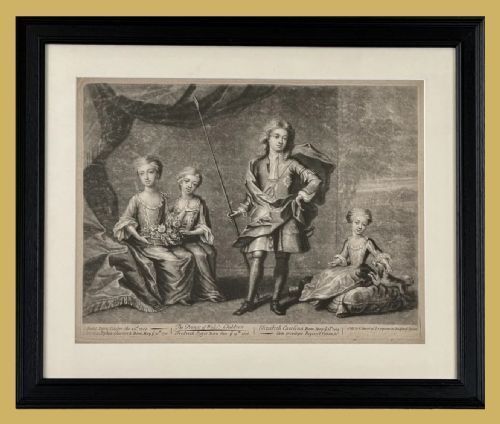
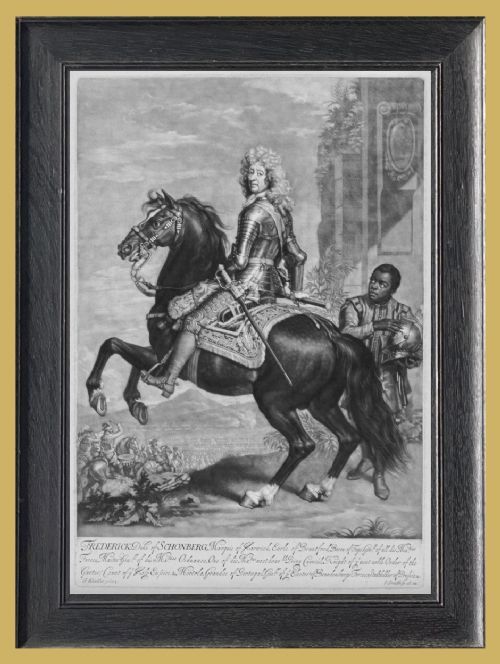
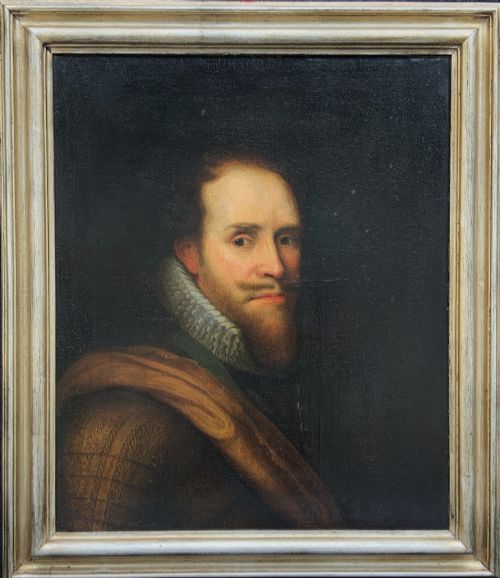
The most common examples on this page are eighteenth-century mezzotints and seventeenth-century oil paintings. These works often follow distinct British, Dutch, and continental European artistic traditions.
Subjects range from grandees of state to theatrical actors and children, framed in wood, giltwood, or simple glazed surrounds.
Materials and Techniques
Makers built these pieces using oil on canvas or panel, worked with fine pigments and binders. Engravers and mezzotinters utilised copper plates, ink, and paper to multiply images through printing.
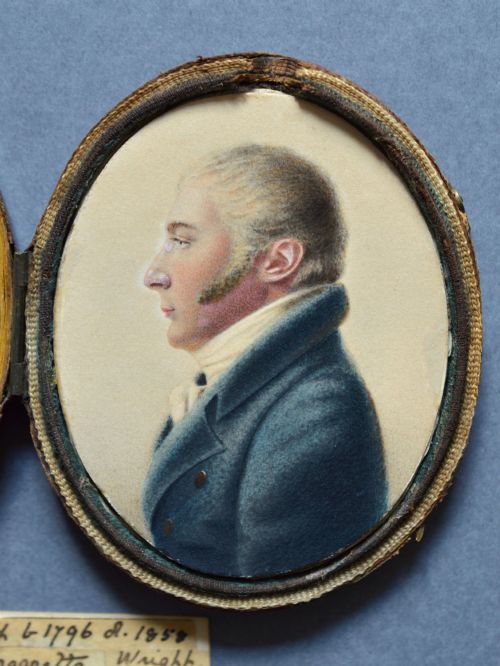
Pastel and ink on paper appear frequently alongside giltwood framing, glass covers, and occasionally bronze or cast silhouettes. Painters and printmakers applied gold leaf to highlight decorative frames and inscriptions.
Historical Portrait Artwork Retail Price Guide 2026
Typical asking prices for historical portrait artwork among the pieces listed under this phrase on Sellingantiques today, from the lower quarter to the upper quarter. They describe what is for sale here now, not the wider market.
Several sitters share space with oranges, curtains, and horses.
Assessing Quality
Quality separates studio work from output by minor followers or later copyists. The precision of facial modeling and handling of drapery distinguish superior portraits.
Condition of the canvas, paper, or print surface determines overall integrity. Early impressions of mezzotints retain sharper contrasts than later printings from worn plates.
Sir Joshua Reynolds·Anthony Van Dyck·Sir Godfrey Kneller·John Simon·Constantyn Netscher
The Historical Portrait Artwork Glossary
- Mezzotint
- A printmaking process where the copper plate is roughened to achieve rich dark tones and subtle gradations of light. This technique was widely utilised for portraiture in the seventeenth and eighteenth centuries.
- Oil on Canvas
- Pigment mixed with drying oil applied to woven fabric stretched over a wooden frame. This primary medium allows for deep layering and blending.
- Engraving
- A method of cutting design lines directly into a metal plate with a sharp tool to hold ink for printing. It produces clean, precise lines.
- Pastel
- A dry medium of powdered pigment and a binder formed into sticks. Artists used it for soft-textured portraits on paper.
- Giltwood
- Wood carved and covered with a thin layer of gold leaf or gold paint. It forms the decorative borders of period frames.
Historical Portrait Artwork: Frequently Asked Questions
How do I date an oil portrait?
Examine the sitter's costume, hairstyle, and the preparation of the canvas or panel. Portrait conventions shifted noticeably across the seventeenth, eighteenth, and nineteenth centuries.
Look also for inscriptions on the reverse or stretcher bars which often record the sitter's name and dates.
What is a mezzotint portrait?
A mezzotint is an intaglio print where the artist works from dark to light by roughening the copper plate. This creates velvety dark areas and smooth tonal transitions.
Publishers used this method extensively to reproduce famous oil paintings for collectors.
How should I hang antique portraits?
Display portraits away from direct sunlight and damp walls to protect canvas, paper, and giltwood frames. Stable indoor temperatures prevent wood panels from warping.
Ensure wall fixings match the substantial weight of period wooden frames.
Are silhouettes considered portraits?
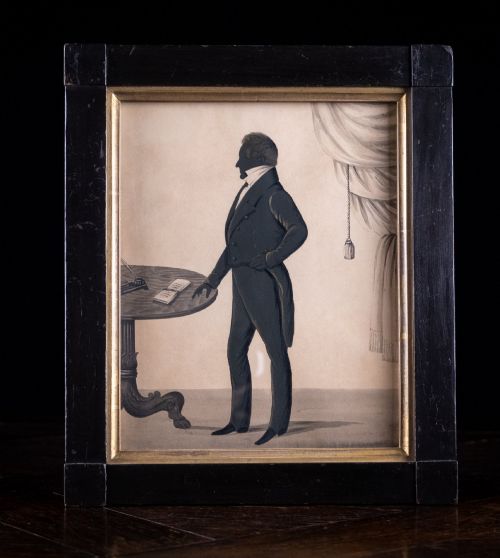
Silhouettes record the profile likeness of a subject using cut paper, ink, or metal. Artists produced these popular profile images throughout the Georgian and Regency periods.
Examples often feature painted details on card or gilded highlights behind glass.