

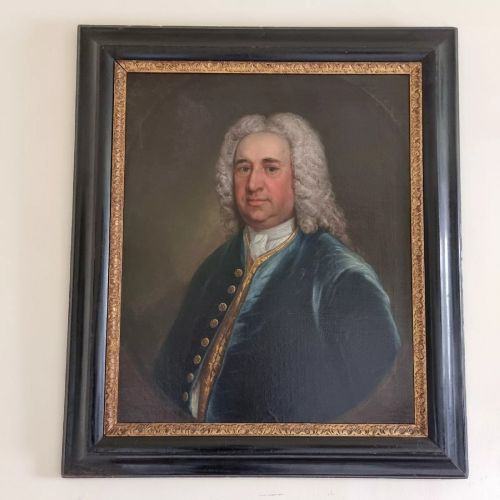


Blue Coat Portrait
A blue coat portrait captures historical subjects in distinctive tailoring, offering collectors an intimate glimpse into past centuries through fine painting and miniature work.
Blue Coat Portrait
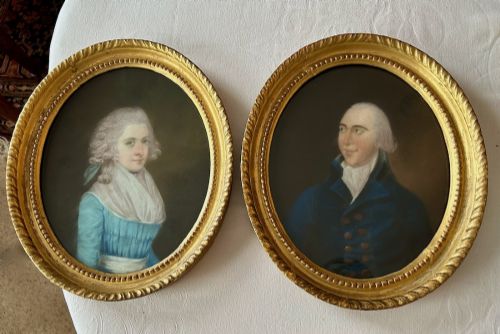
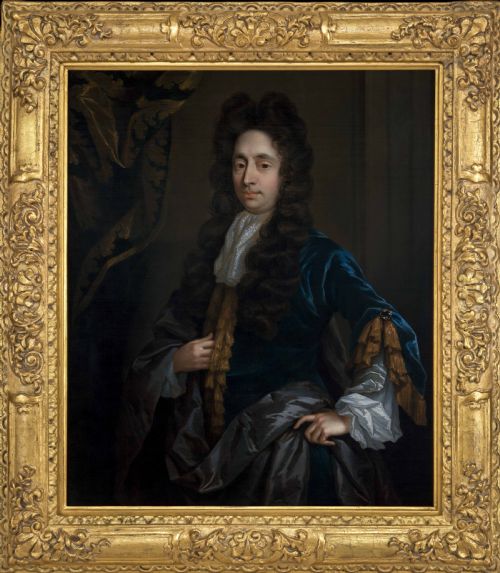
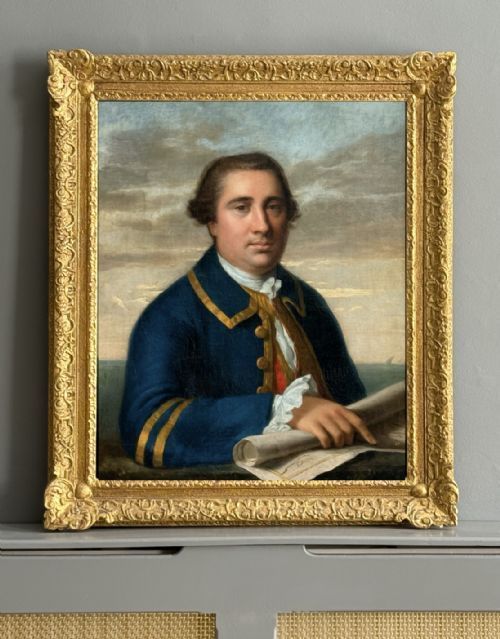
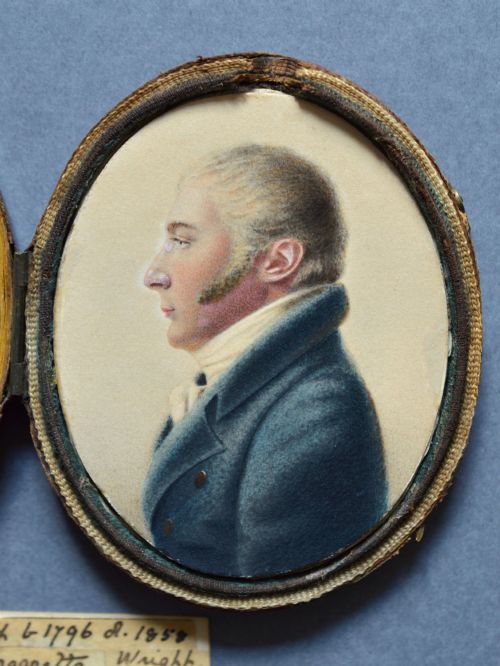
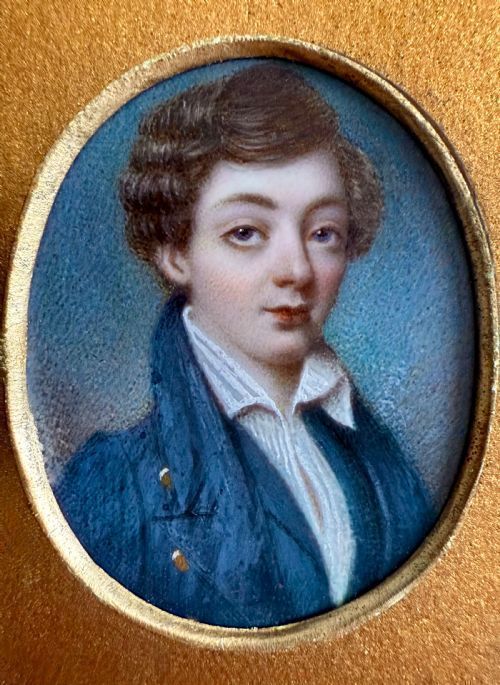
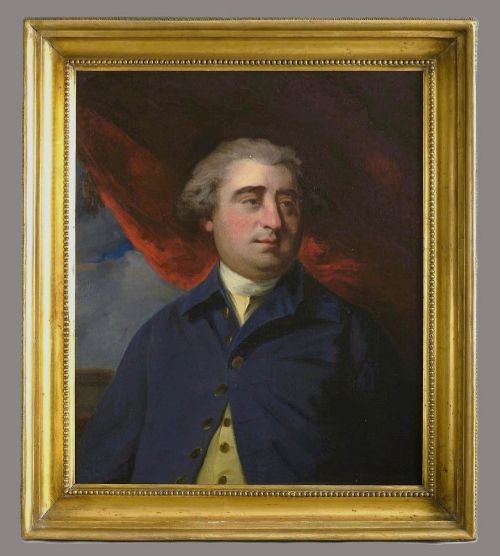
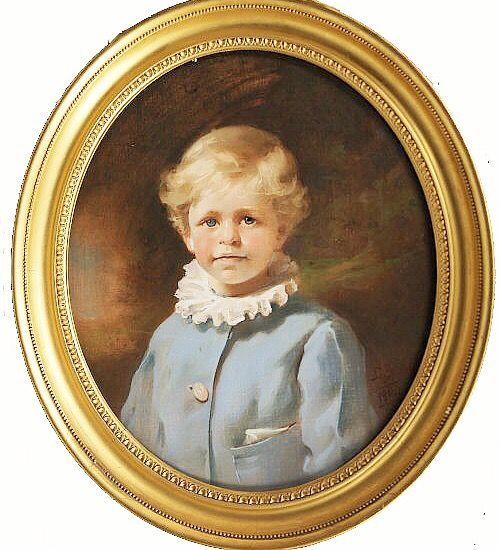
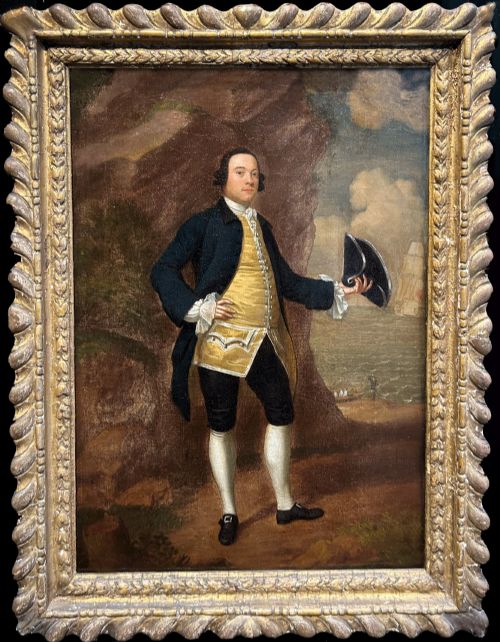
A blue coat portrait depicts subjects ranging from naval officers and merchants to young boys, rendered in oil, pastel, or watercolour across the eighteenth and nineteenth centuries.
Buyers searching this phrase encounter works originating from British, French, and Scottish schools, capturing notable figures as well as anonymous sitters.
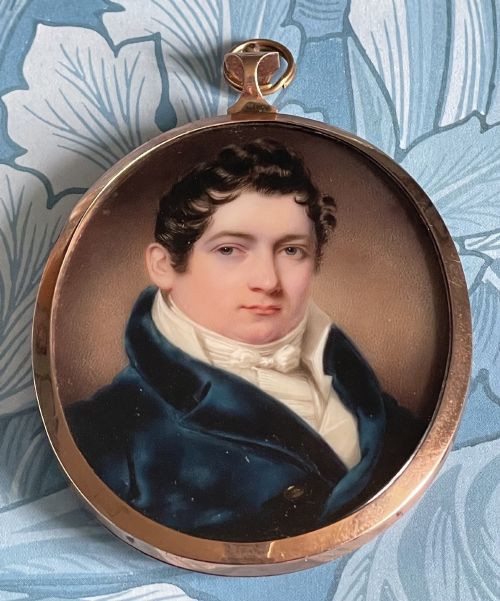
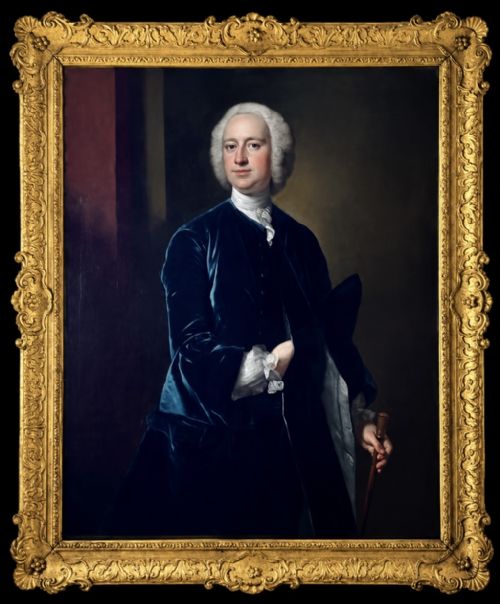
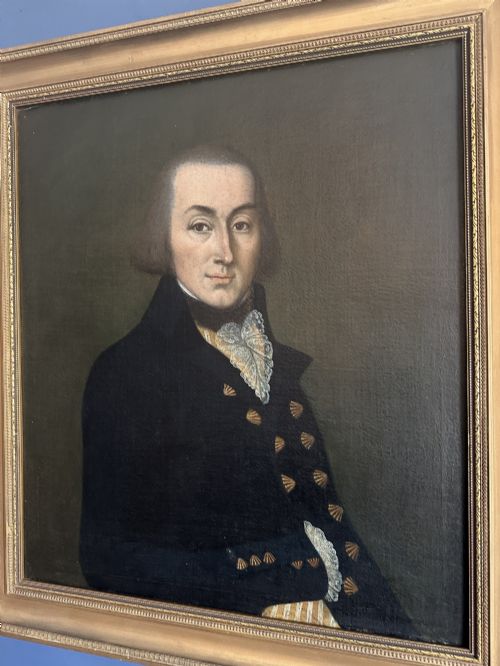
The selection on this page bridges large-scale canvas oil paintings and intimate portrait miniatures housed in giltwood frames or gold panels.
Materials and methods
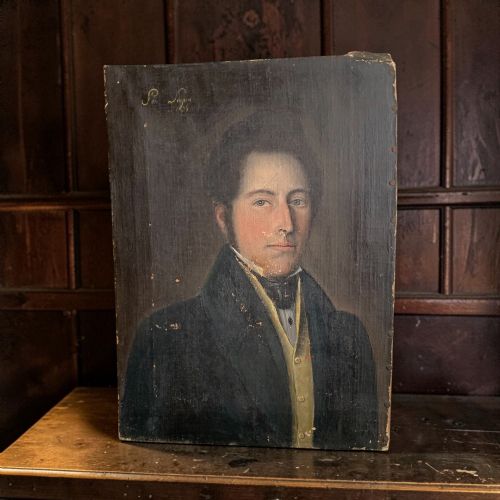
Artists painted primarily with oil on canvas or copper panels, whilst watercolour and pastel works utilised paper or agate panels.
Framing often incorporated giltwood and gold leaf, enhancing the visual depth of both large canvases and small portrait miniatures.
Listings feature works executed in oil on canvas, copper, and panel, alongside pastels and watercolours on paper and agate.
Determinants of quality
Provenance and attribution to documented painters elevate the standing of a piece within historical portraiture.
Constantyn Netscher·Lemuel Francis Abbott·Sir Joshua Reynolds·Thomas Hudson·Sir Thomas Lawrence·John Downman·John Closterman·Henry Walton
The Blue Coat Portrait Glossary
- Portrait miniature
- A small-scale painting executed on materials such as ivory, vellum, card, or agate panel. These items were often carried on the person or kept in bespoke cases.
- Pastel
- A medium consisting of powdered pigment and a binder, used to create portraits on paper with soft colour transitions. Works in this medium require glass protection to prevent pigment loss.
- Provenance
- The documented history of ownership of an artwork from its creation to the present day. Clear records help establish authenticity and past exhibitions.
- Attributed to
- A term used when a work shows the style of a known artist but lacks definitive signature or documentation confirming the exact hand.
Blue Coat Portrait: Frequently Asked Questions
What periods do these portraits cover?
The available works span primarily from the late seventeenth century through the Georgian and Regency eras into the Victorian period.
Most examples date from the eighteenth century, showcasing changing styles in male tailoring and portraiture conventions.
How were portrait miniatures displayed?
Miniatures were frequently housed in protective cases, pocket frames, or mounted with suspension loops for wearing.
Many examples feature gold leaf frames or specialised enclosures designed to preserve the delicate paint surface.
Are all subjects identified?
Portraits often record the name, profession, or status of the sitter within the title or accompanying documentation.
Unidentified sitters also appear frequently, recorded simply by their attire, approximate date, or regional school.
What framing materials are common?
Giltwood frames dominate the larger oil paintings on canvas, providing a traditional decorative border suited to period interiors.
Smaller works on panel or paper utilise specialised metal frames, including eighteenth-century gold enclosures.