


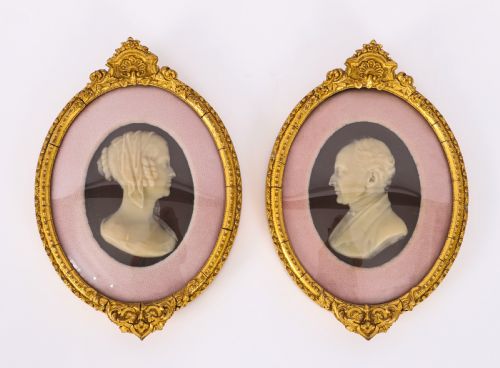
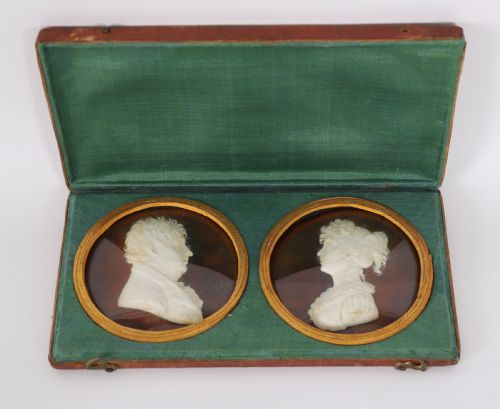
Antique Profile Miniature
An antique profile miniature captures a likeness in sharp detail, offering a tangible link to Georgian and Regency sitters.
Identifying an antique profile miniature
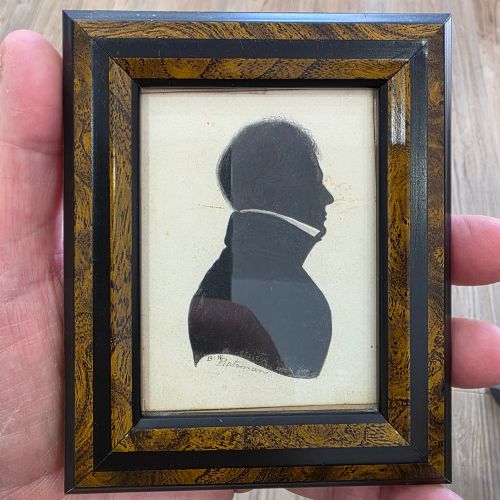
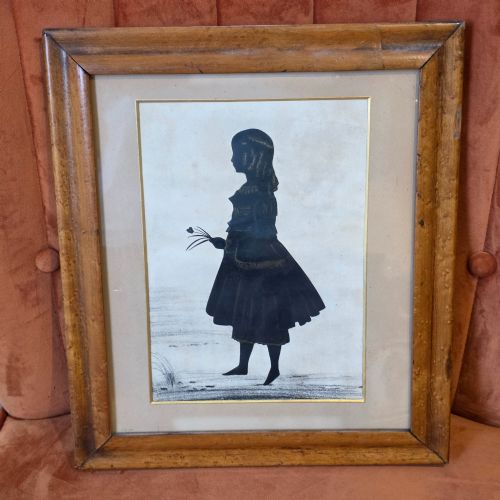
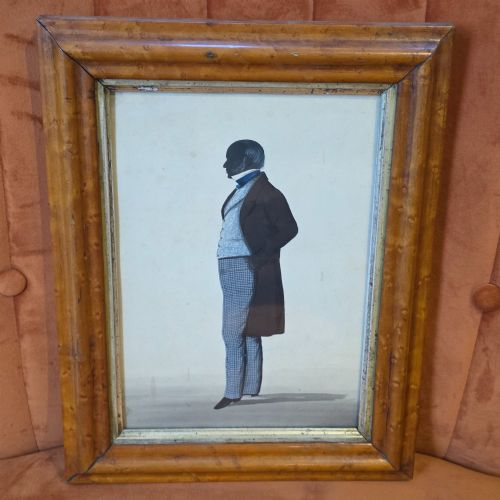
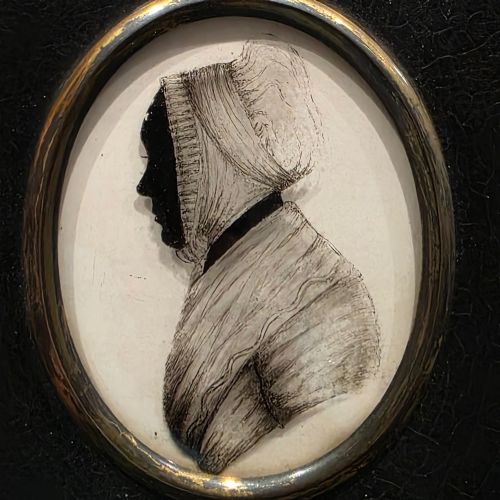
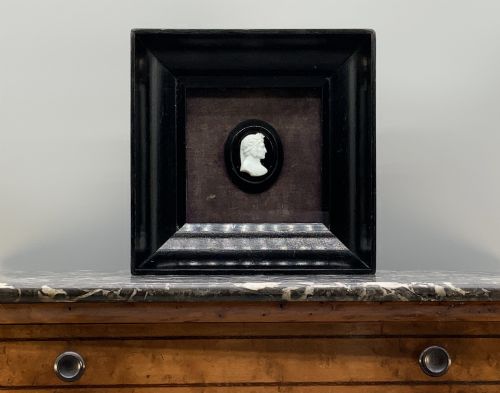
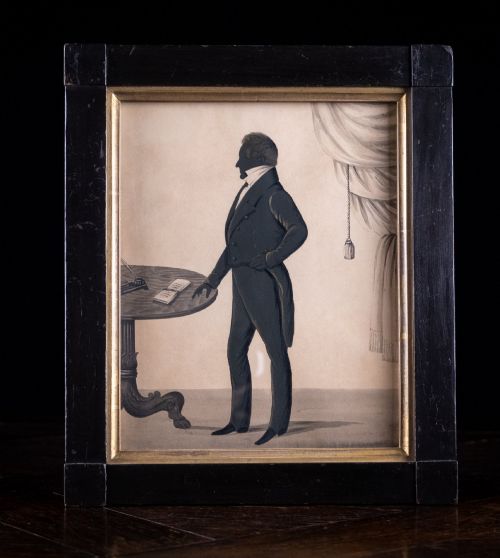
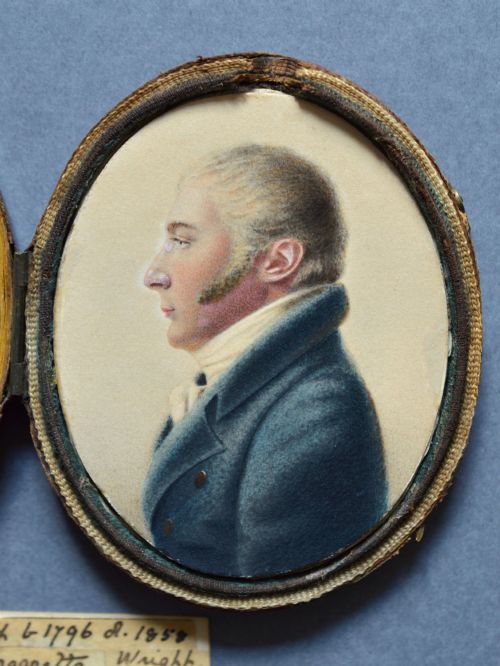
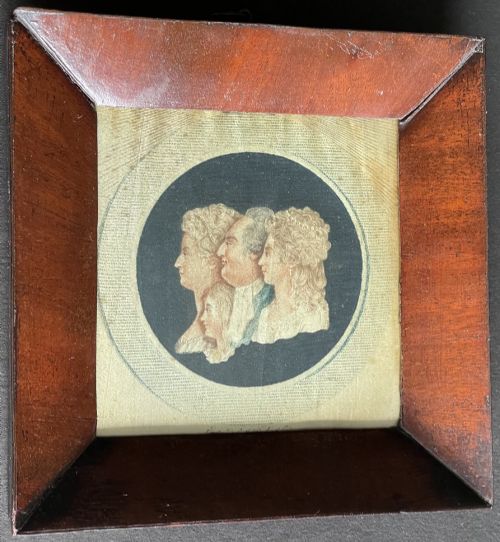
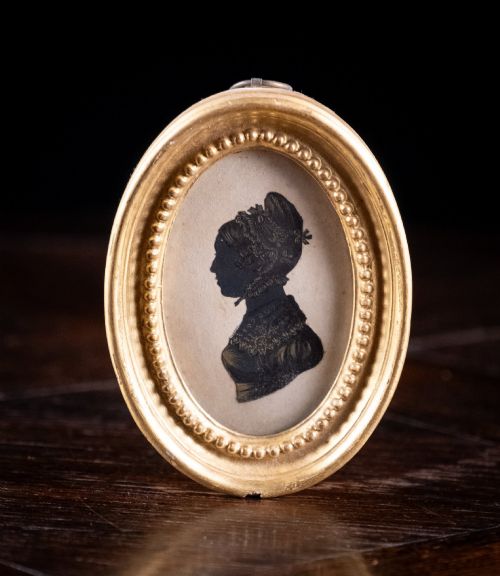
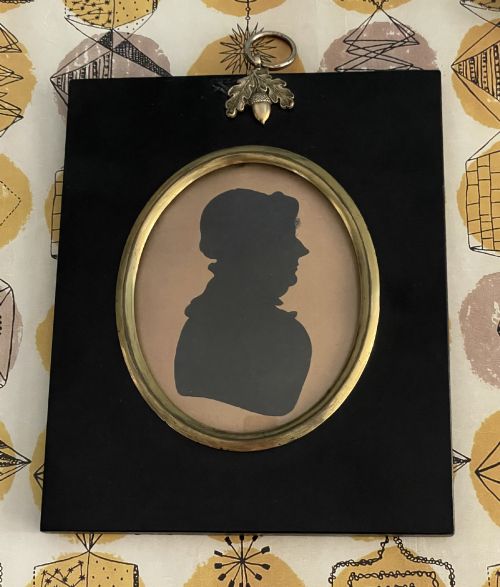
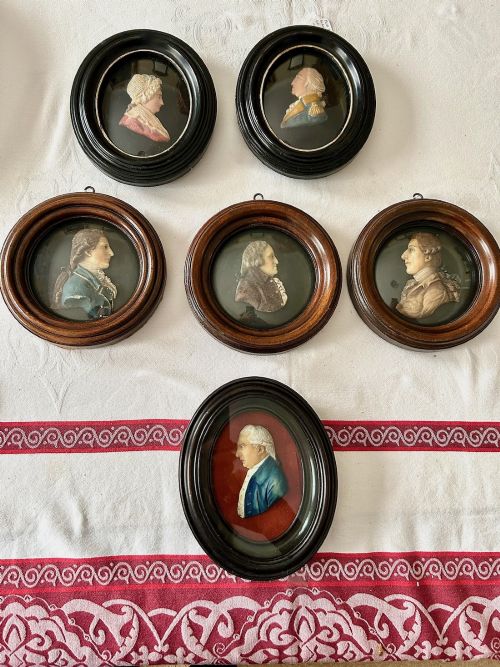
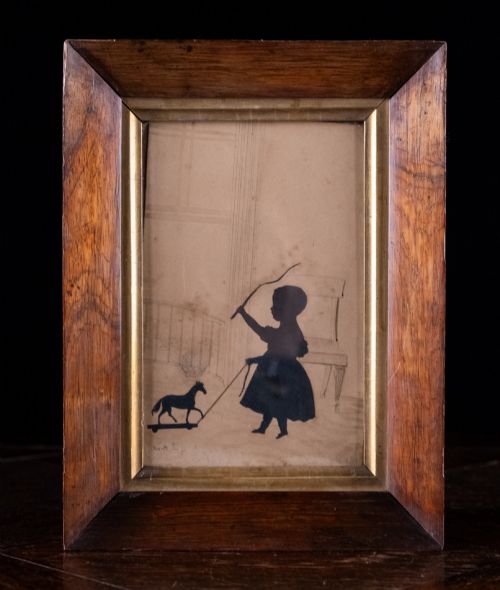
An antique profile miniature presents a likeness captured in silhouette portrait or portrait miniatures form, focusing on the profile of a sitter. The examples seen here belong to the eighteenth century, Georgian era, nineteenth century, and Regency period.
Materials and construction
These works rely upon a careful assembly of glass, brass, gilt metal, and ebonised wood frames to house the central image. Papier-mache is also employed for lightweight yet durable surrounds.
Makers utilised ink and watercolour on paper or plaster to render the likeness, often mounting silhouettes onto prepared plaster grounds as seen in works by John Miers.
One unusual silhouette even incorporates a secret motto.
Judging quality in profile portraits
The choice of housing materials also marks the tier of a piece, with heavy gilt metal or finely turned ebonised wood frames elevating the presentation compared to simpler mountings.
John Miers
The Antique Profile Miniature Glossary
- Silhouette portrait
- A profile likeness filled in with a solid dark colour, usually black, or painted on a contrasting background. This method was widely practiced before the advent of photography.
- Portrait miniatures
- Small-scale paintings on paper or other surfaces that depict a person with fine detail. These portable works were often kept as personal keepsakes.
- Ebonised wood
- Timber treated to resemble ebony, frequently used for the dark frames surrounding profile portraits. It provides a stark, contrasting border that accentuates the lighter silhouette.
- Gilt metal
- Metal treated with a gold-coloured finish or plating, often found on thebezels and hanging rings of miniature frames. It adds a decorative metallic accent to the display.
Frequently Asked Questions
What is an antique profile miniature?
An antique profile miniature is a small portrait showing the side profile of a person, created during periods such as the Georgian and Regency eras.
These pieces were typically rendered in ink, watercolour, or silhouette on plaster, housed within protective glass and ebonised wood or gilt metal frames.
How were these portraits displayed?
These works were generally hung as wall art in intimate domestic spaces, allowing families to display likenesses of ancestors or notable figures.
Their compact size meant they could also be kept on desks or carried as personal mementos.
What materials did artists use?
Makers worked with paper, plaster, and watercolour paint, occasionally employing ink for sharp silhouette outlines.
The finished portraits were then secured using glass, brass, gilt metal, and papier-mache.
How do I identify a Regency silhouette?
A Regency silhouette reflects the distinctive costume, hair styling, and framing conventions popular during the early nineteenth century.
Look for specific dress details like formal attire or facial hair styles recorded in the titles of pieces from this era.